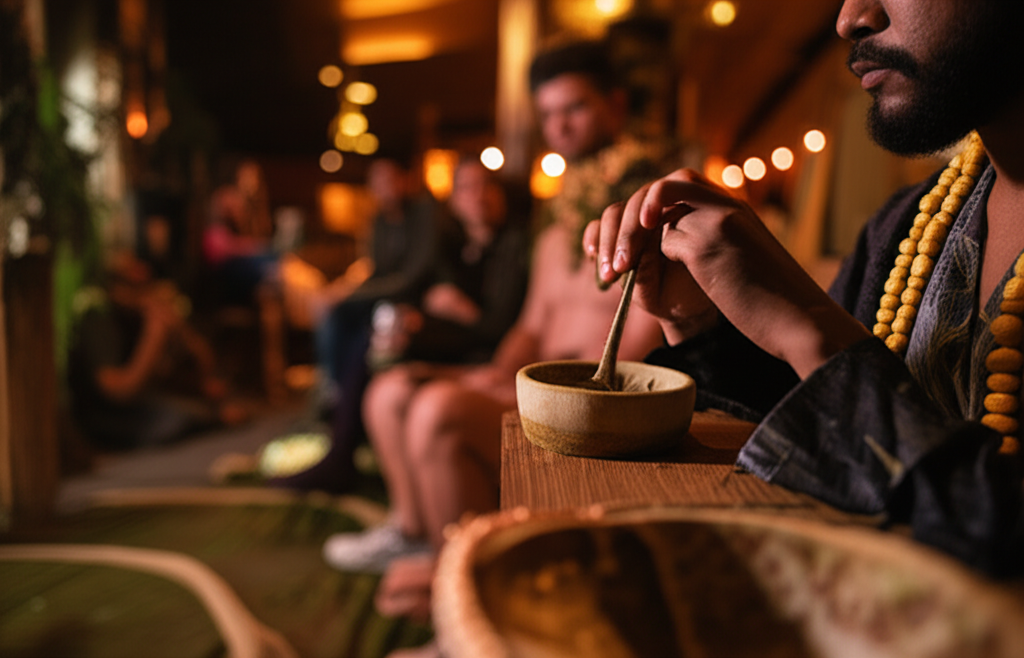
In recent years, kava bars have emerged as a unique social hub for those seeking a natural alternative to alcohol-fueled nightlife. As of 2026, these cozy, community-driven spaces are popping up in cities across the globe, offering a calming escape from the hustle and bustle of modern life. Paired with fresh research affirming kava’s traditional use as a relaxation aid, the kava industry is experiencing a remarkable boom. Let’s dive into the latest developments surrounding kava bars, the science backing this ancient drink, and what this means for enthusiasts and newcomers alike.
The Rise of Kava Bars: A New Social Scene
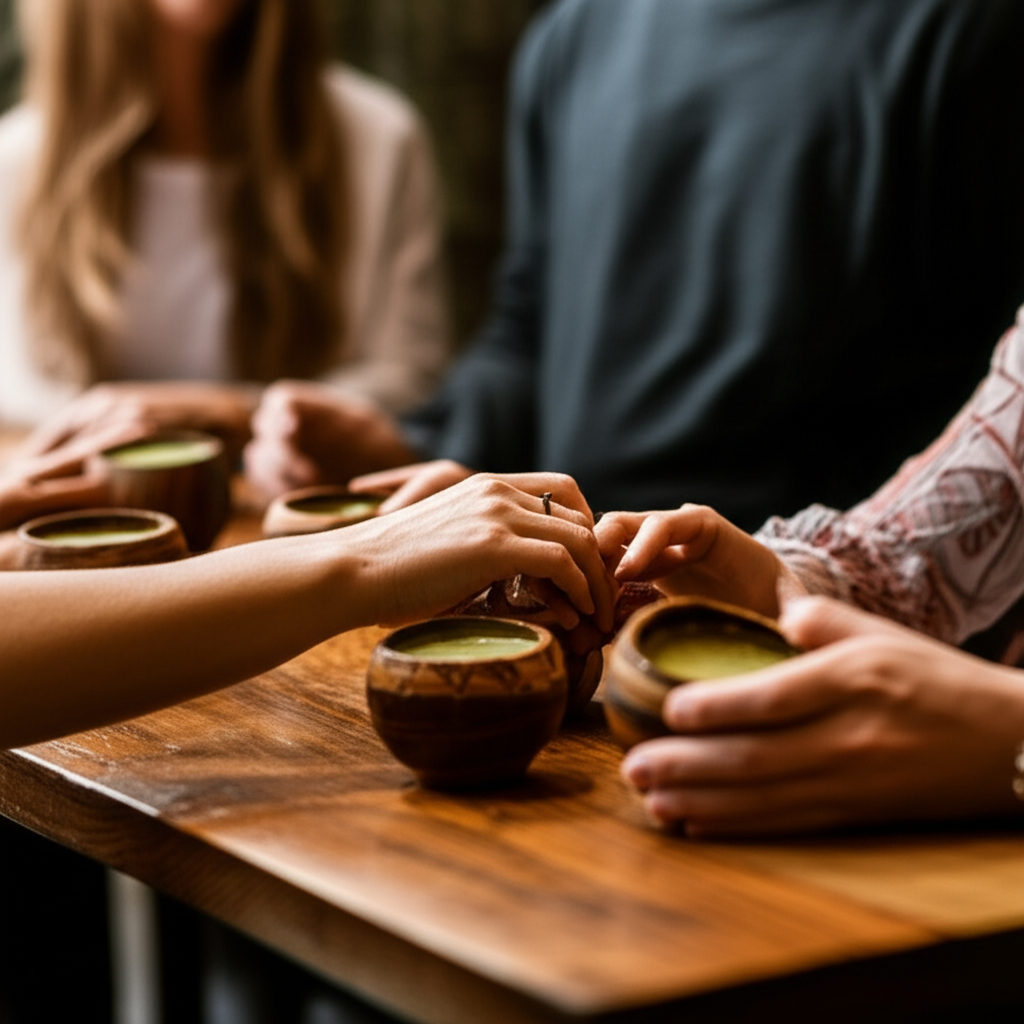
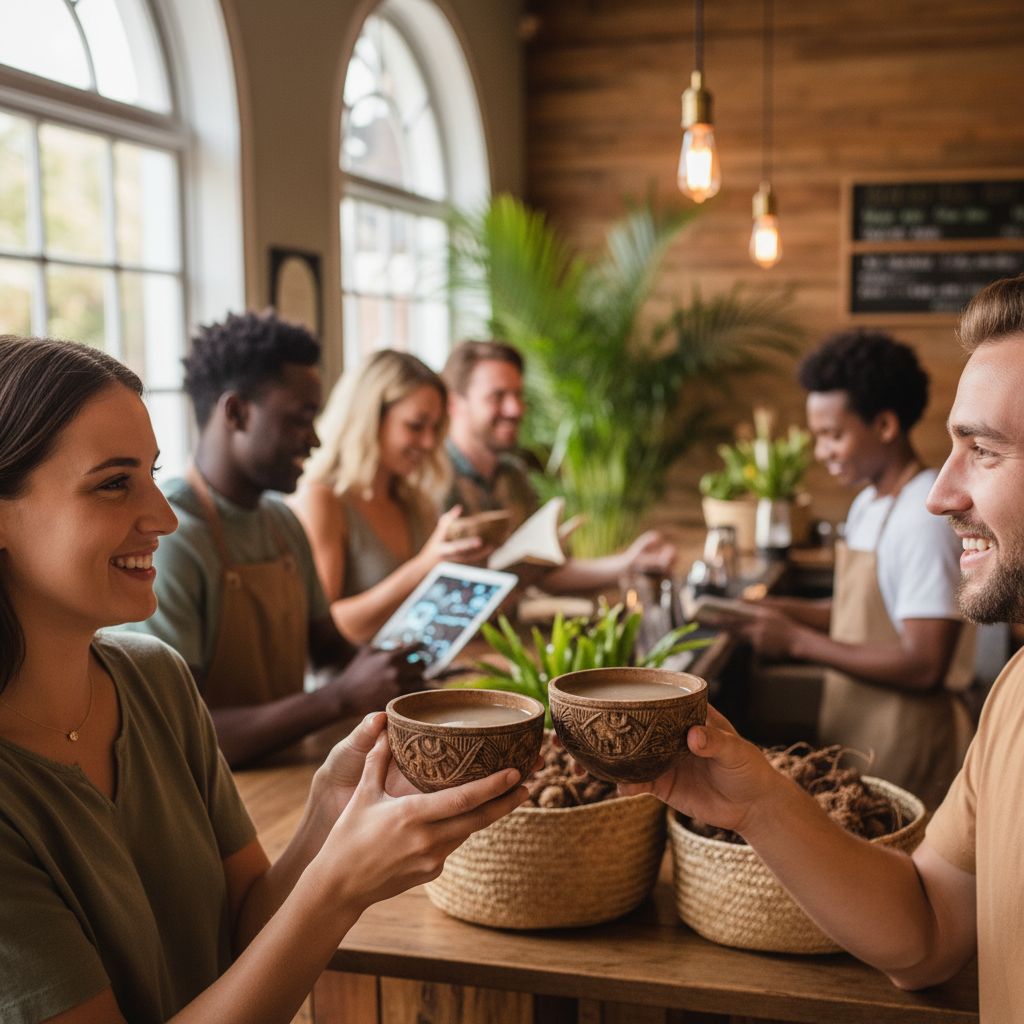
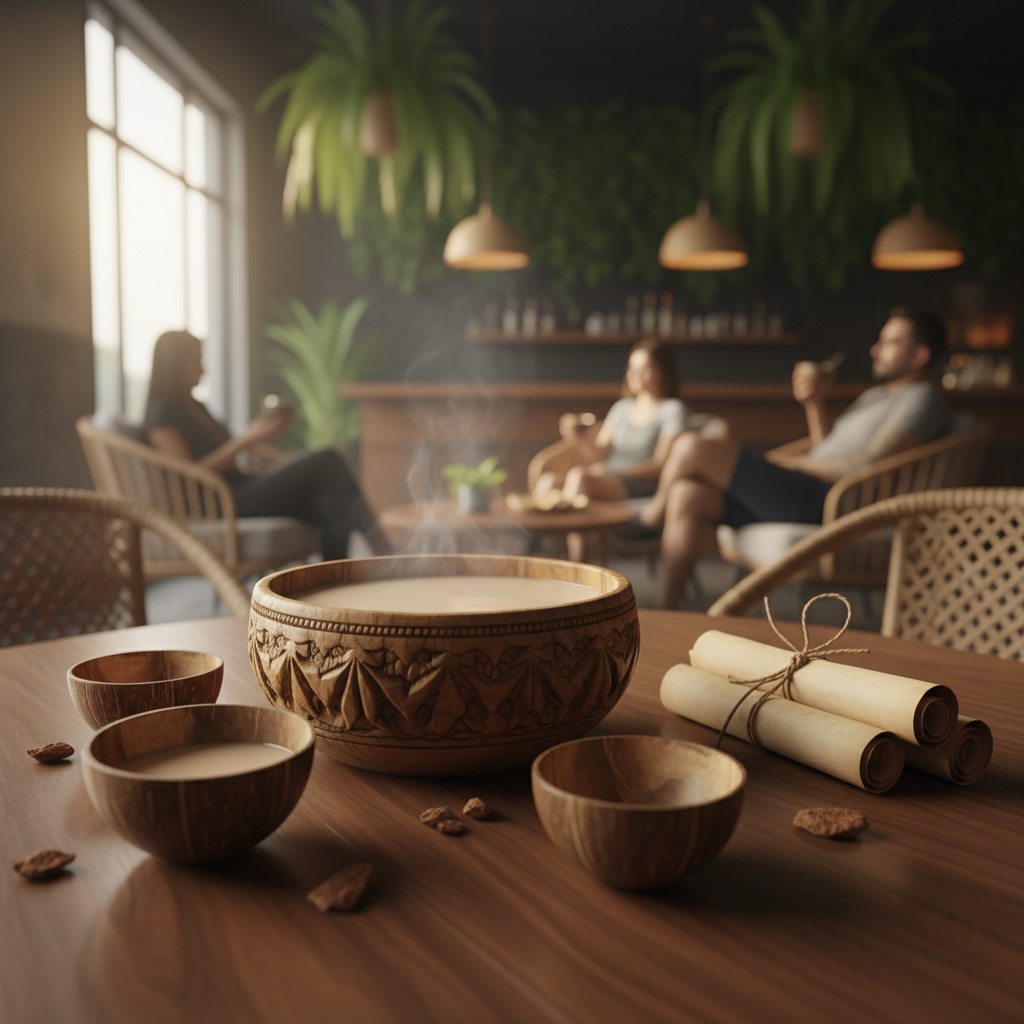
Kava bars are no longer a niche concept relegated to Pacific Island communities or small wellness circles. In 2026, major urban centers like Los Angeles, Austin, and Miami report a 30% increase in kava bar openings compared to just two years ago. These venues offer a laid-back atmosphere where patrons can sip kava—a traditional drink made from the root of the Piper methysticum plant—while engaging in meaningful conversations or simply unwinding after a long day.
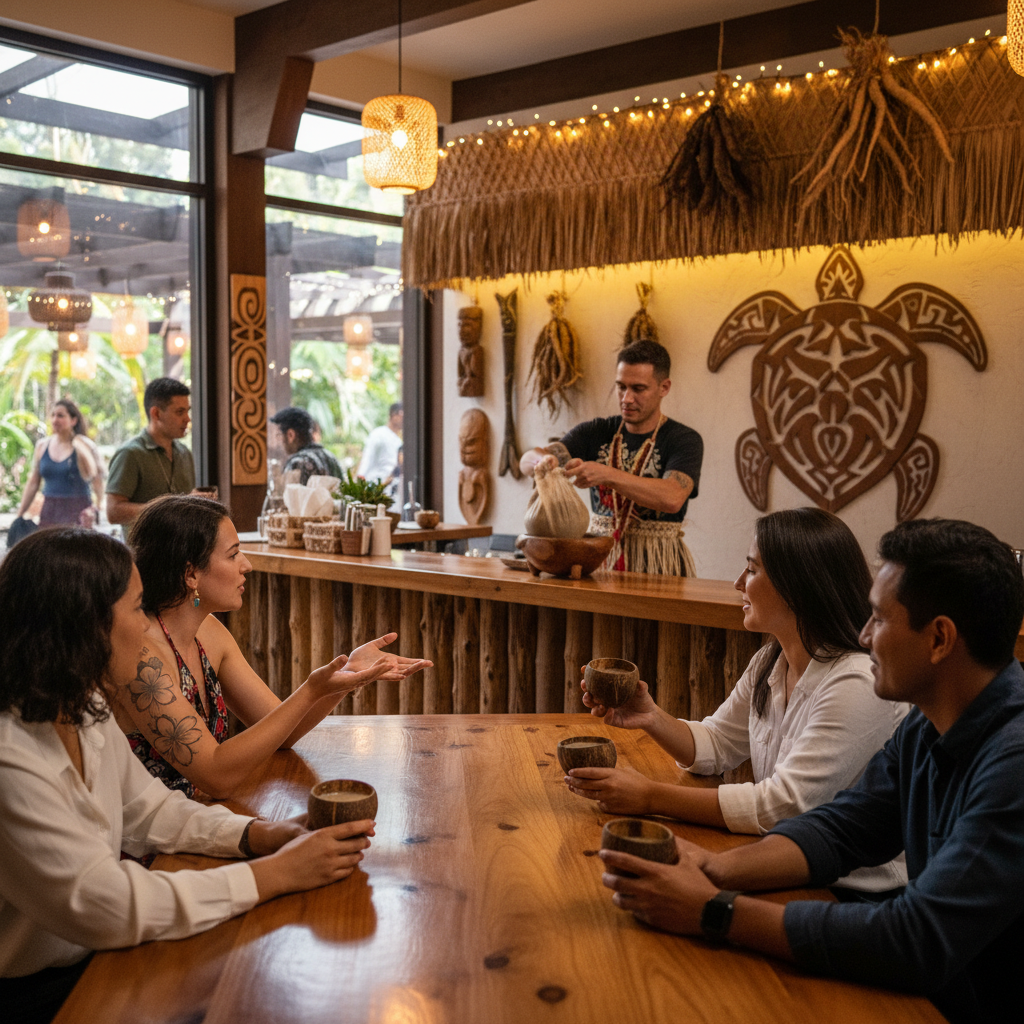
What sets kava bars apart from typical cafes or alcohol-centric bars is their focus on relaxation and connection. Many kava bars host cultural events, such as live music inspired by Polynesian traditions or educational sessions about kava’s origins in places like Fiji, Vanuatu, and Hawaii. For instance, ‘Kava Cove’ in San Diego recently launched a weekly ‘Kava & Culture’ night, where attendees learn about the ceremonial preparation of kava while enjoying its soothing effects.
Owners of these establishments note that their customer base is diverse, ranging from young professionals seeking stress relief to older adults curious about natural alternatives to pharmaceuticals. “People are tired of the same old bar scene,” says Mia Lani, owner of ‘Pacific Peace Kava Bar’ in Seattle. “They want something that helps them relax without the hangover or health risks of alcohol. Kava offers that.”
New Research Backs Kava’s Relaxation Benefits
As kava bars gain traction, scientific interest in the drink’s effects is also on the rise. A groundbreaking 2026 study published by the International Journal of Ethnopharmacology has provided fresh evidence supporting kava’s traditional use as a natural anxiolytic. Conducted over 18 months, the study involved over 300 participants and found that moderate kava consumption significantly reduced self-reported anxiety levels without the sedative drawbacks often associated with prescription medications.
The active compounds in kava, known as kavalactones, interact with the brain’s GABA receptors, promoting a sense of calm without impairing cognitive function. “This research validates what Pacific Island cultures have known for centuries,” explains Dr. Elena Koro, lead researcher on the study. “Kava, when consumed responsibly, can be a powerful tool for managing everyday stress.”
Importantly, the study also addressed safety concerns that have historically plagued kava’s reputation. By focusing on high-quality, noble kava varieties—those traditionally used for ceremonial purposes—the researchers found minimal risk of adverse effects, debunking outdated claims linking kava to liver toxicity when sourced and prepared correctly. This is a significant win for the kava industry, which has long advocated for better education and regulation to ensure consumer safety.
Challenges and Opportunities in the Kava Industry
While the surge in kava bars and supportive research paints a rosy picture, the industry isn’t without its hurdles. Sourcing authentic, high-quality kava remains a challenge for many bar owners and suppliers. With demand skyrocketing, some vendors have resorted to selling lower-grade kava or even mixing it with non-traditional varieties, which can diminish the drink’s effects and pose health risks.
To combat this, industry leaders are pushing for stricter standards and certifications. Organizations like the True Kava Council are working with growers in the Pacific Islands to establish traceability programs, ensuring that kava reaching consumers is pure and sustainably sourced. “We want to protect the integrity of kava as a cultural treasure,” says Temo Viti, a spokesperson for the Council. “This means supporting farmers in Fiji and Vanuatu while educating consumers about what to look for.”
On the flip side, the growing popularity of kava bars presents a unique opportunity for economic development in kava-producing regions. Increased demand has led to new partnerships between Pacific Island farmers and international distributors, providing a much-needed boost to local economies. For kava bar owners, this means access to better products, while for consumers, it translates to a more authentic experience.
What This Means for Kava Enthusiasts
For those already part of the kava community, the rise of kava bars and validating research is a cause for celebration. More venues mean greater accessibility to this traditional drink, while scientific backing helps legitimize kava in the eyes of skeptics. If you’re new to kava, now is the perfect time to explore a local kava bar and experience its effects firsthand. Many bars offer beginner-friendly options, such as kava mixed with coconut water or fruit juices to mask its earthy taste.
However, as with any natural product, moderation and education are key. Experts recommend starting with small servings to gauge your body’s response and always purchasing kava from reputable sources—whether at a bar or for home use. Look for labels indicating “noble kava” or certifications from trusted organizations to ensure you’re getting the real deal.
Looking Ahead: The Future of Kava Culture
As we move further into 2026, the trajectory of kava bars and the broader kava industry looks promising. With research continuing to uncover the benefits of kava, and cultural appreciation growing through community-driven spaces, this ancient drink is carving out a permanent spot in modern wellness circles. Whether you’re a seasoned kava drinker or simply curious about natural relaxation aids, the rise of kava bars offers a welcoming entry point to this time-honored tradition.
Have you visited a kava bar recently? Share your experience in the comments below, or let us know if there’s a kava hotspot in your area we should check out. As the kava community continues to grow, one thing is clear: this Pacific Island treasure is here to stay, bringing calm and connection to a stressed-out world.