As the kava and kratom industry continues to evolve, a groundbreaking new study on kava’s potential health benefits is making waves, just as kava bars are becoming cultural hotspots across the United States. Published in early 2026, this research sheds light on kava’s role in anxiety relief, further fueling interest in this traditional Pacific Island beverage. Meanwhile, kava bars are popping up in urban centers, offering a unique social experience centered around relaxation and community. Let’s dive into the latest findings and explore how they align with the rising kava bar trend.
Groundbreaking Kava Study: A Natural Ally Against Anxiety
A recent study conducted by a team of researchers at a leading university has brought kava back into the spotlight for its potential mental health benefits. The study, published in the Journal of Ethnopharmacology, analyzed the effects of kavalactones—the active compounds in kava root—on stress and anxiety levels in a controlled group of participants over a six-week period.
The results were striking. Participants who consumed kava extracts reported a significant reduction in anxiety symptoms compared to the placebo group, with many describing a sense of calm without the sedation often associated with pharmaceutical alternatives. The study also noted that kava appeared to have minimal side effects when consumed responsibly, addressing long-standing concerns about liver toxicity when proper preparation and dosing are followed.
Lead researcher Dr. Emily Harper emphasized the importance of these findings for natural wellness enthusiasts. “Kava has been used for centuries in Polynesian cultures for its calming effects during social and ceremonial gatherings,” she stated. “Our research suggests that it could serve as a viable natural option for managing anxiety in modern contexts, provided it’s sourced and prepared correctly.”
This study couldn’t come at a better time, as more people are seeking natural alternatives to manage stress in today’s fast-paced world. With kava’s cultural roots tied to relaxation and connection, its growing scientific backing is paving the way for broader acceptance in the wellness community.
Kava Bars: The New Social Hub for Relaxation
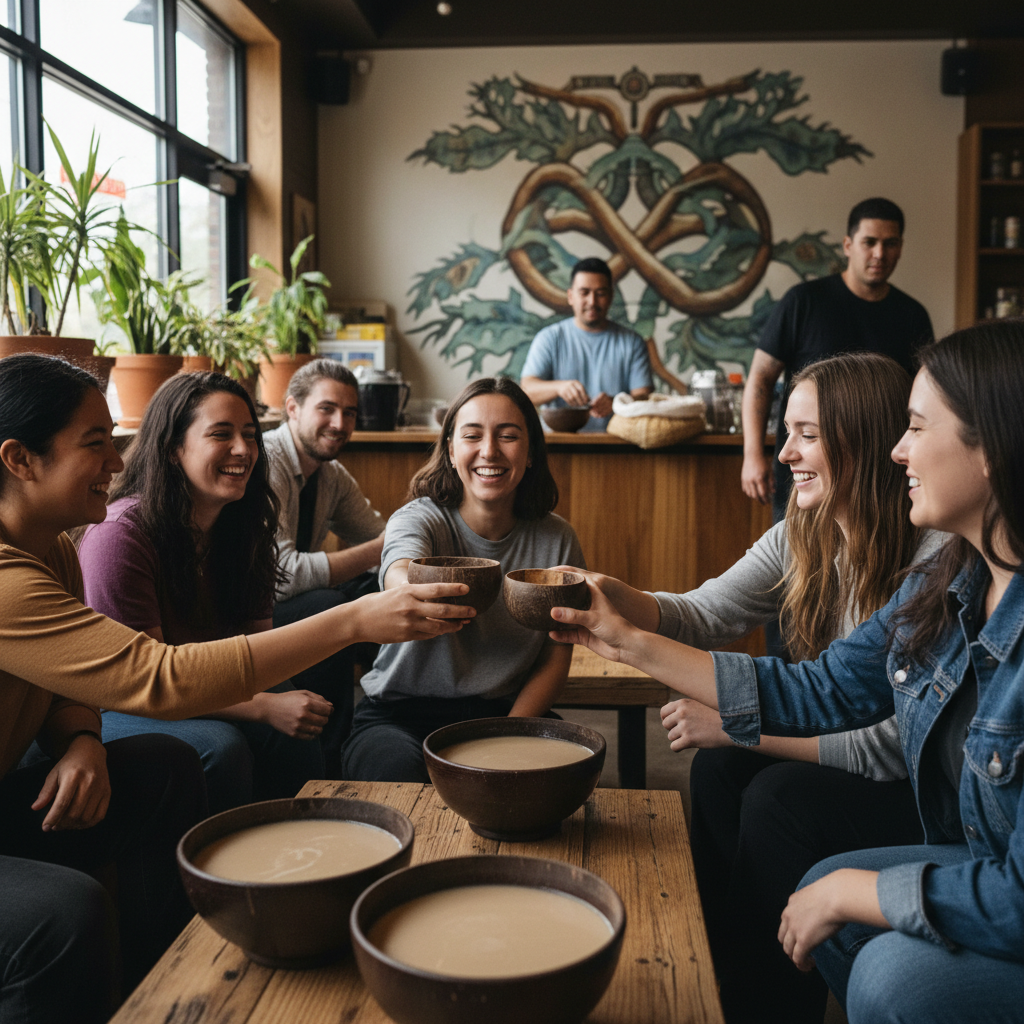
While science is catching up to kava’s benefits, the beverage is already gaining traction on the social scene through the rapid rise of kava bars. These unique establishments, often modeled after traditional Pacific Island kava ceremonies, offer a space for people to unwind, connect, and experience kava in a communal setting. From Miami to Seattle, kava bars are becoming the go-to spots for those looking to ditch alcohol in favor of a more grounding social drink.
One such venue, Pacific Waves Kava Bar in San Diego, has seen a 40% increase in foot traffic over the past year, according to owner Malia Kealoha. “People are craving something different,” she explains. “Kava bars provide a chill vibe where you can relax without the hangover. Our customers love that they can socialize and still feel clear-headed the next day.”
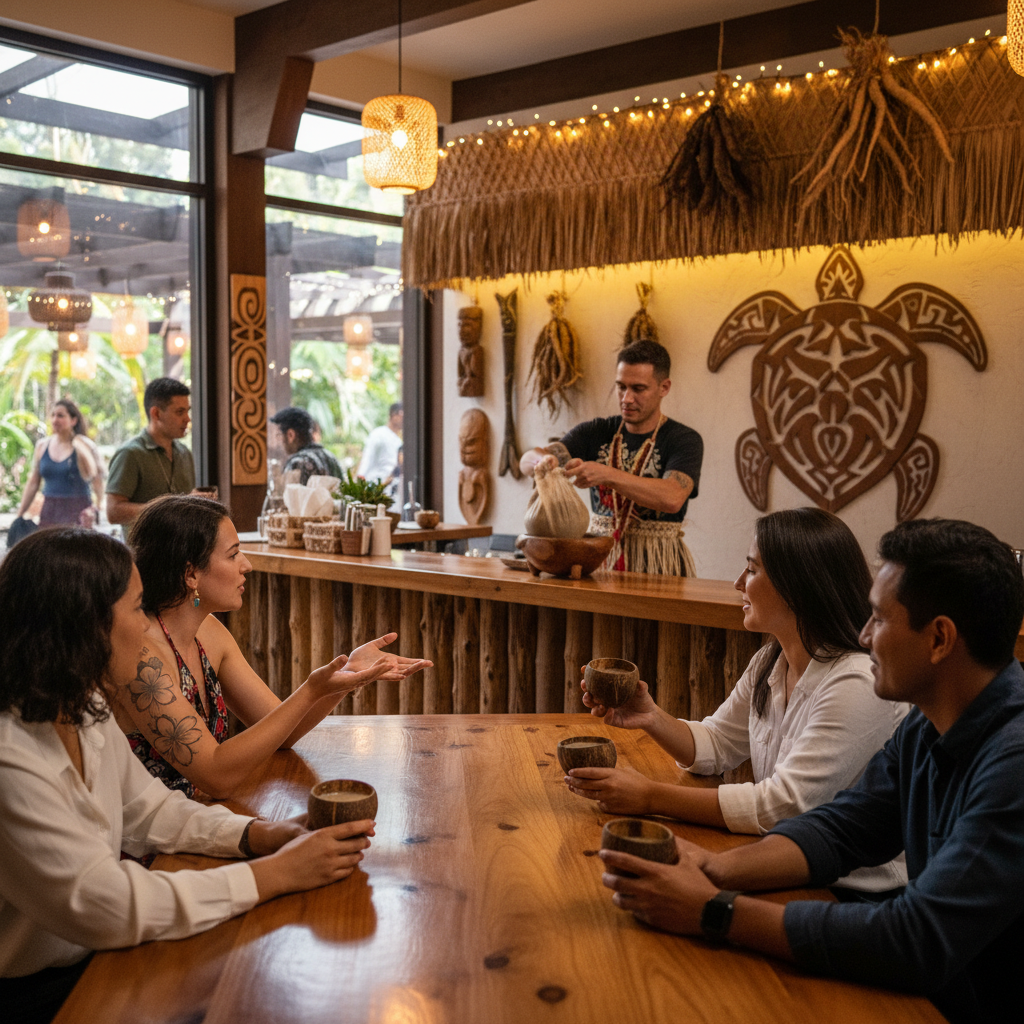
At Pacific Waves, patrons sip kava from traditional coconut shells while lounging on woven mats or modern couches, creating a blend of cultural authenticity and contemporary comfort. The bar also offers educational sessions on kava’s origins and preparation, ensuring customers understand the drink’s heritage and safe consumption practices.
This trend isn’t isolated to the West Coast. In cities like Austin and Chicago, kava bars are partnering with local wellness communities to host events like yoga classes and meditation sessions, further integrating kava into holistic lifestyles. As these venues multiply, they’re also becoming advocates for responsible kava sourcing, often working directly with farmers in Fiji, Vanuatu, and Tonga to ensure quality and sustainability.
Bridging Science and Culture: What’s Next for Kava?
The synergy between the new anxiety relief study and the kava bar boom is creating a perfect storm of interest in this ancient beverage. For many, kava represents more than just a drink—it’s a lifestyle choice that prioritizes mental well-being and meaningful social interaction. But what does this mean for the future of the kava industry?
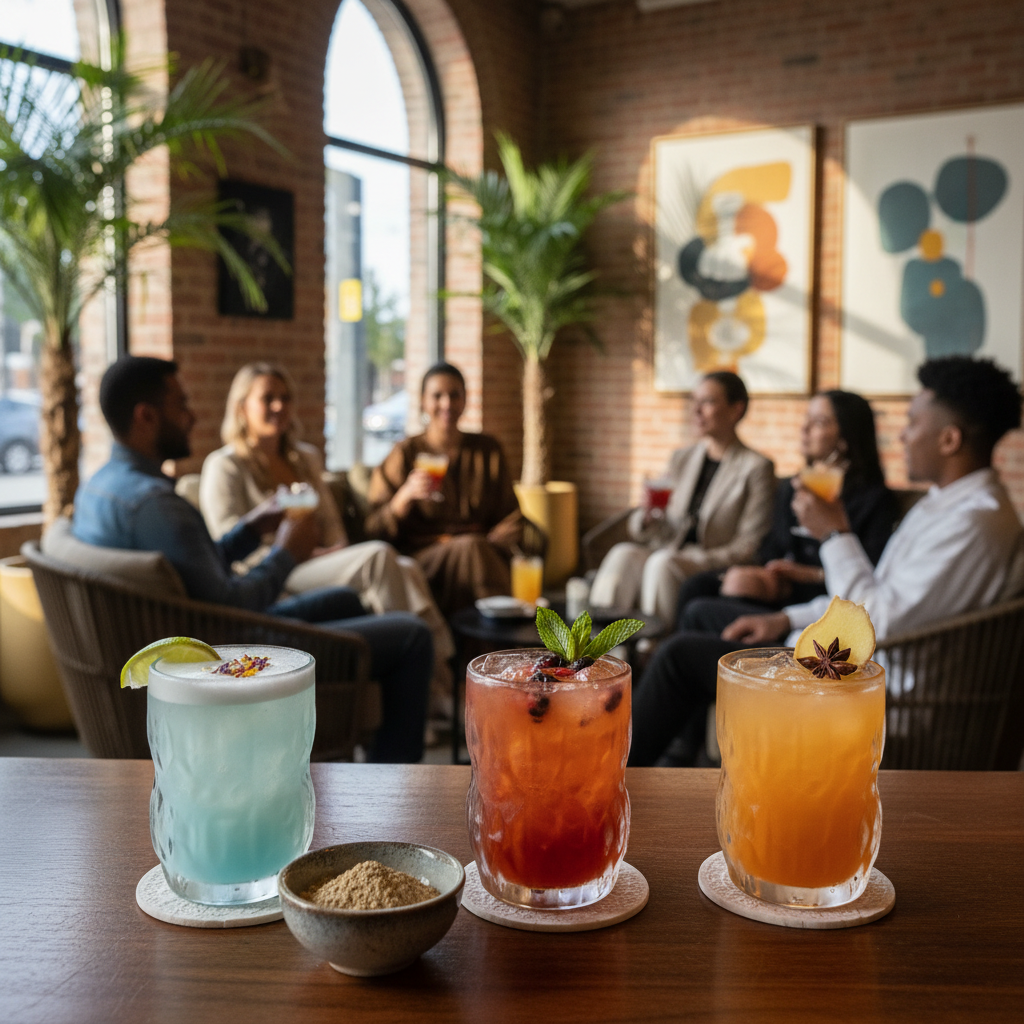
For one, the scientific validation of kava’s calming effects could lead to increased demand for standardized kava products, such as extracts and capsules, in addition to the traditional powdered root used in bars. However, industry experts caution that regulation will be key to maintaining safety and authenticity. “We’ve seen challenges in the past with poorly processed kava causing health concerns,” notes industry analyst Tom Vail. “As kava grows in popularity, we need clear guidelines to protect consumers and preserve the integrity of the product.”
Kava bars, meanwhile, are likely to play a pivotal role in educating the public. Many owners are already taking it upon themselves to inform patrons about proper dosages and the importance of sourcing noble kava varieties—those traditionally used for drinking—over less safe tudei varieties. This educational push could help mitigate risks and foster a more informed consumer base.
The Bigger Picture: Kava and Kratom Industry Trends
While kava takes center stage with this new study and bar trend, it’s worth noting its place within the broader kava and kratom industry. Both botanicals have carved out significant niches in the natural wellness market, often appealing to overlapping audiences seeking alternatives to mainstream solutions. Kratom, known for its pain-relieving and mood-enhancing properties, continues to face regulatory scrutiny, which has inadvertently boosted kava’s appeal as a less controversial option in some regions.
Industry reports suggest that the kava market alone is projected to grow by 8% annually through 2030, driven by rising consumer interest in natural anxiolytics and alcohol alternatives. Kava bars are expected to be a major driver of this growth, serving as cultural ambassadors that introduce new audiences to the drink.
As the kava and kratom industries navigate challenges like regulation and public perception, studies like the one on anxiety relief are crucial for building credibility. They provide a scientific foundation that complements the cultural narrative, making kava more accessible to skeptics and newcomers alike.
Conclusion: A Bright Future for Kava
From the lab to the lounge, kava is experiencing a renaissance in 2026. The latest research confirming its anxiety-relieving potential is a game-changer, offering hope to millions seeking natural solutions for stress. At the same time, kava bars are redefining social spaces, creating havens of calm in bustling cities while honoring the drink’s Pacific Island roots.
Whether you’re a longtime kava enthusiast or a curious newcomer, there’s never been a better time to explore this ancient beverage. Visit a local kava bar, sip a shell, and discover why kava is more than just a drink—it’s a pathway to relaxation and connection in an increasingly hectic world.