As we move through 2026, kava bars are becoming more than just a trendy spot for a relaxing drink—they’re evolving into cultural hubs that celebrate the ancient traditions of the Pacific Islands while promoting mental wellness. At the same time, groundbreaking research is shedding light on kava’s potential to support mental health, further solidifying its place in the modern wellness industry. Let’s dive into the latest developments surrounding kava bars, the growing appreciation for kava culture, and what science is saying about this revered plant.
Kava Bars: A Modern Take on Ancient Traditions
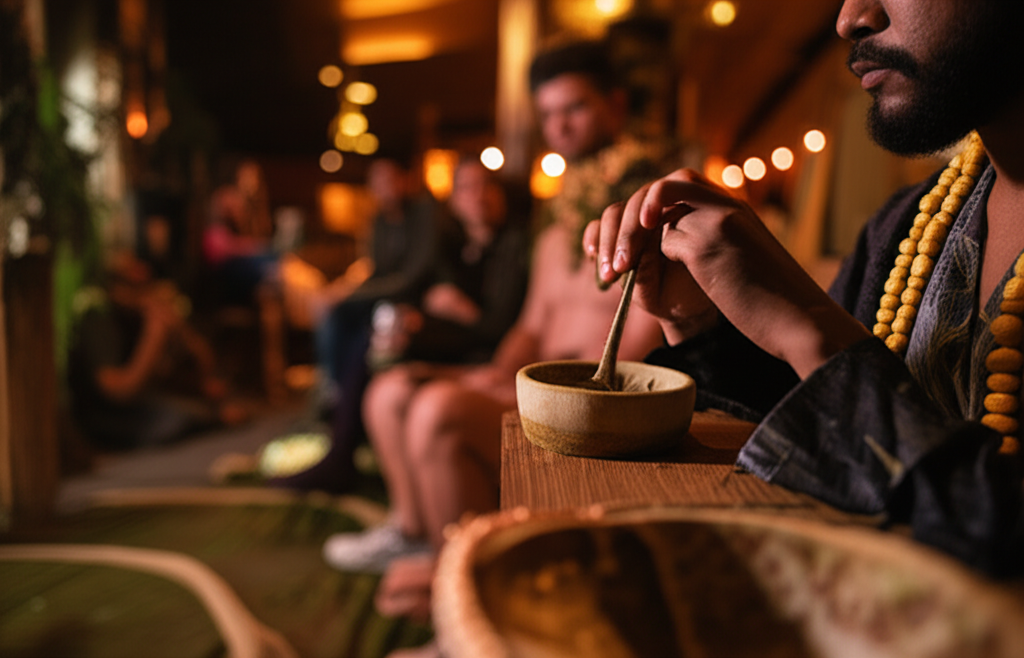
Across the United States and beyond, kava bars are experiencing a renaissance in 2026, with new establishments popping up in cities big and small. These venues are not just places to sip on a shell of kava; they’re immersive experiences that honor the communal spirit of the Pacific Island cultures where kava originated. From Hawaii to Vanuatu, kava has long been used in ceremonies to foster connection and relaxation, and kava bars are bringing that ethos to a global audience.
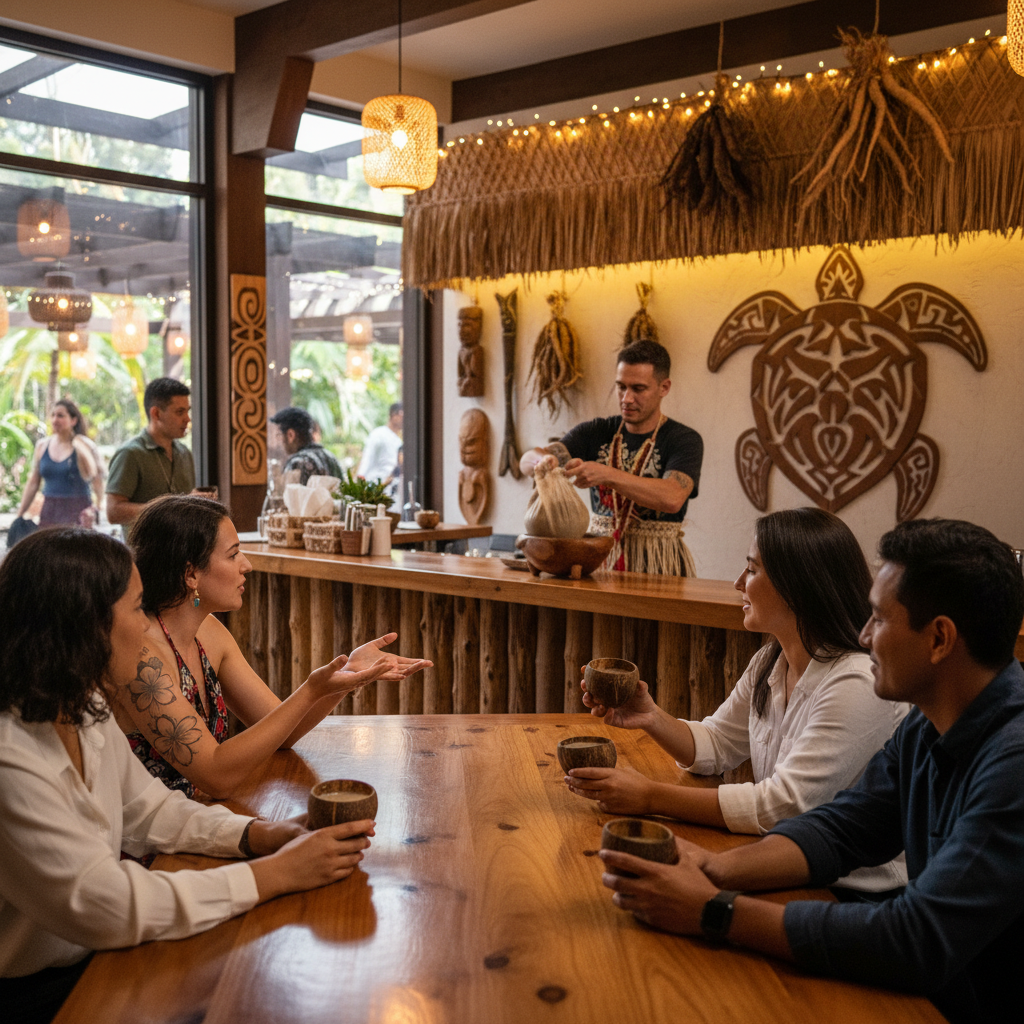
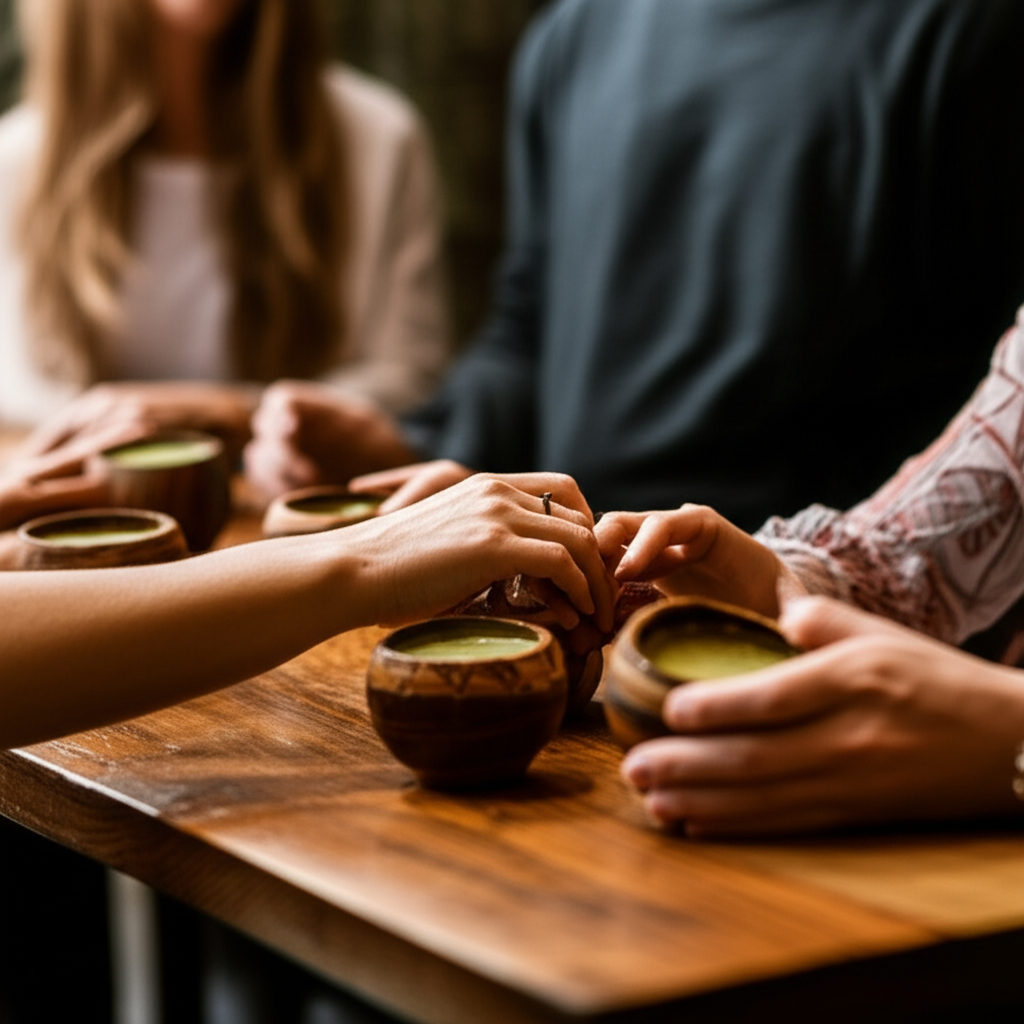
Many kava bars in 2026 are incorporating traditional elements into their ambiance—think bamboo decor, island-inspired music, and storytelling sessions about kava’s history. Some are even hosting ‘kava circles,’ where patrons sit together, share stories, and pass a communal shell, mimicking the rituals of Polynesian and Melanesian communities. This focus on community is resonating deeply with patrons seeking authentic, screen-free social interactions in an increasingly digital world.
One notable example is Nakava Haven, a new kava bar chain expanding across the West Coast. Their flagship location in Portland offers weekly cultural workshops where guests learn about kava’s origins and preparation methods directly from Pacific Islander community members. This blend of education and relaxation is proving to be a winning formula, drawing in both curious newcomers and seasoned kava enthusiasts.
New Research on Kava’s Mental Health Benefits
While kava bars are thriving culturally, the scientific community is also taking note of kava’s potential health benefits. A 2026 study published by the International Journal of Ethnopharmacology has brought fresh attention to kava’s anxiolytic (anxiety-reducing) properties. The research, conducted over two years with participants across multiple countries, found that regular, moderate kava consumption may significantly reduce symptoms of generalized anxiety disorder without the side effects associated with pharmaceutical alternatives.
The active compounds in kava, known as kavalactones, interact with the brain’s GABA receptors, promoting a calming effect without impairing cognitive function. Unlike some sedatives, kava doesn’t typically cause drowsiness or dependency when used responsibly, making it an appealing natural option for stress relief. The study also noted improvements in sleep quality among participants, further supporting kava’s role as a holistic wellness aid.
Dr. Lila Moana, lead researcher on the project, emphasized the importance of quality control in kava products. “Our findings are promising, but they hinge on using noble kava varieties sourced ethically and prepared correctly. Consumers should seek out trusted vendors or kava bars with transparent sourcing practices to ensure safety and efficacy,” she stated in a recent interview. This research is a game-changer, validating what kava advocates have long believed and potentially paving the way for broader acceptance in mainstream wellness circles.
The Kava Industry: Challenges and Opportunities
With growing interest in kava’s benefits, the kava industry is at a pivotal moment. Demand for high-quality kava root is surging, driven by both kava bars and at-home consumers. However, this growth comes with challenges, including supply chain issues and the need for stricter quality standards. Non-noble kava varieties, which can cause adverse effects like liver strain, have occasionally entered the market, underscoring the need for regulation and consumer education.
On a positive note, many kava farmers in Fiji, Tonga, and Samoa are seeing economic benefits as global demand rises. Fair-trade initiatives are gaining traction, ensuring that small-scale farmers receive fair compensation while preserving traditional cultivation methods. Organizations like the Pacific Kava Council are also working to establish international standards for kava production and export, which could help legitimize the industry and protect consumers.
Kava and Kratom: A Shared Wellness Space
While kava takes center stage in cultural and scientific discussions, it often shares the spotlight with kratom, another plant-based wellness product gaining popularity. Though distinct in origin and effects—kava hails from the Pacific and promotes relaxation, while kratom, from Southeast Asia, is often used for energy or pain relief—the two are frequently featured together in wellness communities and specialty bars. In 2026, some kava bars are beginning to offer kratom-infused drinks alongside traditional kava, catering to a diverse clientele seeking natural alternatives to synthetic substances.
However, the kratom industry faces its own set of hurdles, particularly around regulatory scrutiny. While kava enjoys a relatively positive reputation, kratom’s legal status remains inconsistent across regions, creating uncertainty for vendors and consumers alike. Advocacy groups are pushing for clear guidelines and standardized testing to ensure safety, drawing parallels to the kava industry’s journey toward credibility.
Why Kava Bars Are Here to Stay
The rise of kava bars in 2026 is more than a passing trend—it’s a reflection of a broader cultural shift toward mindfulness, community, and natural wellness solutions. As new studies affirm kava’s mental health benefits, these establishments are poised to become fixtures in the social and wellness landscapes. Whether you’re a long-time kava drinker or a curious newcomer, visiting a kava bar offers a unique opportunity to connect with ancient traditions while unwinding in a supportive environment.
If you’re looking to explore kava for yourself, start by finding a reputable kava bar near you or sourcing noble kava from trusted suppliers. With every sip, you’re not just enjoying a drink—you’re participating in a centuries-old practice that’s finding new life in the modern world. What’s your take on the kava resurgence? Have you visited a kava bar recently? Share your experiences with us in the comments!