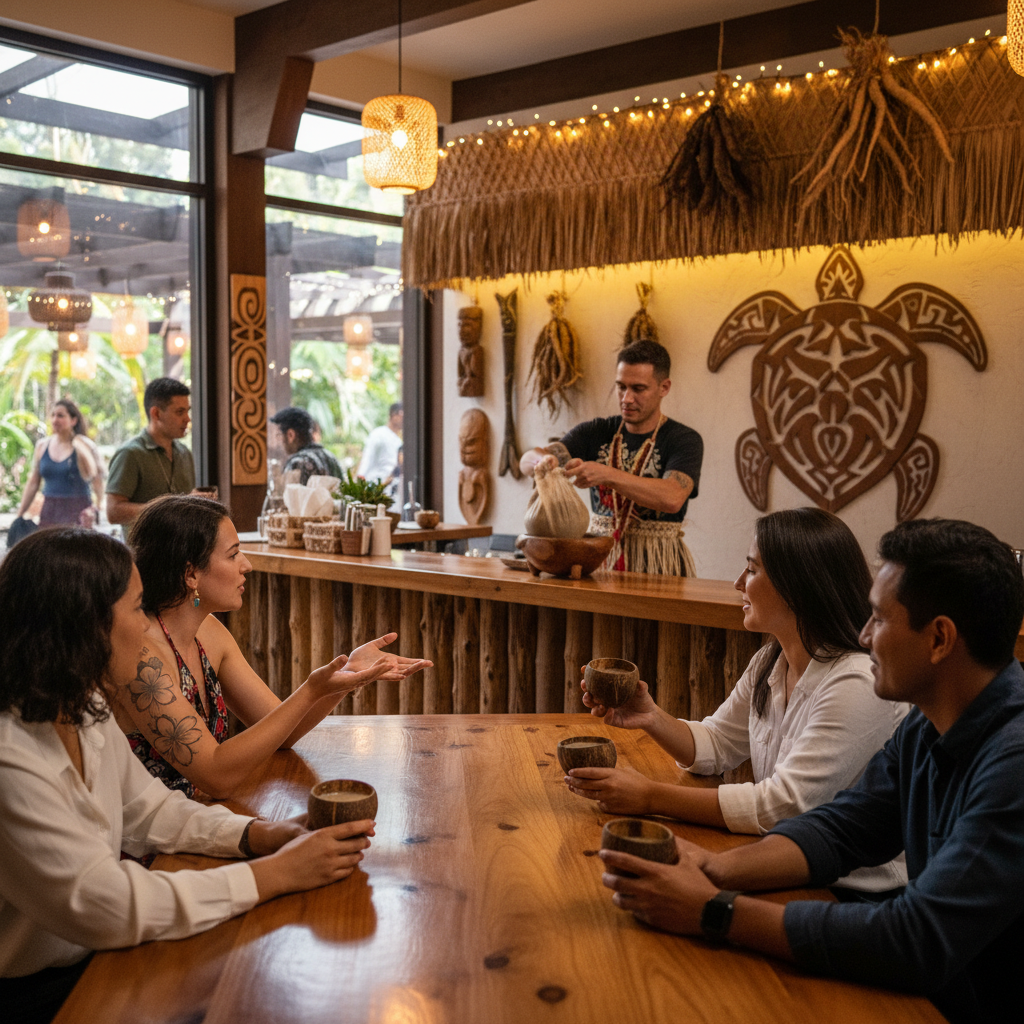
In recent years, kava has transcended its traditional roots in the Pacific Islands to become a cornerstone of relaxation culture worldwide. This earthy, calming beverage, made from the ground roots of the Piper methysticum plant, is experiencing a cultural revival, particularly in the form of modern kava bars. These establishments are not just places to unwind—they’re becoming hubs for community, education, and appreciation of kava’s rich heritage. Let’s explore how traditional practices are shaping the modern kava bar scene and why this trend is capturing the attention of wellness enthusiasts and industry insiders alike.
The Roots of Kava: A Cultural Legacy
Kava has been a sacred part of Pacific Island cultures for centuries, particularly in places like Fiji, Vanuatu, and Tonga. Historically, it was consumed during ceremonies, social gatherings, and rituals to promote relaxation, foster unity, and even facilitate spiritual connections. The preparation of kava was an art form—roots were ground by hand, mixed with water, and strained through cloth or coconut fibers to create a mildly sedative drink.
These traditions weren’t just about the beverage; they were about community. Kava ceremonies often involved storytelling, singing, and bonding, with strict protocols dictating who could prepare and serve the drink. Today, as kava gains global recognition for its calming effects, these cultural elements are being reimagined in modern kava bars, blending ancient practices with contemporary vibes.
Modern Kava Bars: A Nod to Tradition
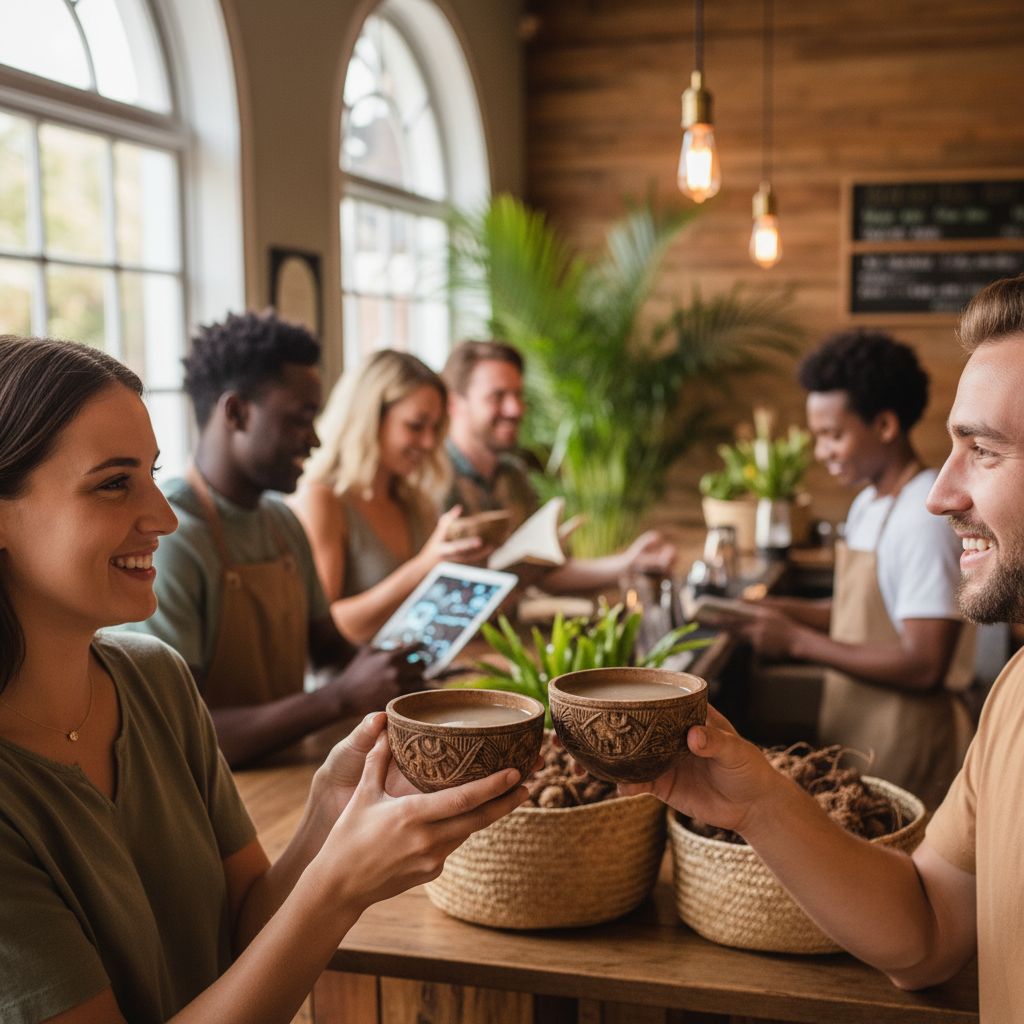
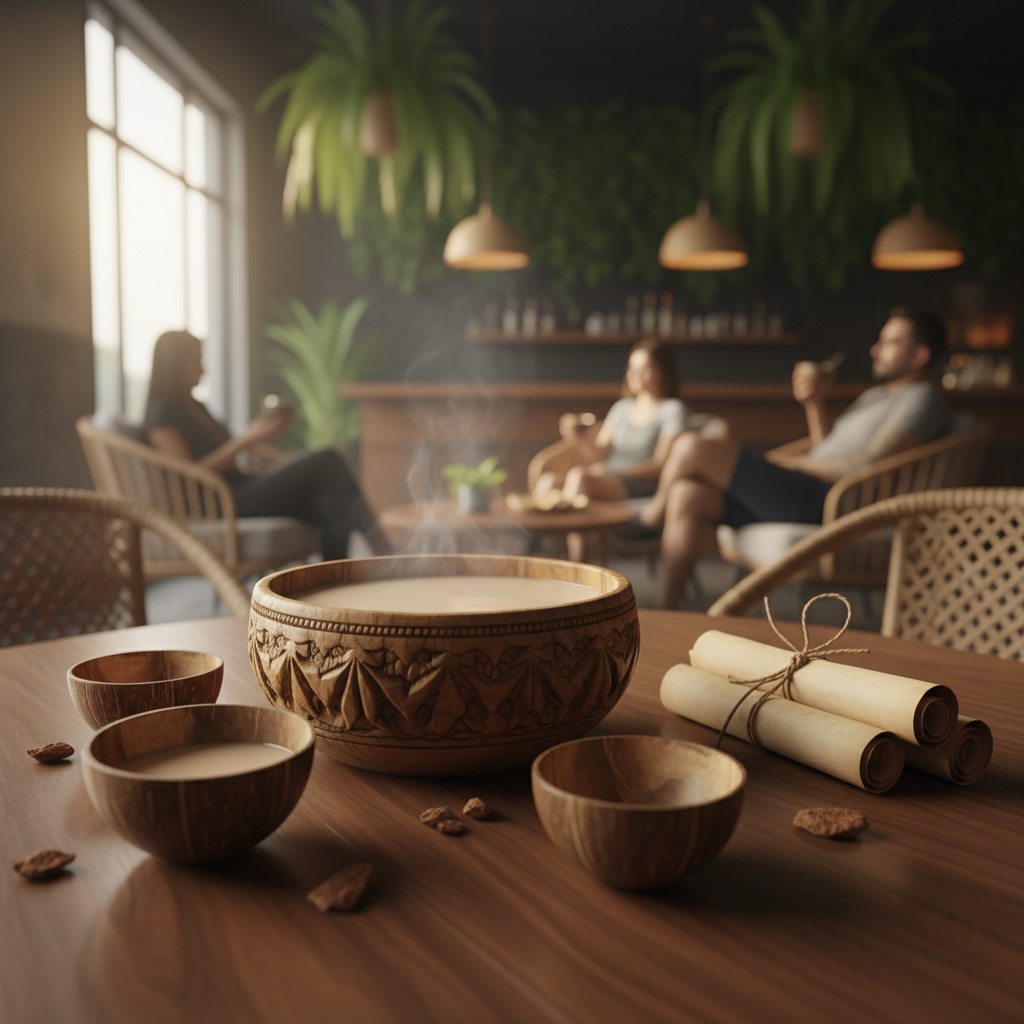
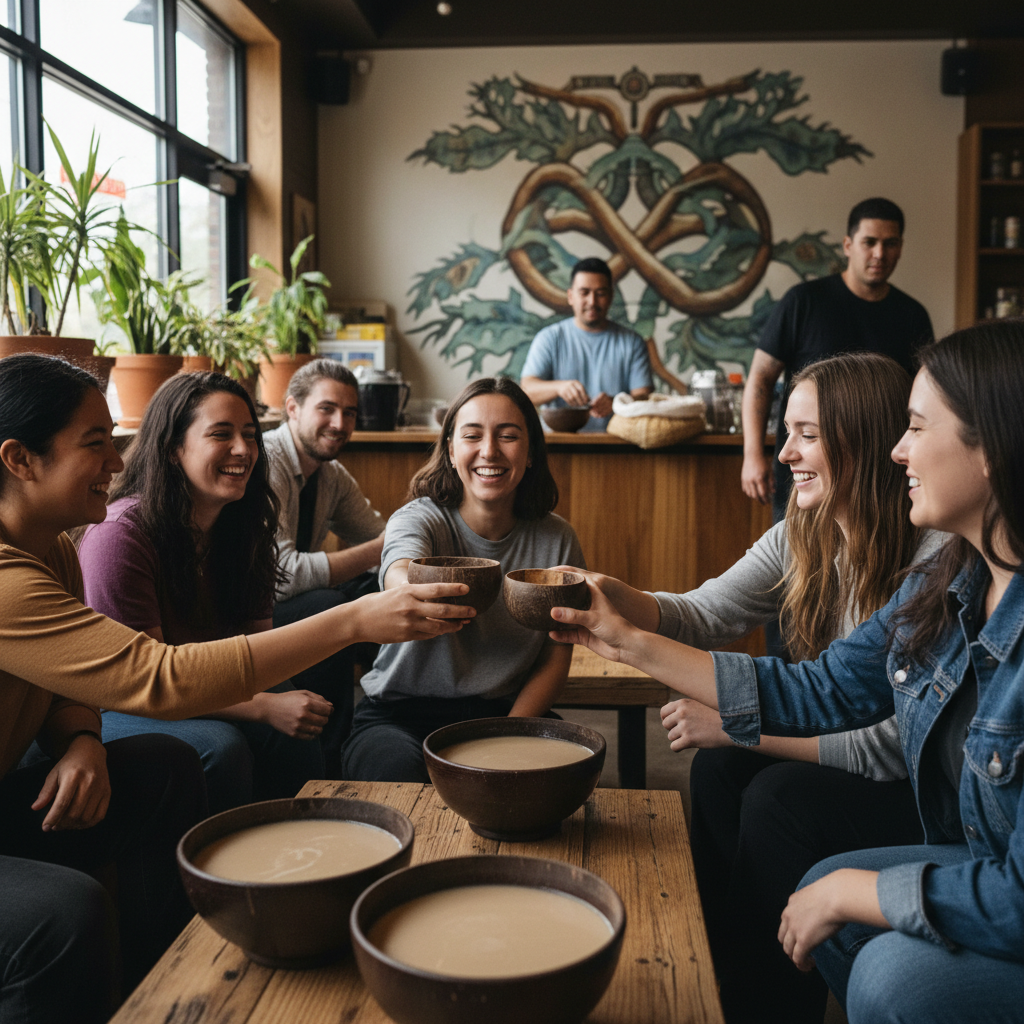
Walk into a kava bar in 2026, and you might feel like you’ve stepped into a fusion of past and present. Many kava bars are embracing traditional aesthetics—think bamboo decor, woven mats, and dim lighting reminiscent of a Fijian nakamal (a traditional kava drinking space). Some even host “kava circles,” where patrons sit together, share stories, and sip kava from coconut shells, mirroring the communal spirit of Pacific Island gatherings.
At the same time, kava bars cater to modern tastes. You’ll find innovative kava-infused mocktails, flavored varieties, and even educational workshops on kava’s history and benefits. Bar owners are increasingly sourcing high-quality kava directly from Pacific growers, ensuring authenticity and supporting sustainable farming practices. This commitment to tradition and quality is resonating with customers who crave meaningful experiences over mere consumption.
For example, a kava bar in California recently gained attention for hosting monthly “cultural nights,” where local Pacific Islander communities share traditional kava preparation methods and folklore. These events not only educate patrons but also preserve the cultural significance of kava in a world where commercialization can sometimes dilute heritage.
Kava’s Benefits: Why the Revival Matters
The resurgence of kava bars isn’t just about aesthetics or nostalgia—it’s also tied to growing awareness of kava’s potential health benefits. Studies over the past decade have suggested that kava may help reduce anxiety, improve sleep quality, and promote relaxation without the addictive properties of alcohol or other substances. Its active compounds, known as kavalactones, are believed to interact with the brain’s GABA receptors, producing a calming effect.
Unlike alcohol, kava doesn’t impair cognitive function or lead to hangovers, making it an appealing alternative for those seeking stress relief. This has positioned kava bars as “sober social spaces,” where people can connect without the pressure to drink alcohol. In an era where mental health is a priority, kava’s natural, non-intoxicating properties are a big draw, fueling the cultural revival and inspiring entrepreneurs to open new venues.
However, it’s worth noting that kava isn’t without controversy. Past concerns about liver toxicity have been largely debunked, with research pointing to improper preparation or adulteration as the culprits in rare adverse cases. Modern kava bars and suppliers are addressing these concerns by prioritizing transparency, offering lab-tested products, and educating consumers on safe consumption practices.
The Role of Community in Kava’s Comeback
One of the most striking parallels between traditional kava culture and modern kava bars is the emphasis on community. In Pacific Island societies, kava was never just a drink—it was a social glue. Today, kava bars are becoming similar anchors for connection, especially for younger generations seeking alternatives to alcohol-centric nightlife.
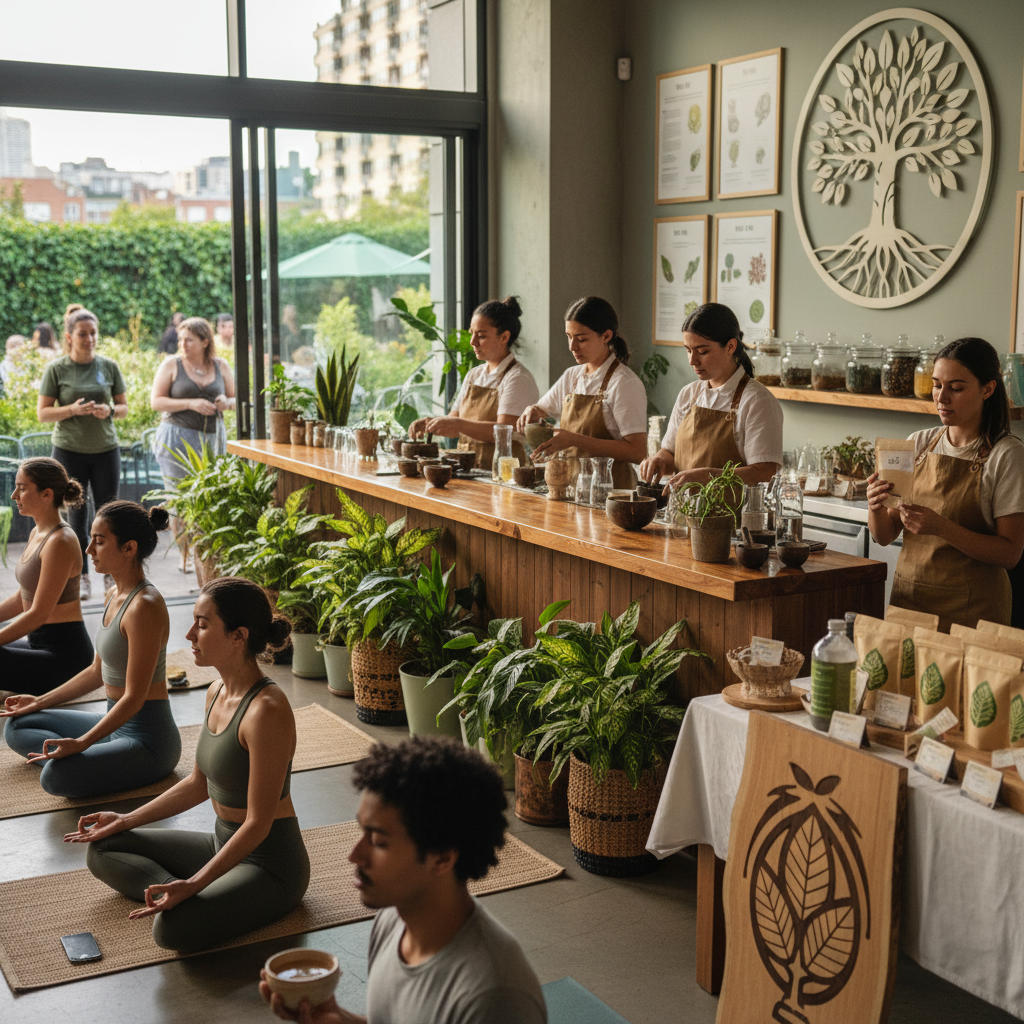
Many kava bar owners report that their spaces attract a diverse crowd—college students, professionals, wellness advocates, and even curious tourists. Regulars often form tight-knit groups, returning not just for the kava but for the sense of belonging. Some bars host live music, poetry readings, or meditation sessions, further enriching the communal experience.
This community focus is also helping kava bars stand out in a crowded wellness market. While kratom, another herbal supplement with its own relaxing and stimulating properties, often competes for attention in the industry, kava’s social and cultural elements give it a unique edge. Kratom is typically consumed privately or sold in powder form for at-home use, whereas kava bars offer an in-person, shared ritual that’s hard to replicate.
Challenges and Opportunities in the Kava Industry
Despite the cultural revival, the kava industry faces challenges. Regulatory hurdles vary widely by country and even within regions, with some areas imposing strict rules on kava sales due to lingering health concerns. Additionally, the supply chain can be complex—kava takes years to mature, and overharvesting poses risks to sustainability. Modern kava bars and suppliers must navigate these issues while maintaining affordability for consumers.
On the flip side, these challenges present opportunities for innovation. Some companies are exploring kava extracts or instant mixes that preserve traditional flavors while streamlining preparation. Others are partnering with Pacific Island farmers to create ethical sourcing models, ensuring that the cultural revival benefits the communities where kava originated.
Looking Ahead: Kava’s Future in Modern Culture
As we move deeper into 2026, the cultural revival of kava shows no signs of slowing down. Kava bars are popping up in unexpected places, from small towns to major cities, each with its own spin on blending tradition with modernity. Industry experts predict that as awareness of kava’s benefits grows, so too will demand for authentic, high-quality products and experiences.
For now, kava bars remain a testament to the power of cultural heritage in shaping wellness trends. They’re more than just places to sip a relaxing drink—they’re spaces where ancient practices meet modern needs, fostering relaxation, connection, and a deeper appreciation for kava’s storied past. Whether you’re a seasoned kava drinker or a curious newcomer, visiting a kava bar might just be your gateway to understanding why this humble root continues to captivate the world.