In 2026, the kava and kratom communities are buzzing with fresh developments. Kava bars across the United States are rolling out innovative blends that cater to evolving consumer tastes, while the kratom industry grapples with new regulatory challenges that could reshape its future. Let’s dive into these exciting updates and explore what they mean for enthusiasts and industry stakeholders alike.
Kava Bars Embrace Creativity with Custom Blends
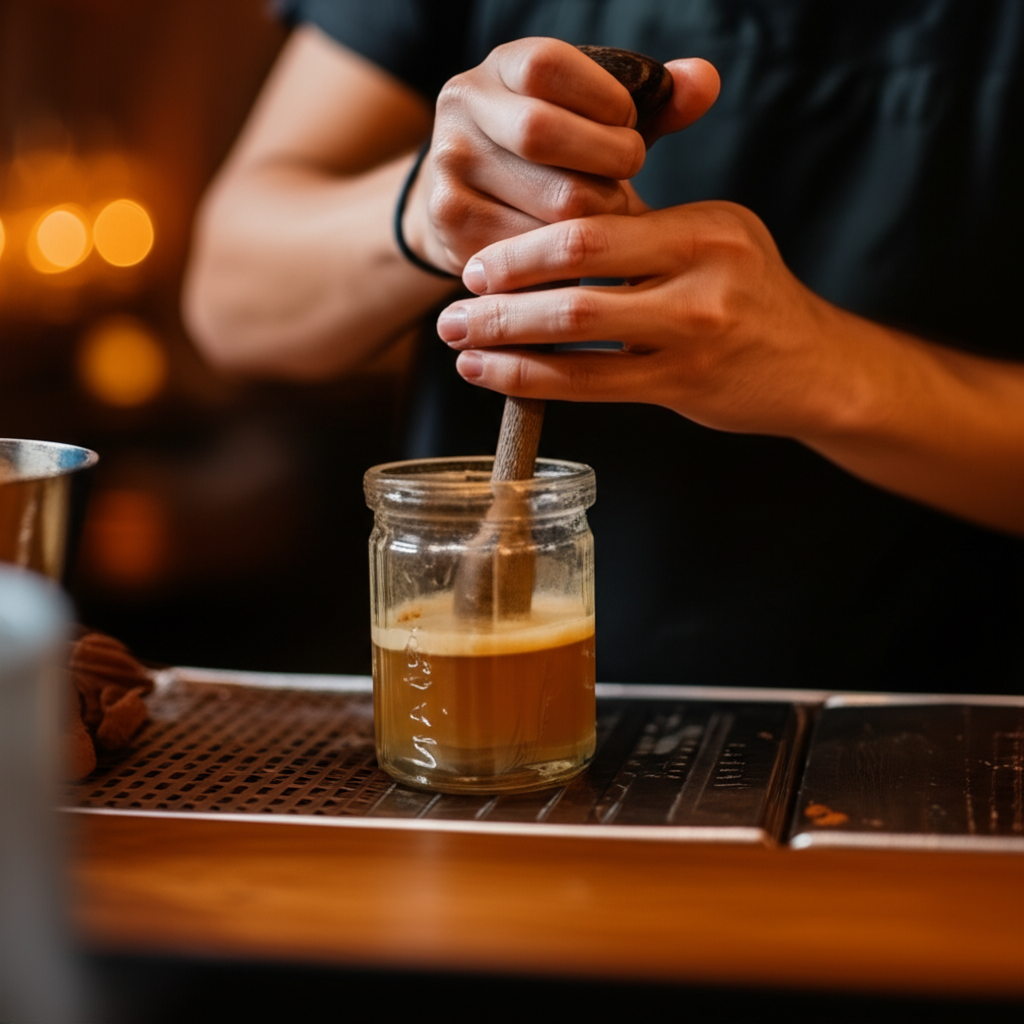
Kava bars, long celebrated as social hubs for relaxation and community, are stepping up their game in 2026 by introducing unique kava blends infused with natural flavors and complementary botanicals. From coastal cities like San Diego to inland hubs like Austin, bar owners are experimenting with recipes to enhance the traditional kava experience while maintaining its cultural authenticity.
One notable trend is the rise of fruit-infused kava drinks. At places like Pacific Roots Kava Lounge in Miami, patrons can now enjoy kava mixed with pineapple and coconut water, masking the earthy bitterness that some newcomers find off-putting. “We want to honor the traditional preparation of kava while making it more approachable for first-timers,” says owner Lila Kamana. “Adding natural flavors helps bridge that gap without losing the calming effects kava is known for.”
Other kava bars are incorporating adaptogenic herbs like ashwagandha or chamomile into their offerings, aiming to amplify kava’s stress-relieving properties. These hybrid drinks are marketed as “next-level relaxation tonics,” appealing to wellness-focused customers seeking natural alternatives to alcohol or caffeine. In Portland, Kava Haven reports a 30% increase in foot traffic since launching their adaptogen-kava menu last month.
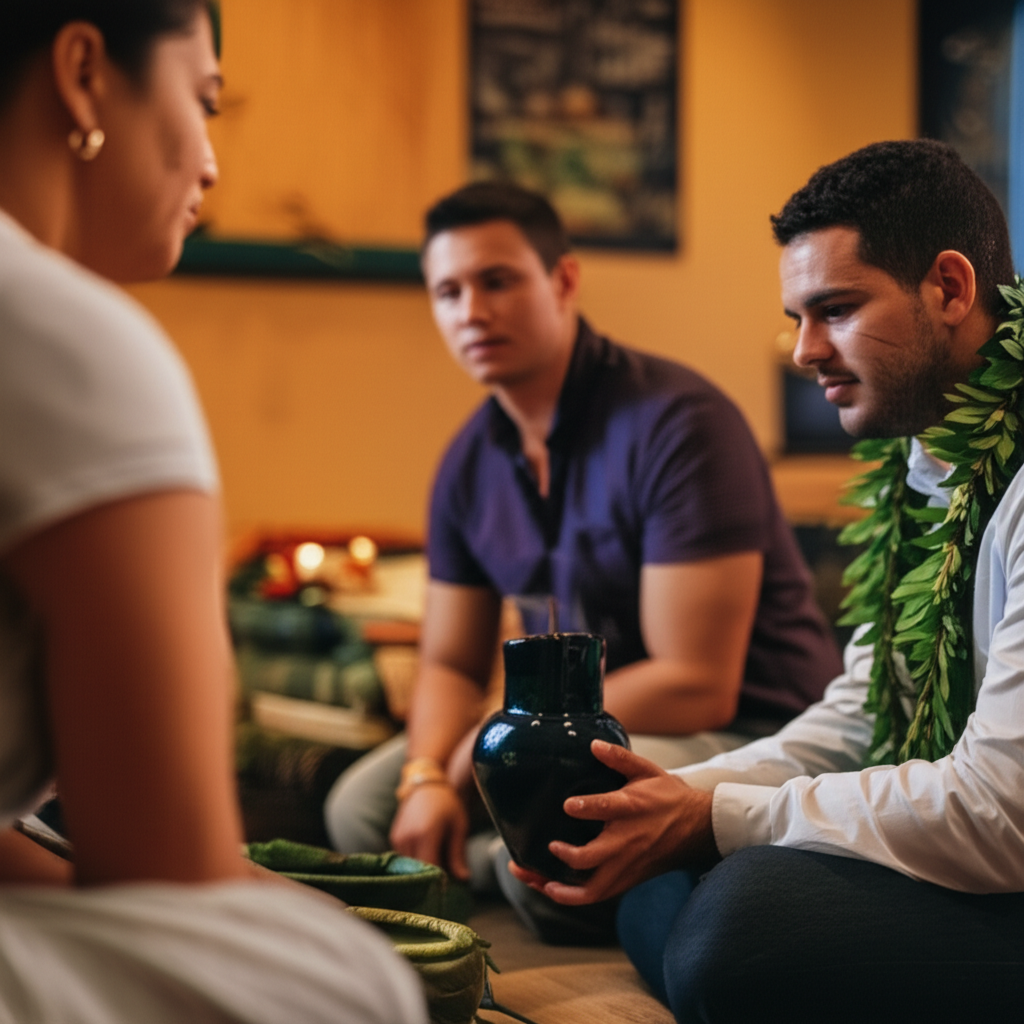
This wave of innovation isn’t just about taste—it’s also about education. Many kava bars are hosting workshops to teach patrons about kava’s origins in the South Pacific, its traditional uses in ceremonies, and the science behind its anxiolytic effects. By fostering a deeper connection to kava culture, these establishments are building loyal communities and ensuring the drink’s legacy endures in modern settings.
Kratom Industry Navigates Regulatory Crossroads
While kava bars flourish, the kratom industry faces a more turbulent landscape in 2026. Kratom, a Southeast Asian plant known for its stimulating and pain-relieving effects, has been under intense scrutiny by federal and state regulators for years. This year, several states have proposed new legislation that could either restrict or standardize kratom sales, creating uncertainty for vendors and consumers.
In early 2026, Texas introduced a bill requiring kratom products to undergo rigorous lab testing for purity and potency before hitting the market. Supporters argue this will protect consumers from contaminated or mislabeled products, a persistent issue in the loosely regulated kratom space. However, small-scale vendors worry that the added costs of compliance could drive them out of business. “We’re all for safety, but these rules might favor big players and hurt the little guys who’ve built this industry from the ground up,” says Mark Tan, owner of a kratom distribution company in Houston.
Meanwhile, advocacy groups like the American Kratom Association (AKA) are pushing for federal recognition of kratom as a dietary supplement, which would provide clearer guidelines and potentially preempt state-level bans. Their efforts gained traction after a recent survey revealed that over 70% of kratom users rely on it for chronic pain management or as an alternative to prescription opioids. “Kratom has changed lives, and we need policies that reflect its benefits rather than demonize it,” an AKA spokesperson stated at a recent press conference.
The regulatory tug-of-war has also sparked innovation within the kratom industry. Some companies are pivoting to educational campaigns, offering detailed guides on safe usage and dosage, while others are investing in third-party testing to build consumer trust. Despite the challenges, industry insiders remain optimistic that 2026 could be a turning point for kratom’s legitimacy if advocacy efforts succeed.
Kava’s Health Benefits Gain Scientific Backing
Amidst the buzz around kava bars and kratom regulations, a new study published in the Journal of Natural Remedies has shed light on kava’s potential health benefits, further cementing its status as a wellness staple. Conducted by researchers at the University of Hawaii, the study explored kava’s active compounds, known as kavalactones, and their impact on anxiety and sleep disorders.
The findings are promising: participants who consumed moderate doses of kava extract reported a significant reduction in anxiety symptoms compared to a placebo group. Additionally, kava appeared to improve sleep quality without the grogginess associated with pharmaceutical sleep aids. “Kava could be a game-changer for those seeking natural solutions for stress and insomnia,” notes lead researcher Dr. Alana Kealoha. “But moderation is key, as excessive use may pose risks to liver health.”
This research aligns with anecdotal reports from kava bar regulars, many of whom describe the drink as a “mental reset” after a long day. However, the study also emphasizes the importance of sourcing high-quality kava, as improperly processed varieties can contain harmful contaminants. Kava bars and vendors are taking note, with many now prioritizing noble kava strains—known for their safety and efficacy—over cheaper alternatives.
What’s Next for Kava and Kratom in 2026?
As we move through 2026, the kava and kratom industries stand at a fascinating crossroads. Kava bars are thriving as cultural and social spaces, blending tradition with innovation to attract diverse audiences. Their focus on community, education, and creative recipes ensures that kava remains more than just a beverage—it’s a lifestyle.
On the other hand, the kratom industry’s future hinges on regulatory outcomes. Whether through state-level testing mandates or federal classification as a supplement, the next few months could define how kratom is perceived and accessed for years to come. For now, advocates and vendors are doubling down on transparency and education to safeguard the plant’s reputation.
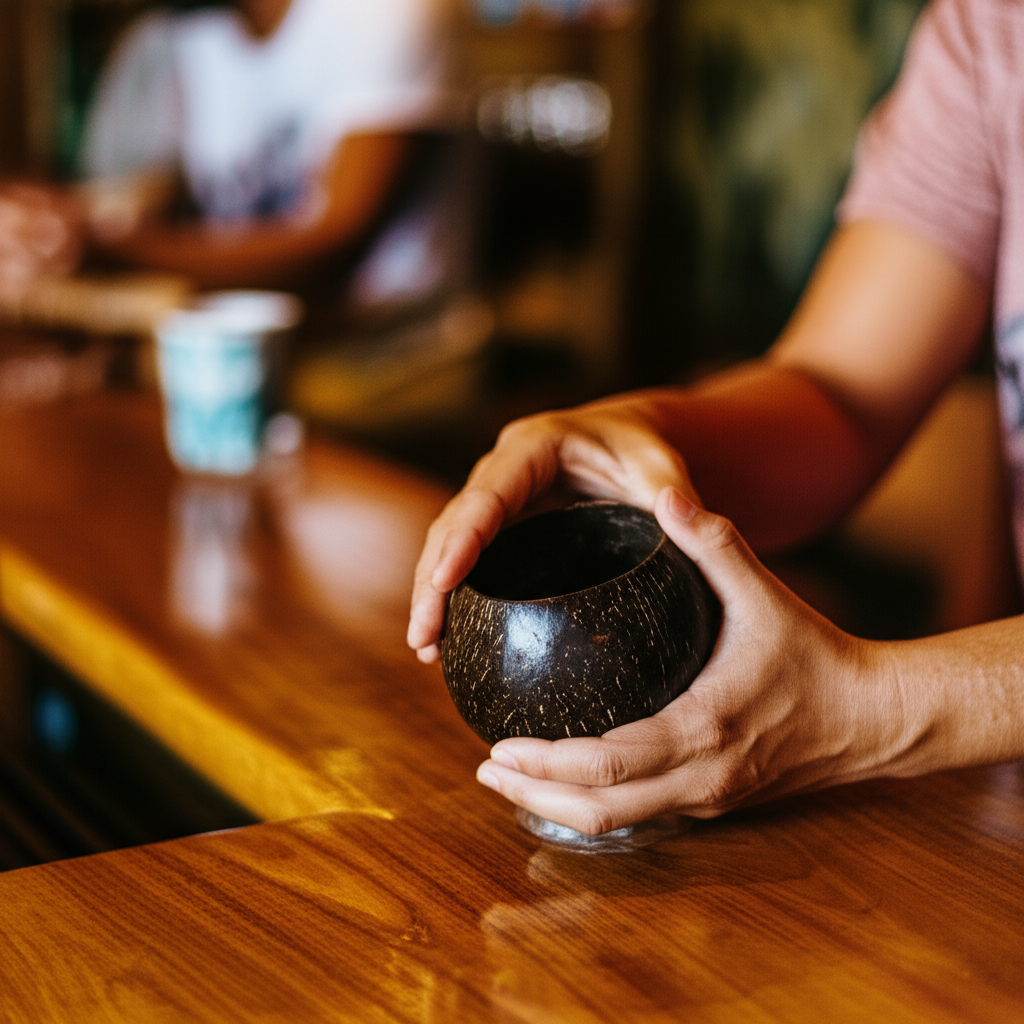
Both kava and kratom continue to captivate users with their unique benefits, from relaxation to pain relief. As scientific research catches up with centuries-old traditions, and as businesses adapt to changing landscapes, one thing is clear: these botanicals are here to stay. Whether you’re sipping a flavored kava shell at a local lounge or following the latest kratom policy updates, there’s never been a more dynamic time to be part of this vibrant community.