In 2026, the kava bar scene is experiencing a remarkable transformation, becoming a cornerstone of modern social life for those seeking alcohol-free relaxation spaces. Across the United States and beyond, kava bars are rolling out innovative tasting events that highlight the rich cultural heritage of kava while introducing new audiences to its calming effects. Meanwhile, the kratom industry is making strides to build consumer trust through enhanced transparency and rigorous testing protocols. Together, these developments signal an exciting era for both kava and kratom enthusiasts.
Kava Bars: A New Era of Social Connection with Tasting Events
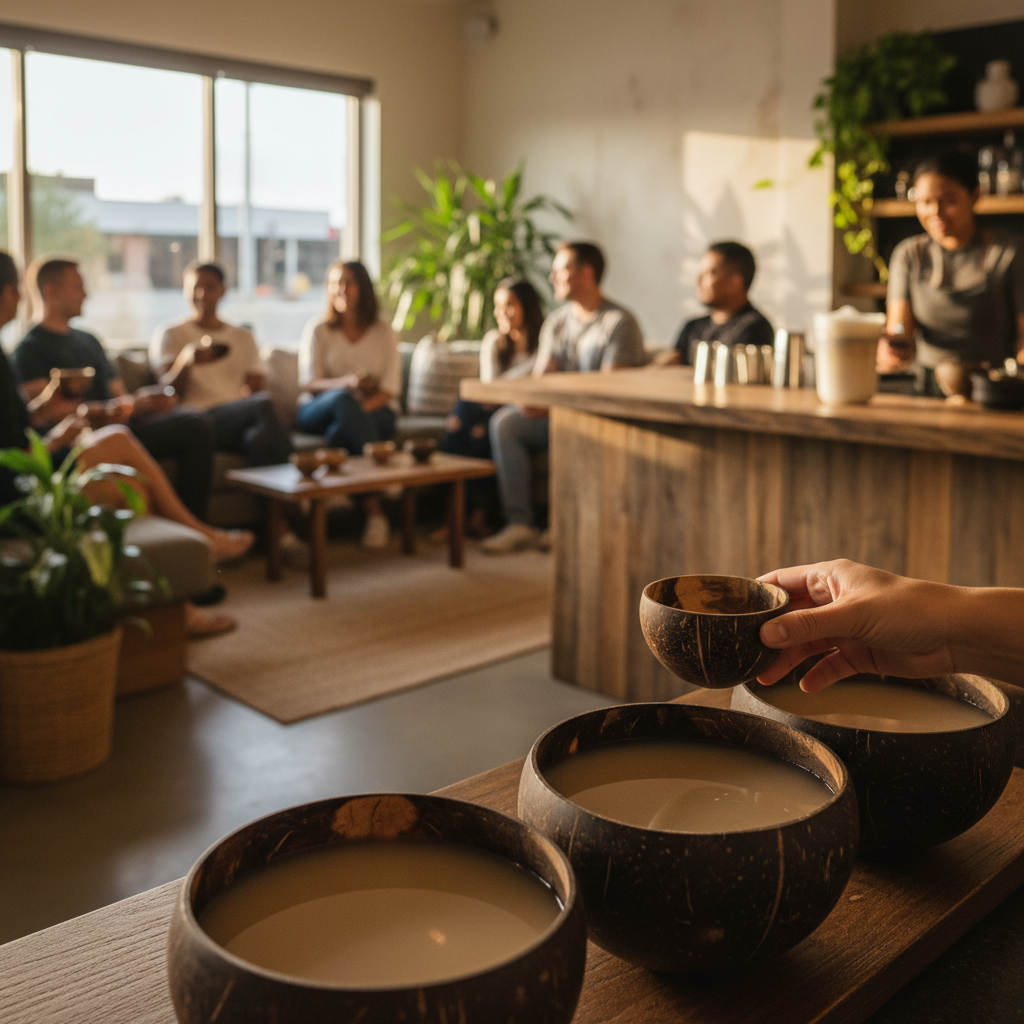
Kava bars have long been celebrated as havens for relaxation, offering a unique alternative to traditional nightlife. This year, many establishments are taking their offerings to the next level by hosting curated kava tasting events. These gatherings allow patrons to sample different kava varieties sourced directly from Pacific Island nations like Fiji, Vanuatu, and Tonga, each with distinct flavors and effects.
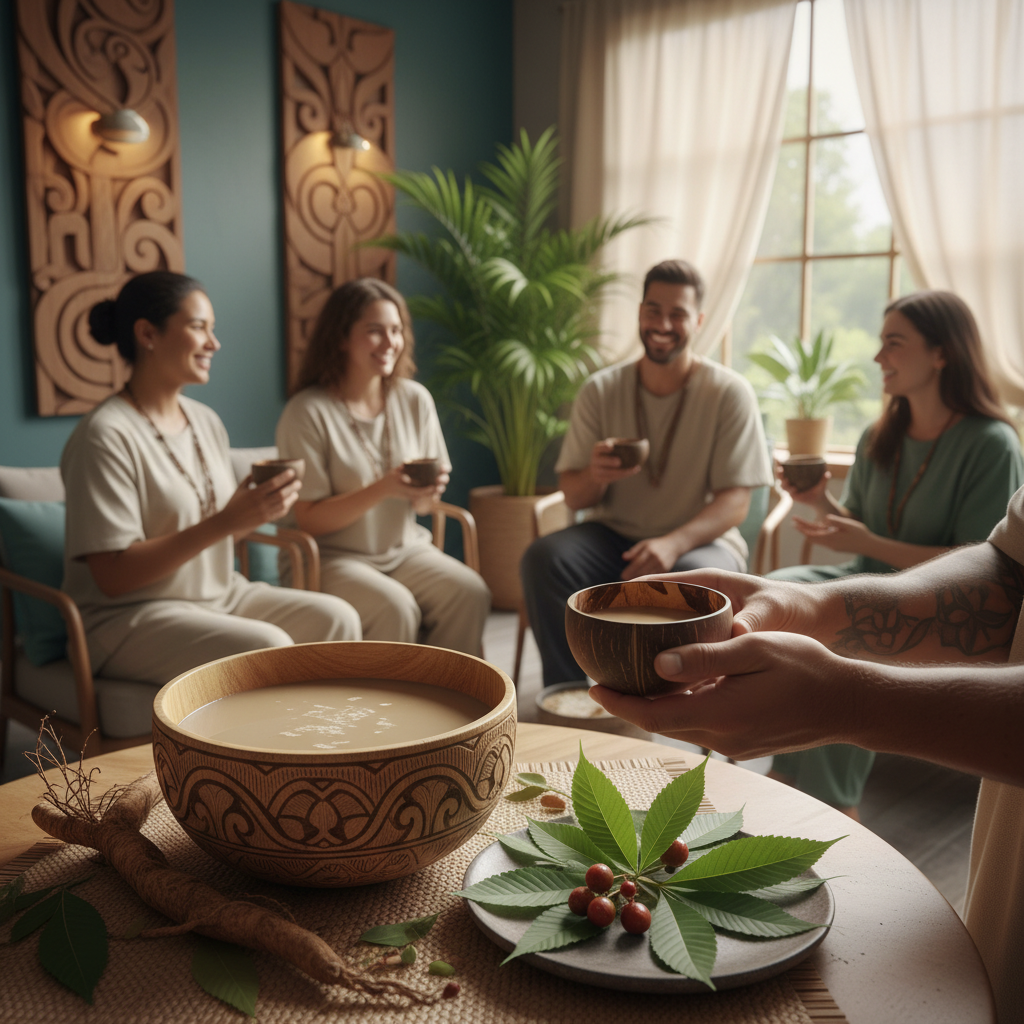
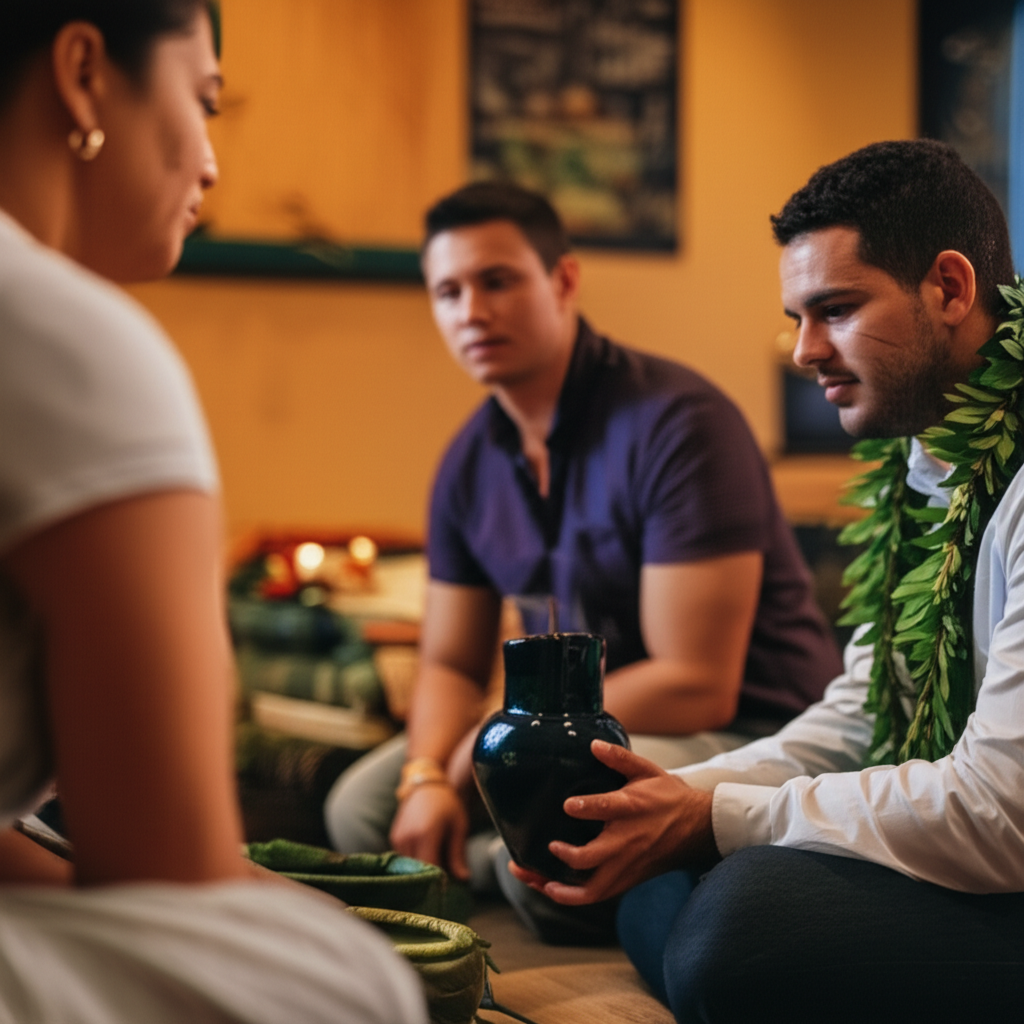
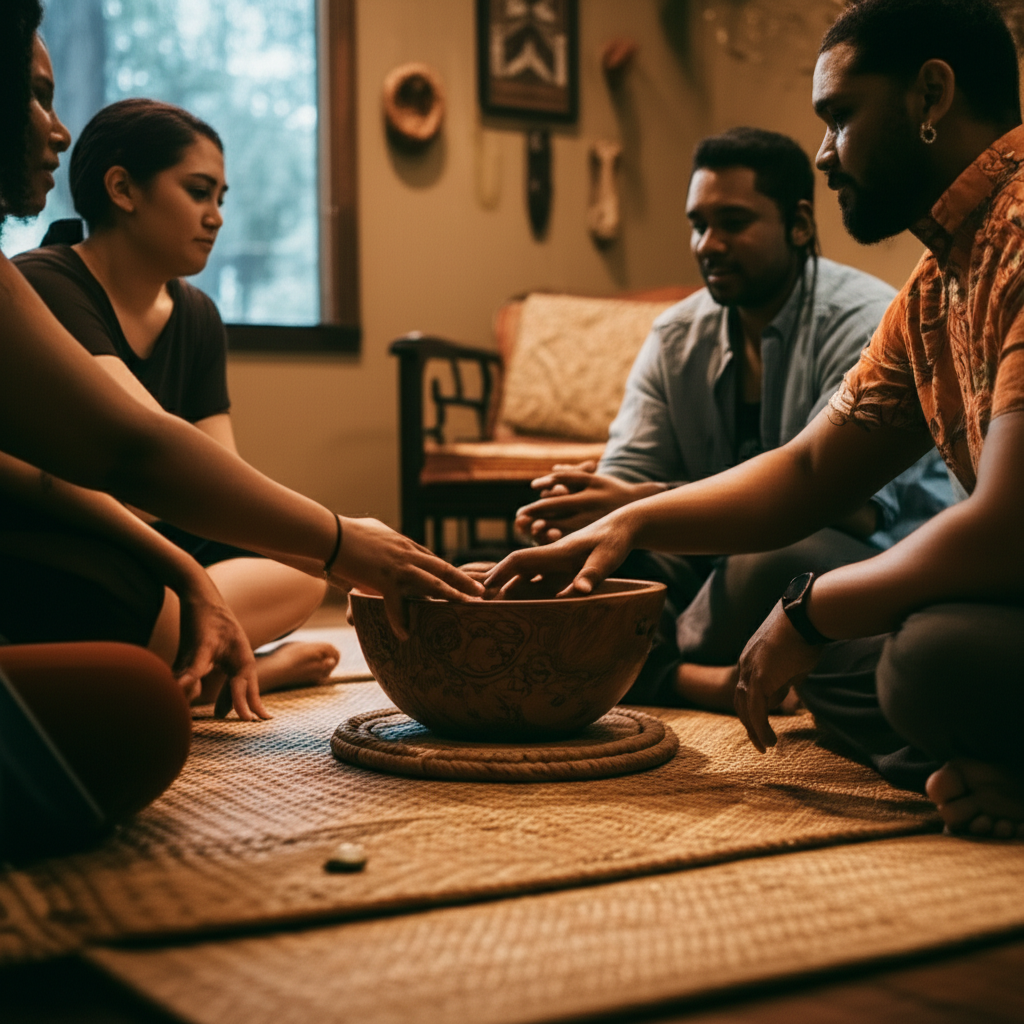
At places like 'Pacific Waves Kava Lounge' in Portland, Oregon, owners are creating immersive experiences that educate attendees about kava’s traditional preparation methods. Guests are invited to participate in mock ceremonies inspired by Polynesian customs, learning how to mix kava root powder with water in a tanoa (a traditional wooden bowl) before sipping the earthy beverage from coconut shells. These events not only foster a deeper appreciation for kava culture but also build tight-knit communities around shared, mindful experiences.
“We’ve seen a 40% increase in foot traffic since launching our monthly tasting nights,” says Malia Kealoha, owner of Pacific Waves. “People are craving authentic, non-alcoholic ways to unwind, and kava provides that in a way that feels both ancient and fresh.”
These tasting events are also a hit on social media, with hashtags like #KavaTasting and #KavaCulture trending among younger demographics. Bars in cities like Los Angeles, Austin, and Miami are capitalizing on this buzz by partnering with local influencers to showcase their unique kava blends, further driving interest in this traditional drink.
Health Benefits of Kava: What Recent Research Reveals
Adding fuel to the kava bar boom is a growing body of research underscoring kava’s potential health benefits. A 2026 study published by the Pacific Herbal Research Institute found that kavalactones—the active compounds in kava—may significantly reduce symptoms of mild anxiety and promote better sleep quality when consumed in moderation. The study, which involved over 500 participants, noted that kava’s effects are most pronounced in social settings, where its mild sedative properties help ease stress without impairing cognitive function.
This research aligns with anecdotal reports from kava bar regulars who describe feeling a gentle wave of calm after drinking kava, often likening it to a natural form of meditation. Unlike alcohol, kava doesn’t lead to hangovers or dependency, making it an appealing choice for health-conscious individuals. However, experts caution that kava should be sourced from reputable vendors to avoid potential liver toxicity risks associated with poor-quality products—a reminder of the importance of supporting ethical kava bars and suppliers.
Kratom Industry: Building Trust Through Transparency
While kava bars steal the spotlight in social spheres, the kratom industry is quietly working to solidify its reputation among consumers in 2026. Kratom, a Southeast Asian herb known for its stimulating and pain-relieving properties, has faced scrutiny over inconsistent quality and regulatory challenges in recent years. This year, however, industry leaders are doubling down on efforts to ensure safety and reliability.
The American Kratom Association (AKA) has introduced a new certification program for vendors, requiring third-party lab testing for purity and alkaloid content. Over 50 major kratom suppliers have already joined the initiative, displaying certification seals on their packaging to reassure buyers. “Our goal is to eliminate bad actors and give consumers confidence in what they’re purchasing,” says AKA spokesperson Daniel Rivera. “Transparency is the foundation of trust.”
Additionally, kratom farmers in Indonesia and Thailand are receiving training on sustainable harvesting practices to meet rising global demand without compromising quality. These efforts are crucial as kratom gains traction not only as a wellness supplement but also as a subject of scientific inquiry into its potential for pain management and mood enhancement.
While kava and kratom serve different purposes—kava for relaxation and kratom for energy or relief—they share a common thread: a commitment to cultural roots and consumer safety. This synergy is evident at hybrid kava-kratom lounges popping up in urban centers, where patrons can explore both botanicals under one roof with expert guidance.
The Future of Kava and Kratom: A Shared Path Forward
As kava bars continue to innovate with tasting events and cultural immersion, they’re not just selling a drink—they’re selling an experience rooted in tradition and community. Simultaneously, the kratom industry’s push for transparency ensures that users can engage with the herb confidently, knowing it meets high standards.
For those new to these botanicals, visiting a kava bar or researching certified kratom vendors is a great starting point. Whether you’re drawn to the soothing effects of kava during a tasting night or curious about kratom’s energizing potential, 2026 is shaping up to be a landmark year for both industries.
Have you attended a kava tasting event or explored kratom products recently? Share your experiences in the comments—we’d love to hear how these ancient herbs are fitting into your modern life!