As we move deeper into 2026, the kava and kratom industries continue to evolve, with kava bars taking center stage by reviving time-honored preparation methods and the kratom sector prioritizing ethical sourcing practices. This dual focus not only highlights the cultural and health significance of these botanicals but also underscores the industries' commitment to sustainability and authenticity. Let’s dive into the latest developments shaping the world of kava bars and kratom this year.
Kava Bars Bring Back Traditional Recipes with a Modern Twist
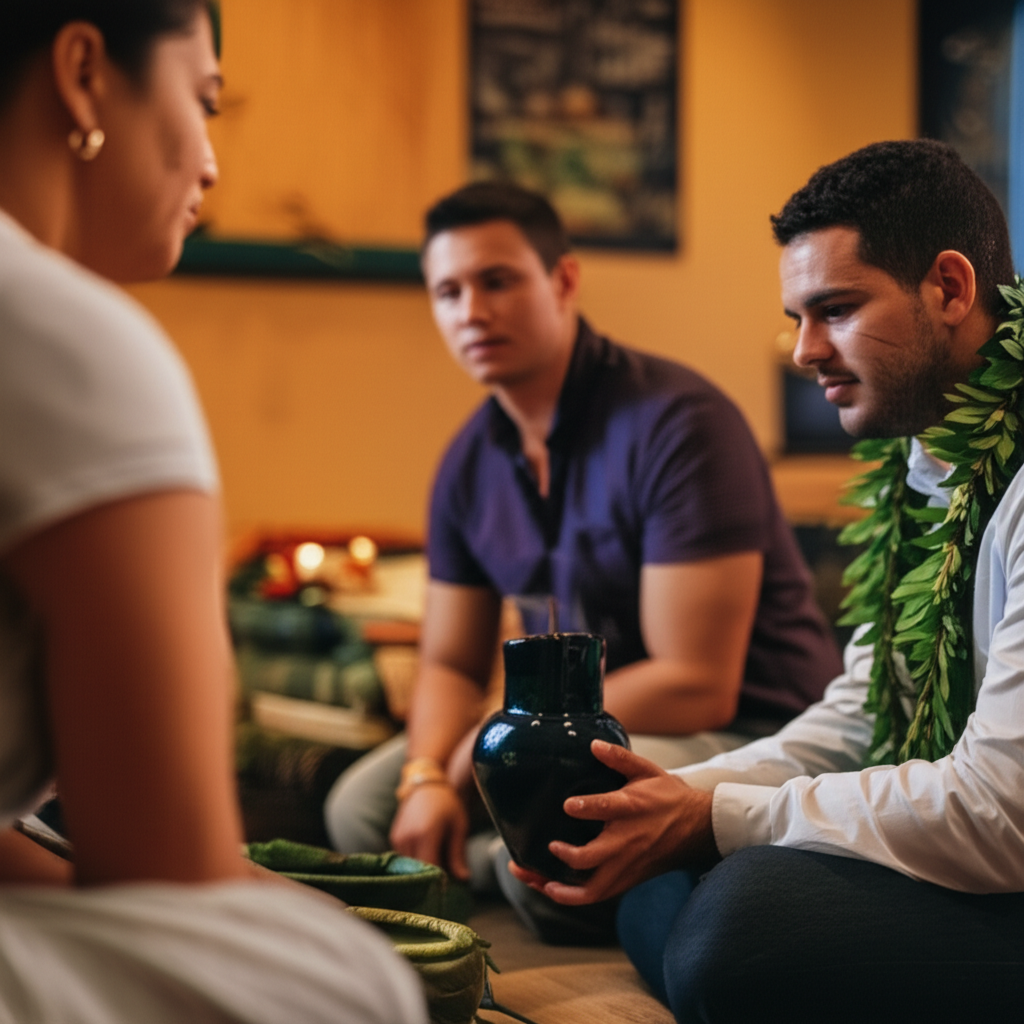
Across the United States, kava bars are experiencing a renaissance, driven by a renewed interest in authentic Polynesian traditions. In 2026, many kava bars are differentiating themselves by focusing on traditional recipes that honor the roots of kava culture. These establishments are sourcing high-quality kava root directly from Pacific Island farmers, ensuring that the product remains pure and potent. At places like Pacific Calm Kava Lounge in California, bar owners are educating patrons on the ancient art of kava preparation, often hosting live demonstrations of straining kava through natural cloths—a method used for centuries in Fiji, Tonga, and Vanuatu.
This return to tradition isn’t just about nostalgia; it’s also about preserving the integrity of kava’s effects. Many kava enthusiasts believe that modern processing methods can diminish the plant’s natural kavalactones—compounds responsible for its calming properties. By sticking to old-school techniques, kava bars are offering a more authentic experience, often described by patrons as a deeper, more grounding relaxation compared to pre-mixed or powdered alternatives.
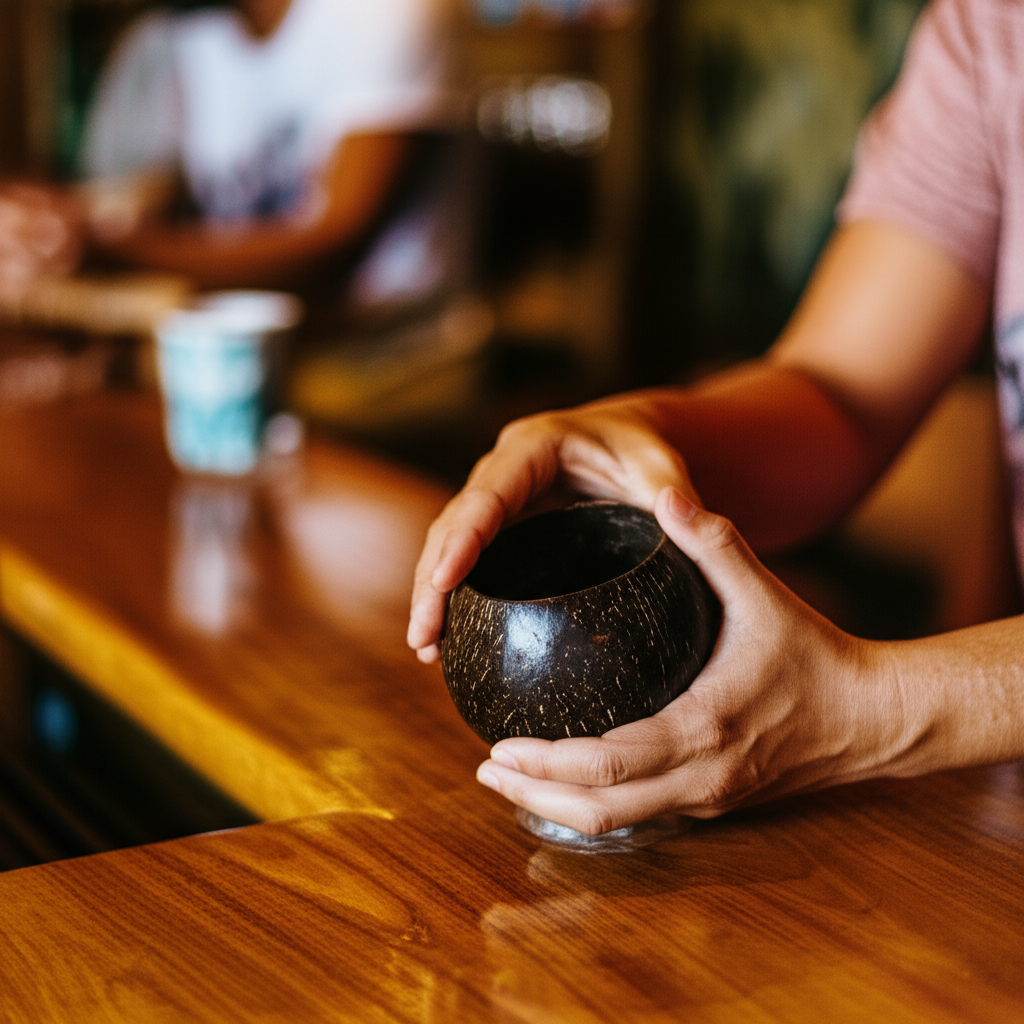
Moreover, kava bars are blending tradition with innovation. Some are introducing themed nights where customers can learn about the cultural significance of kava while sipping on creatively named drinks like “Island Serenity” or “Tongan Tide.” These initiatives are not only boosting foot traffic but also fostering a sense of community, a core value of kava culture. As one bar owner in Florida shared, “Kava isn’t just a drink; it’s a connector. We’re seeing people form real friendships over a shell of kava, just like in the Pacific Islands centuries ago.”
New Research Reinforces Kava’s Health Benefits
Adding fuel to the kava bar boom is a wave of recent studies underscoring kava’s potential health benefits. A 2026 research paper published by the University of Herbal Sciences explored kava’s role in reducing anxiety without the side effects associated with pharmaceutical alternatives. The study, which involved over 500 participants, found that regular, moderate kava consumption led to a significant decrease in stress markers over a 12-week period. Researchers noted that kava’s active compounds, kavalactones, interact with brain receptors in a way that promotes relaxation without impairing cognitive function—a key advantage for those seeking natural stress relief.
These findings are a game-changer for the kava industry, as they provide scientific backing for what Pacific Islanders have known for generations. Kava bars are leveraging this data in their marketing, with many displaying informational posters or hosting talks by herbalists to educate curious newcomers. However, experts caution that quality matters. Low-grade kava or improper preparation can lead to adverse effects like nausea or lethargy, reinforcing the importance of the traditional methods being adopted by kava bars this year.
Kratom Industry Shifts Toward Ethical Sourcing and Transparency
While kava bars steal the spotlight with cultural revival, the kratom industry is navigating its own transformative journey in 2026. With growing consumer awareness, kratom vendors are under pressure to ensure their products are sourced ethically and sustainably. Kratom, a tropical tree native to Southeast Asia, has gained popularity for its potential to support energy, focus, and pain relief. However, concerns over deforestation and labor practices in regions like Indonesia have prompted industry leaders to take action.
This year, several major kratom suppliers have partnered with local farmers to implement fair trade practices. Organizations like the Southeast Asia Kratom Collective are working to certify kratom products as sustainably harvested, ensuring that farmers receive fair wages and that harvesting methods don’t harm the environment. “We want kratom to be a force for good, not just for consumers but for the communities growing it,” said a spokesperson for the Collective at a recent industry summit.
Transparency is also becoming a buzzword in the kratom market. With regulatory scrutiny still looming in many countries, vendors are investing in third-party lab testing to verify the purity and alkaloid content of their products. Labels now often include detailed information about strain origins, harvest dates, and batch testing results. For consumers, this shift means greater confidence in the kratom they purchase, whether it’s a powder, capsule, or extract.
Challenges and Opportunities Ahead for Both Industries
Despite these positive strides, both the kava and kratom industries face hurdles. For kava bars, scaling traditional methods to meet growing demand can be labor-intensive and costly. Additionally, misinformation about kava’s safety—stemming from outdated studies linking low-quality kava to liver issues—still lingers, requiring ongoing education efforts. On the kratom side, inconsistent regulations across states and countries continue to create uncertainty for vendors and consumers alike.
Yet, the opportunities are immense. Kava bars are poised to become even more mainstream as wellness trends favor natural alternatives to alcohol and caffeine. Meanwhile, the kratom industry’s push for ethical sourcing could set a precedent for other herbal markets, building trust and loyalty among users.
As 2026 unfolds, it’s clear that both kava and kratom are more than just trends—they’re rooted in cultural heritage and backed by growing scientific interest. Whether you’re unwinding with a shell of kava at a local bar or exploring kratom’s benefits through a trusted vendor, these botanicals offer unique paths to relaxation and well-being. Stay tuned for more updates as we continue to cover the dynamic world of kava and kratom.