As we move deeper into 2026, the kava and kratom communities are witnessing exciting developments that highlight both cultural celebration and industry responsibility. Kava bars across the United States are rolling out innovative cultural immersion events, bringing the rich traditions of the Pacific Islands to life for a growing audience. Meanwhile, the kratom industry is making significant strides in addressing supply chain sustainability, ensuring ethical sourcing and quality for consumers. Let’s dive into these two pivotal trends shaping the kava and kratom landscape this year.
Kava Bars Reimagine Social Spaces with Cultural Immersion Events
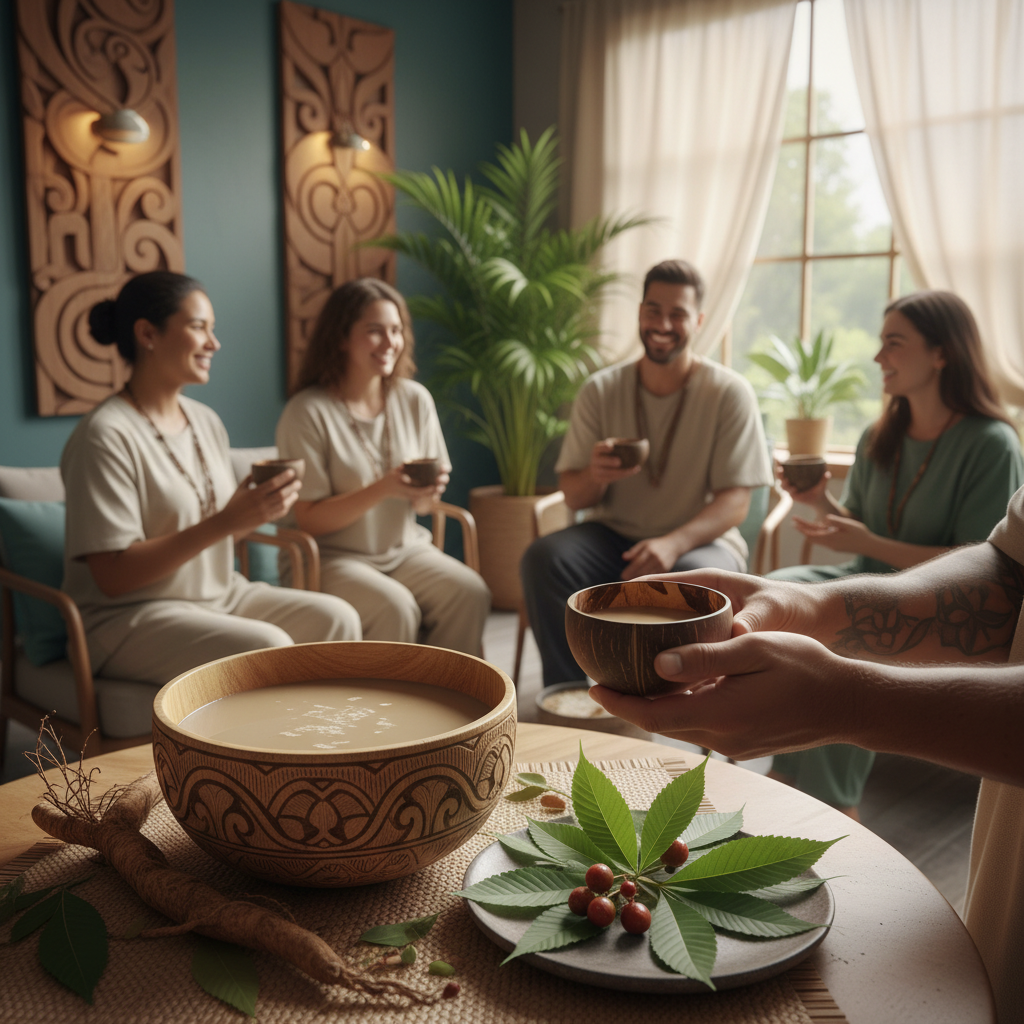
Kava bars have long been cherished as unique social hubs where people gather to relax, unwind, and enjoy the calming effects of kava, a traditional drink made from the roots of the Piper methysticum plant. In 2026, these venues are taking their mission a step further by hosting cultural immersion events that educate patrons about the origins and significance of kava in Pacific Island communities, particularly in places like Fiji, Vanuatu, and Tonga.
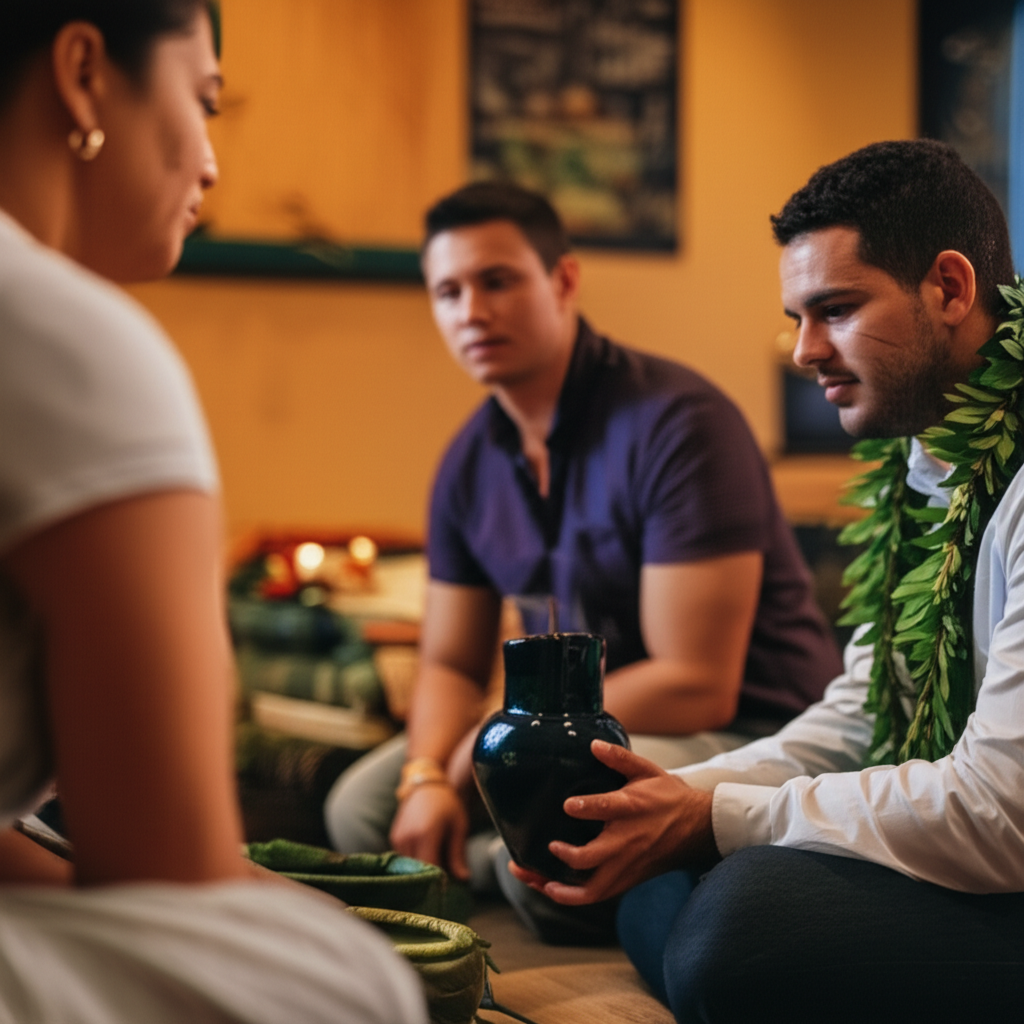
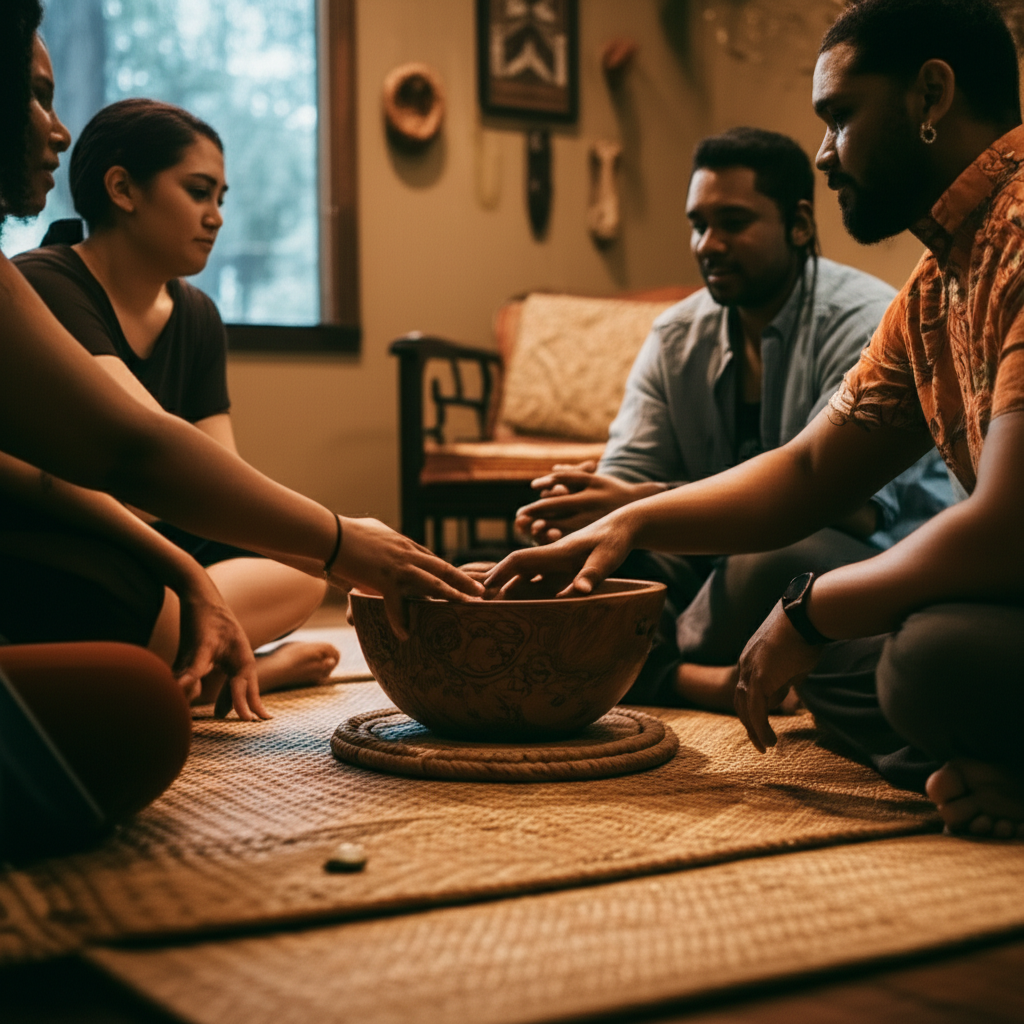
From traditional kava ceremonies led by knowledgeable hosts to live performances of Polynesian music and dance, these events are designed to foster a deeper appreciation for kava’s cultural roots. For example, Kava Haven, a popular chain with locations in California and Florida, recently launched a monthly “Kava Roots Night,” where guests participate in a guided preparation of kava using authentic methods. Attendees learn about the plant’s history, its role in community bonding, and the spiritual significance behind its consumption.
“We want our customers to feel connected to the culture behind kava, not just the drink itself,” says Mele Tui, owner of Kava Haven. “These events are a way to honor the traditions of the Pacific Islands while creating a welcoming space for everyone to experience something new.”
Other kava bars are following suit, incorporating storytelling sessions where elders or cultural ambassadors share legends and folklore tied to kava. Some venues are even partnering with local artisans to sell handmade crafts, further supporting Pacific Island communities. This trend not only enriches the kava bar experience but also positions these spaces as cultural educators, helping to preserve and promote kava’s heritage in a modern context.
Kava’s Growing Appeal: A Safe Haven for Relaxation
The rise of cultural immersion events comes at a time when kava’s popularity continues to soar, largely due to its well-documented benefits for relaxation and stress relief. Recent studies, including a 2026 review published by the Journal of Herbal Medicine, have reaffirmed kava’s potential to reduce anxiety without the side effects associated with pharmaceutical alternatives. The active compounds in kava, known as kavalactones, interact with the brain to promote a sense of calm, making it a natural choice for those seeking reprieve from the fast-paced modern world.
Kava bars are capitalizing on this appeal by offering a sanctuary-like atmosphere where patrons can disconnect and recharge. Unlike traditional nightlife venues, kava bars prioritize low-key vibes, dim lighting, and comfortable seating—perfect for intimate conversations or quiet reflection. With cultural immersion events adding an educational layer, these spaces are becoming more than just places to drink kava; they’re destinations for holistic well-being and cultural discovery.
Kratom Industry Focuses on Sustainable Supply Chains
While kava bars are thriving with innovative experiences, the kratom industry is tackling a critical issue in 2026: supply chain sustainability. Kratom, derived from the leaves of the Mitragyna speciosa tree native to Southeast Asia, has gained a loyal following for its potential to support energy, focus, and pain management. However, the rapid growth in demand has raised concerns about overharvesting, deforestation, and fair labor practices in producing regions like Indonesia and Thailand.
In response, leading kratom vendors and advocacy groups, such as the American Kratom Association (AKA), are pushing for stricter sustainability standards. This year, several major suppliers have committed to working exclusively with farmers who adhere to ethical harvesting practices. These initiatives include replanting programs to prevent deforestation, fair wage agreements for local workers, and transparent tracking systems to ensure product integrity from farm to consumer.
“Sustainability isn’t just a buzzword for us; it’s a necessity,” says Dedi Santoso, a kratom farmer from Borneo who recently joined a cooperative supported by international vendors. “By working with companies that care about the land and our communities, we can ensure kratom production benefits everyone involved.”
Additionally, some kratom brands are investing in consumer education, providing detailed information about their sourcing practices on product labels and websites. This transparency helps build trust with users who are increasingly conscious of the environmental and social impact of their purchases. As these efforts gain traction, the kratom industry is setting a precedent for responsible growth, potentially influencing other herbal supplement markets.
The Intersection of Kava and Kratom Communities
Interestingly, the kava and kratom communities often overlap, with many enthusiasts exploring both botanicals for their complementary effects. While kava is celebrated for its relaxing properties, kratom offers a spectrum of benefits depending on the strain and dosage, ranging from stimulation to sedation. Some kava bars have even begun offering kratom-infused drinks or powders alongside their kava menus, though this remains a controversial topic due to differing regulatory landscapes.
Both industries, however, share a common goal: to preserve the integrity of their products while meeting the needs of a growing audience. Whether through cultural immersion events at kava bars or sustainable sourcing in the kratom trade, 2026 is proving to be a year of meaningful progress for these niche markets.
What’s Next for Kava and Kratom in 2026?
As kava bars continue to innovate with cultural events, we can expect to see even more creative programming, such as kava-tasting workshops or partnerships with wellness influencers to promote the drink’s benefits. On the kratom front, the focus on sustainability is likely to intensify, with potential new certifications or industry-wide guidelines emerging to standardize ethical practices.
For now, enthusiasts of kava and kratom have much to celebrate. Whether you’re sipping a bowl of kava at a local bar while learning about Pacific Island traditions or choosing a kratom product with a verified sustainable source, you’re part of a movement that values culture, community, and responsibility. Stay tuned for more updates as these industries evolve throughout 2026!