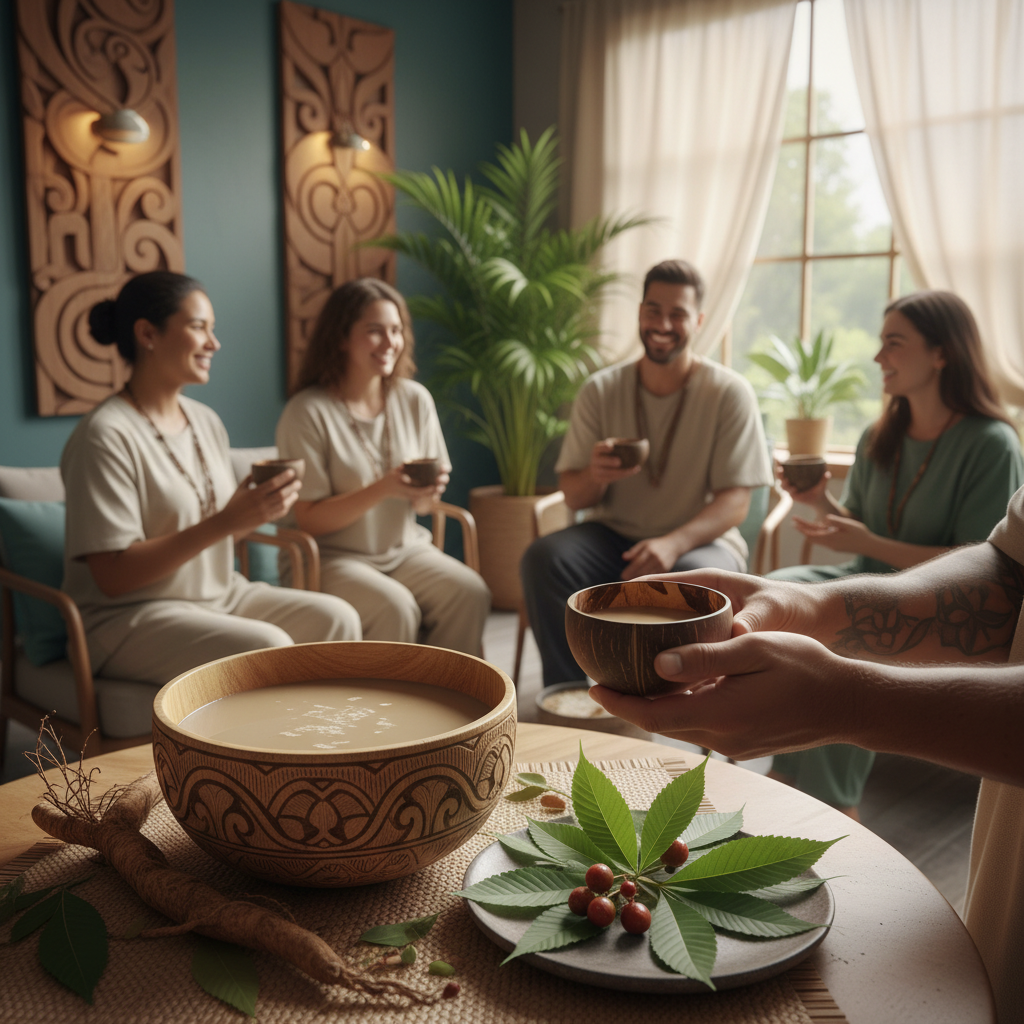
In recent years, kava bars have emerged as unique social hubs for those seeking a natural alternative to alcohol or caffeine. As of 2026, these cozy establishments are popping up in cities across the United States, offering a space to unwind with a shell of kava, a traditional Polynesian drink known for its relaxing properties. Alongside this trend, groundbreaking research continues to explore kava’s potential health benefits, while the kratom industry faces its own set of challenges and opportunities. Let’s dive into the latest developments in the world of kava and kratom.
The Rise of Kava Bars: A New Social Scene
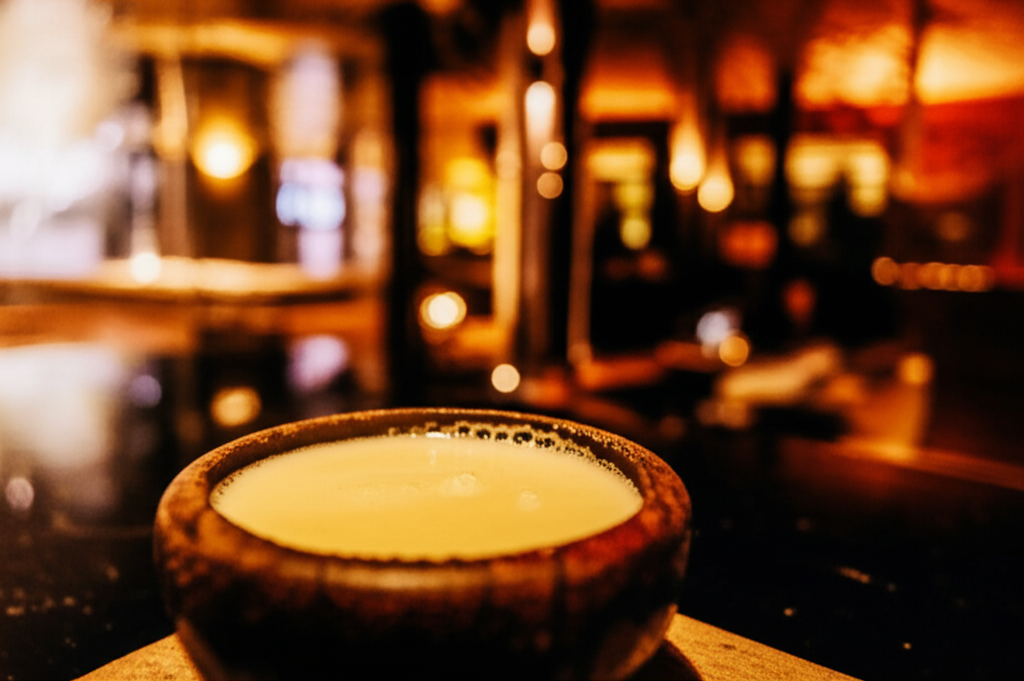
Kava bars are no longer just a niche concept confined to coastal towns or Pacific Islander communities. From Seattle to Miami, these bars are becoming a go-to spot for people looking to de-stress without the buzz of alcohol. In 2026, industry reports estimate that over 200 kava bars are now operating nationwide, a significant jump from just a few dozen a decade ago. These venues often feature a laid-back vibe, with dim lighting, communal seating, and menus boasting a variety of kava strains and blends.
At places like Pacific Kava Lounge in Portland, Oregon, patrons can choose from traditional kava drinks prepared with ceremonial flair or modern twists like kava-infused mocktails. “We’ve seen a huge influx of curious newcomers,” says owner Malia Tui, who opened her bar in 2024. “People are drawn to the idea of relaxation without the hangover. Kava offers a way to connect with others in a mindful, intentional space.”
This surge in popularity isn’t just anecdotal. A recent survey by the Kava Industry Association revealed that 65% of kava bar visitors are first-timers seeking natural stress relief. Many are also drawn by the cultural experience, as kava bars often educate patrons about the drink’s roots in Pacific Island traditions, where it has been consumed for centuries during ceremonies and social gatherings.
New Research Highlights Kava’s Potential for Anxiety Relief
Adding fuel to the kava bar boom is a wave of new scientific interest in kava’s health benefits. A 2026 study published in the Journal of Herbal Medicine examined the effects of kavalactones, the active compounds in kava root, on the central nervous system. The results were promising: participants who consumed moderate doses of kava reported a significant reduction in anxiety symptoms compared to a placebo group.
Dr. Leilani Kapua, a lead researcher on the study, noted, “Kava appears to interact with GABA receptors in the brain, promoting a calming effect without the sedative heaviness of pharmaceuticals. This could make it a valuable tool for managing everyday stress.” While the study emphasizes the need for further research—particularly on long-term use and optimal dosing—it’s a step forward in validating kava’s traditional use as a relaxant.
However, the research also comes with a caveat. Past concerns about kava’s potential impact on liver health, which led to temporary bans in some countries in the early 2000s, are still under scrutiny. The latest studies suggest that adverse effects are rare and often linked to poor-quality kava or excessive consumption. As a result, kava bar owners and vendors are increasingly prioritizing transparency, sourcing high-quality, noble kava varieties directly from trusted farmers in Fiji, Vanuatu, and Tonga.
Kratom Industry Updates: Navigating a Complex Landscape
While kava enjoys a relatively positive spotlight, the kratom industry continues to grapple with regulatory hurdles and public perception challenges in 2026. Kratom, a Southeast Asian herb related to the coffee plant, has gained a loyal following for its reported pain-relieving and mood-boosting effects. However, its legal status remains a patchwork across the U.S., with some states imposing bans while others allow sales under strict guidelines.
This year, the American Kratom Association (AKA) has ramped up efforts to advocate for standardized regulations, pushing for the Kratom Consumer Protection Act (KCPA) at the federal level. The KCPA aims to ensure product safety by mandating testing for contaminants and clear labeling of alkaloid content. “Our goal is to protect consumers while preserving access to this natural botanical,” says AKA spokesperson Jenna Lim. “Misinformation and unregulated products have hurt kratom’s reputation, but we’re working to change that.”
Despite these challenges, kratom sales continue to grow, particularly through online vendors and specialty shops. Some kava bars have even begun offering kratom teas or powders alongside their kava menus, though this crossover remains controversial due to kratom’s more stimulant-like effects at lower doses. Industry analysts predict that if federal regulations are clarified, kratom could see a mainstream surge similar to kava’s current trajectory.
What’s Next for Kava and Kratom?
As kava bars carve out a permanent spot in American nightlife, they’re also inspiring innovation. Some establishments are experimenting with kava-infused snacks, while others host workshops on kava preparation and cultural history. Meanwhile, the kratom industry watches closely, hoping to mirror kava’s success by building trust through education and advocacy.
For consumers, the key takeaway is clear: both kava and kratom offer unique natural alternatives, but they come with a responsibility to consume mindfully. Whether you’re sipping kava at a local bar or exploring kratom products online, always prioritize quality and moderation. As research and regulations evolve, 2026 promises to be a pivotal year for these ancient botanicals and the communities that cherish them.
Have you visited a kava bar recently, or are you curious about kava’s calming effects? Drop a comment below—we’d love to hear your thoughts on this growing trend!