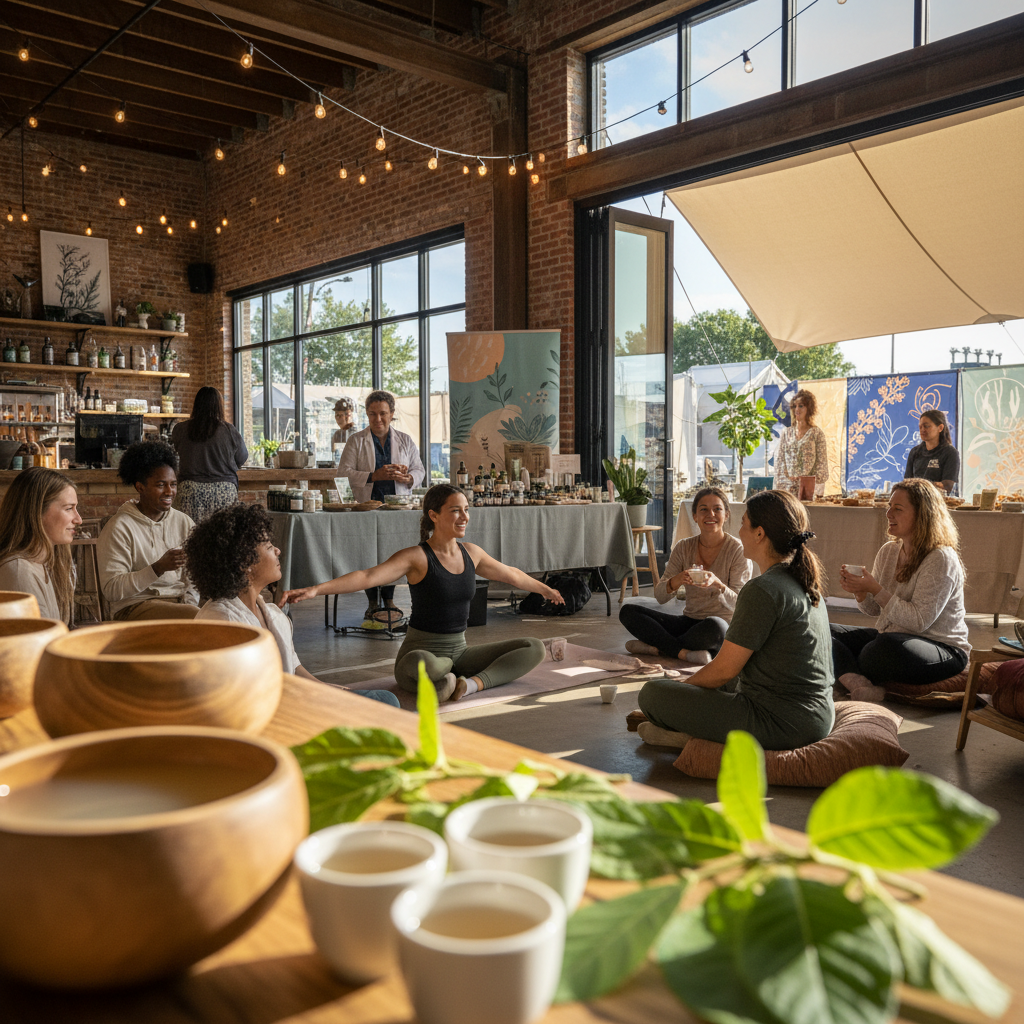
In 2026, kava bars across the United States are stepping up as hubs for holistic wellness, hosting community wellness fairs that bring together kava enthusiasts, health experts, and curious newcomers. These events are gaining traction as a new wave of research underscores kava’s potential to combat stress and anxiety, reinforcing its cultural and therapeutic significance. Meanwhile, the kava and kratom industries continue to evolve, navigating regulatory landscapes and consumer demand with innovation and education.
Kava Bars: More Than Just a Drink, A Wellness Movement
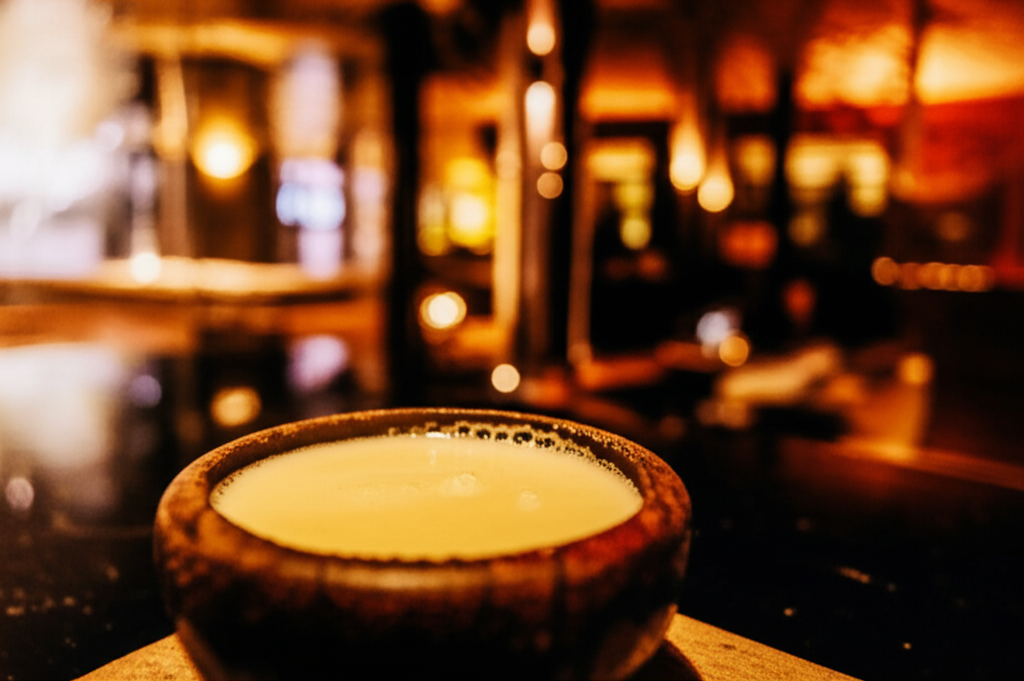
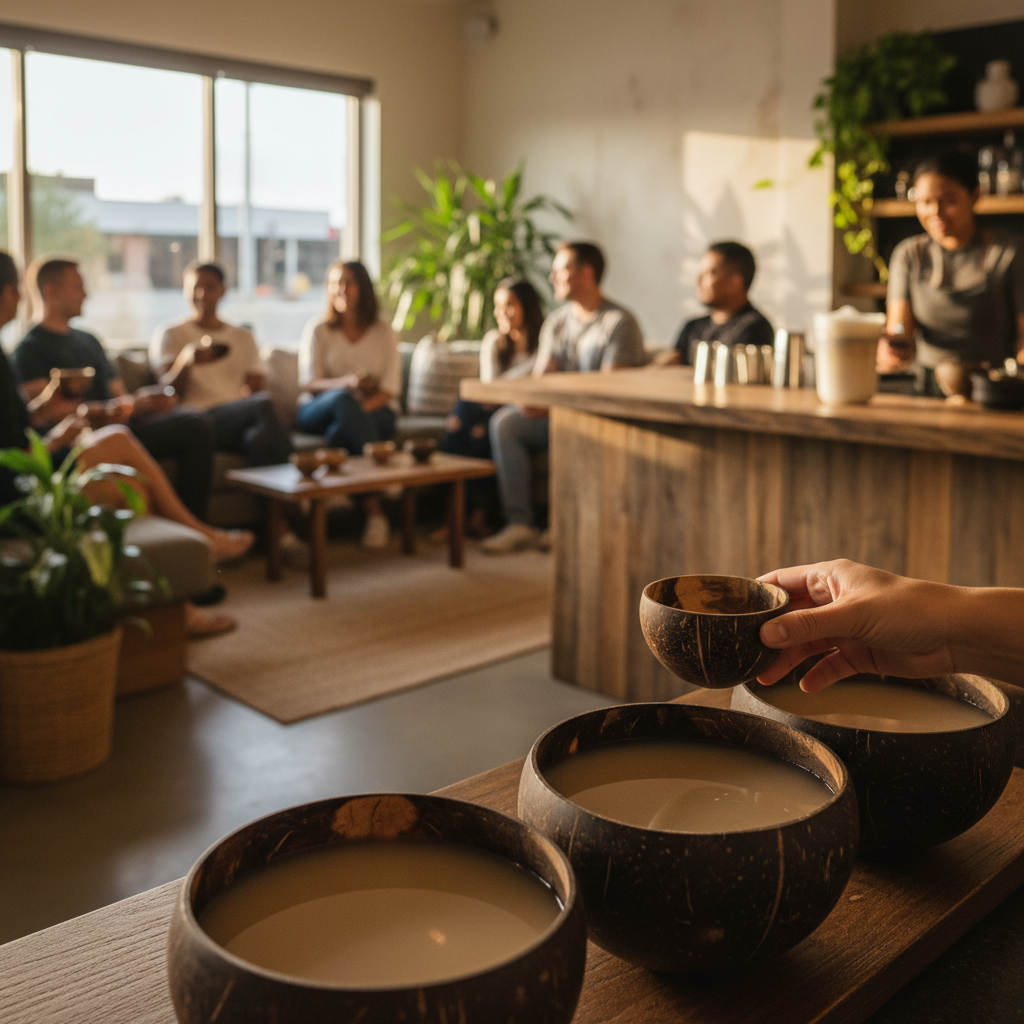
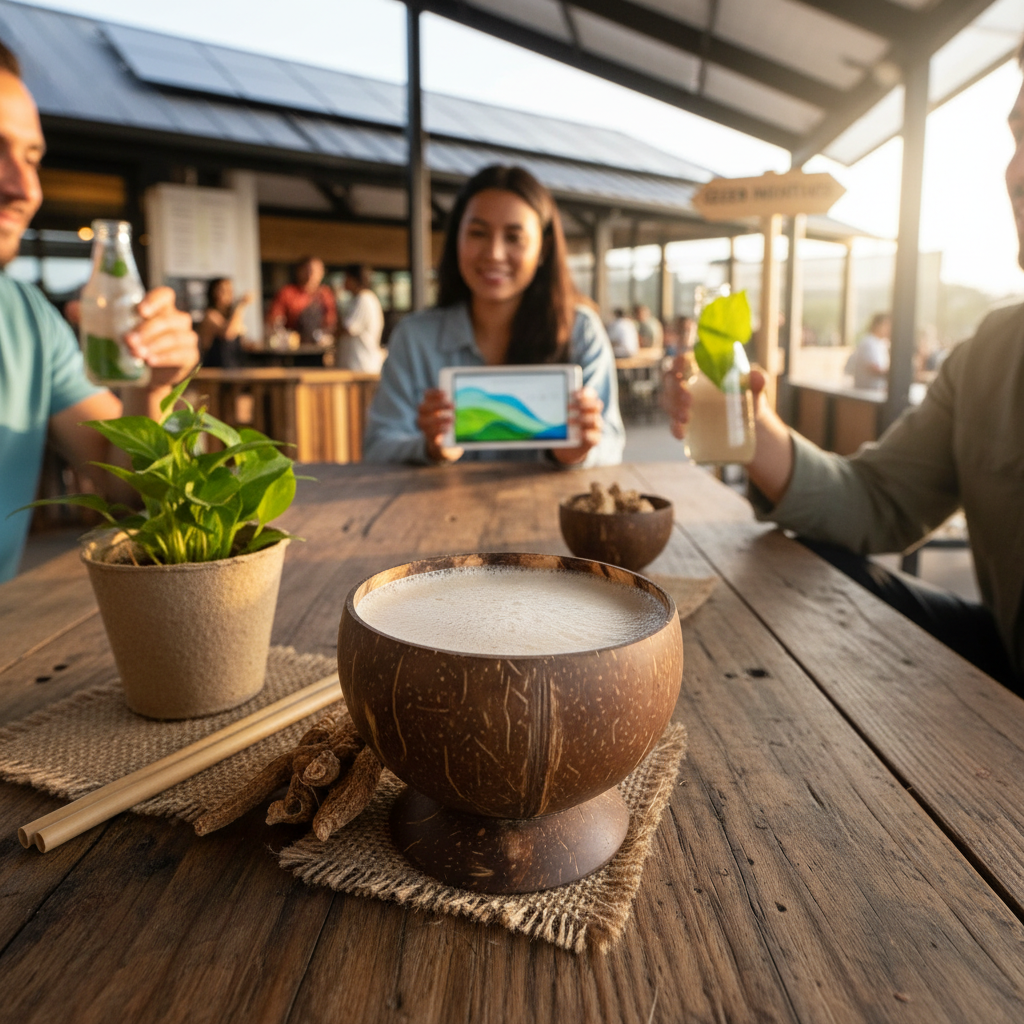
Kava bars have long been celebrated as social spaces where people unwind with a shell of this traditional Pacific Island beverage, known for its calming effects. This year, many kava bars are taking their mission a step further by organizing wellness fairs that promote mental health and community connection. From San Francisco to Miami, these events feature workshops on stress management, guided meditation sessions, and talks by herbalists about kava’s traditional uses and modern benefits.
At a recent wellness fair hosted by Pacific Roots Kava Bar in Portland, attendees participated in a kava tasting session while learning about the plant’s origins in Vanuatu and Fiji. “We want to create a space where people can relax, connect, and learn about natural ways to manage stress,” says owner Lila Temo. “Kava isn’t just a drink—it’s a bridge to mindfulness and community.”
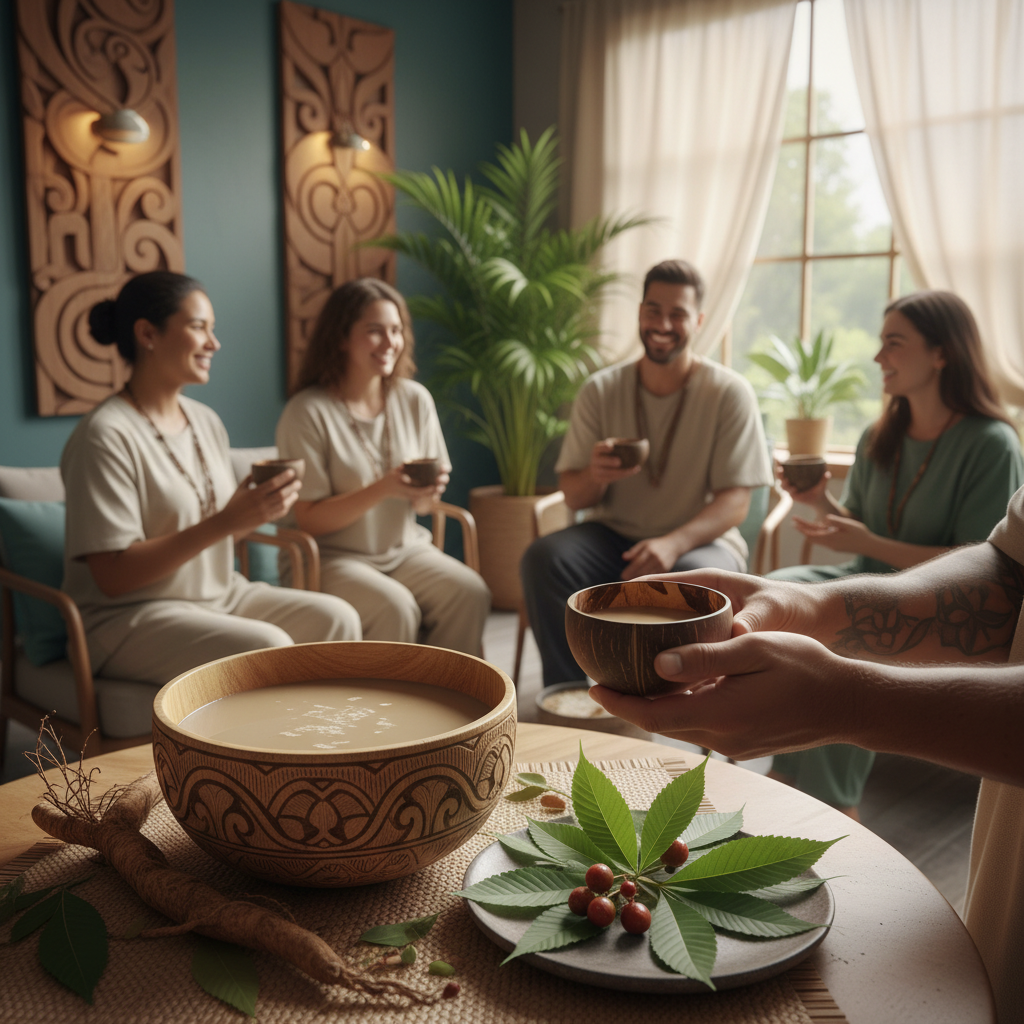
These fairs also offer an opportunity for kava bar owners to educate the public on safe consumption practices, proper dosages, and the cultural respect tied to kava ceremonies. With live demonstrations of traditional kava preparation, attendees leave with a deeper appreciation for this ancient ritual, further solidifying kava bars as cultural ambassadors.
New Research Shines Light on Kava’s Stress-Relief Benefits
Fueling the momentum behind these wellness initiatives is groundbreaking research published in early 2026 by the Pacific Herbal Studies Institute. The study, conducted over two years, examined the effects of kavalactones—active compounds in kava—on stress and anxiety levels in over 300 participants. Results showed a significant reduction in reported stress levels among those who consumed moderate amounts of kava over a six-week period, with no adverse effects when taken responsibly.
“This research confirms what Pacific Islanders have known for centuries: kava can be a powerful tool for relaxation and mental clarity,” notes Dr. Elena Matai, lead researcher on the study. “Our findings suggest that kava could play a role in integrative approaches to mental health, especially for those seeking natural alternatives.”
The study also addressed common misconceptions about kava, particularly concerns about liver toxicity. It emphasized that when sourced from reputable vendors and consumed in moderation, kava poses minimal risk. This is a critical point for kava bars, many of which are doubling down on transparency by partnering with suppliers who provide lab-tested, noble kava strains—known for their safety and efficacy.
The Kratom Industry Watches and Learns
While kava takes center stage at these wellness fairs, the kratom industry is also paying close attention. Kratom, another herbal supplement from Southeast Asia, shares a similar space in the natural wellness market, often used for energy, focus, or pain relief. However, kratom faces more regulatory scrutiny than kava in many regions, prompting industry leaders to look at kava’s success in education and community engagement as a model for advocacy.
In 2026, kratom vendors and advocacy groups are ramping up efforts to collaborate with kava bars at events like wellness fairs to promote responsible use and share scientific research. “We see kava bars as allies in destigmatizing natural botanicals,” says Marcus Lee, spokesperson for the American Kratom Association. “By joining forces at community events, we can address consumer questions and push for informed policies together.”
Some kava bars have even started offering kratom as a complementary product, though not without controversy. While both herbs have distinct effects—kava for relaxation and kratom for stimulation or pain relief—the overlap in their customer base has sparked debates about whether combining them in the same venue dilutes the cultural authenticity of kava spaces. Nevertheless, this trend reflects the growing intersection of the kava and kratom industries as they navigate shared challenges and opportunities.
Looking Ahead: Kava Culture and Industry Growth
As kava bars continue to host wellness fairs, they’re not just promoting a beverage—they’re fostering a movement. The combination of community events and supportive scientific research is helping kava shed outdated stigmas and gain mainstream acceptance as a natural stress-relief option. Industry experts predict that by the end of 2026, the number of kava bars in the U.S. could grow by 20%, driven by this renewed interest and cultural appreciation.
For the kratom industry, the path forward involves learning from kava’s playbook: emphasizing education, transparency, and community engagement to build trust with consumers and regulators alike. Both industries stand to benefit from the growing demand for natural wellness solutions, especially as mental health remains a top concern globally.
Whether you’re a seasoned kava drinker or a newcomer curious about its calming effects, these wellness fairs offer a perfect entry point. Check out a kava bar near you to experience the soothing ritual of a kava shell and learn how this ancient plant is making waves in modern health circles. As research continues to validate kava’s benefits and kava bars innovate with community-focused events, 2026 is shaping up to be a landmark year for kava culture.