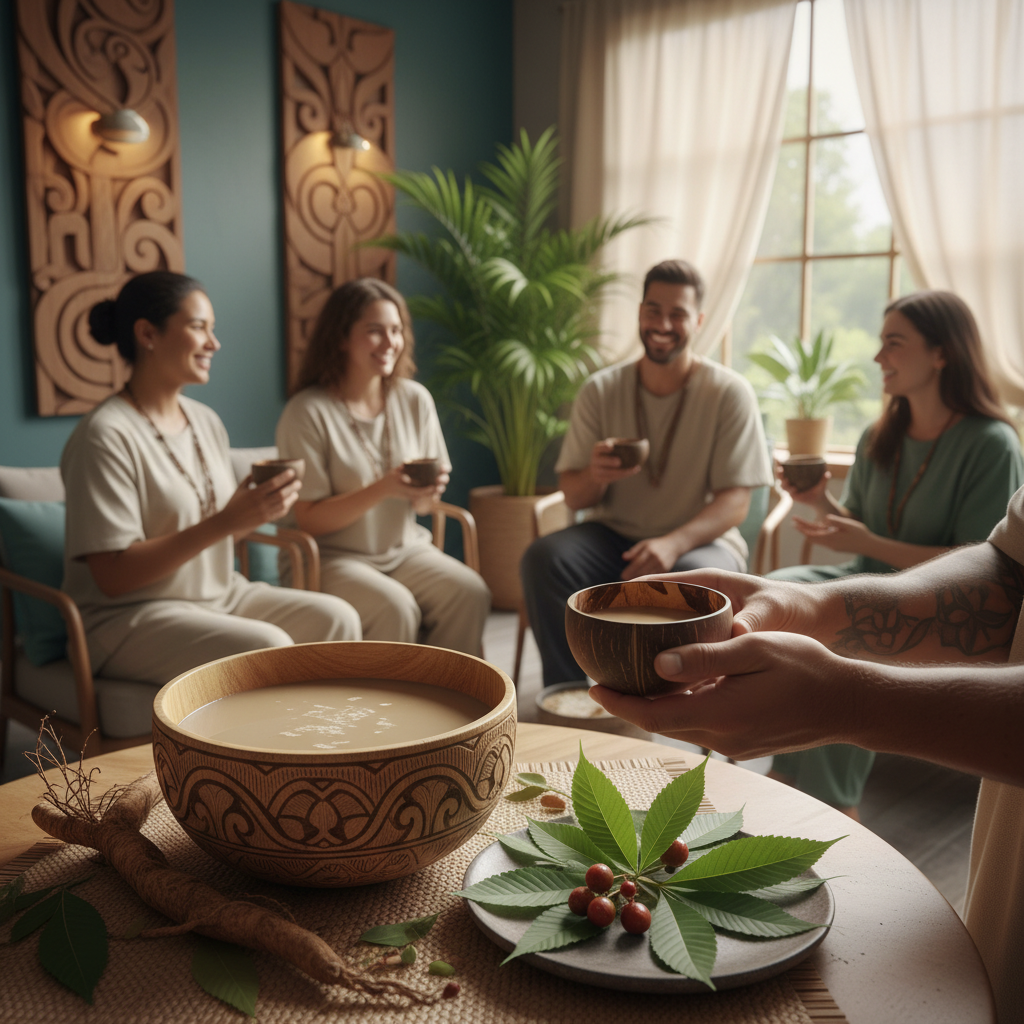
In the bustling urban landscapes of 2026, kava bars are emerging as sanctuaries of calm, redefining how city dwellers unwind after a long day. These unique social spaces, rooted in the traditional use of kava—a Pacific Island plant known for its relaxing properties—are gaining traction as the go-to spots for stress relief without alcohol. Meanwhile, the kratom industry, often intertwined with kava due to shared cultural and wellness contexts, is making significant strides in consumer safety and education. Let’s dive into the latest developments shaping these industries and explore how they’re influencing modern relaxation trends.
Kava Bars: The New Urban Oasis
Across major cities in the U.S. and beyond, kava bars are popping up as alternatives to traditional nightlife. Unlike the loud, high-energy atmosphere of typical bars, kava bars offer a serene environment where patrons can sip on kava drinks, engage in quiet conversations, or simply soak in the calming vibes. In 2026, many kava bars are enhancing their appeal by incorporating elements of Pacific Island culture, such as traditional kava preparation ceremonies and storytelling sessions about the plant’s history.
Take, for example, a newly opened kava bar in Seattle called 'Pacific Peace.' This venue has gained a loyal following by hosting weekly 'kava circles,' where guests sit on woven mats and share a communal bowl of kava, mimicking the rituals of Fiji and Vanuatu. The owner, Leilani Moana, explains, 'We want people to feel connected—not just to each other, but to the roots of kava. It’s about community and relaxation, not intoxication.' This cultural authenticity is a growing trend, as urbanites seek meaningful experiences alongside their quest for stress relief.
Moreover, kava bars are innovating with their menus. Beyond the classic kava shell—a simple mix of kava root powder and water—many are experimenting with flavored blends, combining kava with coconut milk, fruit juices, or herbal infusions. These creative offerings are attracting a broader audience, including those new to kava who might be hesitant about its earthy taste. As these bars continue to evolve, they’re cementing their place as fixtures in the urban wellness scene.
Kratom Industry: A Focus on Safety and Transparency
While kava bars flourish, the kratom industry is navigating its own path of growth and responsibility in 2026. Kratom, a Southeast Asian plant related to the coffee family, has long been used for its stimulating and pain-relieving effects. However, its rise in popularity has come with scrutiny over safety and regulatory challenges. This year, industry leaders are doubling down on consumer safety initiatives to build trust and ensure sustainable growth.
One major development is the push for standardized testing and labeling. Organizations like the American Kratom Association (AKA) are collaborating with vendors to implement third-party lab testing for kratom products. These tests check for contaminants like heavy metals and ensure accurate alkaloid content, providing consumers with clear information about what they’re purchasing. 'Our goal is to protect users and legitimize the industry,' says an AKA spokesperson. 'Transparency is non-negotiable.'
Additionally, kratom suppliers are investing in educational campaigns to inform users about proper dosing and potential risks. Online platforms and community forums are buzzing with resources, from dosage guides to testimonials about kratom’s benefits for energy and focus. This focus on education comes as a response to past controversies, aiming to shift the narrative toward responsible use. As the industry matures, these efforts could pave the way for wider acceptance and potentially influence future regulations.
Kava’s Health Benefits: What Recent Studies Reveal
Underpinning the kava bar boom is a growing body of research highlighting kava’s potential health benefits. A 2026 study published in the Journal of Herbal Medicine found that kavalactones—the active compounds in kava—may significantly reduce anxiety levels in individuals with mild to moderate stress disorders. Participants who consumed kava extracts over a six-week period reported improved sleep quality and a greater sense of calm compared to a placebo group.
This research aligns with anecdotal evidence from kava bar regulars, many of whom describe the drink as a natural way to 'take the edge off' without the side effects of pharmaceuticals or alcohol. However, the study also emphasizes moderation, noting that excessive kava consumption could lead to liver strain—a concern that has historically sparked debate. As a result, kava bar owners are increasingly vocal about educating patrons on safe consumption practices, often posting guidelines on menus or hosting informational sessions.
These findings are fueling interest in kava as a wellness tool, further driving the popularity of kava bars. They also underscore the importance of sourcing high-quality kava from reputable growers, a practice many bar owners prioritize to ensure both safety and efficacy for their customers.
The Future of Kava and Kratom: A Shared Path Forward
As kava bars transform urban relaxation and the kratom industry strengthens its commitment to safety, both sectors are poised for continued growth in 2026. Their shared emphasis on natural wellness solutions resonates with a generation seeking alternatives to conventional stress management. However, challenges remain—kava must navigate lingering health concerns, while kratom faces ongoing regulatory uncertainty.
For now, the synergy between these industries is evident. Many kava bars also offer kratom teas or powders, catering to patrons interested in exploring both plants. This crossover reflects a broader cultural shift toward holistic relaxation, where community, tradition, and transparency play central roles.
Whether you’re a seasoned kava enthusiast or curious about kratom’s potential, 2026 is shaping up to be a pivotal year. Visit a local kava bar to experience the calming ritual firsthand, or dive into the latest kratom safety resources to make informed choices. As these industries evolve, they’re not just offering products—they’re building communities centered on well-being and connection.