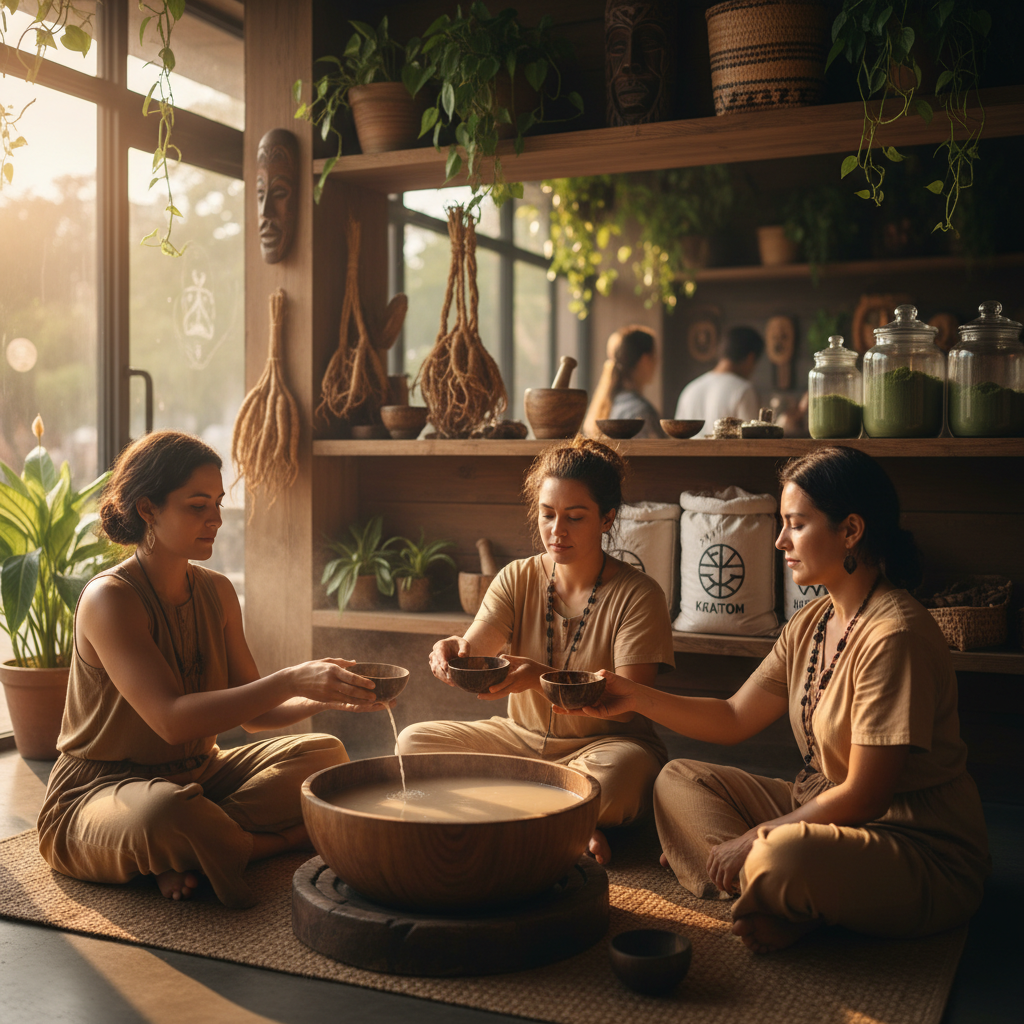
In a refreshing wave of innovation, kava bars across the United States are stepping up their game by introducing community wellness programs designed to educate patrons about the cultural and health benefits of kava. Meanwhile, the kratom industry is making significant strides in bolstering quality assurance protocols to ensure consumer safety and product consistency. These parallel developments signal a maturing landscape for both kava and kratom, as businesses and advocates work to elevate their respective fields.
Kava Bars Embrace Community Wellness Initiatives
Kava bars, long celebrated as social hubs for relaxation and connection, are now expanding their mission beyond serving traditional kava drinks. Many establishments are launching wellness programs that aim to deepen patrons’ understanding of kava’s roots in Pacific Island cultures and its potential health benefits. These programs often include workshops, guest speakers, and guided relaxation sessions that highlight kava’s calming properties.
For instance, several kava bars in cities like Portland and Austin have started hosting monthly “Kava & Culture” events. These gatherings feature talks by cultural ambassadors from Fiji, Vanuatu, and Hawaii, who share stories about kava’s ceremonial significance. Attendees also participate in guided tastings to learn how different kava strains affect mood and relaxation levels. “Our goal is to create a space where people don’t just drink kava, but truly connect with its heritage and benefits,” says Mia Lani, owner of Pacific Roots Kava Bar in Portland.
Additionally, some kava bars are partnering with local yoga instructors and meditation coaches to offer sessions that incorporate kava as a post-practice relaxant. These events often attract newcomers who are curious about natural alternatives to alcohol for stress relief. By positioning kava as part of a holistic wellness lifestyle, these bars are tapping into a growing demographic of health-conscious consumers.
Health Benefits of Kava: What Recent Studies Suggest
The push for wellness programs in kava bars aligns with emerging research on kava’s potential health benefits. A recent study published by the Journal of Ethnopharmacology explored kava’s active compounds, known as kavalactones, and their effects on anxiety and stress. The findings suggest that kava may act as a natural anxiolytic, helping to reduce anxiety without the sedative side effects of some pharmaceutical options.
Researchers noted that participants who consumed kava reported improved mood and lower stress levels, with effects kicking in within 30 to 60 minutes. While the study emphasizes the need for further research on long-term use and optimal dosages, it reinforces kava’s reputation as a natural relaxant. Kava bar owners are leveraging such studies to educate their communities, often displaying informational posters or hosting Q&A sessions with herbalists to discuss safe consumption practices.
However, it’s worth noting that kava isn’t without controversy. Past concerns about liver toxicity have led to strict regulations in some countries. Modern research indicates that adverse effects are rare and often linked to poor-quality kava or excessive consumption. Kava bars involved in wellness programs are prioritizing transparency, ensuring patrons understand how to enjoy kava responsibly.
Kratom Industry Advances Quality Assurance Standards
While kava bars focus on community engagement, the kratom industry is addressing a critical need for standardized quality control. Kratom, a Southeast Asian herb known for its stimulating and pain-relieving properties, has faced scrutiny over inconsistent product quality and contamination risks. In response, leading kratom vendors and advocacy groups are implementing stricter quality assurance protocols to protect consumers and build trust.
The American Kratom Association (AKA) recently announced a renewed push for Good Manufacturing Practices (GMP) certification among kratom producers. This initiative requires vendors to adhere to rigorous testing for contaminants like heavy metals and pathogens, as well as accurate labeling of alkaloid content. “Our priority is to ensure that every kratom product on the market meets the highest safety standards,” says AKA spokesperson Daniel Carter. “This is a crucial step toward legitimizing the industry and supporting informed consumer choices.”
Several major kratom suppliers have already achieved GMP certification, with others following suit. Additionally, third-party lab testing is becoming a norm, with results often posted on company websites for transparency. These efforts are partly driven by consumer demand for reliable products and partly by the industry’s desire to preempt stricter regulations from federal agencies like the FDA, which has expressed concerns about kratom’s safety profile.
Bridging Kava and Kratom Communities
Interestingly, the advancements in both kava bars and the kratom industry are fostering a sense of camaraderie between the two communities. While kava is often associated with relaxation and social bonding, and kratom with energy or pain management, both herbs share a common goal of offering natural alternatives to synthetic substances. Some kava bars are even beginning to stock kratom-infused teas or powders alongside their traditional kava offerings, though this trend varies widely due to differing state regulations on kratom sales.
At events hosted by kava bars, it’s not uncommon to hear discussions about kratom’s benefits or see informational pamphlets about both herbs. This crossover reflects a broader cultural shift toward embracing plant-based solutions for wellness, with kava and kratom often mentioned in the same breath as part of the “natural remedies” movement.
What’s Next for Kava and Kratom?
As kava bars continue to innovate with community wellness programs, they’re not only enhancing the customer experience but also reinforcing kava’s place in modern health culture. Simultaneously, the kratom industry’s focus on quality assurance is paving the way for greater acceptance and credibility. Together, these efforts highlight the dedication of both sectors to education, safety, and cultural respect.
For enthusiasts of kava and kratom, this is an exciting time. Whether you’re unwinding with a shell of kava at a local bar or exploring kratom’s effects through a trusted vendor, the emphasis on community and quality ensures a more enriching experience. Keep an eye on your local kava bar for upcoming wellness events, and always source kratom from certified suppliers to support these positive industry trends.