Kava Bars Transform into Creative Hubs with Community Art Spaces
In a groundbreaking move for kava culture, kava bars across the United States are evolving beyond their traditional role as social and relaxation hubs. As of early 2026, many kava bars are introducing dedicated community art spaces, blending the calming effects of kava with the therapeutic power of creativity. This innovative trend is capturing the attention of kava enthusiasts and local artists alike, creating a unique synergy that fosters connection and expression.
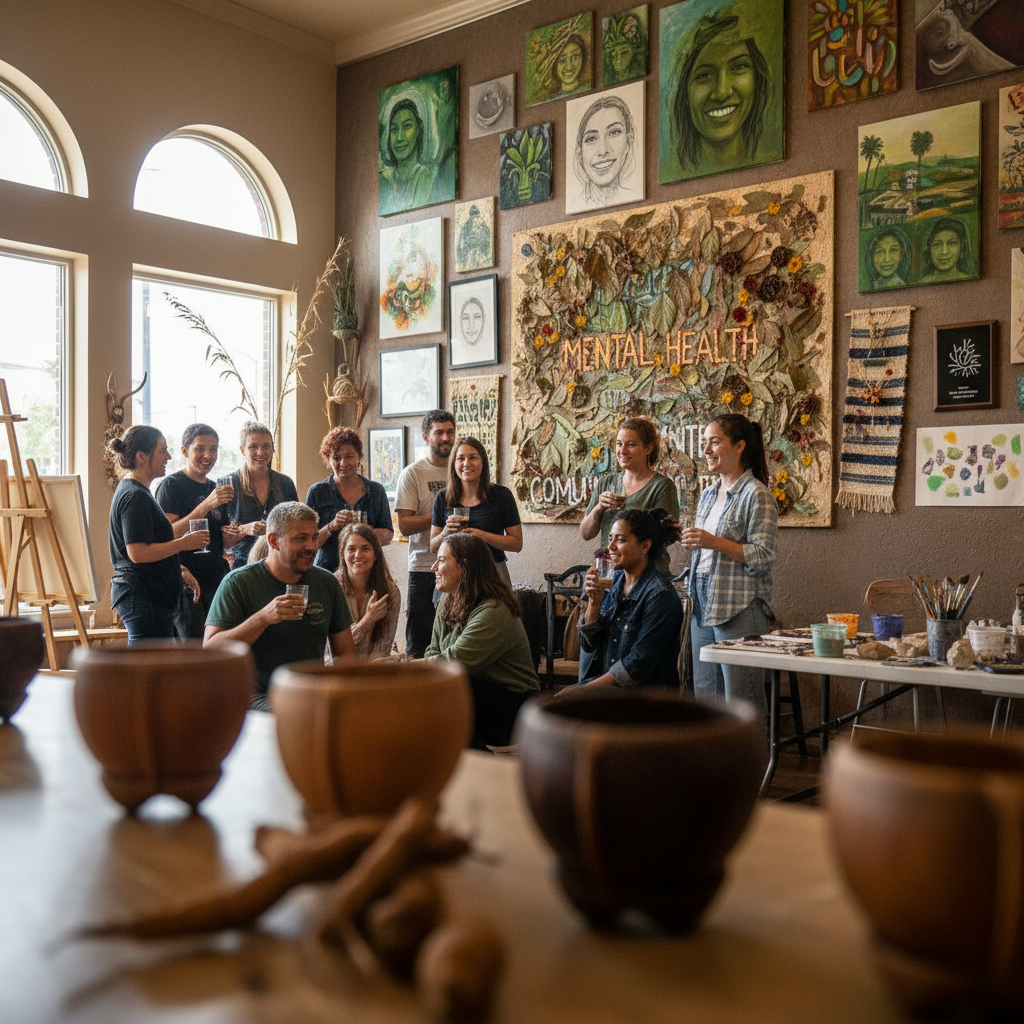
These art spaces, often set up in cozy corners or separate rooms within kava bars, provide patrons with the opportunity to engage in painting, sketching, and even collaborative mural projects while sipping on their favorite kava brews. Establishments like 'Pacific Serenity Kava Lounge' in San Diego have reported a 30% increase in foot traffic since launching their art initiative last month. 'We wanted to create a space where people can unwind with kava and express themselves creatively,' says owner Lila Moana. 'The response has been incredible—our community is thriving.'
The integration of art into kava bars also ties into the cultural roots of kava, which has long been associated with community bonding in Pacific Island traditions. By hosting art nights and workshops led by local talent, kava bars are modernizing this sense of togetherness while offering a safe, alcohol-free environment for creativity. Some bars are even partnering with mental health organizations to promote art therapy sessions, highlighting kava’s well-documented calming effects as a perfect complement to stress-relief activities.
Kratom Industry Steps Up with Mental Health Advocacy Campaigns
While kava bars are making waves with their creative initiatives, the kratom industry is taking a bold step forward in 2026 by investing heavily in mental health advocacy. Kratom, a botanical often used for its potential to support relaxation and focus, has faced scrutiny over the years due to regulatory debates. However, industry leaders are now channeling resources into educational campaigns that emphasize responsible use and the potential benefits of kratom for mental well-being.
The American Kratom Association (AKA), a key player in the industry, recently announced a $2 million fund to support mental health research and public awareness programs. 'We believe kratom can play a role in supporting individuals who struggle with stress and anxiety, but education is critical,' states AKA spokesperson Daniel Harper. 'Our goal is to fund studies and partner with mental health organizations to provide accurate information and combat stigma.'
This initiative comes at a pivotal time as kratom gains traction among wellness communities. Vendors are also stepping up by offering detailed product labeling and third-party testing to ensure quality and transparency. Additionally, several kratom companies have launched online platforms featuring testimonials from users who credit kratom with helping them manage daily stressors, further aligning the industry with mental health advocacy.
New Study Highlights Kava’s Benefits for Stress Reduction
Adding to the momentum in the kava world, a recent study published in the Journal of Natural Wellness in March 2026 has shed new light on kava’s health benefits, particularly its impact on stress reduction. Conducted by researchers at the University of Hawaii, the study involved 150 participants who consumed kava regularly over a six-month period. Results showed a significant decrease in reported stress levels, with 78% of participants noting improved sleep quality and reduced anxiety.
The study also explored kava’s active compounds, known as kavalactones, which are believed to interact with the brain’s GABA receptors to produce a calming effect without the risk of dependency associated with some pharmaceuticals. 'Kava offers a natural alternative for those seeking relief from stress,' says lead researcher Dr. Alana Kealoha. 'Our findings reinforce what Pacific Island cultures have known for centuries—kava is a powerful tool for relaxation.'
These results are particularly exciting for kava bar owners, who see the study as validation of their mission to provide a space for relaxation and community. Many bars are already using the findings in their marketing, with signage and social media posts educating customers on kava’s scientifically backed benefits. This research is also sparking interest among health professionals, some of whom are beginning to recommend kava as a complementary approach to stress management.
The Bigger Picture: Kava and Kratom Industries Building Community and Trust
The latest developments in the kava and kratom industries underscore a shared commitment to community well-being and education. Kava bars are becoming more than just places to drink—they’re evolving into cultural and creative centers that honor kava’s heritage while embracing modern needs. Meanwhile, the kratom industry’s focus on mental health advocacy signals a maturing market determined to prioritize consumer safety and informed use.
For consumers, these trends offer exciting opportunities to engage with kava and kratom in meaningful ways. Whether you’re an artist looking to unwind with a kava shell in hand or someone exploring natural options for stress relief, the evolving landscape of these industries promises innovation and accessibility. As both sectors continue to grow, their emphasis on community, transparency, and wellness is setting a powerful example for other natural product markets.
Have you visited a kava bar with an art space, or do you have thoughts on kratom’s role in mental health discussions? Drop a comment below—we’d love to hear your experiences!