As the kava bar scene continues to flourish across the United States, owners are finding creative ways to stand out in a growing market. Meanwhile, the kratom industry grapples with increasing regulatory attention, sparking debates among advocates and policymakers. This dual dynamic reflects the evolving landscape of these traditional botanicals, each carving a unique path in modern wellness culture.
Kava Bars Brew Up Innovation with Unique Menus
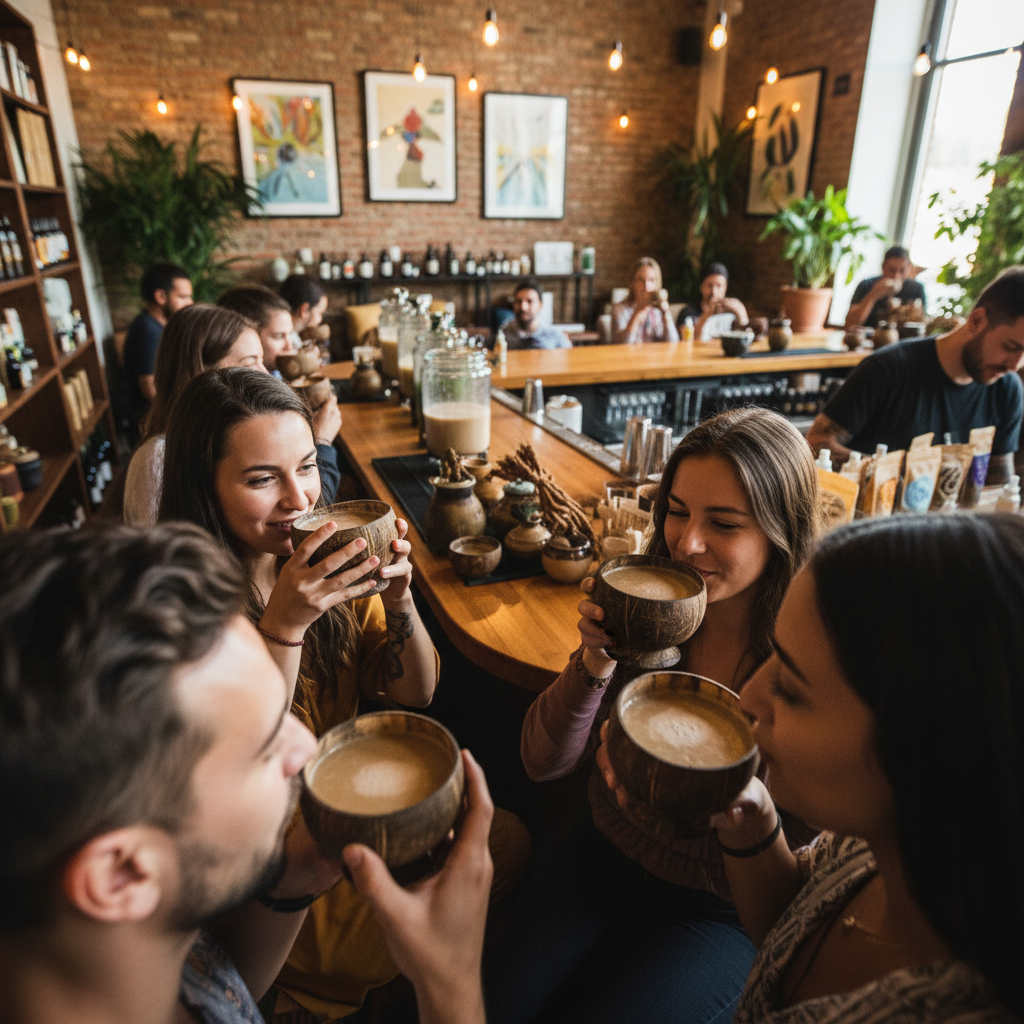
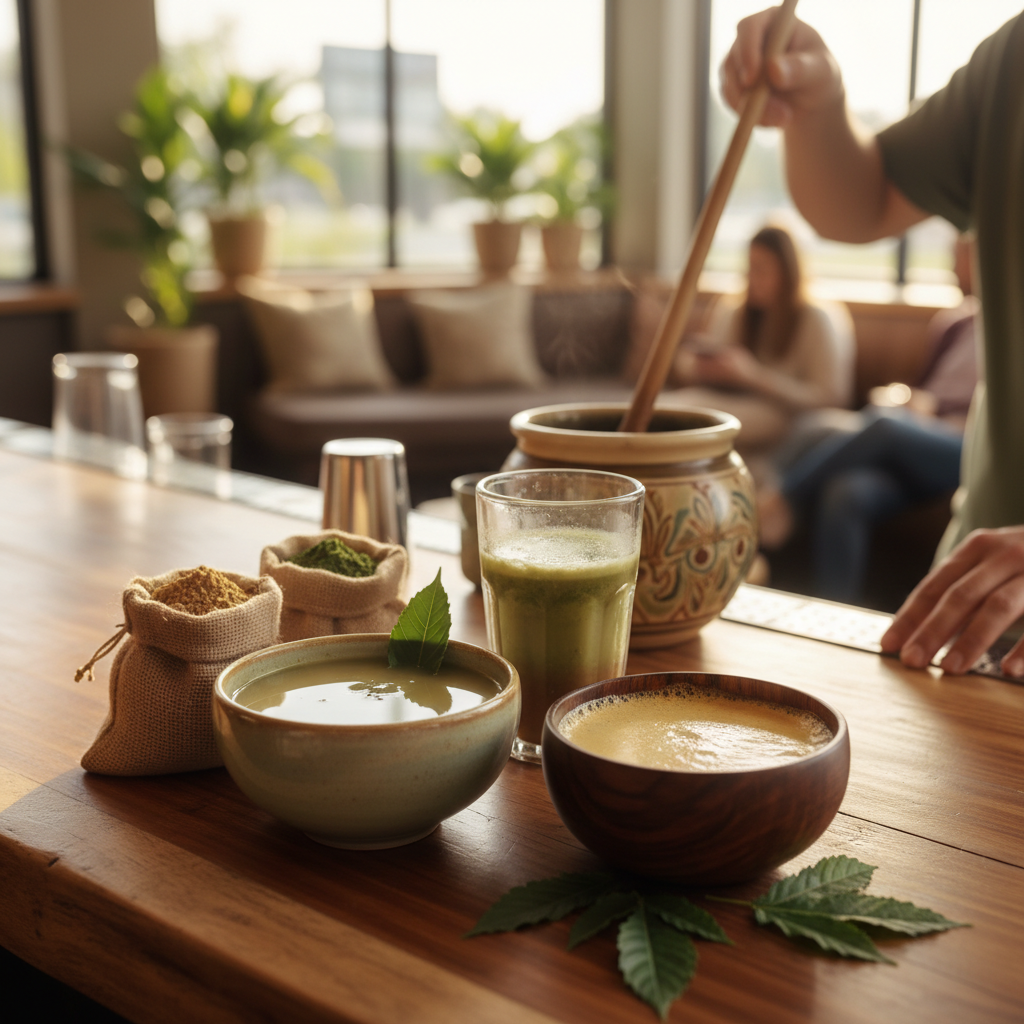
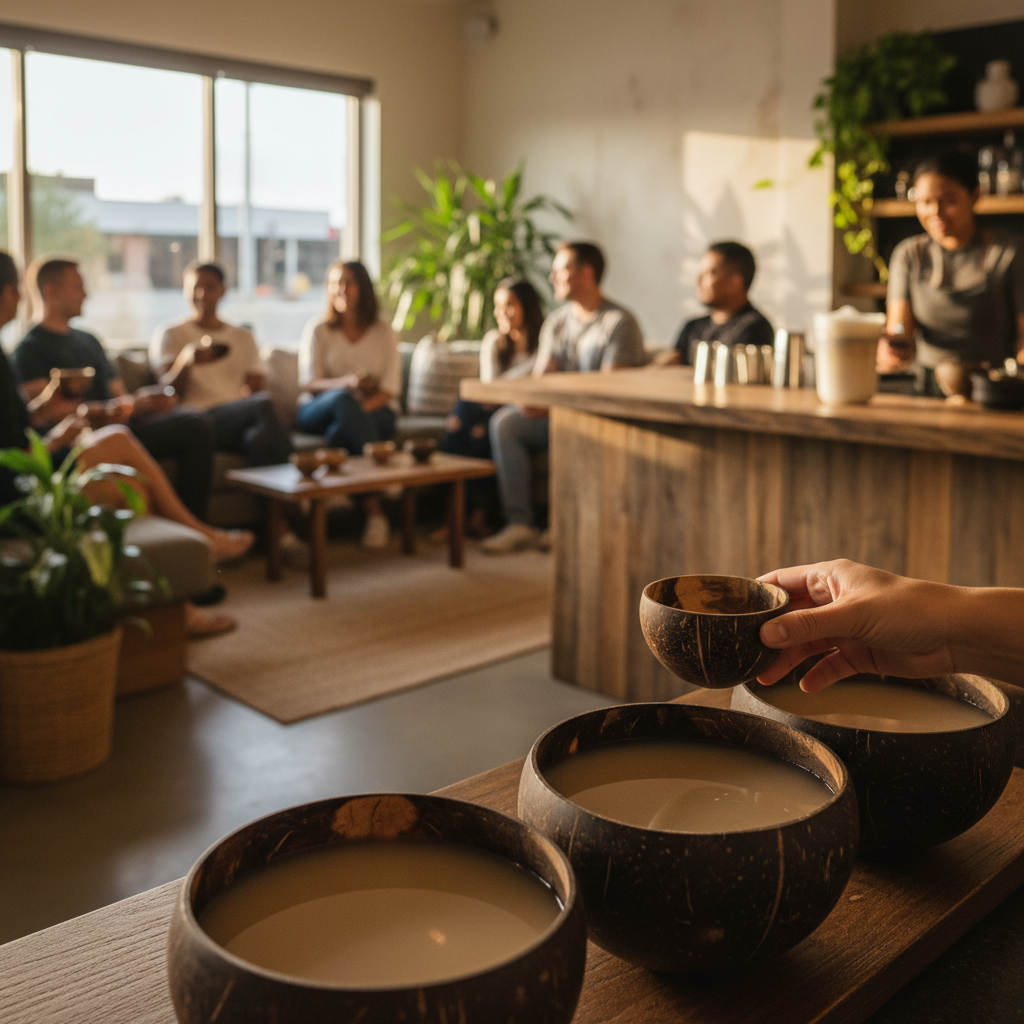
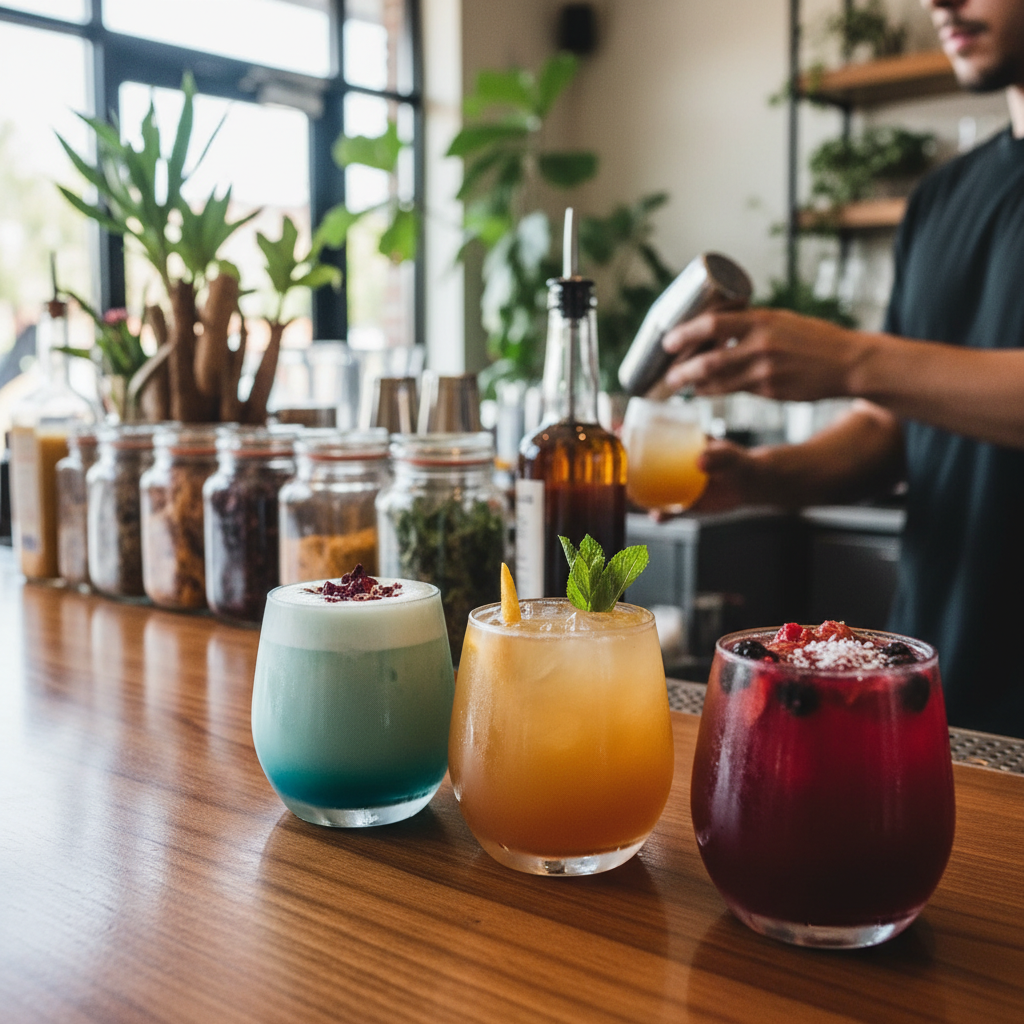
Kava bars, often dubbed 'the new coffee shops' for their social and relaxing vibes, are no longer just about serving traditional kava in a shell. In cities like Miami, Austin, and Portland, kava bar owners are experimenting with innovative drink menus to attract a broader clientele. From kava-infused mocktails to seasonal blends with tropical fruits and herbs, these establishments are redefining what it means to enjoy kava in a communal setting.
Take, for instance, Kava Haven in Miami, which recently launched a 'Kava Cocktail Hour' featuring drinks like the Pineapple Kava Cooler—a mix of kava, fresh pineapple juice, and a hint of ginger. 'We wanted to make kava more approachable for newcomers while keeping the traditional experience intact,' says owner Lila Thompson. 'Our customers love the creativity, and it’s a great way to introduce them to kava’s calming effects.'
Similarly, in Portland, Roots & Shell Kava Bar has rolled out a line of kava smoothies, blending the earthy root with coconut milk, mango, and banana. 'It’s about meeting people where they are,' explains bar manager Ethan Rivera. 'Some folks aren’t ready for straight kava, so we ease them in with flavors they know and love.'
This trend of menu innovation isn’t just about aesthetics—it’s a strategic move to compete in a market where kava bars are popping up at an unprecedented rate. According to industry reports, the number of kava bars in the U.S. has grown by over 50% in the last five years, with urban areas leading the charge. By offering unique drinks, bars aim to build loyal customer bases and keep the kava culture thriving.
Kava’s Traditional Roots Meet Modern Appeal
While innovation drives the kava bar boom, many owners remain committed to preserving the cultural significance of kava. Originating from the South Pacific, kava (Piper methysticum) has been used for centuries in ceremonial and social contexts to promote relaxation and community bonding. Its mild sedative properties come from kavalactones, active compounds that interact with the brain to reduce stress without impairing cognition.
Modern kava bars often host educational events to teach patrons about the drink’s history. At Kava Collective in Austin, weekly 'Kava Talks' feature discussions on sustainable sourcing from Pacific Island farmers and the importance of respecting kava’s origins. 'We’re not just a bar; we’re a cultural hub,' says founder Mia Chen. 'It’s our responsibility to honor where kava comes from while making it relevant today.'
This balance of tradition and modernity is also reflected in the design of many kava bars, which often feature Pacific-inspired decor alongside cozy, Instagram-worthy seating. The result is a space that feels both exotic and familiar, appealing to a diverse crowd seeking alternatives to alcohol or caffeine.
Kratom Industry Under the Regulatory Microscope
While kava enjoys a relatively positive public image, the kratom industry faces a more contentious battle. Kratom (Mitragyna speciosa), a Southeast Asian plant with stimulant and pain-relieving properties, has gained a significant following in the U.S. for its potential to address chronic pain and opioid dependency. However, its legal status remains a patchwork of state-by-state regulations, with ongoing debates at the federal level.
In early 2026, the Food and Drug Administration (FDA) reiterated concerns about kratom’s safety, citing risks of addiction and adverse effects when used in high doses. This has led to renewed calls for stricter controls, with some states considering outright bans. Industry advocates, however, argue that kratom is a natural alternative to pharmaceuticals and that proper regulation—rather than prohibition—would ensure consumer safety.
'Kratom has helped millions manage pain and improve their quality of life,' says Daniel Harper, spokesperson for the American Kratom Association (AKA). 'We’re pushing for standardized testing and labeling to address safety concerns while protecting access for responsible users.'
The regulatory uncertainty has created challenges for kratom vendors, many of whom operate online or through specialty shops often adjacent to kava bars. Some kava bar owners have even distanced themselves from kratom to avoid legal gray areas, focusing solely on kava to maintain a clean reputation. 'We love the idea of natural remedies, but kratom’s baggage is too heavy for us right now,' admits one anonymous bar owner in Florida.
The Future of Kava and Kratom: A Tale of Two Botanicals
The contrasting trajectories of kava and kratom highlight the complexities of introducing traditional botanicals into Western markets. Kava’s rise, fueled by cultural appreciation and innovative business models, shows how a plant can transition from niche to mainstream while retaining its roots. Kratom, on the other hand, struggles with scientific skepticism and regulatory hurdles, even as its user base grows.
For kava bar enthusiasts, the future looks bright. Industry experts predict that as more people seek non-alcoholic social spaces, kava bars will continue to expand, potentially rivaling coffee shops in popularity. For kratom advocates, the path forward depends on research and policy decisions that could either legitimize the industry or stifle its growth.
As these two botanicals navigate their respective challenges, one thing is clear: the demand for natural, plant-based solutions isn’t going away. Whether you’re sipping a kava mocktail in a trendy bar or researching kratom’s benefits online, the conversation around these ancient remedies is only just beginning.