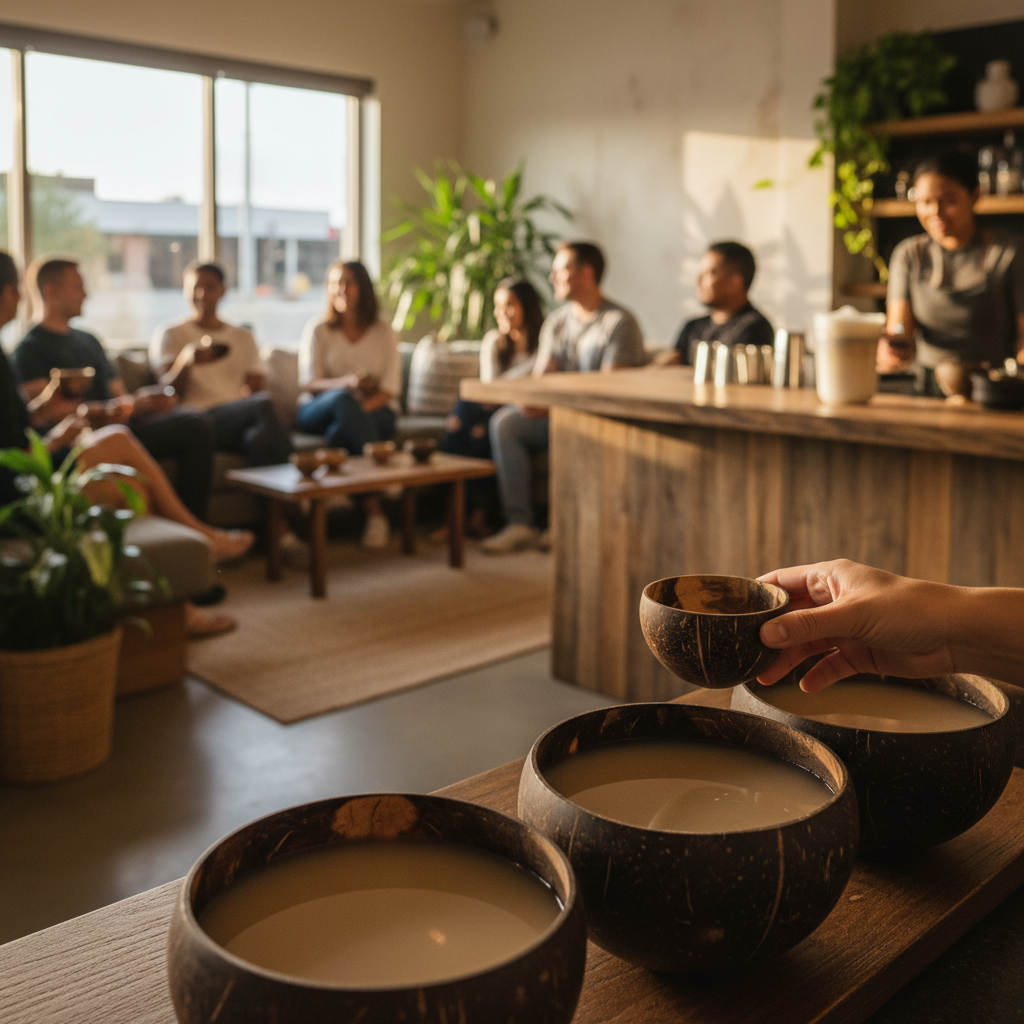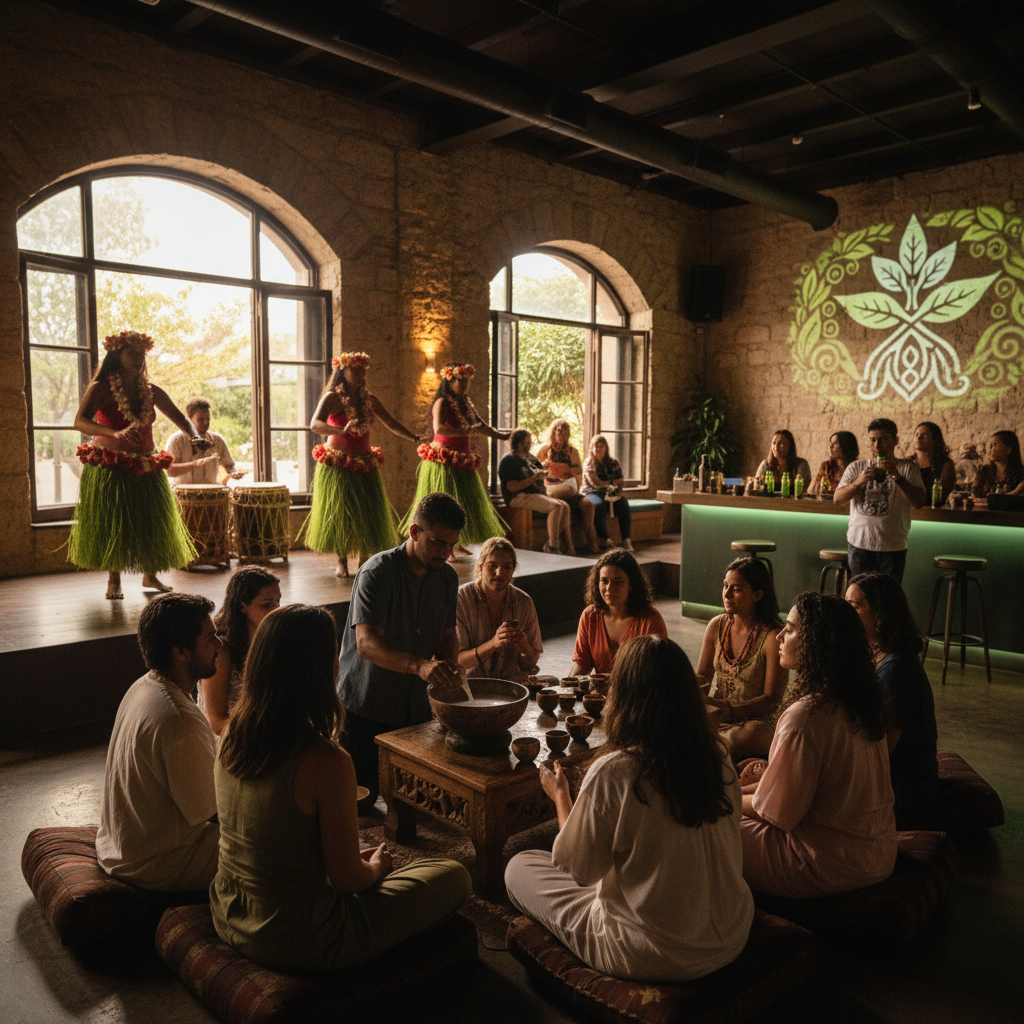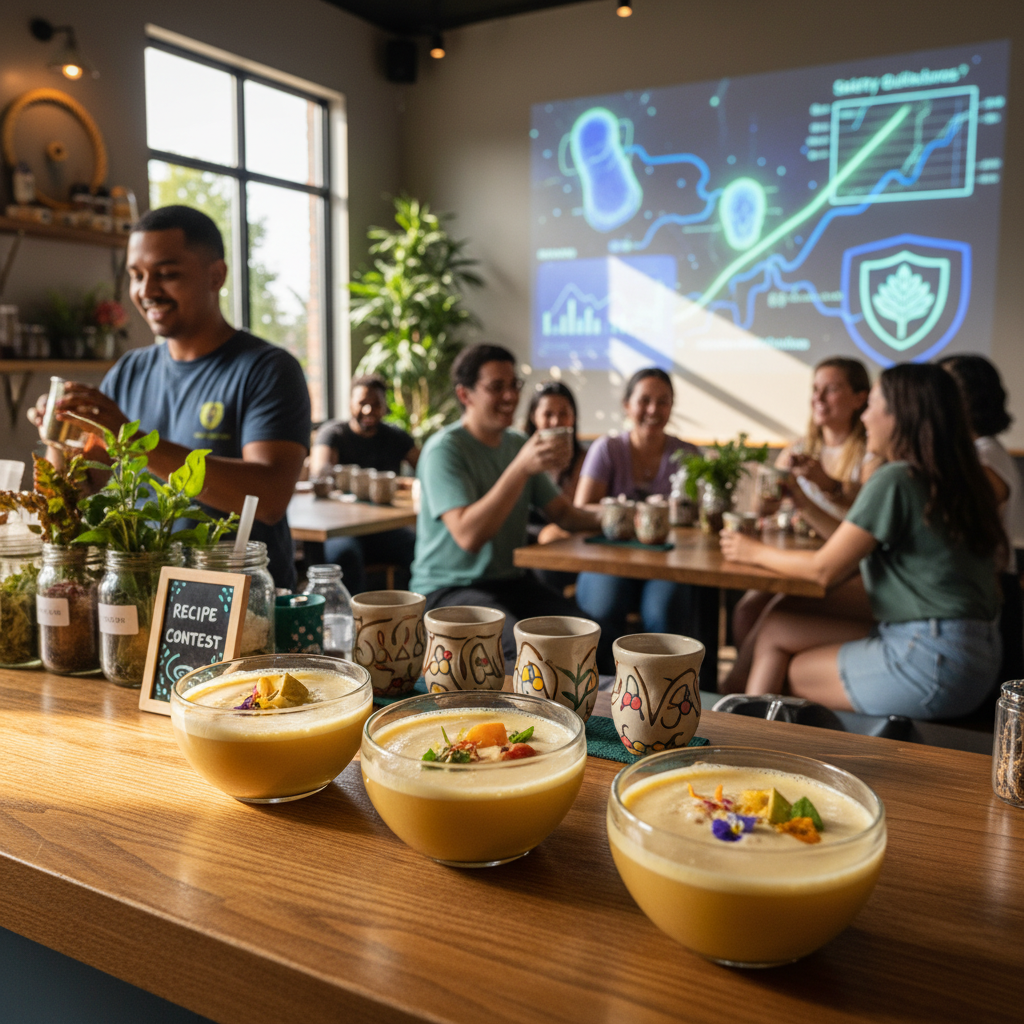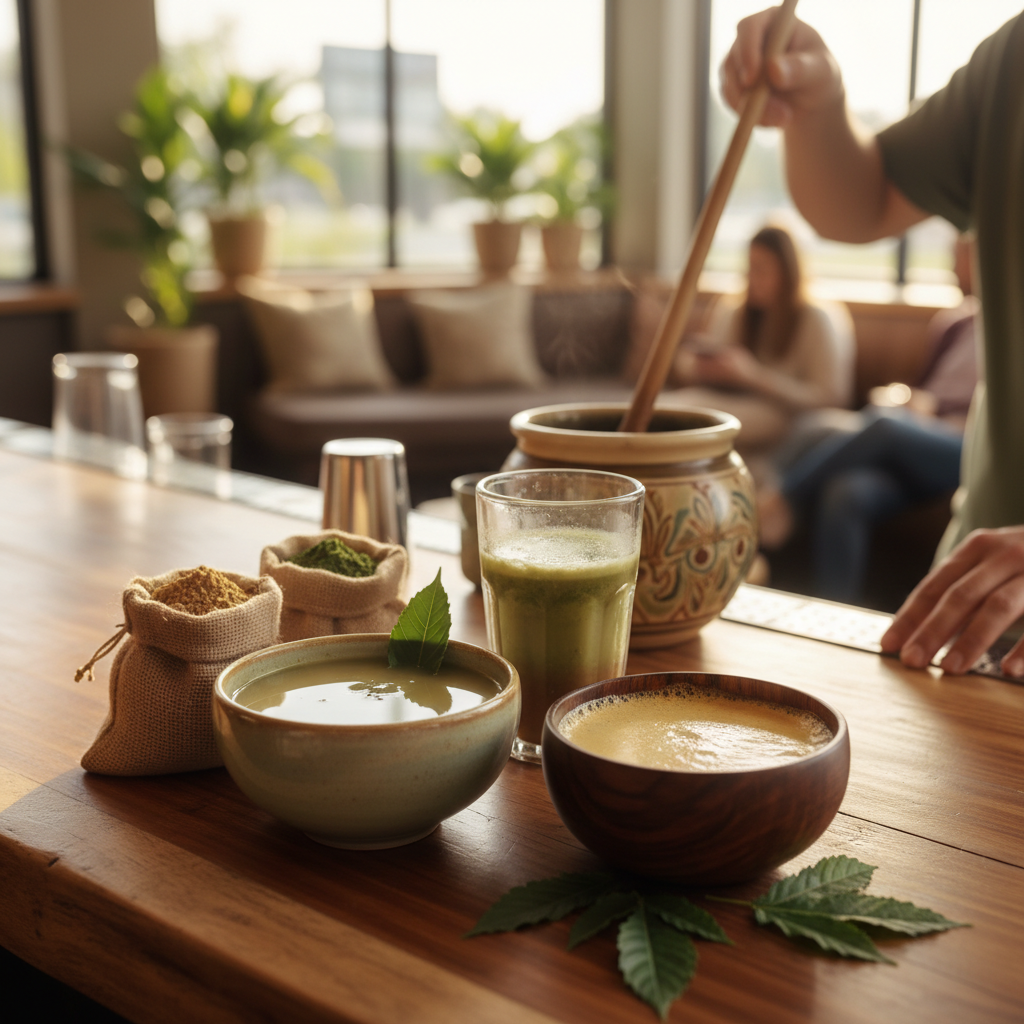
As the kava bar scene continues to evolve in 2026, a new trend is emerging that’s capturing the attention of enthusiasts and newcomers alike: the integration of kratom alongside traditional kava offerings. This fusion of two culturally significant botanicals is reshaping the landscape of relaxation-focused social spaces across the United States. In this article, we dive into how kava bars are embracing kratom, the benefits and challenges of this synergy, and what it means for the future of the kava and kratom industries.
The Rise of Dual Botanical Offerings in Kava Bars
Kava bars have long been celebrated as havens of relaxation, offering a non-alcoholic alternative for socializing through the calming effects of kava, a traditional Pacific Island root beverage. Known for its stress-relieving properties, kava has built a loyal following among those seeking natural ways to unwind. However, in recent years, kratom—a Southeast Asian herb with its own unique effects—has started to appear on kava bar menus, creating a buzz in the community.
From small, independent kava lounges in coastal cities to larger chains in metropolitan areas, many establishments are now experimenting with kratom teas, capsules, and even blended kava-kratom drinks. This shift reflects a growing demand for diverse herbal options among patrons who are curious about the complementary effects of these two plants. While kava is often associated with relaxation and mild sedation, kratom is known for its range of effects, which can include increased energy at lower doses and relaxation at higher doses.
“We’ve seen a 30% increase in customer interest since we added kratom to our menu last year,” says Mia Torres, owner of Pacific Waves Kava Lounge in San Diego. “Our regulars love kava for its mellow vibe, but many are excited to try kratom for a different kind of experience, especially during the day when they want a subtle energy boost.”
Understanding the Appeal of Kava and Kratom Together
The pairing of kava and kratom in social settings makes sense when you consider their shared reputation as natural alternatives to synthetic substances. Both plants have deep cultural roots—kava in Polynesian and Melanesian traditions, and kratom in Thai and Malaysian practices. Their combined presence in kava bars offers a unique opportunity for education and exploration, allowing patrons to learn about the histories and effects of each.
For many, the appeal lies in customization. A customer might start their evening with a kratom-infused tea for focus during a work meetup at a kava bar, then switch to a traditional kava shell to wind down with friends. This versatility is driving kava bar owners to innovate with their menus, creating signature drinks that blend the earthy, bitter notes of kava with the distinct flavor profile of kratom.
However, it’s not just about variety. Recent studies on kava have highlighted its potential to reduce anxiety and promote a sense of well-being, while anecdotal reports on kratom suggest it may support mood enhancement and pain relief. Though more research is needed, especially on kratom, the dual offerings cater to a growing audience seeking holistic approaches to stress management.
Challenges in the Kava-Kratom Integration
Despite the excitement, integrating kratom into kava bars isn’t without hurdles. One major challenge is the regulatory landscape. While kava is widely accepted and sold as a dietary supplement in the U.S., kratom faces more scrutiny. The FDA has raised concerns about kratom’s safety, and its legal status varies by state and even by county. This patchwork of regulations means that kava bar owners must navigate a complex web of rules to offer kratom responsibly.
“We spent months researching local laws and consulting with experts before adding kratom to our menu,” explains Torres. “We want to ensure we’re providing a safe, transparent experience for our customers, which includes clear labeling and education on responsible use.”
Another concern is the risk of overconsumption or misuse. Both kava and kratom can have side effects if not used in moderation—kava may cause drowsiness or liver concerns with excessive use, while kratom can lead to dependency if taken in high doses over time. Kava bars offering both must prioritize staff training to guide customers on safe consumption and avoid potential health risks.
The Industry Impact: A Growing Market for Kava and Kratom
The synergy of kava and kratom isn’t just a trend in kava bars—it’s also influencing the broader kava and kratom industries. Suppliers are seeing increased demand for high-quality, lab-tested kratom products as kava bars strive to maintain trust with their clientele. Meanwhile, kava farmers in regions like Fiji and Vanuatu are benefiting from the sustained popularity of kava as a staple in these social spaces.
Industry analysts predict that the dual botanical market could see significant growth over the next five years. A recent report from Herbal Insights Group estimates that the combined kava and kratom retail market in the U.S. could reach $500 million by 2030, driven in part by the expansion of kava bars into new regions and their adoption of diverse offerings. This growth signals a shift toward a more integrated approach in the herbal supplement and beverage sector.
What’s Next for Kava Bars and Kratom?
As kava bars continue to embrace kratom, the focus will likely remain on education and community. Many bar owners are hosting workshops and events to teach patrons about the origins, preparation, and effects of both plants. This commitment to cultural respect and transparency is crucial for building a sustainable future for dual offerings.
For consumers, the rise of kava-kratom synergy offers an exciting chance to explore two powerful botanicals in a safe, social environment. Whether you’re a longtime kava fan or a curious newcomer, the evolving kava bar scene in 2026 promises something for everyone—just remember to sip responsibly.
Have you visited a kava bar that offers kratom? Share your experience in the comments below, and let us know how you think this trend will shape the future of relaxation culture!