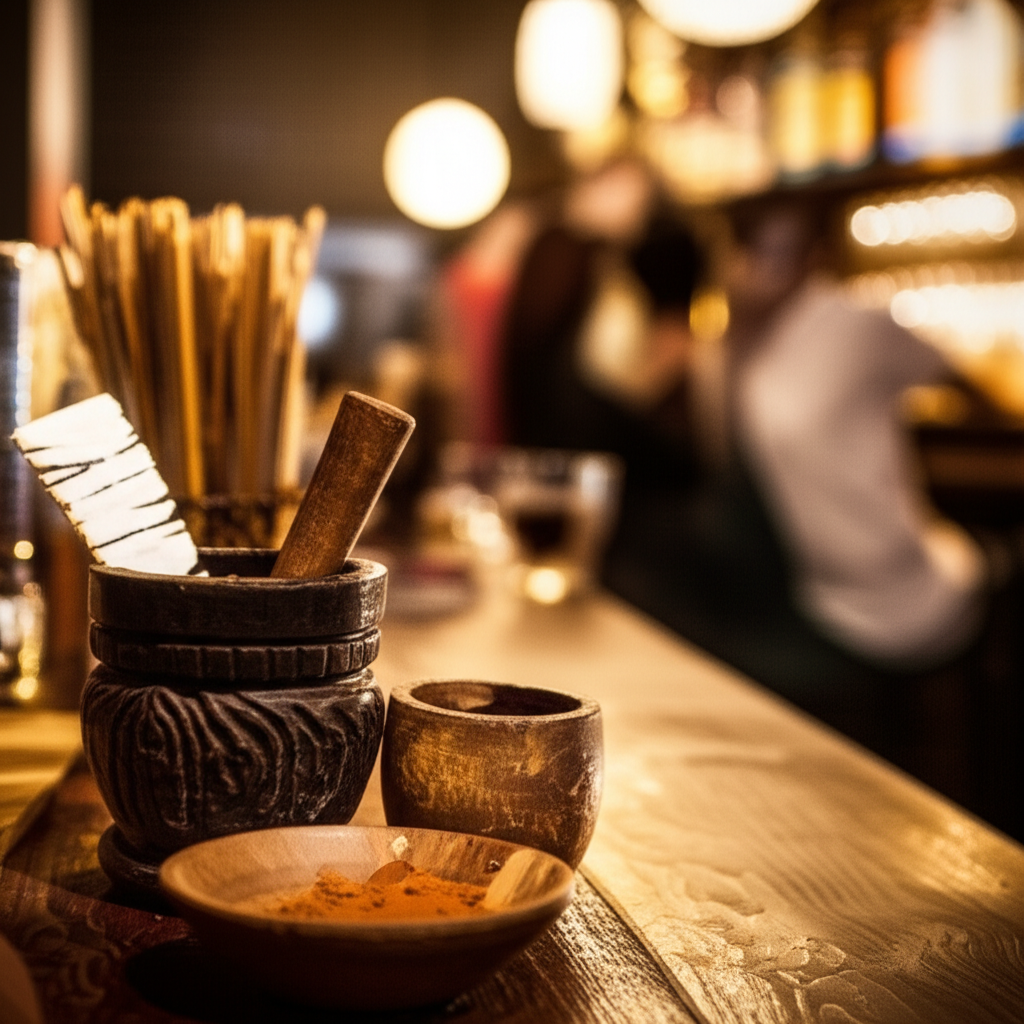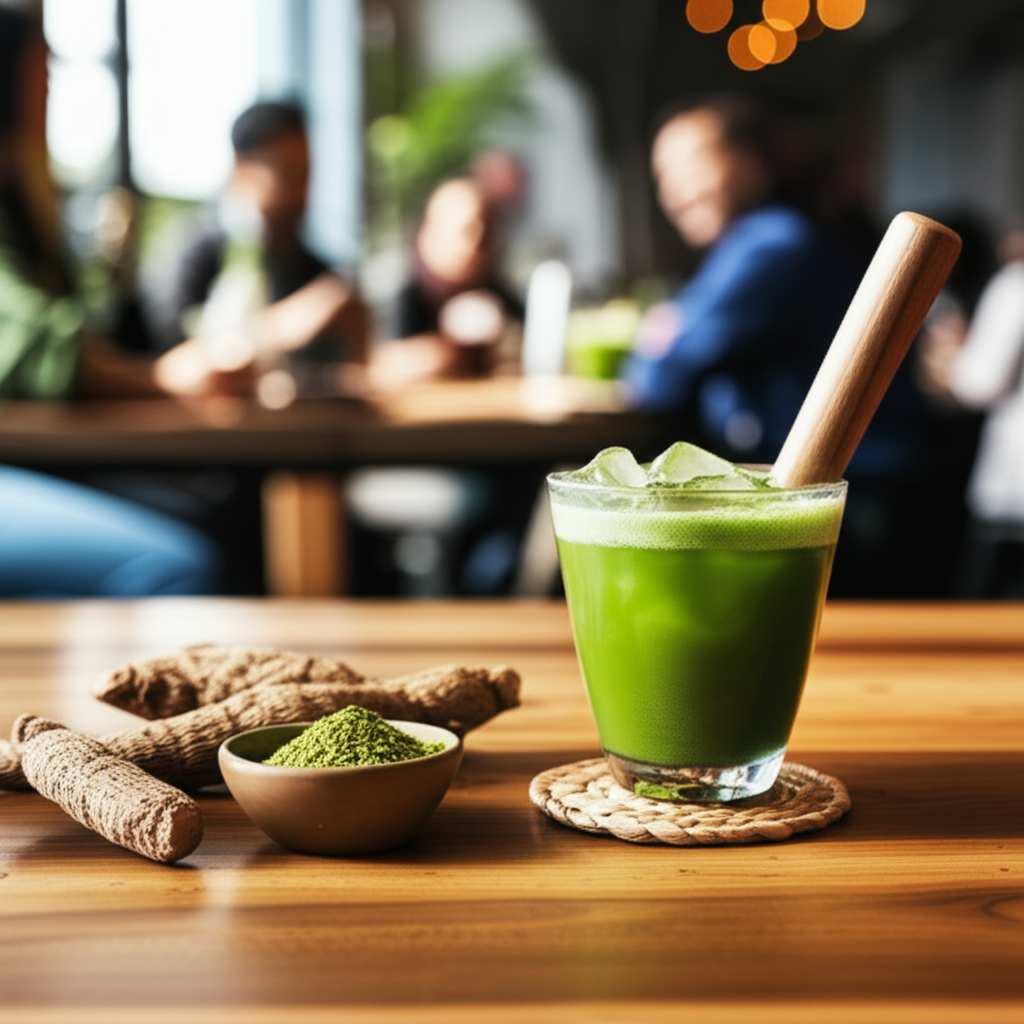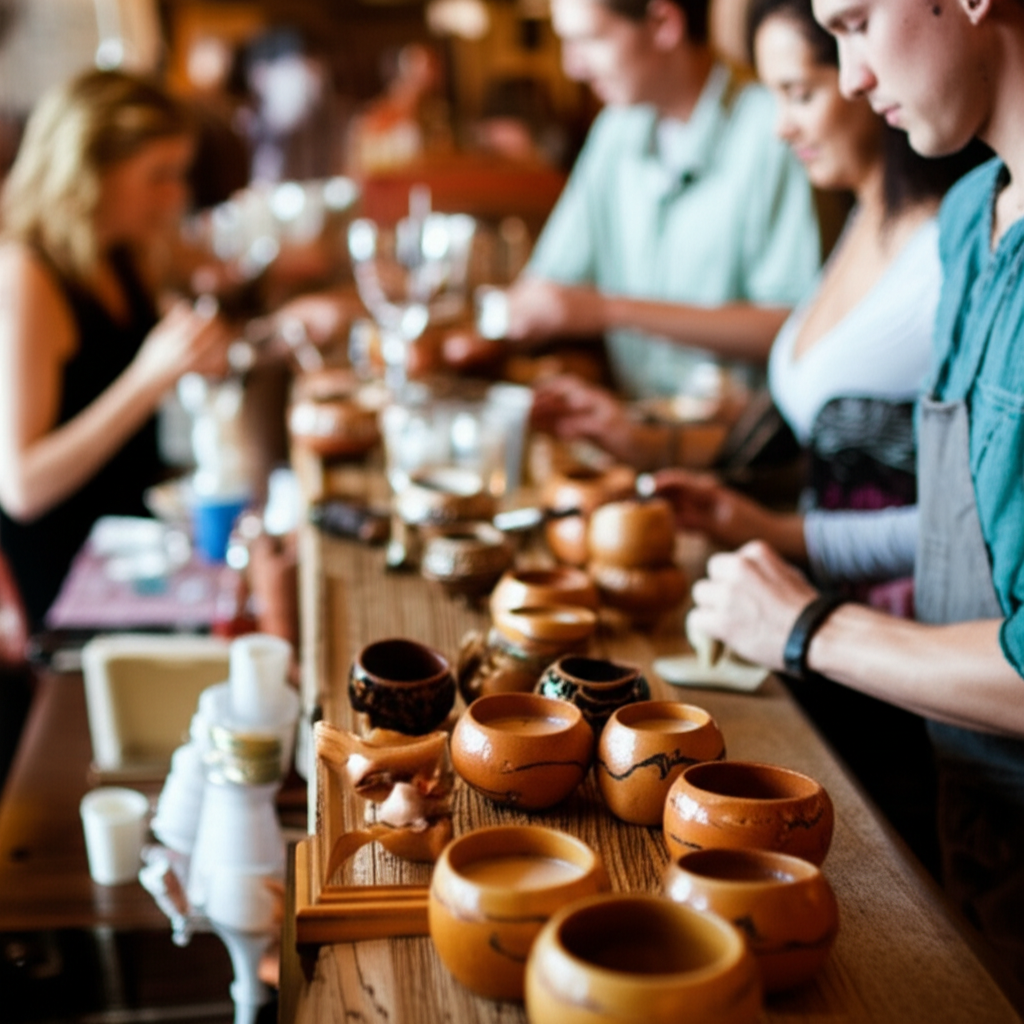
As we step into 2026, the kava and-kratom industry continues to grow in ways that surprise even longtime observers. Kava bars, once you could only find in a handful of Pacific Rim cities, are now popping up in places you'd never expect. This shift feels significant—not because of some grand transformation, but because these spaces are filling a real need for people looking for alternatives to alcohol.
The Rise of Kava Bars: A Wave of New Openings
Over the past year, new kava lounges have opened in cities like Denver and Atlanta, and the reception has been enthusiastic. I visited Kava Haven in Denver last month and talked to the owner, who told me they struggled to keep up with demand during their first three months. That's telling—there's clearly appetite for this kind of space.
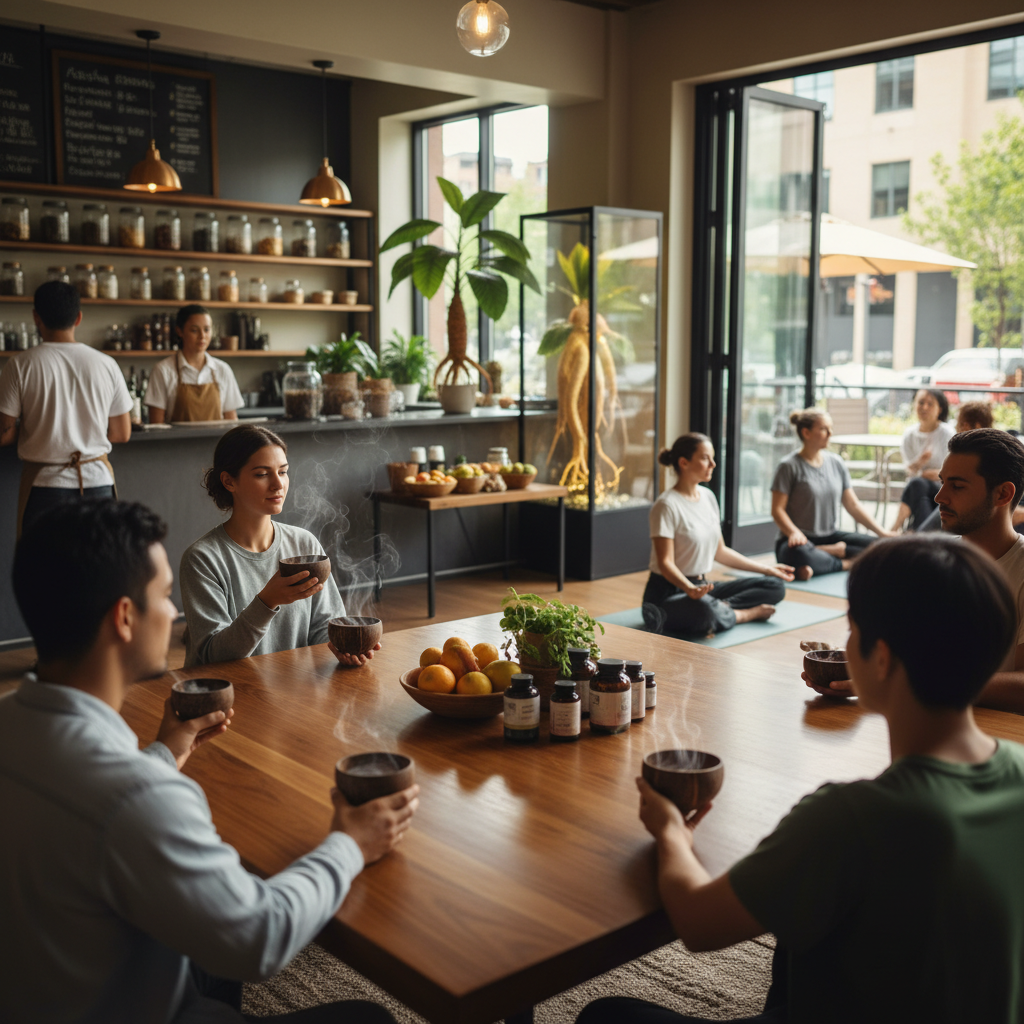
These new bars do more than serve kava. Denver's Kava Haven hosts educational events about South Pacific traditions, while Atlanta's Tranquil Roots pairs kava with live music and small plates. The model is evolving from simple beverage service to something closer to a community center—somewhere between a咖啡馆 and a neighborhood bar, minus the alcohol.
What's interesting is the geographic spread. It's not just major cities anymore. I've heard about pop-up kava events in smaller towns, particularly in the Southeast and Mountain West. The driving factor seems simple: people want somewhere to relax that doesn't involve drinking. That's the core appeal, and it's not complicated.
Dynamics in the Kratom Industry: Market Trends and Innovations
The kratom side of things is moving in a different direction. While kava bars are expanding outward, kratom is going more mainstream in product form. Online retailers and specialty shops report strong growth—some telling me sales have jumped 20% compared to last year.
The big shift is in how kratom gets processed and sold. Companies are paying more attention to where their leaves come from, working directly with farmers in Southeast Asia to ensure ethical harvesting. The encapsulated products are particularly popular now—pre-measured doses in small bottles that fit in your pocket. Convenience matters to consumers, and businesses are responding.
Here's something I didn't expect: several kava bars have started offering kratom alongside their drinks. Some mix it into blended beverages. It's not universal, but it's enough of a trend that regular patrons now ask about it. This crossover between industries makes sense—both plants appeal to the same crowd looking for natural alternatives.
Insights from Recent Kava Wellness Studies
Research on kava has picked up, and the early 2026 studies are worth noting. A team of botanists and health researchers published findings in January examining how regular kava consumption affects stress and mood. They worked with a focus group of daily users over six months.
The results showed something straightforward: most participants reported feeling more relaxed without experiencing the foginess that comes with pharmaceutical alternatives. The kavalactones—the active compounds in kava—appear to interact with the body's stress response in a way that's different from sedatives. That's the key distinction the researchers emphasized.
The study wasn't revolutionary, but it added to the evidence base. More importantly, it connected kava use to community wellness—people who visited kava bars regularly reported lower stress levels than those who used kava at home alone. Social context matters, and the research finally acknowledged that.
The Interplay Between Kava Bars, Kratom, and Industry Growth
These pieces fit together better than they did even two years ago. Kava bars have become the visible storefront for both industries, hosting tastings and educational workshops that introduce people to krat定m as well. I've attended a few of these events—they're effectively doing the marketing work that paid advertising never could.
The economic ripple effects are real. Suppliers are scaling up, farmers in the Pacific Islands and Southeast Asia are seeing more stable demand, and new jobs are appearing in distribution and retail. The wellness research gives these businesses something they didn't have before: credibility. When someone asks "is this stuff actually good for you," there's now a study to point to.
Challenges and Future Outlook
It's not all smooth sailing. Product quality varies wildly between vendors, and the regulatory situation remains a patchwork—legal in most states, but with different rules everywhere. Third-party testing should be standard but isn't always. Consumer education matters, and the industry knows it.
Looking forward, I'm watching how technology integrates with these spaces. Some bars already have apps for ordering. Online education platforms for kava and krat定m are growing. These tools could help or hurt, depending on how they're used.
2026 Update
Just since I started writing this piece, two more kava bars have opened in Phoenix and Nashville—confirming the expansion shows no signs of slowing. The combined market is on track to hit estimates earlier than projected, driven largely by these new brick-and-mortar locations.
Whether you're curious about kava or have been drinking it for years, the scene is changing fast. The basics remain the same—good kava, good company, a place to unwind—but the options are multiplying. That's the real story here, and it's just getting started.
- Kava bars are opening across the country, not just in major cities.
- Kratom products are becoming more convenient and better sourced.
- New research supports kava's stress-relieving properties in social settings.
- Both industries benefit from their overlap in retail spaces.