In the ever-evolving world of natural wellness, kava and kratom continue to capture the spotlight as go-to herbs for relaxation, focus, and overall well-being. As we step into 2026, a wave of innovation is sweeping through the kava and kratom industry, with new kava bars popping up in unexpected places and groundbreaking studies shedding light on their potential health benefits. This article dives deep into the latest developments, exploring how these trends are interconnected and what they mean for enthusiasts and newcomers alike.
The Rise of Innovative Kava Bars Across the Nation
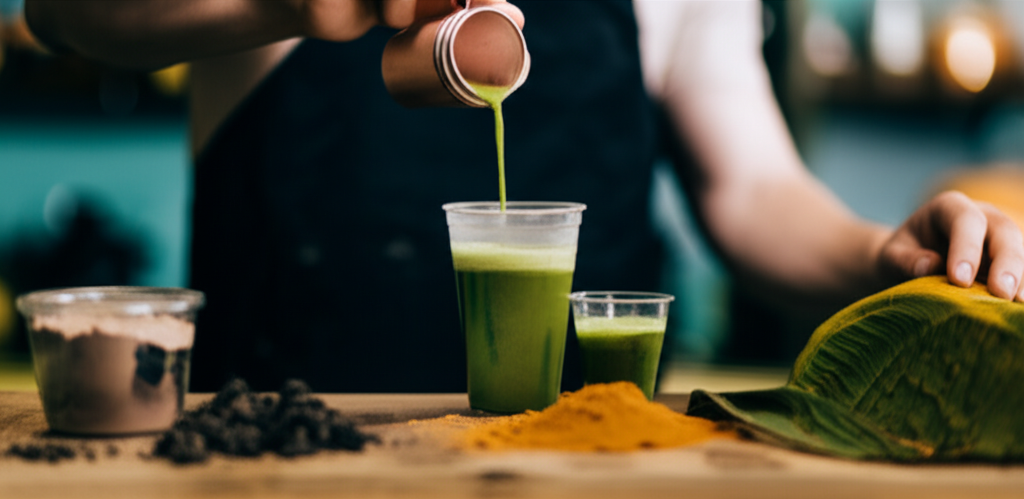
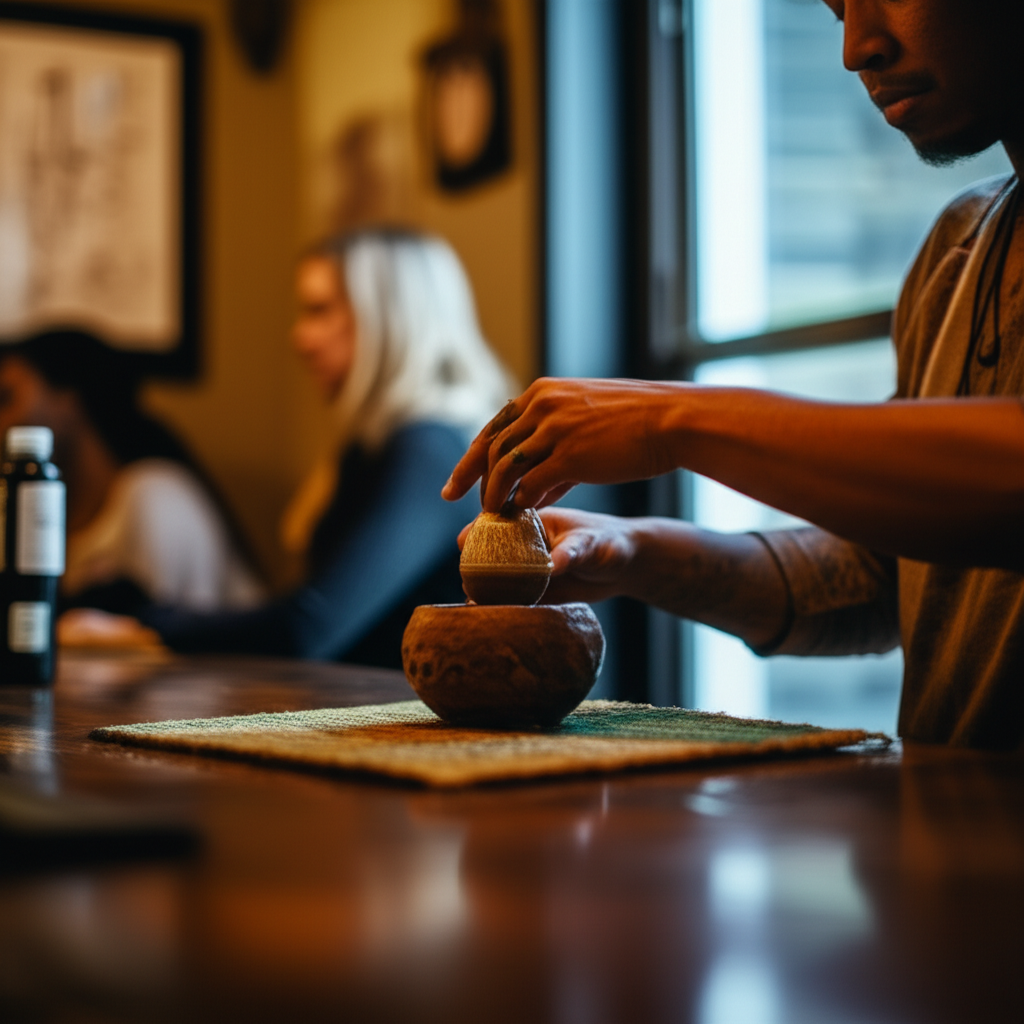
Kava bars have become more than just spots for a relaxing drink; they're vibrant community hubs fostering a sense of belonging and cultural exchange. In early 2026, several new kava bars have opened their doors, particularly in urban centers like Portland and Austin, blending traditional Pacific Island roots with modern twists. For instance, a newly launched bar in Portland, named "Island Escape," offers immersive experiences that go beyond the standard kava serving. Patrons can participate in guided tastings, learn about the history of kava cultivation, and even engage in mindfulness sessions paired with their drinks.
These bars are not just about consumption; they're educational spaces. "Island Escape" incorporates elements like kava-infused mocktails and kratom-based energy boosters, attracting a diverse crowd from young professionals seeking stress relief to older adults looking for natural alternatives to caffeine. This growth in kava bars is a testament to the increasing demand for non-alcoholic social venues, especially as more people prioritize mental health in their daily routines.
According to industry reports, the number of kava bars in the U.S. has doubled since 2023, with projections indicating even faster expansion in 2026. This boom is fueled by a desire for authentic, plant-based experiences that promote relaxation without the downsides of alcohol. Kava bars are also adapting to local tastes, incorporating regional flavors and custom blends that make each visit unique, further driving foot traffic and loyalty.
Exploring the Kratom Industry's Momentum in 2026
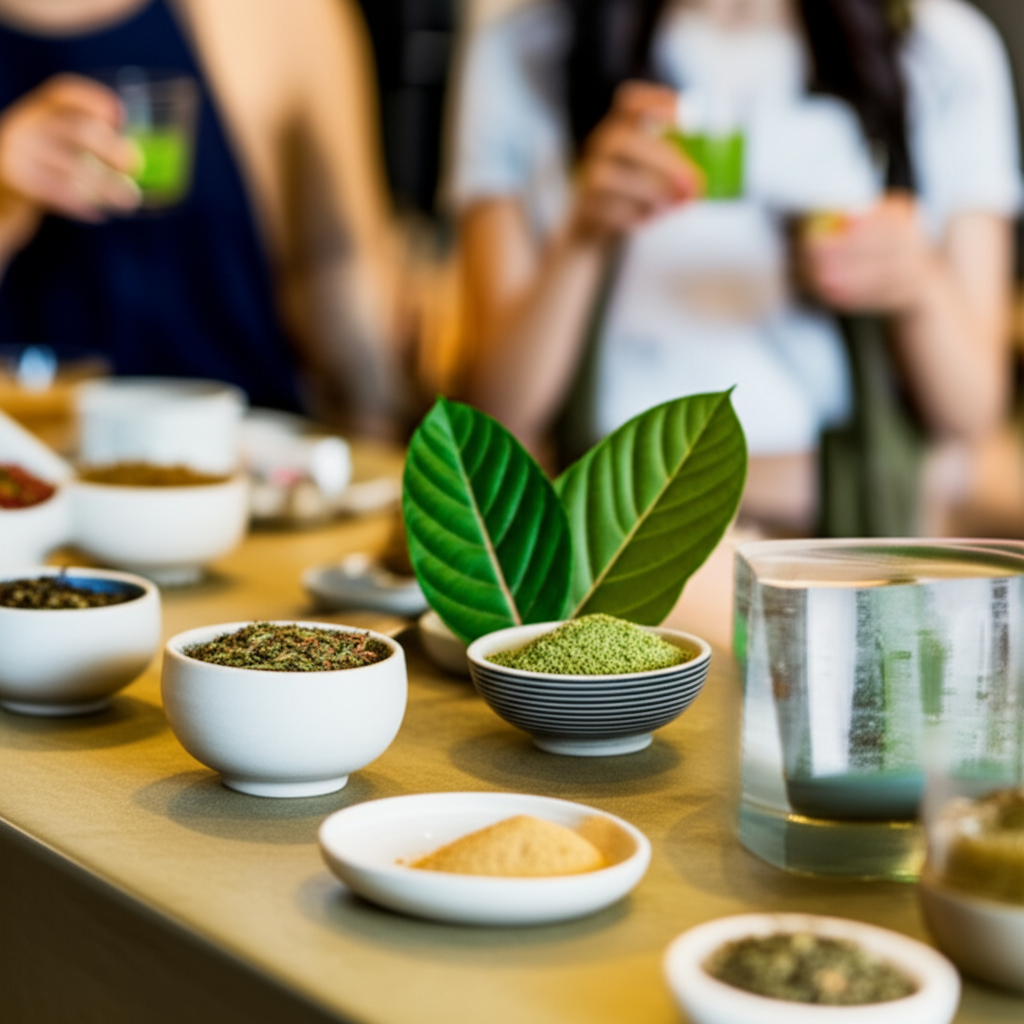
Parallel to the kava bar renaissance, the kratom industry is experiencing significant growth, with new regulations and market strategies shaping its future. Kratom, derived from the leaves of Mitragyna speciosa, has long been praised for its potential to enhance energy and alleviate discomfort, but 2026 marks a pivotal year for its mainstream acceptance. Recent data from industry analysts shows a 40% increase in kratom product sales over the past year, driven by online platforms and specialized retailers.
One key factor propelling this growth is the standardization of kratom products. In 2026, several states have implemented guidelines to ensure quality and safety, addressing past concerns and building consumer trust. This regulatory push has encouraged more farmers in Southeast Asia to adopt sustainable practices, leading to higher-quality kratom strains entering the market. For example, premium red vein kratom varieties are now more accessible, offering users potent options for relaxation and pain management.
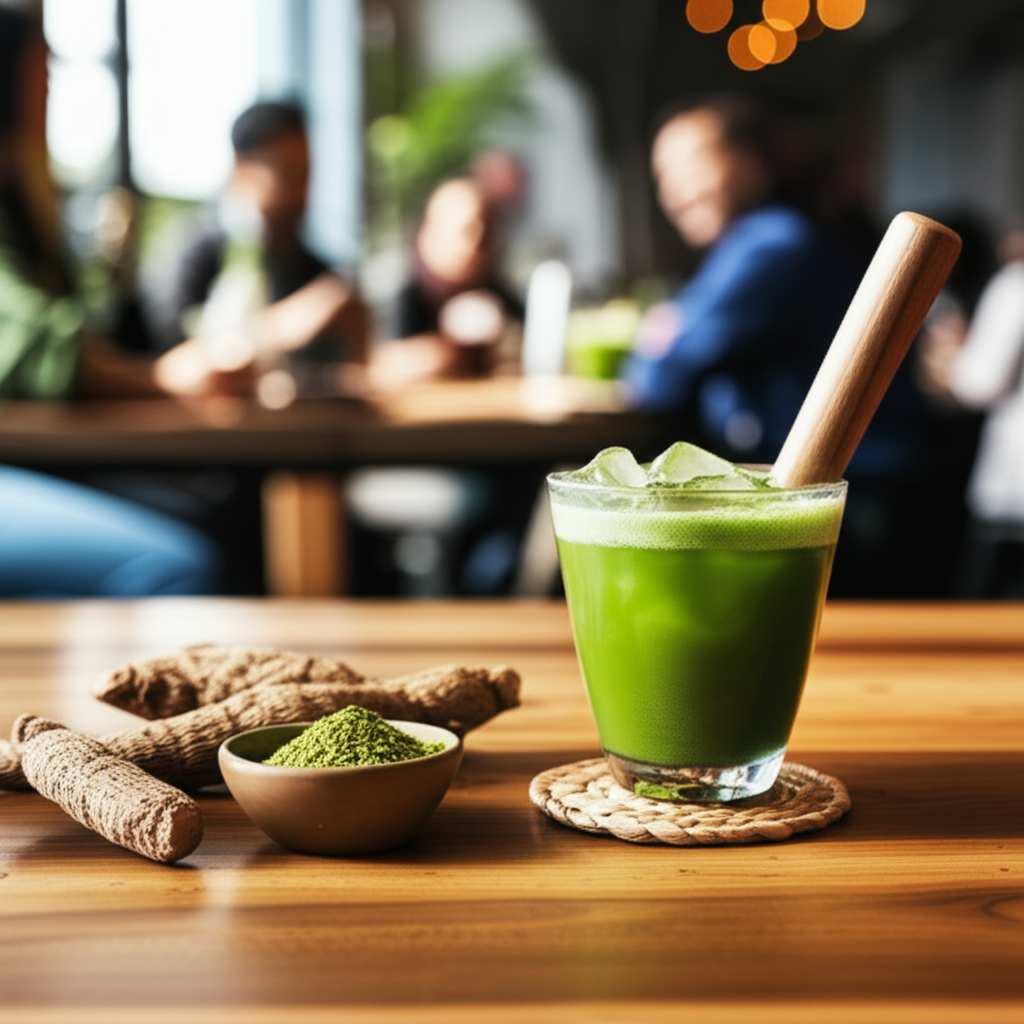
Kratom's integration into kava bars is another exciting development. Many bars, like "Island Escape," now feature kratom on their menus alongside kava, creating hybrid experiences that cater to different needs throughout the day. Morning visitors might opt for a kratom-infused tea for a gentle energy boost, while evening crowds prefer kava for unwinding. This synergy is not only expanding the kratom industry but also educating consumers on responsible use, with bars hosting workshops on dosage and effects.
- Key kratom trends in 2026 include the rise of encapsulated products for precise dosing.
- Sustainable sourcing is becoming a standard, with certifications ensuring ethical harvesting.
- Collaborations between kratom suppliers and kava bars are fostering innovation, such as blended beverages that combine the best of both worlds.
Breakthrough Studies on Kava's Health Benefits
Amidst these industry shifts, scientific research is playing a crucial role in validating the benefits of kava and kratom. A recent study published in early 2026 by researchers at a leading university has highlighted kava's potential in supporting cognitive function and reducing anxiety. This double-blind trial involved 200 participants and found that regular kava consumption led to noticeable improvements in stress levels and mental clarity, without the sedative effects associated with some pharmaceuticals.
The study focused on kavalactones, the active compounds in kava, which appear to interact with brain receptors to promote a state of calm alertness. Participants reported enhanced focus during daily tasks, making kava an attractive option for those in high-pressure environments like offices or creative studios. This research is particularly timely, as it aligns with the growing interest in natural nootropics—substances that boost brain performance.
Building on this, another investigation delved into the synergistic effects of combining kava with kratom. Preliminary findings suggest that this duo could offer balanced benefits, providing both relaxation and sustained energy. While more studies are needed, these results are already influencing product development in the industry, with companies creating kava-kratom blends tailored for specific wellness goals.
- Kava's anti-anxiety properties are backed by evidence, offering a natural alternative to traditional medications.
- Emerging research emphasizes the importance of strain selection for optimal benefits.
- Long-term studies are exploring kava's role in improving sleep quality, a common concern in modern society.
The Interconnection: How These Elements Shape the Future
The threads of kava bars, the kratom industry, and health benefits studies are intricately woven together, creating a robust tapestry for the kava/kratom sector. New kava bars serve as testing grounds for innovative products, while industry growth ensures a steady supply of high-quality herbs. Scientific studies provide the credibility needed to attract a broader audience, turning curiosity into commitment.
For instance, the success of bars like "Island Escape" is directly tied to positive research outcomes, as they use study findings in their marketing to educate customers. This holistic approach is fostering a more informed community, where users can make choices based on evidence rather than hype. As the industry matures, we're seeing increased partnerships between researchers, bar owners, and suppliers, all aimed at sustainable growth.
Looking ahead, the kava/kratom landscape in 2026 promises even more excitement. With ongoing studies and expanding bars, there's potential for global influence, perhaps inspiring new cultural exchanges and wellness practices. Whether you're a long-time enthusiast or a curious newcomer, staying engaged with these developments can enhance your personal wellness journey.
In conclusion, the surge of serenity brought by kava bars, kratom trends, and emerging studies is reshaping how we approach natural relaxation. By embracing these elements, the industry is not just growing—it's evolving into a cornerstone of modern wellness culture.