As we step into 2026, the kava and kratom industry continues to evolve, with kava bars emerging as vibrant hubs for social interaction and relaxation. A recent study highlighting kava's potential in fostering social wellness has sparked fresh interest, leading to innovative developments in kava bars and the broader kratom market. This article delves into how these findings are reshaping the industry, creating spaces that prioritize community and herbal harmony.
Understanding the Latest Kava Study
In early 2026, researchers from a leading herbal wellness institute released a compelling study on kava's role in enhancing social interactions. The study, which analyzed over 500 participants, found that regular consumption of kava extracts correlated with improved mood stability and reduced social anxiety. Participants reported feeling more at ease in group settings, attributing this to kava's natural compounds that promote a sense of calm without sedation.
This isn't the first time kava has been linked to mental health benefits, but this particular research emphasizes its social aspects. By examining brain activity through advanced neuroimaging, scientists observed increased activity in areas associated with empathy and communication. As one expert noted, 'Kava isn't just about relaxation; it's about building connections in our increasingly isolated world.'
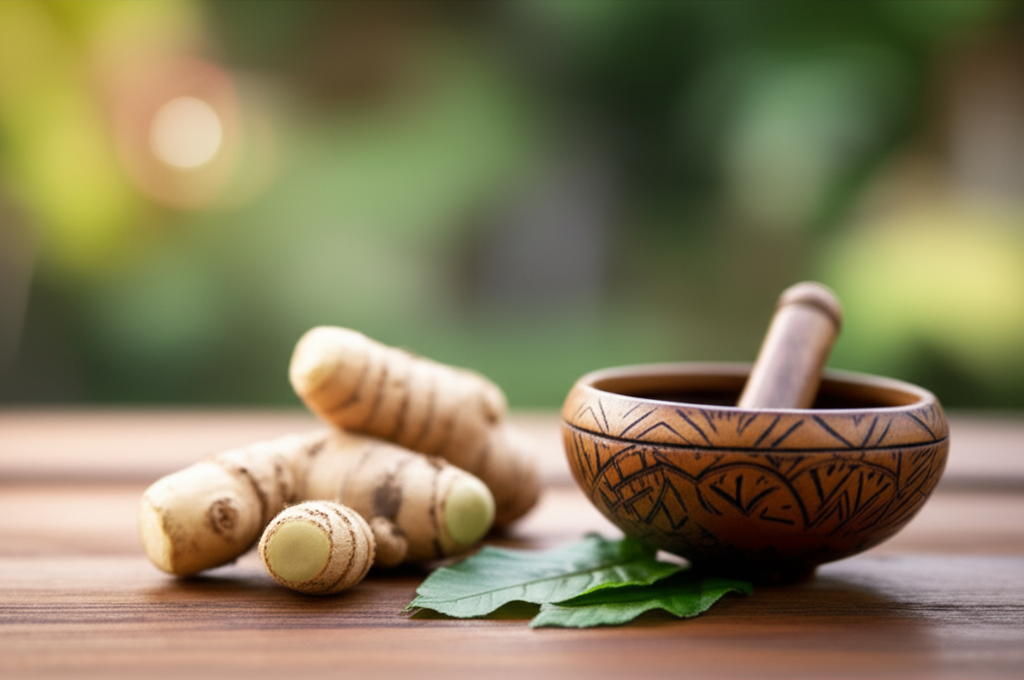
The study's methodology involved controlled doses of high-quality kava roots, sourced ethically from the South Pacific. This focus on purity and sustainability resonates with the kava industry's push for responsible sourcing, ensuring that the benefits are both effective and environmentally sound.
Transforming Kava Bars with Social Wellness in Mind
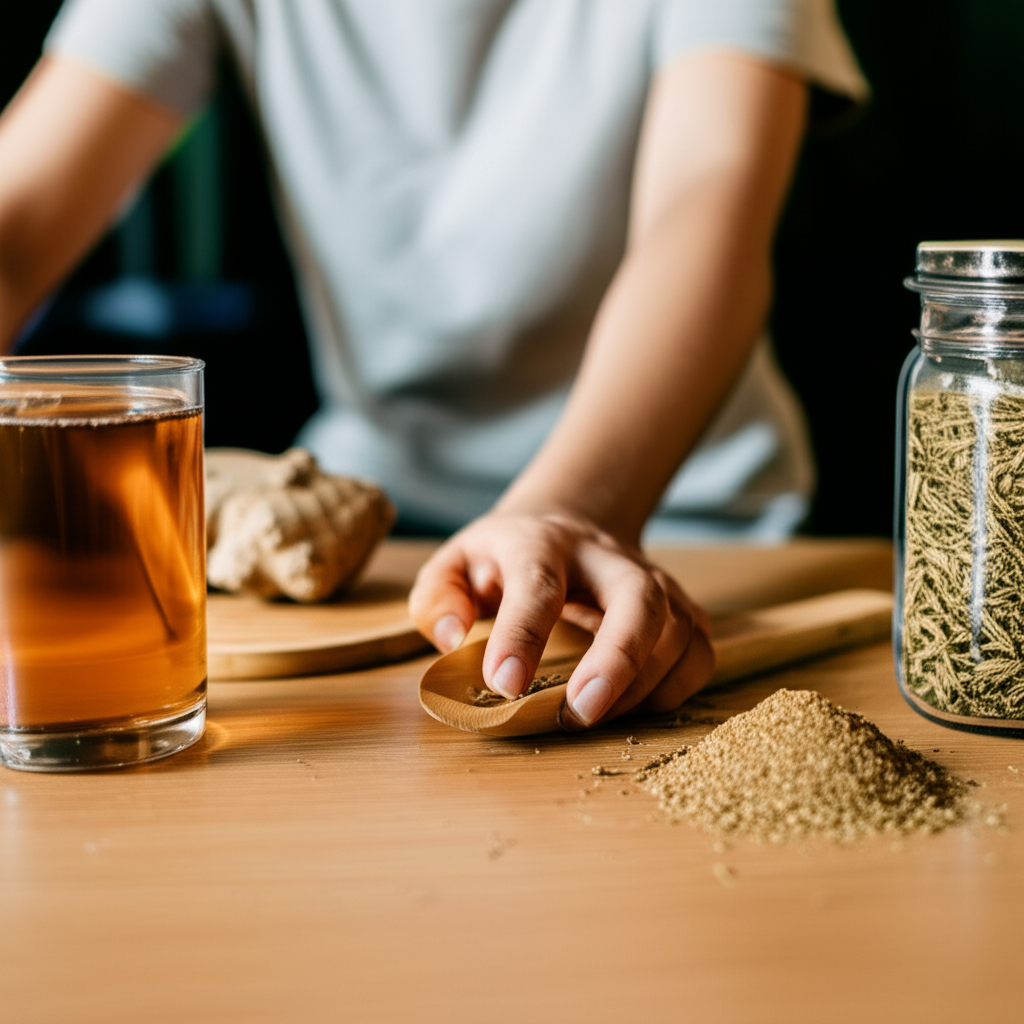
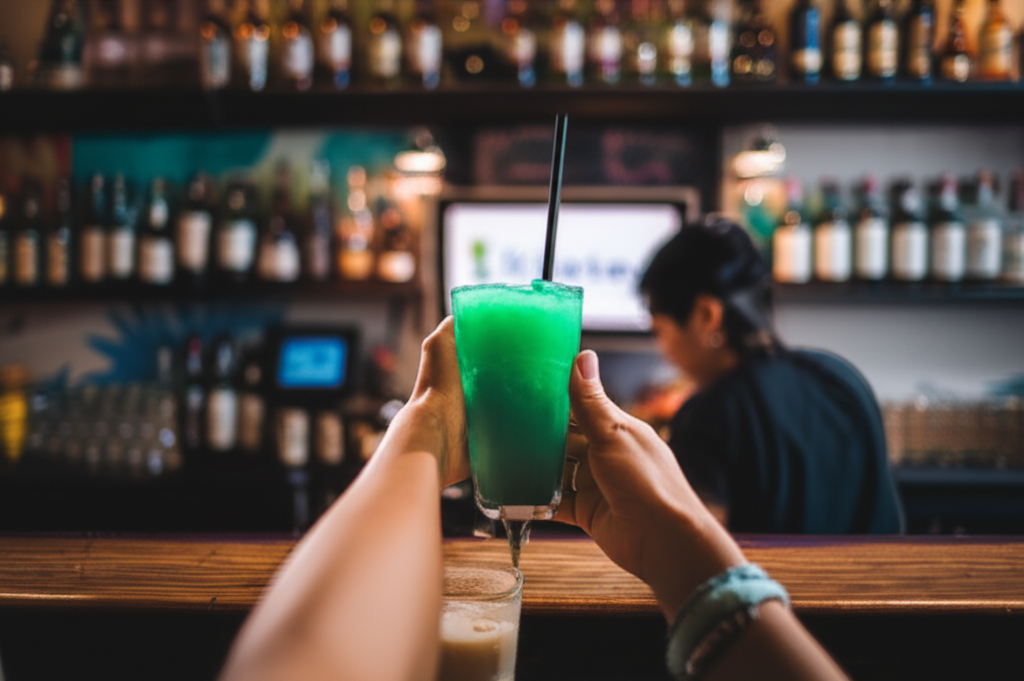
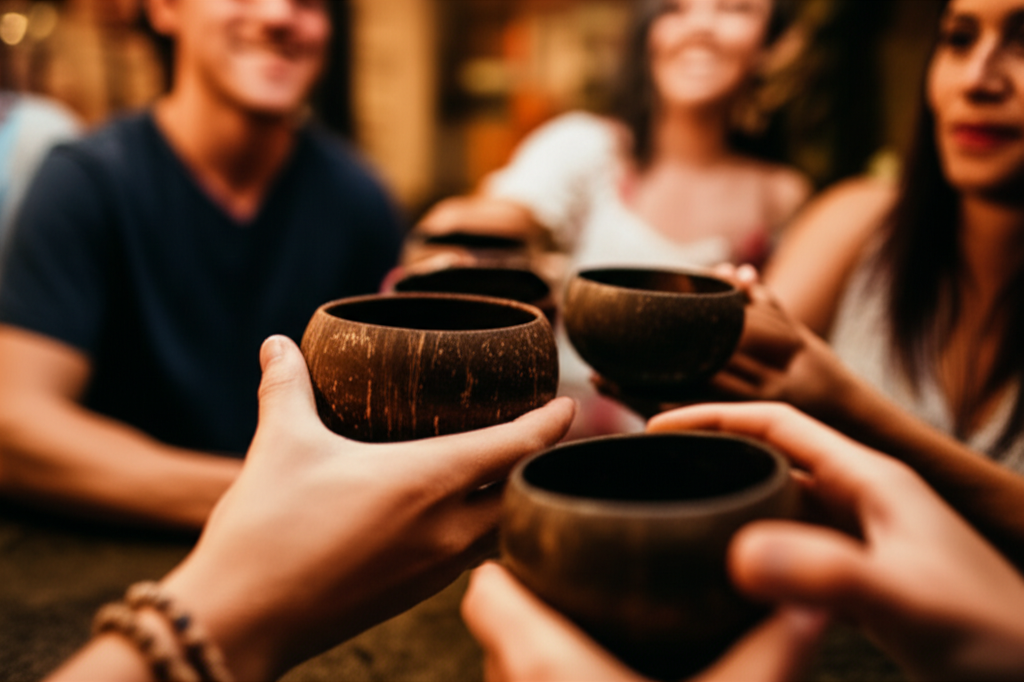
Kava bars, once seen as niche relaxation spots, are now evolving into community centers inspired by this new research. In cities like Denver and Austin, new kava bars are incorporating elements designed to enhance social experiences. For instance, interactive sessions where patrons share stories over kava drinks have become popular, mirroring traditional Pacific Island ceremonies adapted for modern settings.
One notable example is the recent opening of 'Kava Haven' in Portland, which features group workshops on kava preparation. These events not only educate visitors about kava's origins and benefits but also foster a sense of belonging. Bar owners are reporting a 30% increase in repeat customers since implementing these community-focused activities, according to industry surveys.
Moreover, kava bars are integrating technology to track and personalize experiences. Apps that recommend kava strains based on users' social goals—such as boosting conversation confidence—are gaining traction. This blend of tradition and innovation is making kava bars more accessible and appealing to younger demographics seeking natural alternatives to alcohol.
- Enhanced event programming, like kava tasting nights and cultural discussions.
- Partnerships with local artists to create immersive environments.
- Training staff to facilitate social interactions, drawing from the study's findings.
These changes are not just trends; they're backed by the study's evidence that kava can improve interpersonal dynamics, making kava bars essential spaces for social wellness in 2026.
The Kratom Industry's Response and Collaborations
While the study focuses on kava, it's creating ripples in the kratom industry, which often overlaps with kava in terms of consumer interests. Kratom, derived from the Mitragyna speciosa tree, is valued for its energizing and relaxing effects, and many in the industry see opportunities for synergy. Recent collaborations between kava bar owners and kratom suppliers are exploring blended products that combine the best of both worlds.
For example, a kratom producer in Southeast Asia has partnered with U.S.-based kava bars to develop hybrid beverages that incorporate kratom's stimulating properties with kava's calming effects. This fusion aims to offer a balanced experience for users seeking both energy and relaxation, potentially expanding the market reach.
Industry reports from 2026 indicate that kratom sales have grown by 25% in the past year, partly due to increased consumer education on complementary botanicals like kava. Regulatory bodies are also taking note, with new guidelines emphasizing quality control to ensure safe consumption. This cautious approach is helping to build trust and integrate kratom more seamlessly into kava bar offerings.
- New product lines featuring kava-kratom mixes for enhanced social settings.
- Educational campaigns highlighting the safe use of both herbs.
- Joint events at kava bars where experts discuss the benefits and differences between kava and kratom.
As the kratom industry adapts, it's clear that the kava study's insights are fostering a more interconnected ecosystem, where both plants contribute to holistic wellness.
Future Trends in the Kava and Kratom Industry
Looking ahead, the kava and kratom industry is poised for exciting developments. Experts predict that by the end of 2026, we'll see a surge in certified organic kava strains tailored for social benefits, driven by consumer demand for transparency. Kava bars might evolve into multi-functional spaces, offering not just drinks but also wellness retreats and online communities.
The kratom market could benefit from this by focusing on sustainable farming practices, ensuring a steady supply for innovative blends. As more studies emerge, we might uncover even deeper connections between these herbs and mental health, further solidifying their place in daily routines.
Challenges remain, such as navigating regulations and addressing misinformation, but the positive momentum from the recent study is undeniable. The industry is moving towards greater collaboration, with kava bars at the forefront of this transformation.
Conclusion: A Brighter Future for Kava and Kratom Enthusiasts
In summary, the new study on kava's social wellness benefits is revolutionizing kava bars and invigorating the kratom industry. By prioritizing community and natural remedies, these sectors are creating spaces that enhance connections and promote well-being. As we continue into 2026, embracing these developments could lead to a more relaxed and socially vibrant society.