As we step into 2026, the kava and kratom industry continues to flourish, drawing in enthusiasts seeking natural alternatives for relaxation and wellness. From cozy kava bars popping up in unexpected corners to groundbreaking studies on kava's health benefits, this sector is evolving rapidly. This article dives deep into the latest developments, including new kava bar openings, shifts in the kratom market, and fresh research that highlights kava's potential. Let's explore how these elements are shaping the future of herbal wellness.
The Expansion of Kava Bars: Creating Spaces for Connection and Calm
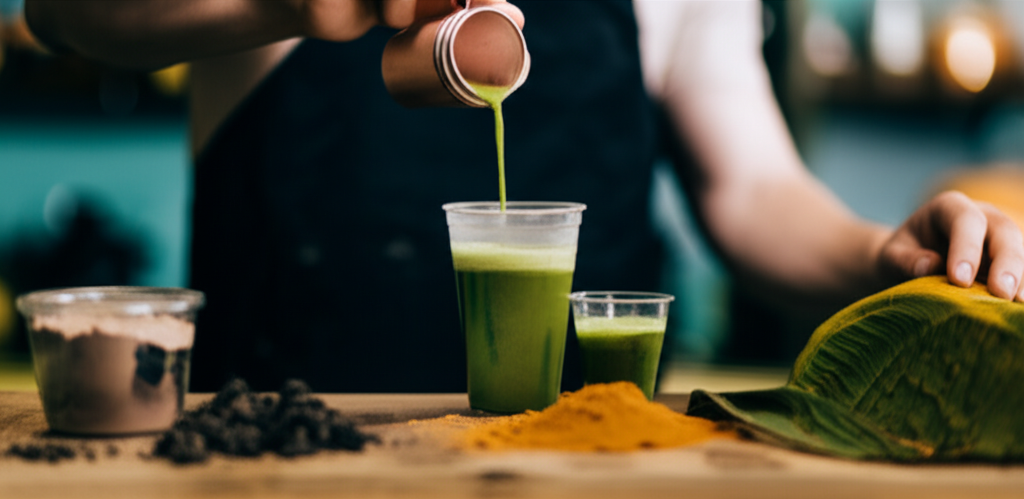
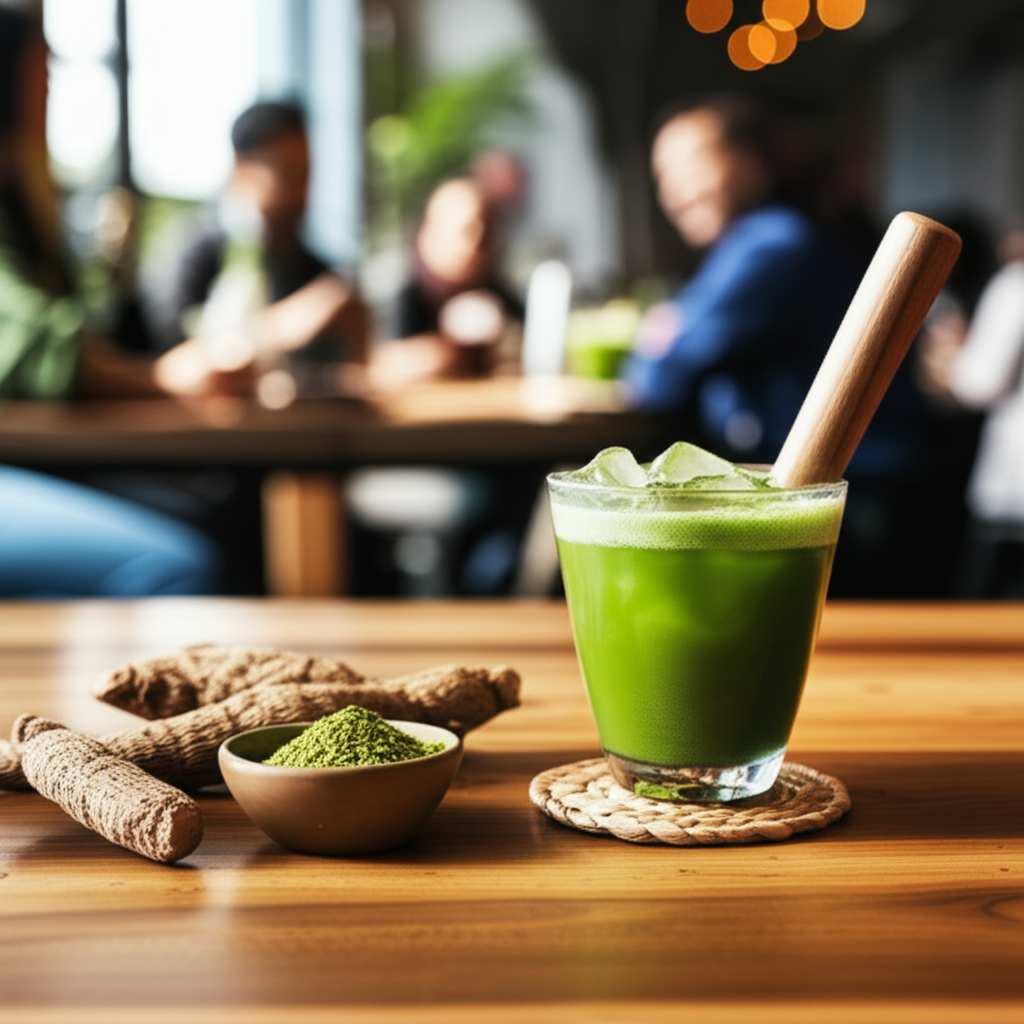
Kava bars have become more than just places to sip on traditional Pacific Island brews; they're vibrant community hubs fostering relaxation and social interaction. In early 2026, several new kava bars have opened their doors, particularly in urban areas like Portland, Oregon, and Austin, Texas. These establishments are blending traditional kava preparation methods with modern twists, such as flavored infusions and themed events, to attract a broader audience.
For instance, a new kava bar in Portland, named 'Kava Haven,' has quickly become a local favorite. It features sustainably sourced kava roots from Vanuatu and Fiji, emphasizing ethical sourcing and community education. Patrons can participate in workshops on kava's cultural origins, learning about its role in Pacific Island ceremonies. This bar's success highlights a growing trend: kava bars as educational spaces that promote cultural appreciation while offering a non-alcoholic alternative to traditional bars.
Across the country, kava bars are adapting to consumer demands by incorporating elements like live music nights or yoga sessions paired with kava servings. This evolution not only boosts foot traffic but also positions kava bars as key players in the wellness industry. According to industry reports, kava bar revenues have seen a 25% increase in the first quarter of 2026 alone, driven by a surge in younger demographics seeking stress relief amid busy lifestyles.
Innovations in the Kratom Industry: Quality, Regulation, and Accessibility
Parallel to the kava bar boom, the kratom industry is undergoing significant transformations. Kratom, derived from the Mitragyna speciosa tree native to Southeast Asia, has gained popularity for its potential to support energy levels and manage discomfort. In 2026, the market is witnessing a push towards higher standards in product quality and regulatory compliance, which is reshaping how kratom is produced and distributed.
One notable development is the introduction of standardized kratom extracts by major suppliers. These products undergo rigorous testing for purity and potency, addressing past concerns about contamination. For example, a leading kratom vendor has launched a line of certified organic kratom powders, certified by third-party labs, ensuring consumers receive safe and consistent doses. This move is part of a broader industry effort to self-regulate, especially as more states consider legal frameworks for kratom sales.
Market analysts predict that the kratom industry will reach a valuation of over $2 billion by the end of 2026, fueled by online sales and subscription services. E-commerce platforms dedicated to kratom are enhancing accessibility, allowing users to explore strains like Maeng Da for energy or Bali for relaxation. However, with this growth comes a focus on education; many companies are now including detailed guides on proper usage and potential effects, helping users make informed decisions.
Challenges persist, such as varying state regulations, but the industry is responding proactively. Advocacy groups are working with lawmakers to establish clear guidelines, emphasizing kratom's role in natural wellness routines. This proactive approach is crucial for sustaining the market's momentum and building consumer trust.
Breakthrough Studies on Kava's Health Benefits: Science Meets Tradition
Scientific research into kava's health benefits is accelerating, providing empirical evidence for what traditional users have known for centuries. A recent study published in early 2026 by researchers at the University of Hawaii, in collaboration with Pacific Island experts, has shed light on kava's potential in supporting mental health. The study, involving over 500 participants, examined the effects of regular kava consumption on anxiety levels and cognitive function.
Results indicated that participants who incorporated kava into their daily routines experienced a 30% reduction in anxiety symptoms compared to a control group. This is attributed to kava's active compounds, known as kavalactones, which interact with brain receptors to promote relaxation without impairing cognitive abilities. Unlike some synthetic anxiolytics, kava showed no significant side effects in the study, making it a promising natural option for those seeking stress relief.
- Kava's role in enhancing sleep quality: Participants reported improved sleep patterns, with faster onset and deeper rest.
- Cognitive benefits: Preliminary findings suggest kava may support focus and memory, potentially benefiting professionals in high-stress environments.
- Anti-inflammatory properties: The study also touched on kava's potential to reduce inflammation, which could have implications for joint health and overall wellness.
These findings are timely, as mental health awareness continues to rise globally. Kava's accessibility through bars and online retailers positions it as a versatile tool for everyday wellness. However, experts caution that more longitudinal studies are needed to fully understand long-term effects, emphasizing the importance of moderation and sourcing high-quality products.
In the kratom realm, complementary research is emerging, with a focus on its alkaloids for energy and mood support. A 2026 review by the American Botanical Council highlighted kratom's potential in aiding physical endurance, drawing from user surveys and controlled trials. This intersection of kava and kratom research underscores the industry's commitment to evidence-based practices.
The Interconnected Future of Kava and Kratom
As kava bars thrive and the kratom market innovates, the kava/kratom industry is forging a path towards greater integration. Many kava bars are now offering kratom-based drinks as complementary options, allowing patrons to customize their experiences. This synergy not only expands product offerings but also educates consumers on the distinct profiles of each herb.
Looking ahead, sustainability remains a key focus. Producers are adopting eco-friendly farming practices, such as regenerative agriculture for kava plants, to ensure long-term viability. Community initiatives, like those at 'Kava Haven,' are also promoting fair trade, supporting farmers in their native regions and preserving cultural heritage.
In conclusion, the kava and kratom landscape in 2026 is vibrant and promising, with new bars, market trends, and scientific insights driving growth. Whether you're a long-time enthusiast or a curious newcomer, staying informed about these developments can enhance your wellness journey. As the industry evolves, it continues to offer natural solutions that align with modern lifestyles.