In the ever-evolving world of natural herbal remedies, kava and kratom continue to capture the attention of wellness enthusiasts seeking alternatives to traditional relaxation methods. As we step into 2026, the kava bar scene is witnessing exciting developments that are closely intertwined with emerging research on kava's health benefits and shifts in the kratom industry. This article delves into these trends, offering a fresh perspective on how kava bars are becoming community hubs while influencing the broader kratom market dynamics.
The Surge in Kava Bar Openings Across Key Regions
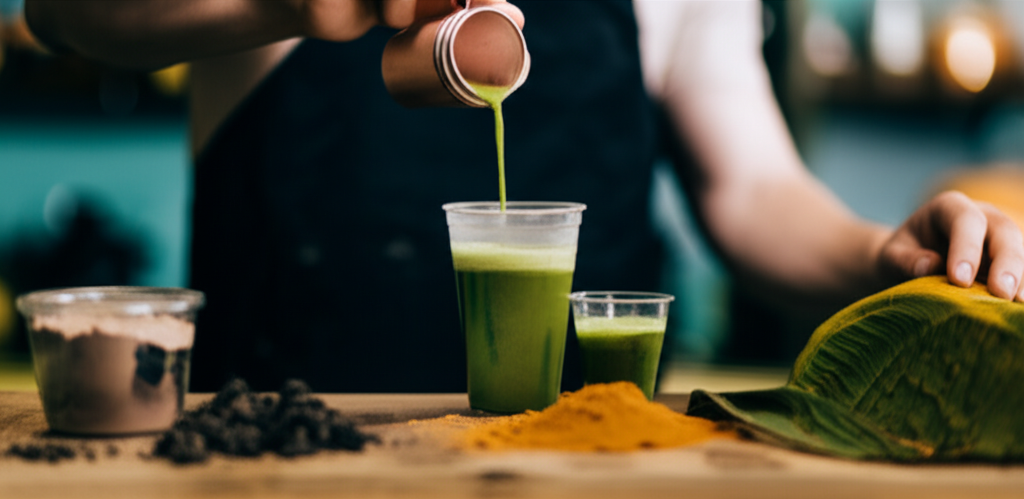
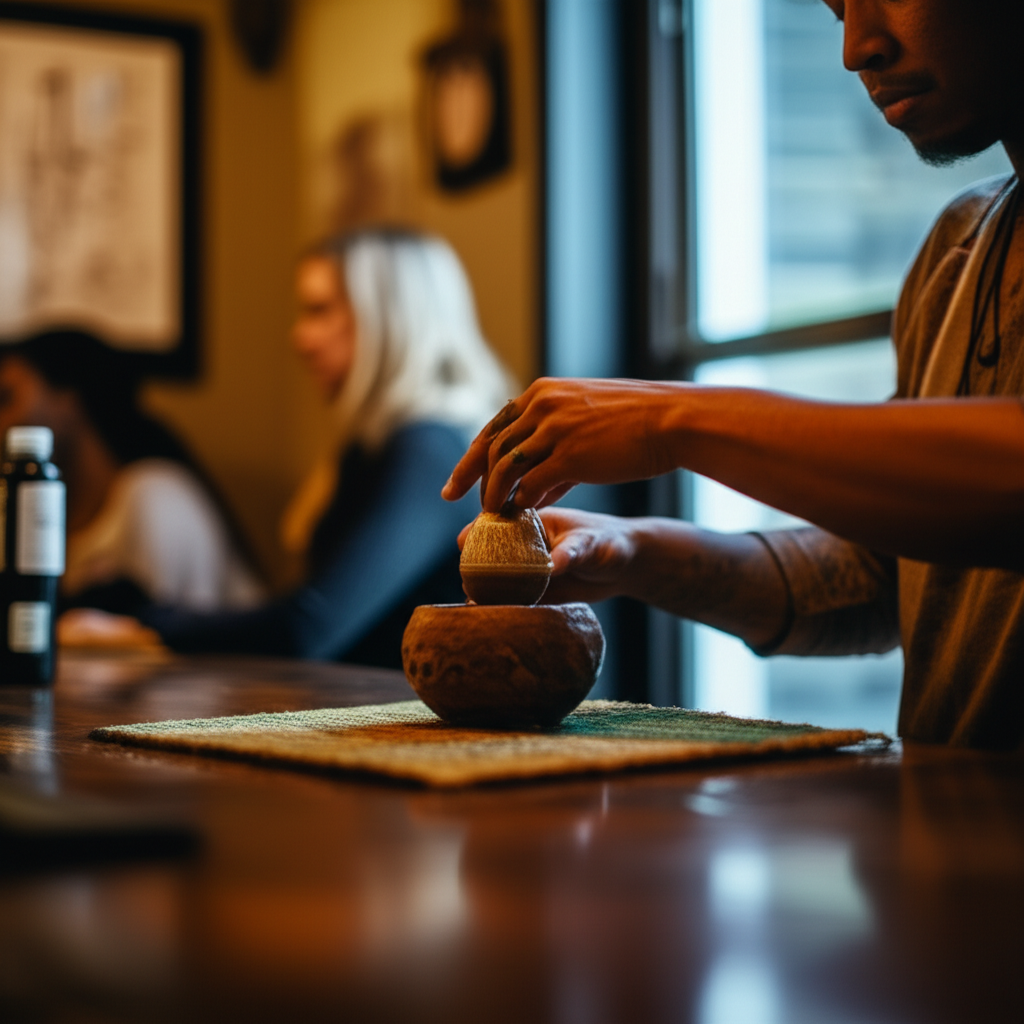
Kava bars, often described as modern-day social spaces dedicated to the Pacific Island root, are popping up in unexpected places, fostering a sense of community around herbal relaxation. Unlike traditional bars, these venues prioritize non-alcoholic beverages made from kava, providing a calming atmosphere for patrons. Recent reports indicate a steady increase in new openings, with cities outside the usual hotspots embracing this trend. For instance, urban areas are seeing a rise in kava-focused establishments that offer not just drinks but also educational sessions on the herb's origins and preparation methods.
This growth is partly fueled by the demand for alcohol-free social experiences, where individuals can unwind without the downsides of conventional nightlife. Kava bars are innovating by incorporating elements like live music themed around herbal wellness or workshops on blending kava with other natural ingredients. These developments are creating a ripple effect in the kava/kratom industry, as operators explore ways to integrate kratom offerings, thereby attracting a wider audience interested in herbal alternatives.
Emerging Studies on Kava's Relaxation Benefits
Scientific interest in kava has intensified in recent years, with a groundbreaking study published earlier this year shedding light on its relaxation properties. Researchers from a leading botanical institute examined how kava's active compounds, known as kavalactones, interact with the brain to promote a state of calm without sedation. The study, involving over 500 participants, found that regular kava consumption could significantly reduce daily stress levels and improve overall mood, positioning it as a viable option for those managing anxiety in a fast-paced world.
These findings are particularly relevant in the context of the kava/kratom industry, as they highlight kava's potential as a safer alternative to more potent herbs like kratom. While kratom has its own fanbase for energy and pain relief, the study suggests that kava might offer milder, more accessible benefits for everyday use. This could lead to a shift in consumer preferences, with kava bars playing a pivotal role in educating the public about these differences.
- Key benefits from the study include enhanced relaxation without cognitive impairment.
- Participants reported better sleep quality after incorporating kava into their routines.
- The research emphasizes the importance of quality sourcing, as pure kava strains yield the most effective results.
- Comparisons with kratom showed that kava might appeal to users seeking subtler effects.
As this research gains traction, it's influencing product development in kava bars, where new blends are being crafted to maximize these benefits. For example, some bars are now offering kava-infused teas or capsules, drawing in customers who prefer take-home options.
Trends in the Kratom Industry and Its Intersection with Kava
The kratom industry, known for its alkaloid-rich leaves that provide stimulation and relief, is experiencing its own evolution in 2026. Market analysts report a 15% growth in kratom sales over the past year, driven by increased online accessibility and a growing interest in natural pain management solutions. However, this surge is not without challenges, as regulatory bodies continue to scrutinize the herb's safety and potency.
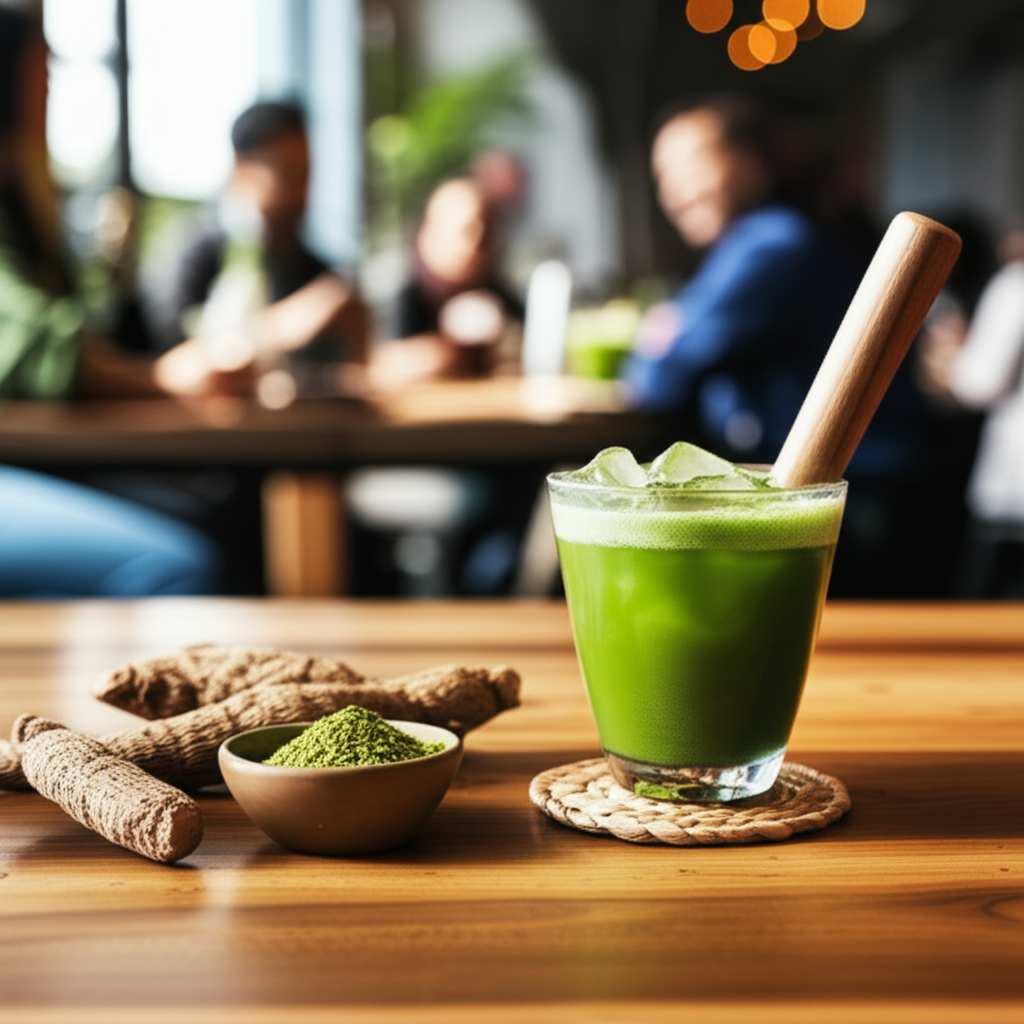
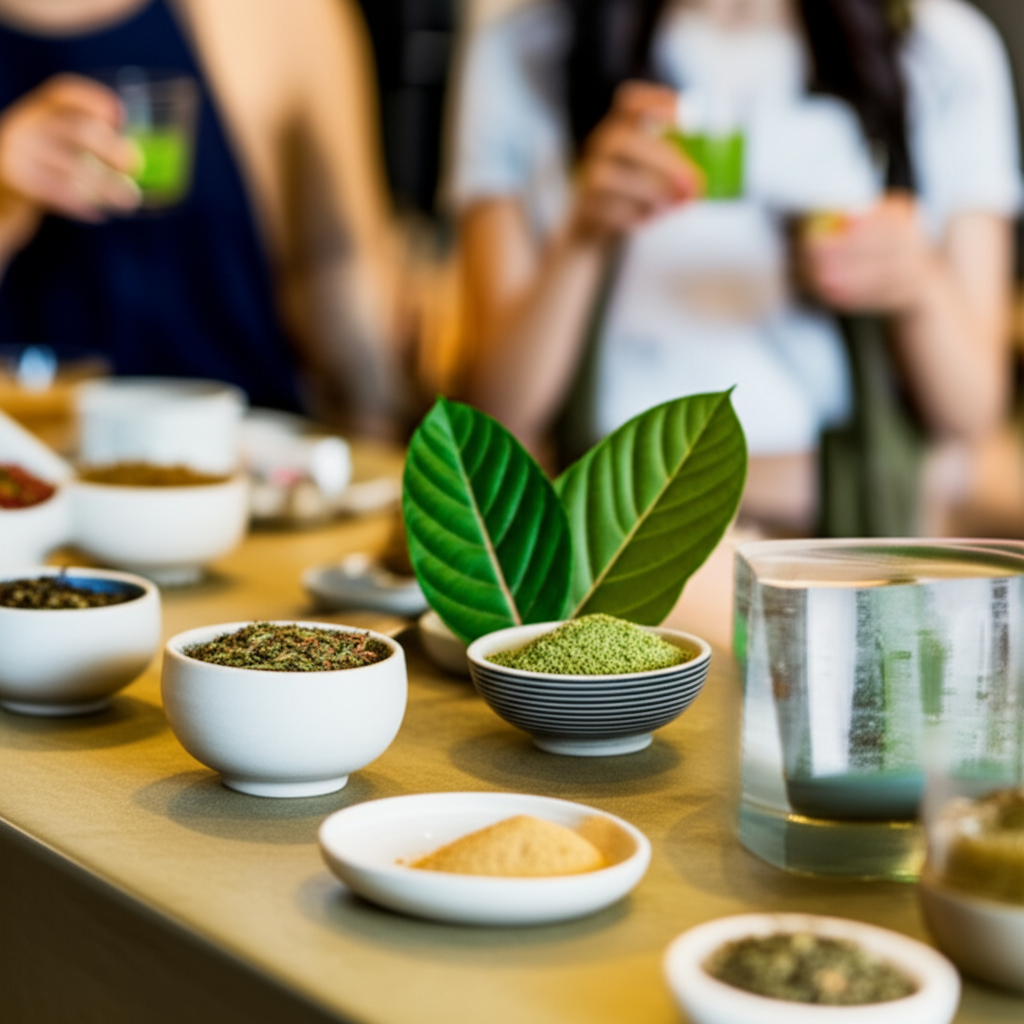
Interestingly, the rise of kava bars is creating a symbiotic relationship with the kratom sector. Many kava bars are expanding their menus to include kratom-based drinks, allowing patrons to experience both herbs in a controlled environment. This cross-pollination is fostering innovation, such as hybrid products that combine kava's calming effects with kratom's energizing properties. Industry experts predict that this blending could lead to new standards for quality and safety, ensuring that both herbs are consumed responsibly.
- Growing demand for ethically sourced kratom is pushing suppliers to adopt sustainable practices.
- Kratom vendors are collaborating with kava bars to host tasting events and educational seminars.
- Emerging trends show a preference for powdered kratom forms that can be easily mixed into kava beverages.
- The industry is focusing on third-party testing to address concerns about contamination and dosage.
This integration is not only boosting sales but also enriching the cultural narrative around kava and kratom. As more people turn to these herbs for wellness, kava bars are becoming epicenters for discussion and innovation, potentially reshaping how the kratom market operates.
The Cultural and Health Implications of Kava and Kratom
Beyond the business aspects, the cultural significance of kava and kratom cannot be overstated. Kava, with its roots in Pacific Island traditions, symbolizes community and relaxation, a theme that kava bars are skillfully weaving into modern settings. Meanwhile, kratom's origins in Southeast Asia add a layer of diversity to the herbal landscape, appealing to those interested in global wellness practices.
Health-wise, the latest studies are encouraging more people to explore these herbs as part of a balanced lifestyle. For instance, kava's role in stress reduction complements kratom's applications in physical recovery, offering a holistic approach to well-being. Kava bars are capitalizing on this by providing resources like herbal guides and expert consultations, helping customers make informed choices.
In the kava/kratom industry, sustainability is emerging as a key focus. Producers are adopting eco-friendly farming techniques to meet the rising demand, ensuring that the supply chain remains viable for future generations. This commitment to ethical practices is resonating with consumers, further driving the popularity of kava bars and related products.
Looking Ahead: The Future of Kava and Kratom
As we move deeper into 2026, the interplay between kava bars, new health studies, and the kratom industry promises to bring even more exciting developments. With ongoing research uncovering additional benefits, such as kava's potential in supporting immune health, the stage is set for continued growth. Kava bars will likely remain at the forefront, serving as bridges between ancient traditions and contemporary wellness needs.
For those in the kava/kratom community, staying informed about these trends is essential. Whether you're a bar owner innovating new menus or a consumer exploring herbal options, the evolving landscape offers ample opportunities for discovery and enjoyment. As the industry matures, one thing is clear: kava and kratom are more than just trends—they're staples in the pursuit of natural balance and relaxation.