Kava holds a special place in Pacific Island communities, celebrated for its relaxing effects and deep cultural significance. Today, as kava bars gain popularity in the US and beyond, the term "noble kava" has become a clear marker of quality. For kava bar owners, regular drinkers, and those interested in kava culture, knowing the difference between noble strains and other types is essential for a safe and satisfying experience.
What Sets Noble Kava Apart?
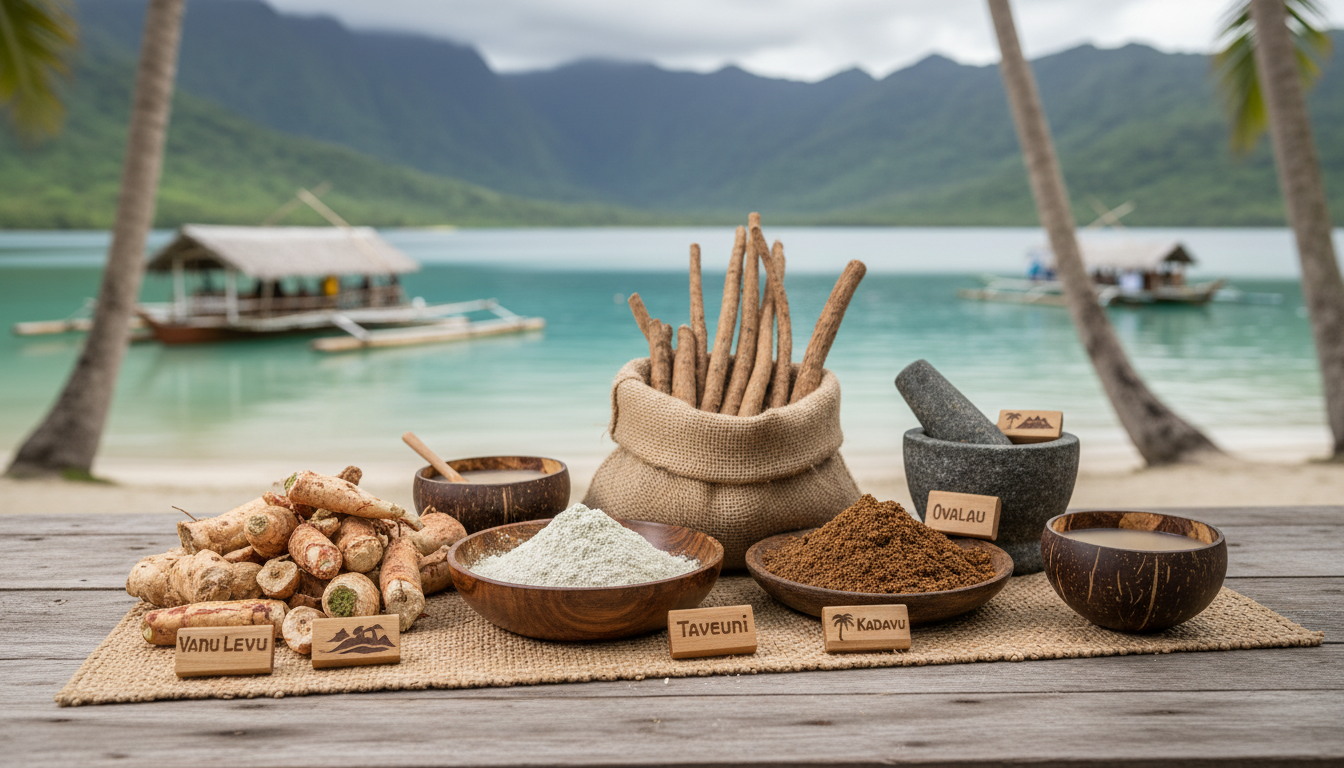
The kava plant (Piper methysticum) produces many strains, but not all are considered noble. Noble kava refers to specific cultivars traditionally grown in Fiji, Vanuatu, Tonga, and Hawaii. These strains have been selected over generations for their reliable effects, low risk of side effects, and palatable flavor. The term "noble" signals that the strain meets strict standards for both quality and safety.
- Kavalactone balance: Noble strains contain a distinct ratio of kavalactones, the compounds responsible for kava’s relaxing and mood-enhancing properties. This balance yields calming effects without excessive sedation or intoxication.
- Low risk of side effects: Noble kava is less likely to cause nausea, hangover-like symptoms, or headaches, making it ideal for frequent use in kava bars.
- Flavor profile: Noble kava often tastes smoother and earthier, which matters for drink recipes and customer satisfaction.
These qualities make noble kava the preferred option for commercial use and ensure a positive experience for both newcomers and seasoned enthusiasts.
Noble Kava vs. Tudei and Wild Strains
While noble kava is the gold standard, other strains like "tudei" (two-day) and wild kava are often avoided by responsible kava bars. Tudei kava, sometimes used in traditional contexts, can cause lingering drowsiness and unpleasant aftereffects. Wild kava is typically harvested from unregulated sources and may not meet safety standards.
- Tudei kava: Contains a different kavalactone mix, leading to stronger sedation and a higher risk of adverse reactions.
- Wild kava: Often lacks certification and may be harder to trace, making its safety profile uncertain.
Many regions now regulate commercial kava sales, requiring the use of noble strains. Reputable kava bars prioritize these standards, ensuring the safety and enjoyment of their patrons.
Popular Noble Kava Strains Found in Kava Bars
Kava bars rely on a select group of noble strains to create their signature drinks. Each brings unique effects and flavors, allowing bars to tailor their offerings. Here are some strains you’re likely to encounter:
- Vula Waka (Fiji): Praised for its creamy texture and balanced mood enhancement, Vula Waka is a favorite among those seeking gentle relaxation.
- Mahakea (Hawaii): Known for mild euphoria and mental clarity, Mahakea is suited for social gatherings and daytime use.
- Borogu (Vanuatu): The most widely cultivated noble strain in Vanuatu, Borogu delivers a mild taste and reliable effects.
- Melo Melo (Vanuatu): Smooth and uplifting, Melo Melo is often featured in premium blends and appeals to those looking for a refined kava experience.
- Yaqona (Fiji): Sometimes called Fijian kava, Yaqona offers a pleasant flavor and broad appeal for kava drinkers.
Some kava bars stick with single-strain options, while others blend noble varieties to achieve a well-rounded shell. This flexibility lets customers explore the subtle differences between strains and find their preferred profile.
Why Kava Bars Choose Noble Strains
Kava bars serve as gathering places, focusing on both community and safety. Choosing noble kava allows them to:
- Guarantee consistent effects: Noble strains produce predictable results, helping bartenders create reliable drink recipes.
- Support ethical sourcing: Sourcing noble kava encourages sustainable farming and fair labor practices in Pacific regions.
- Meet regulatory requirements: Many areas mandate noble kava for commercial sales, protecting consumers and the industry.
For newcomers, noble kava offers a gentle introduction to kava culture. For regulars, it ensures a satisfying, safe shell every time.
Identifying Authentic Noble Kava
With kava’s rising popularity, it’s important to know how to spot genuine noble kava at bars and online shops. Here are some tips:
- Ask about strain and origin: Reputable bars and vendors will specify the strain and where it was grown.
- Look for certificates: Quality noble kava often comes with certificates verifying its cultivar and kavalactone profile.
- Evaluate taste and aroma: Noble kava typically has a pleasant earthy aroma and smoother flavor than tudei or wild strains.
Choosing noble kava protects your health and enhances your drinking experience, whether at the bar or at home.
The Role of Noble Strains in the Kava Industry
The kava industry is evolving quickly, with noble kava at its core. Farmers, exporters, and kava bars are increasingly focused on cultivating and distributing only noble strains. Efforts to educate drinkers, certify noble kava, and prevent the sale of tudei varieties are shaping the future of the market.
Kava bars drive demand for transparency and sustainable agriculture, supporting Pacific Island communities and setting standards for quality. As these standards spread, noble strains will continue to define kava culture and industry innovation.
Supporting Kava Culture Through Noble Strains
Noble kava strains are more than just an ingredient; they represent tradition, quality, and safety. By choosing noble kava, drinkers and bar owners uphold the values central to Pacific Island kava culture. Supporting responsible sourcing and transparency helps ensure a thriving industry built on trust, community, and authentic experience.
When visiting your favorite kava bar or shopping online, ask about the noble strains available. You’ll discover richer flavors and reliable effects, rooted in the gold standard of Pacific Island kava.