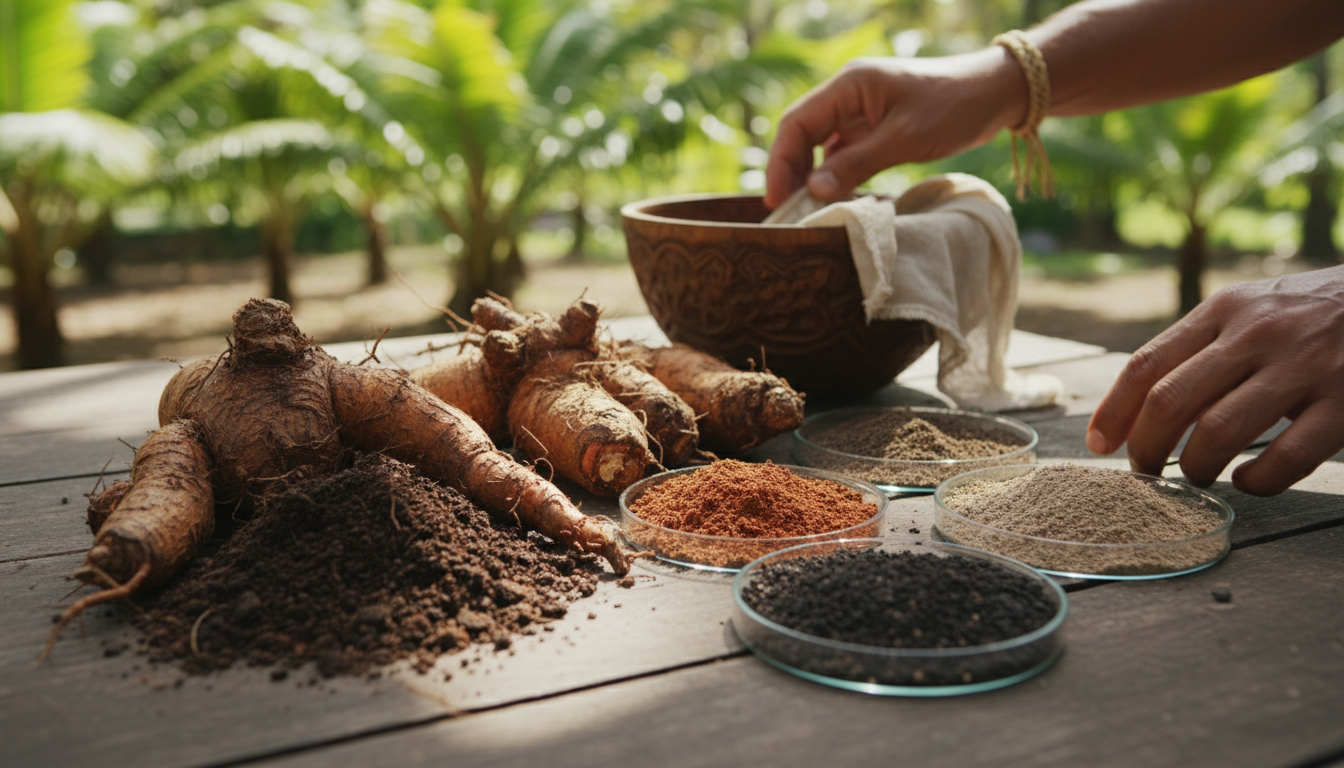
In the lush landscapes of the South Pacific, Vanuatu stands as a beacon for premium kava cultivation, where the interplay of soil composition and climate shapes the very essence of its kava strains. This article explores how environmental factors influence the potency, flavor, and effects of Vanuatu kava strains, and how these nuances play out in kava bars and the broader kava/kratom industry. Unlike generic overviews, we'll focus on the terroir - the unique environmental characteristics - that make Vanuatu kava distinct and highly sought after.
Understanding Terroir in Kava Cultivation
Terroir, a concept borrowed from the wine industry, refers to the environmental factors that affect a crop's growth, including soil type, rainfall, altitude, and temperature. For kava (Piper methysticum), these elements are crucial in determining the levels of kavalactones, the active compounds responsible for kava's relaxing effects. In Vanuatu, the volcanic soils rich in minerals provide a fertile ground that enhances the plant's natural properties.
Vanuatu's tropical climate, with its consistent warmth and ample rainfall, allows kava plants to thrive. Strains grown here, such as the noble Borogu and Melomelo varieties, benefit from this environment. Borogu, for instance, develops a higher concentration of dihydrokavain due to the nutrient-dense volcanic ash, resulting in a smoother, more sedative experience compared to strains from drier regions.
- Volcanic soil: Enhances kavalactone profiles, leading to richer, more potent strains.
- Consistent rainfall: Promotes lush growth, affecting the plant's alkaloid balance.
- Altitude variations: Higher elevations in Vanuatu can intensify certain effects, making strains more invigorating.
This terroir-driven approach ensures that Vanuatu kava strains maintain their noble status, meaning they are derived from traditional, non-chemotype varieties known for their safety and efficacy in the kava industry.
How Climate Shapes Kava Strain Profiles
The climate in Vanuatu, characterized by humid conditions and moderate temperatures, plays a pivotal role in the development of kava strains. For example, the island's frequent rains and high humidity help in the accumulation of kavain, a key kavalactone that contributes to kava's anxiolytic properties. This makes Vanuatu strains particularly popular in kava bars, where patrons seek a balanced, relaxing brew without the harsh side effects associated with lesser-quality strains.
Contrast this with strains from other regions like Fiji or Tonga, where drier conditions might produce kava with a sharper, more stimulating profile. In Vanuatu, the moist environment fosters a fuller-bodied kava, often described as earthy and creamy. Kava bar owners in the industry frequently source these strains for their consistency and appeal, blending them into signature drinks that highlight their unique terroir.
In the kava/kratom industry, understanding these climatic influences allows cultivators and suppliers to market strains more effectively. For instance, a Vanuatu Borogu strain might be positioned as ideal for evening relaxation sessions in kava bars, drawing in customers who appreciate the nuanced effects derived from specific growing conditions.
The Role of Soil in Enhancing Noble Kava Strains
Noble kava strains, which are the gold standard in the industry, are particularly sensitive to soil quality. In Vanuatu, the alkaline volcanic soils provide essential nutrients like potassium and magnesium, which bolster the plant's immune system and kavalactone production. This results in strains that are not only potent but also safer for consumption, aligning with the strict regulations in the kava industry that prioritize noble varieties over others.
Take the Melomelo strain, a noble variety native to Vanuatu. Grown in these enriched soils, it exhibits higher levels of yangonin, contributing to its anti-inflammatory benefits. Kava bars often feature Melomelo in their menus, educating patrons on how soil impacts the strain's taste and effects. This transparency builds trust and fosters a deeper appreciation for kava culture.
- Nutrient-rich soils: Boost kavalactone diversity, enhancing therapeutic effects.
- Soil pH balance: Ensures strains remain noble and free from undesirable compounds.
- Sustainable practices: Vanuatu farmers use traditional methods to maintain soil health, supporting the long-term viability of the kava industry.
As the kava/kratom industry expands, there's growing interest in how soil management can lead to innovative strain developments. By preserving Vanuatu's natural terroir, producers are able to offer strains that stand out in a competitive market, particularly in kava bars that emphasize authenticity.
Terroir's Impact on Kratom Strains and Industry Crossover
While kava takes center stage in Vanuatu, the concept of terroir also applies to kratom (Mitragyna speciosa) strains in Southeast Asia. However, in the kava/kratom industry, there's an interesting crossover where kava bars sometimes incorporate kratom products, drawing parallels between the two. For kratom, soil and climate in regions like Indonesia influence strains such as Maeng Da, where fertile, well-drained soils enhance mitragynine levels, leading to more potent effects.
In kava bars, this knowledge helps in curating experiences that blend kava and kratom strains, educating consumers on how environmental factors affect their choices. For example, a kratom strain grown in nutrient-poor soil might have a milder profile, making it suitable for daytime use, whereas Vanuatu kava's robust strains are preferred for unwinding.
This interplay highlights the kava/kratom industry's evolution, with suppliers increasingly focusing on terroir to differentiate products. By understanding these influences, kava bars can offer more personalized experiences, fostering community and culture around strain selection.
Challenges and Future Directions in the Kava/Kratom Industry
Despite the benefits, challenges like climate change and soil degradation threaten Vanuatu's kava strains. Rising temperatures and erratic rainfall could alter kavalactone profiles, potentially reducing the quality that defines noble kava. In the kava/kratom industry, stakeholders are responding with sustainable practices, such as agroforestry, to preserve terroir.
Kava bars are at the forefront of this movement, hosting events that discuss these issues and promote eco-friendly strains. This not only supports the industry but also ensures that future generations can enjoy the authentic effects of Vanuatu kava.
As we look ahead, the focus on terroir will likely drive innovation, with hybrid strains and controlled environments emerging. This will keep the kava/kratom industry vibrant, offering enthusiasts strains that are as diverse as the environments that produce them.
Conclusion: Embracing Terroir for a Richer Kava Experience
The influence of soil and climate on Vanuatu kava strains underscores the importance of terroir in the kava/kratom industry. By appreciating these factors, consumers and kava bar patrons can make informed choices, enhancing their experiences and supporting sustainable practices. In a world where quality matters, Vanuatu's noble kava strains continue to shine, reminding us that great strains are born from great environments.