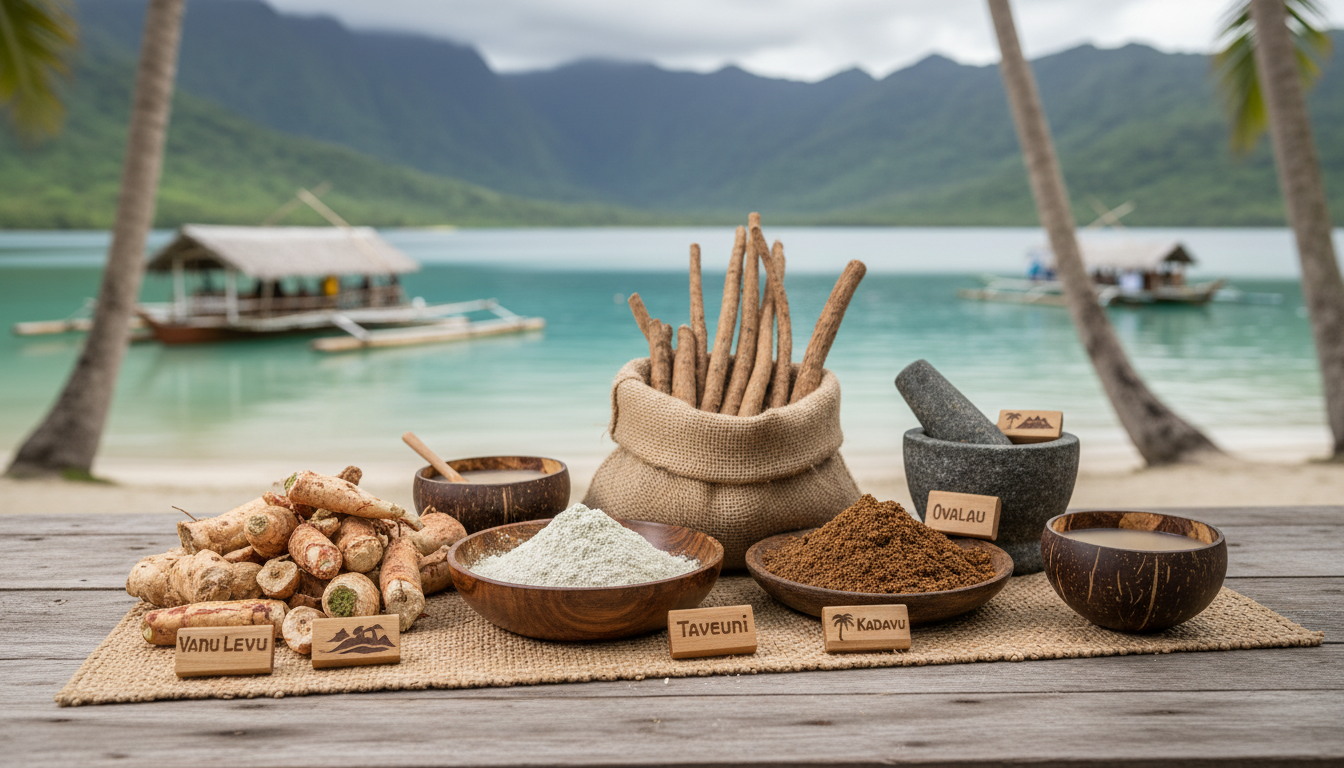
Fiji stands as a pillar of kava culture, offering a vibrant array of kava strains that are celebrated both in Pacific communities and modern kava bars around the world. While much attention is given to noble kava varieties generally, the specific regional strains from Fiji remain largely overlooked in the broader kava conversation. Yet, these strains hold distinct qualities, from flavor profiles to effects, making them a compelling choice for kava enthusiasts and bar owners alike. In this article, we delve into the diversity of Fiji kava strains, examining how geography, tradition, and cultivation shape their unique identities.
The Landscape of Fiji Kava Cultivation
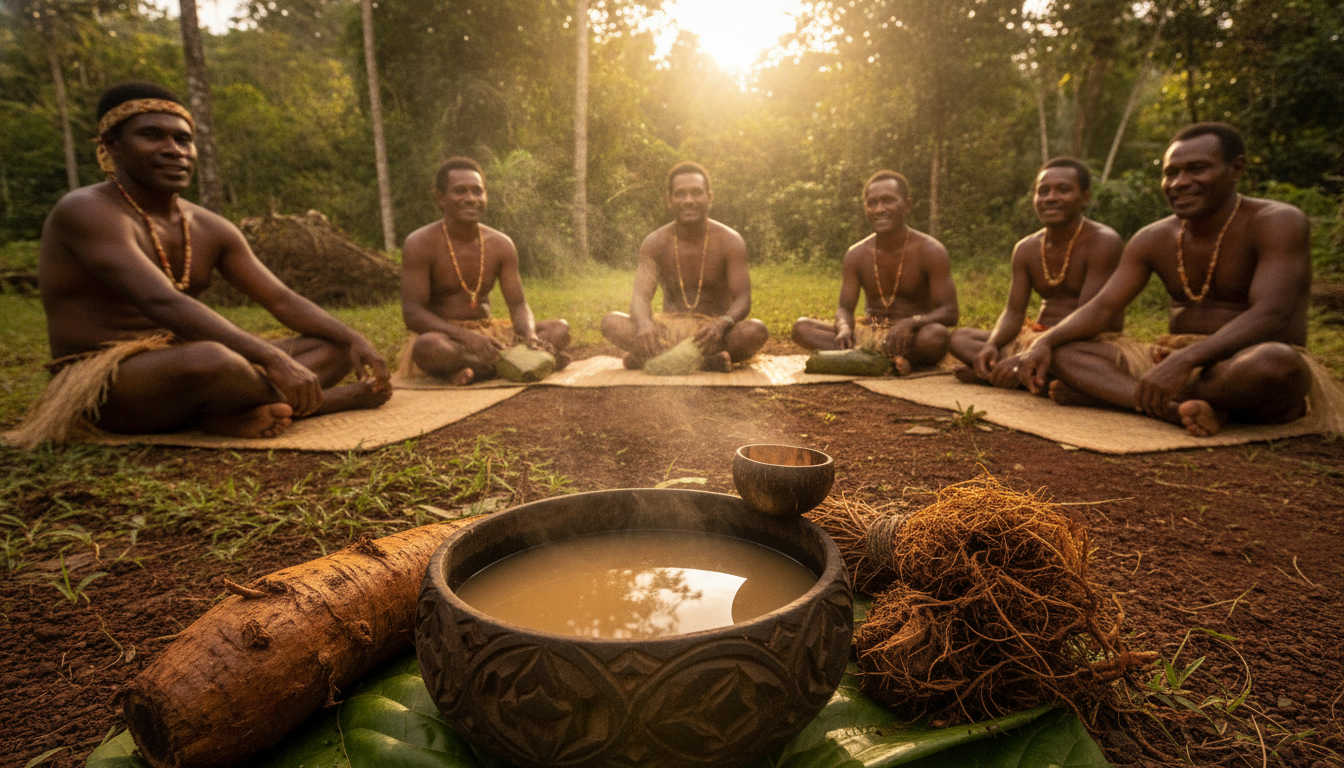
Fiji’s archipelago consists of more than 300 islands, but the primary centers of kava production are Viti Levu and Vanua Levu. The climate and volcanic soil on these islands create ideal growing conditions, and farmers often adhere to traditional practices that have been passed down for generations. Cultivation focuses mainly on noble kava strains, prized for their smoother, more uplifting effects compared to so-called "tudei" varieties.
Popular Fiji Kava Strains and Their Regional Distinctions
- Waimanu Kava: Grown in the fertile valleys near Suva, Waimanu kava is renowned for its creamy mouthfeel and mild, balanced effects. It’s a favorite among kava bars for newcomers seeking an approachable experience without excessive sedation.
- Yaqona Savusavu: Sourced from Vanua Levu, Savusavu kava is often robust and earthy. Its potency makes it popular among seasoned kava drinkers. The strain delivers pronounced relaxation, making it ideal for evening sessions and social gatherings.
- Nadroga Kava: This strain, cultivated in Fiji’s western region, stands out for its peppery aroma and energizing, clear-headed effects. Often used in ceremonial contexts, Nadroga kava is gaining traction in urban kava bars where patrons seek functional relaxation without drowsiness.
- Ra Kava: Hailing from the northern coast of Viti Levu, Ra kava is distinctive for its light, floral notes and gentle, mood-enhancing properties. It’s increasingly featured in specialty kava drinks, especially as mixologists experiment with new infusions.
How Regional Differences Influence Fiji Kava Strains
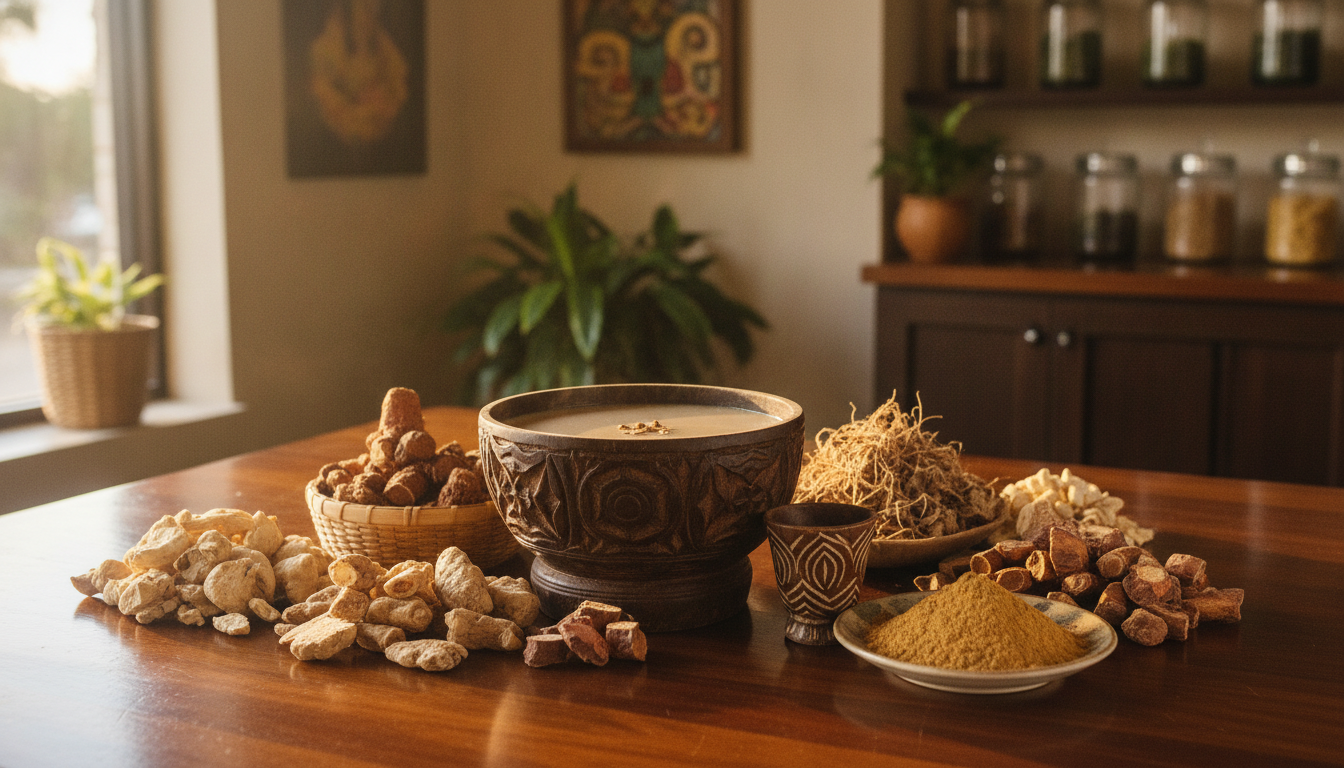
Soil composition, rainfall patterns, and altitude all contribute to the subtle variations between Fiji kava strains. Farmers in wetter regions, like Waimanu, tend to produce kava with a softer, creamier texture. In contrast, drier areas such as Nadroga yield kava with a more pronounced bite and invigorating effects. These regional nuances are not just academic - they directly impact how kava is marketed and consumed in bars worldwide.
Fiji Kava Strains in Modern Kava Bars
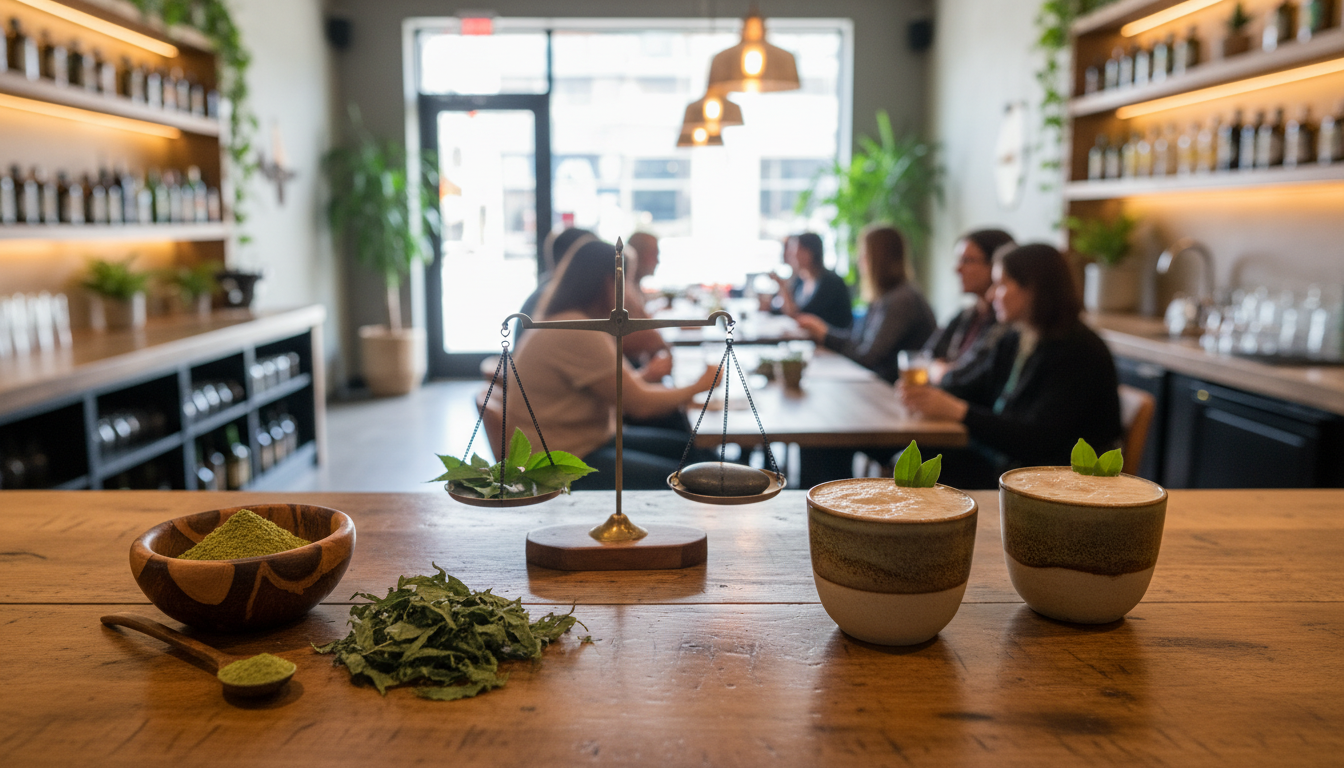
Kava bars have become cultural hubs for both Pacific Islanders and newcomers to kava alike. As the industry matures, bar owners are increasingly curating menus that highlight the regional diversity of Fiji kava. Patrons can now select strains based on desired effects, flavor preferences, or even the story behind a particular farm.
- Some bars offer "flight tastings," allowing guests to sample multiple Fiji kava strains side by side.
- Mixologists are crafting new beverages by blending Fiji kava strains, enhancing depth of flavor and effect.
- Educational tastings and workshops are helping customers appreciate the cultural heritage behind each strain.
Health Benefits and Safety of Fiji Noble Strains
All Fiji kava strains highlighted here are considered noble varieties, which means they boast a favorable safety profile and are less likely to produce undesirable side effects compared to non-noble "tudei" strains. Noble kava is associated with mild euphoria, relaxation, and stress relief, supporting overall well-being when consumed responsibly.
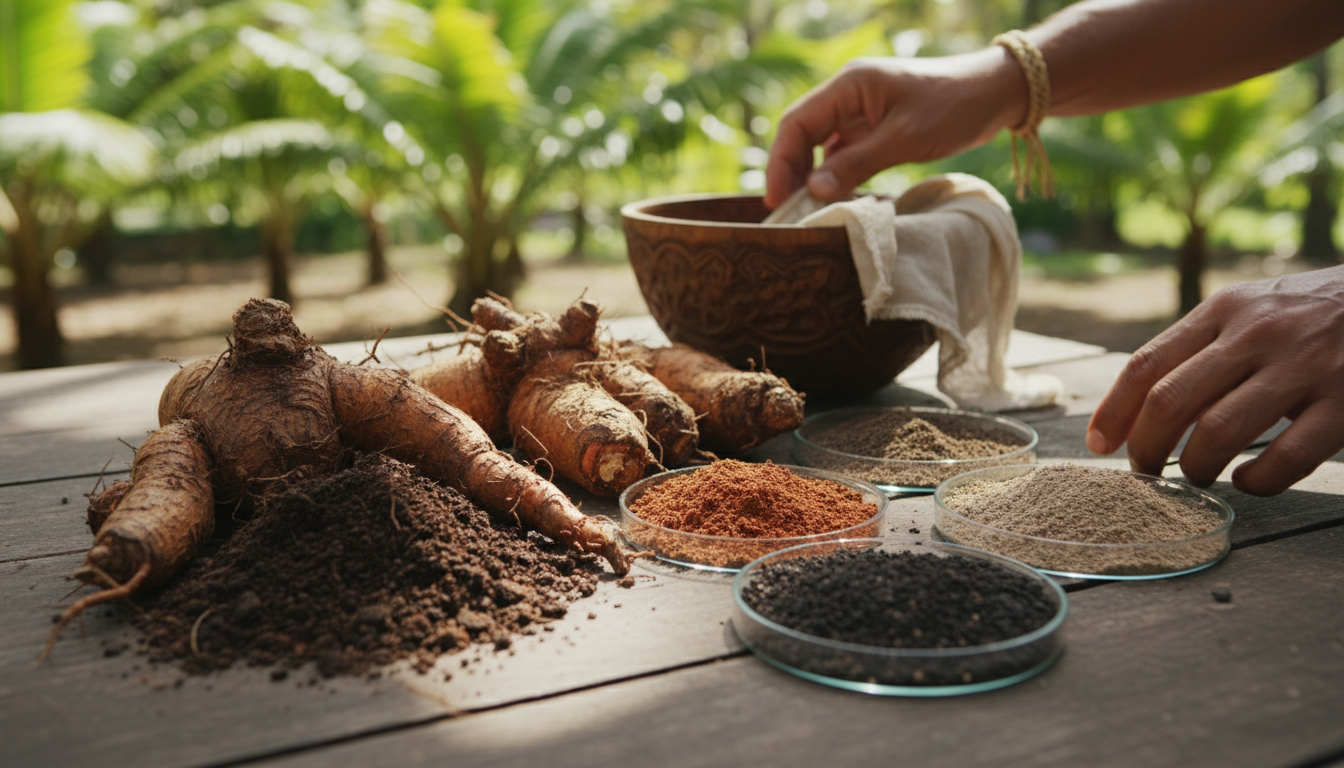
As kava bars and enthusiasts become more educated about strain distinctions, the demand for transparency in sourcing and quality control continues to rise. Reputable Fiji kava suppliers provide lab tests and documentation to assure customers of authenticity and safety.
Choosing the Right Fiji Kava Strain
With so many regional options, choosing the right Fiji kava strain comes down to personal preference and context. If you’re seeking a gentle introduction to kava, Waimanu or Ra kava are excellent choices. For those looking for robust relaxation, Savusavu kava delivers depth and potency. Nadroga kava, meanwhile, offers revitalizing effects perfect for daytime sessions or social events.
Bar owners and kava community leaders encourage patrons to explore, taste, and discover the subtle differences in Fiji kava. This not only enriches the experience but also supports sustainable farming practices and the preservation of indigenous kava traditions.
Conclusion
Fiji kava strains are more than just a beverage - they’re a living testament to Pacific culture, regional heritage, and agricultural expertise. As kava bars spotlight the unique profiles of Fiji’s noble strains, consumers gain new appreciation for the complexity and craft behind every cup. Whether you’re a longtime kava enthusiast or a newcomer exploring your first kava flight, Fiji’s regional diversity offers endless possibilities for discovery and enjoyment.