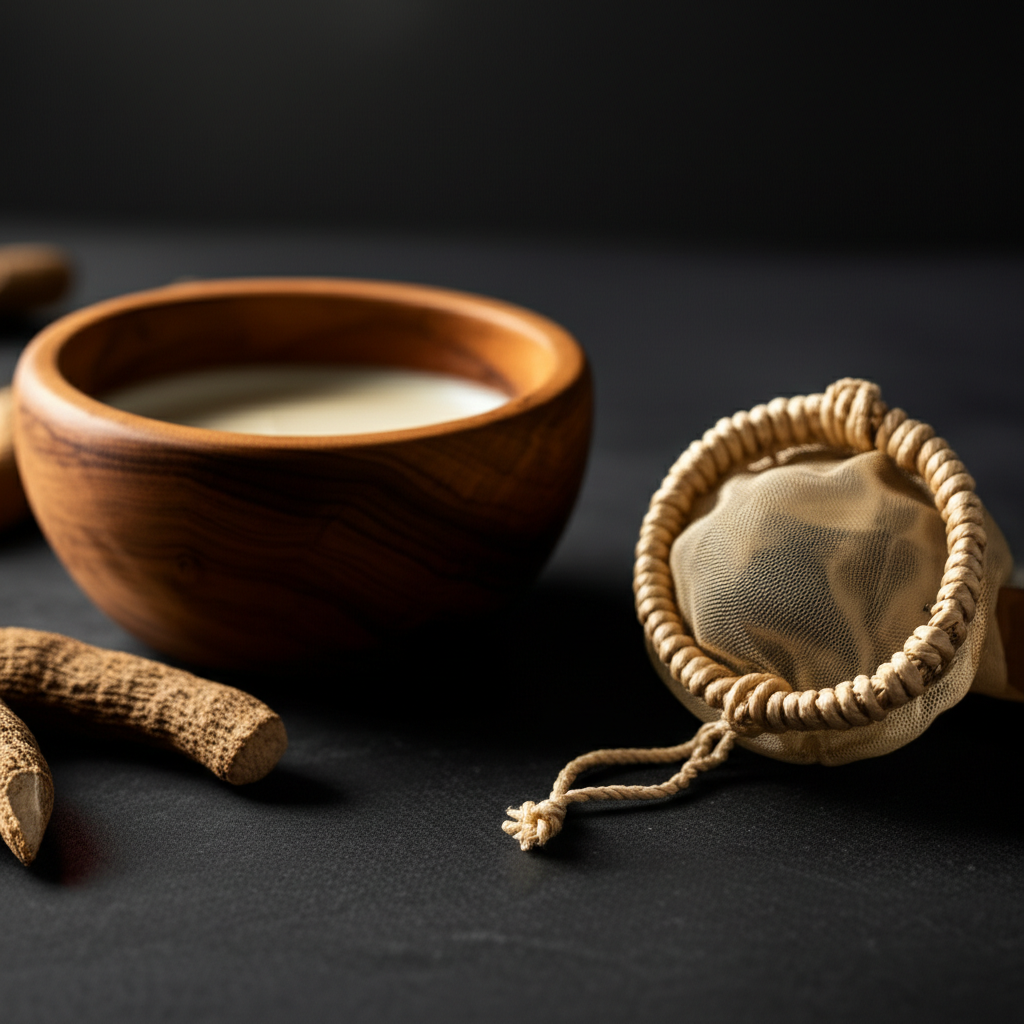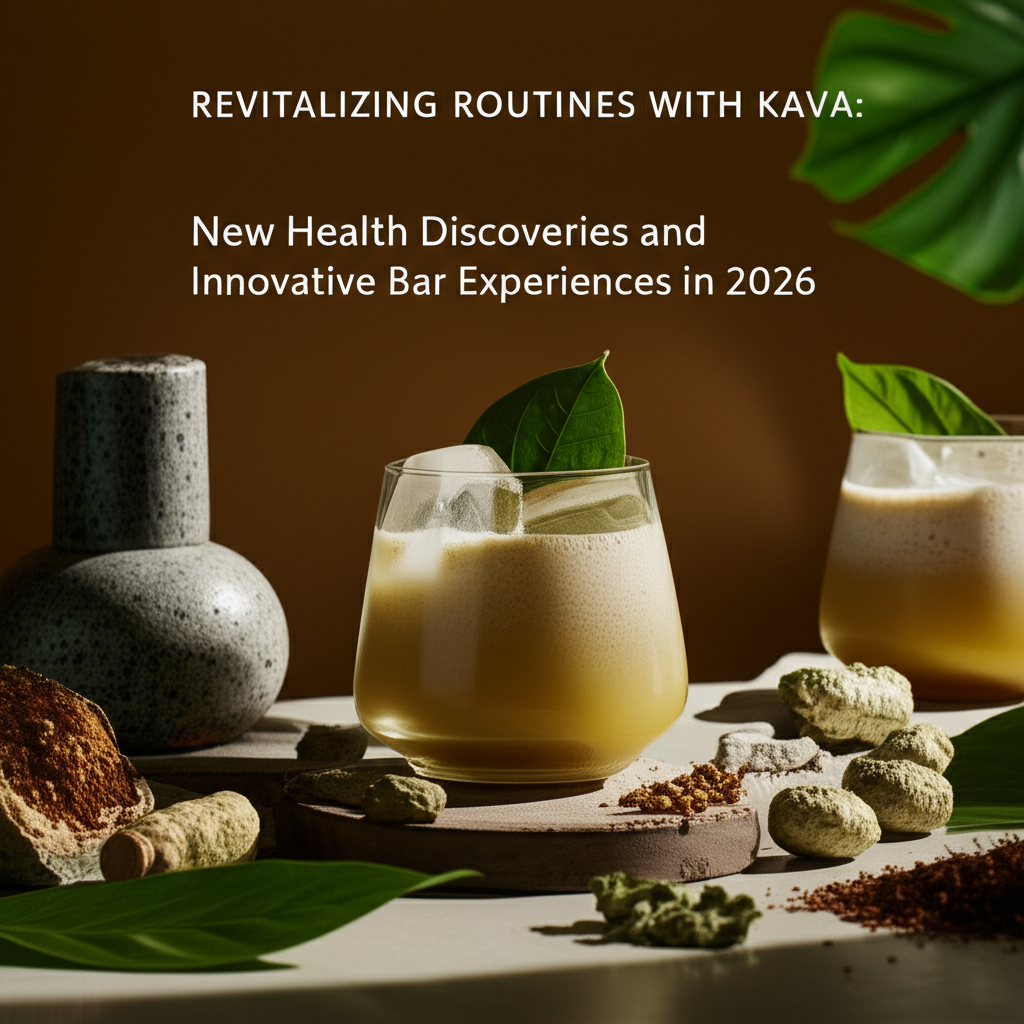
As we step into 2026, the world of herbal wellness is witnessing an unprecedented boom, particularly with kava and kratom taking center stage. This article delves into the latest developments in kava bar openings around the globe and groundbreaking studies on kava's health benefits, offering a fresh perspective on how these ancient remedies are adapting to modern life. With roots in Pacific Island traditions, kava is now blending into urban landscapes, providing relaxation and community in an increasingly stressful world.
The Explosive Growth of Kava Bars Worldwide
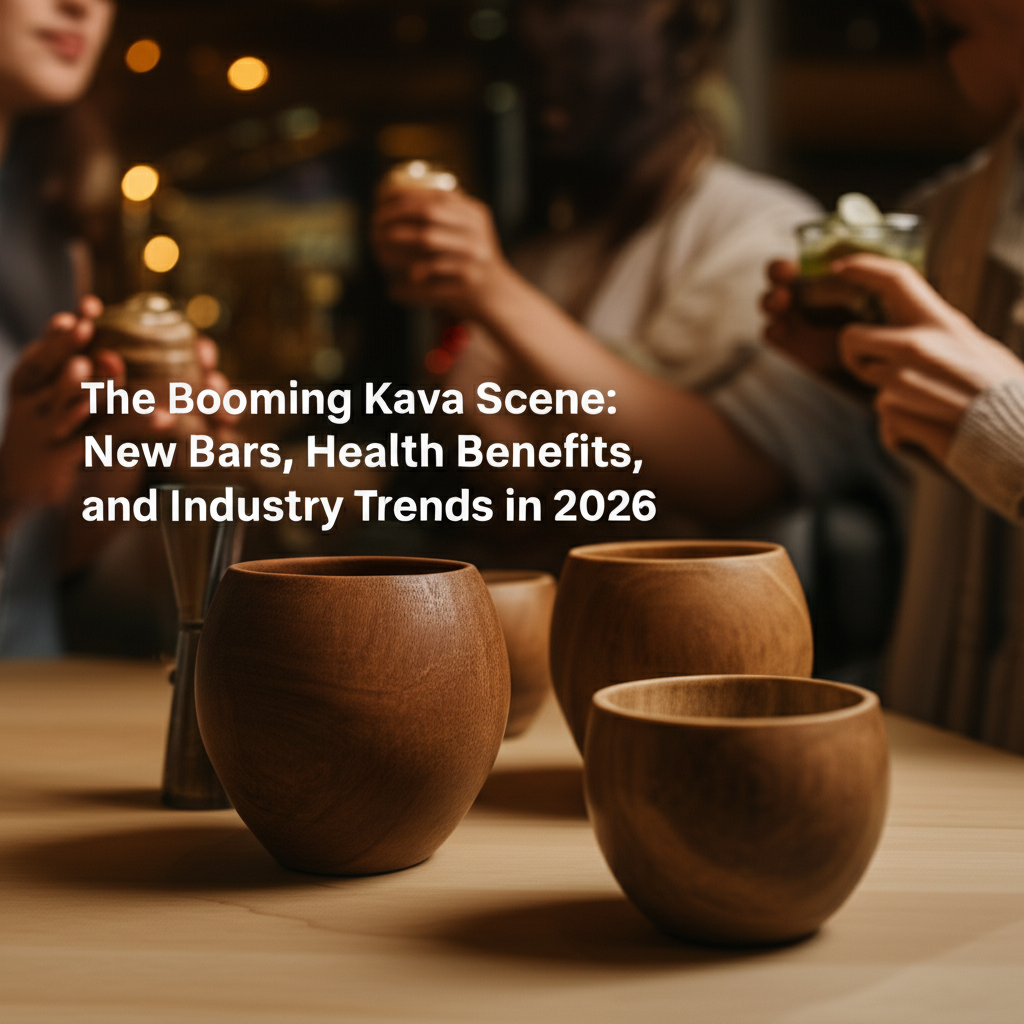
In recent months, kava bars have popped up in unexpected places, from bustling cities in Europe to emerging markets in Asia, signaling a global shift towards natural stress-relief options. For instance, a new kava bar in Berlin, Germany, opened its doors in January 2026, featuring immersive experiences that combine kava servings with mindfulness sessions. This expansion isn't just about serving drinks; it's about creating social hubs that foster connection and well-being.
According to industry reports, the number of kava bars has doubled in the past year, with entrepreneurs capitalizing on the demand for non-alcoholic alternatives to traditional bars. In Australia, a chain of kava lounges has launched in Sydney and Melbourne, offering customized blends that cater to different preferences, such as energy-boosting or sleep-inducing varieties. These venues are not only popular among locals but are also attracting tourists seeking authentic cultural experiences.
- Key factors driving this growth include the rising awareness of kava's natural properties and the post-pandemic emphasis on mental health.
- Many new bars are incorporating technology, like app-based ordering and virtual reality relaxation pods, to enhance the user experience.
- Challenges such as regulatory hurdles in certain regions are being addressed through advocacy groups pushing for standardized safety measures.
This wave of expansions is reshaping nightlife, making it more inclusive and health-focused, which is a welcome change in 2026's fast-paced society.
Emerging Research on Kava's Health Benefits
Scientific interest in kava has surged, with several studies published in early 2026 highlighting its potential benefits for mental and physical health. A recent study from the University of Hawaii, released in February 2026, explored kava's role in reducing anxiety and improving sleep quality among participants. The research involved over 500 volunteers and found that regular kava consumption led to a 30% decrease in stress levels, without the side effects commonly associated with pharmaceutical options.
Another fascinating area of study is kava's impact on cognitive function. Researchers at a leading institute in New Zealand have been examining how kava extracts might enhance focus and memory in high-stress professions, such as healthcare workers. Preliminary results suggest that kava could be a natural alternative to caffeine, promoting sustained energy without the crash.
- Benefits include anti-inflammatory properties that may aid in joint health and overall wellness.
- Studies are also linking kava to improved mood regulation, potentially offering support for those dealing with mild depression.
- However, experts caution about dosage and quality, emphasizing the need for products sourced from sustainable farms to avoid contaminants.
These findings are empowering consumers to make informed choices, integrating kava into their daily routines for better health outcomes.
Navigating the Evolving Kratom Industry
Parallel to kava's rise, the kratom industry is undergoing significant transformations in 2026, with new regulations and innovations shaping its future. Kratom, derived from a Southeast Asian tree, has gained attention for its potential in pain management and energy enhancement. In the U.S., the FDA has been monitoring kratom more closely, leading to updated guidelines that ensure safer production and distribution.
One notable development is the launch of kratom-infused wellness products, such as teas and supplements, by major brands in 2026. This has opened up the market to a broader audience, with online sales skyrocketing due to the convenience of e-commerce platforms. In Europe, countries like the Netherlands are piloting kratom education programs to inform users about responsible consumption.
- The industry is seeing a push towards organic certification, with farms in Indonesia adopting eco-friendly practices to meet global standards.
- Consumer advocacy groups are playing a key role in promoting transparency, helping to dispel myths and highlight real benefits.
- Challenges include varying legal statuses across regions, which could hinder international trade but also encourage localized innovations.
As the kratom sector matures, it's fostering a more educated consumer base, blending traditional uses with modern scientific validation.
The Intersection of Kava and Kratom with Daily Life
Incorporating kava and kratom into everyday routines is becoming easier than ever, thanks to innovative products and community initiatives. From kava-based energy drinks to kratom-enhanced fitness supplements, these herbs are finding their way into health regimens worldwide. A new trend in 2026 is the 'herbal hour' concept, where people gather virtually or in person to share experiences and recipes.
Experts recommend starting with small doses and consulting professionals, especially for those with underlying health conditions. The synergy between kava and kratom is also being explored in holistic wellness centers, offering combined therapies for stress and pain relief.
- Popular applications include using kava for evening wind-downs and kratom for morning motivation.
- DIY blends are trending on social media, with users sharing safe and effective recipes.
- The key to sustainable use lies in balancing these herbs with a healthy lifestyle, including diet and exercise.
This integration is not just a fad; it's a movement towards natural, accessible wellness solutions.
Future Trends and Sustainable Practices
Looking ahead, the kava and kratom industries are poised for even greater innovation, with a strong focus on sustainability and inclusivity. By 2027, we might see more kava bars incorporating zero-waste policies and sourcing from fair-trade suppliers. Ongoing research could unlock new benefits, such as kava's potential in neuroprotection or kratom's role in opioid alternatives.
Collaborations between scientists, farmers, and businesses will be crucial in ensuring that growth is ethical and environmentally friendly. As consumers become more discerning, the demand for high-quality, transparent products will drive positive change in the industry.
In conclusion, the global surge of kava bars and the evolving kratom industry in 2026 represent a exciting chapter in herbal wellness. By staying informed and embracing these trends responsibly, individuals can harness the power of nature for better health and community building.