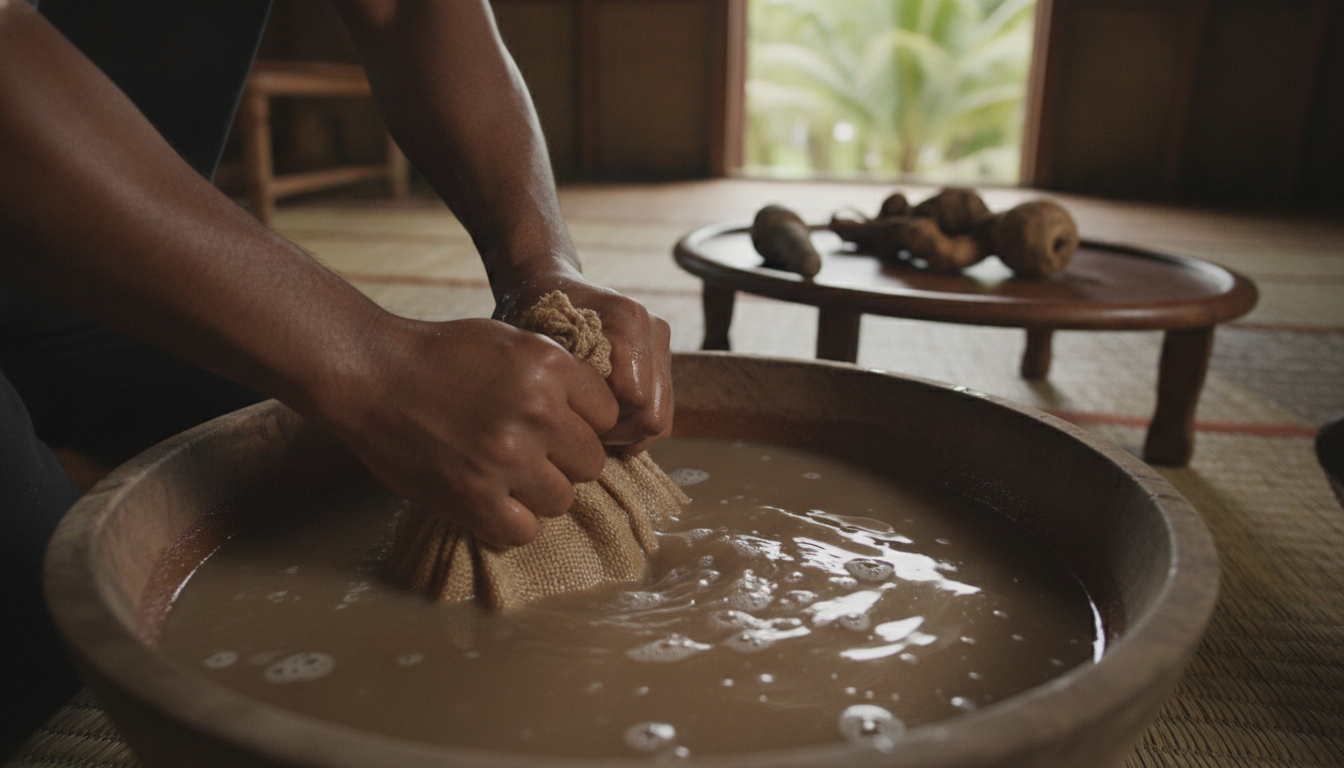
Kava has been an essential part of Pacific Island culture for centuries, prized both for its calming effects and its role in community gatherings. The traditional method of preparing kava, especially hand-kneading, is still respected for drawing out the root’s best flavor and most potent effects. For those seeking the true kava experience, learning hand-kneading is a worthwhile pursuit.
Why Hand-Kneading Matters
Hand-kneading is more than a cultural ritual. It’s a practical method that ensures the maximum extraction of kavalactones, the compounds that produce kava's well-known relaxation and mood-enhancing properties. Unlike blender or instant kava preparations, hand-kneading allows you to control the texture and taste, resulting in a beverage that feels richer and more layered. The process breaks down the fibrous root and infuses the water with kava’s active ingredients, leading to a thicker, earthier brew.
Essential Tools and Ingredients
- Kava root powder: Noble varieties are preferred for their balanced effects and smoother taste.
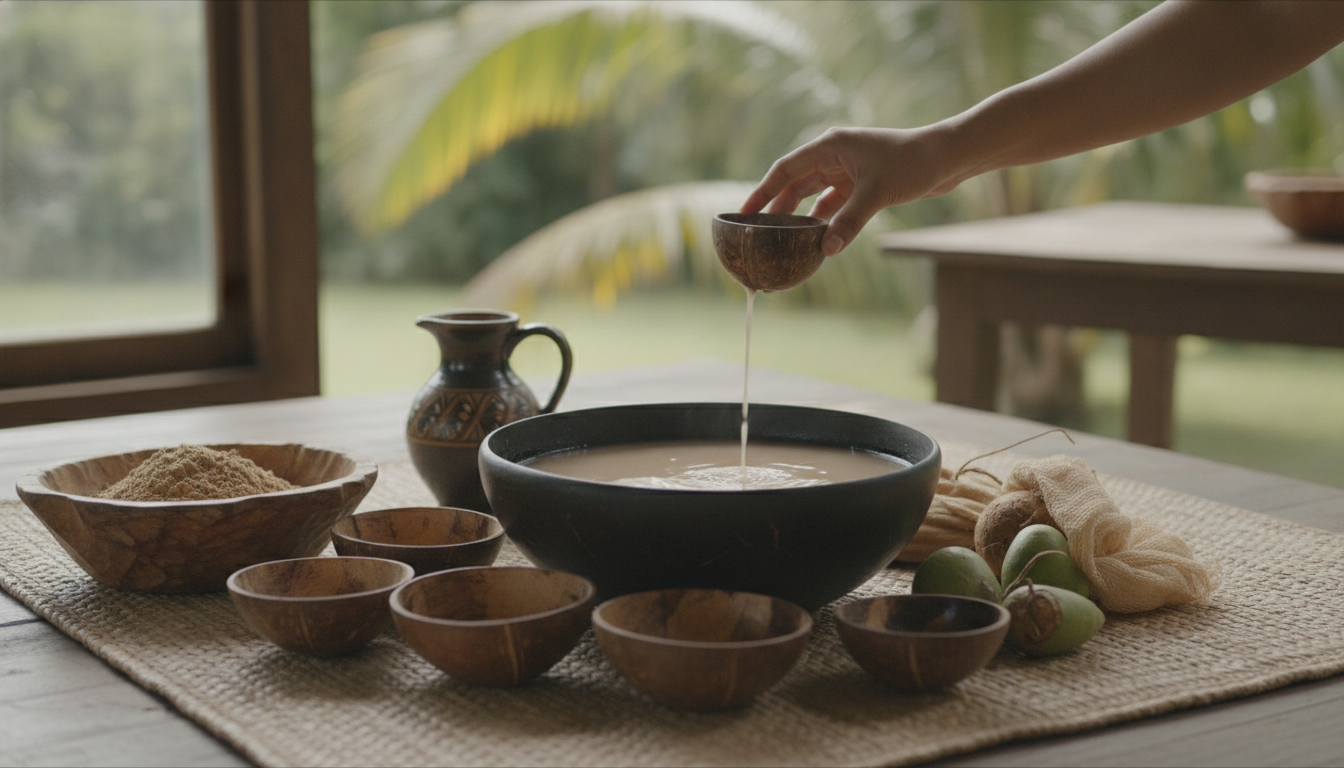
- Large bowl: Coconut shells or ceramic bowls are traditional, but any large, clean bowl will do.
- Muslin cloth or fine mesh strainer: This is used to separate the extracted liquid from the root fibers.
- Cool or room-temperature water: Preserves kava’s natural flavors and maintains potency.
- Optional: Coconut shells for serving and a towel for clean-up.
Always use clean, filtered water and ensure your hands and equipment are thoroughly washed before starting. Cleanliness preserves both flavor and safety.
Step-by-Step Guide to Traditional Hand-Kneading
- Measure Your Kava: Use about 1 tablespoon of kava powder per cup of water for standard potency. Adjust to taste if you prefer a lighter or stronger drink.
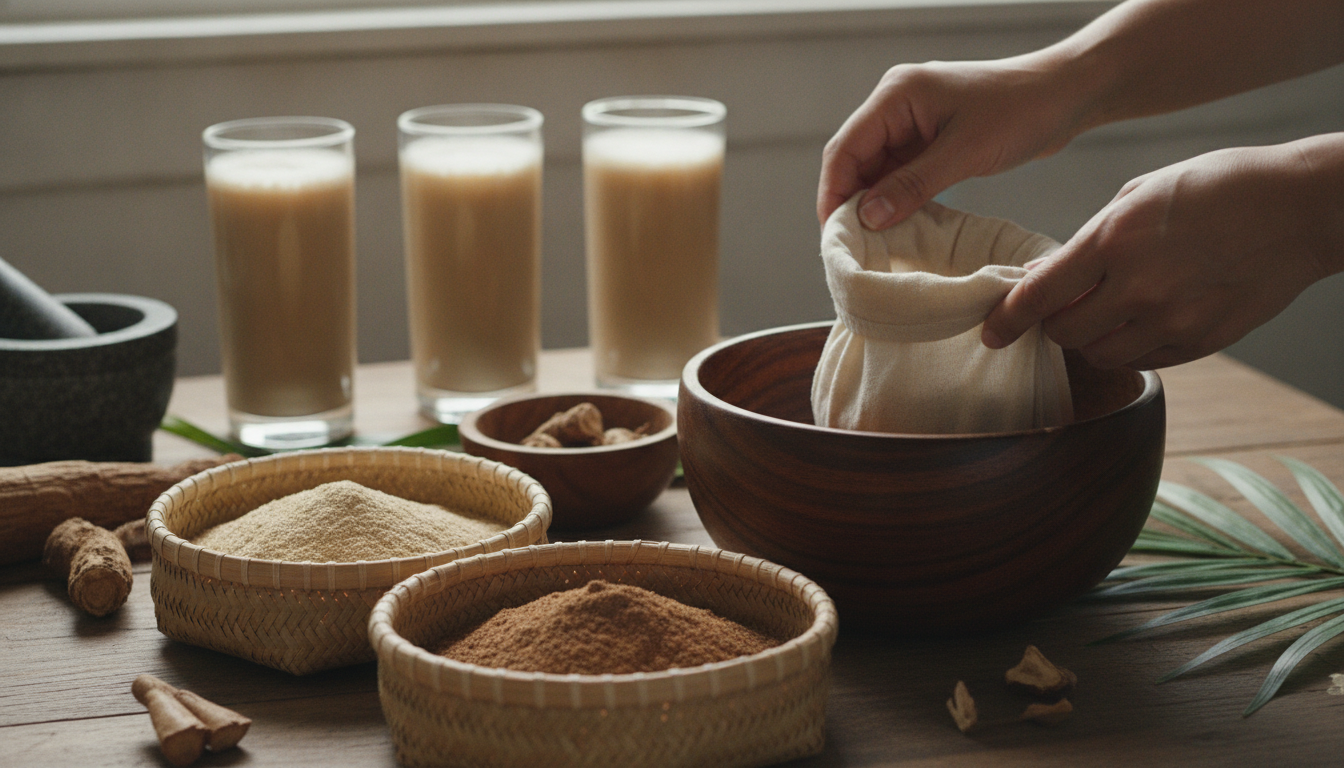
- Prepare the Mixture: Place kava powder into the muslin cloth, tie it securely, and submerge it in the bowl of water.
- Begin Kneading: Using both hands, firmly yet gently knead and squeeze the kava-filled cloth in the water. The motion should be rhythmic, working the kava root and encouraging the release of kavalactones. Continue for 10 to 15 minutes. You’ll notice the water turning opaque and acquiring an earthy aroma.
- Extract and Strain: After kneading, squeeze out as much liquid as possible from the cloth. Set aside or discard spent kava root. Pour the finished kava into coconut shells or cups.
This hands-on approach connects you to the tradition and helps control the outcome. The result is a thick, milky beverage with a distinct flavor and stronger effects than most instant or blender-prepared kavas.
Improving Your Hand-Kneading Technique
- Stick with Cold Water: Hot water breaks down kavalactones and changes flavor. Use cold or room-temperature water for best results.
- Don’t Rush: Kneading for at least 10 minutes allows for maximum extraction. Longer kneading produces a stronger brew.
- Experiment With Ratios: Adjust kava and water amounts for desired strength and mouthfeel. More kava means higher potency, but too much may make the drink gritty.
- Maintain Hygiene: Wash hands thoroughly before kneading. Direct contact is unavoidable, so clean hands are a must.
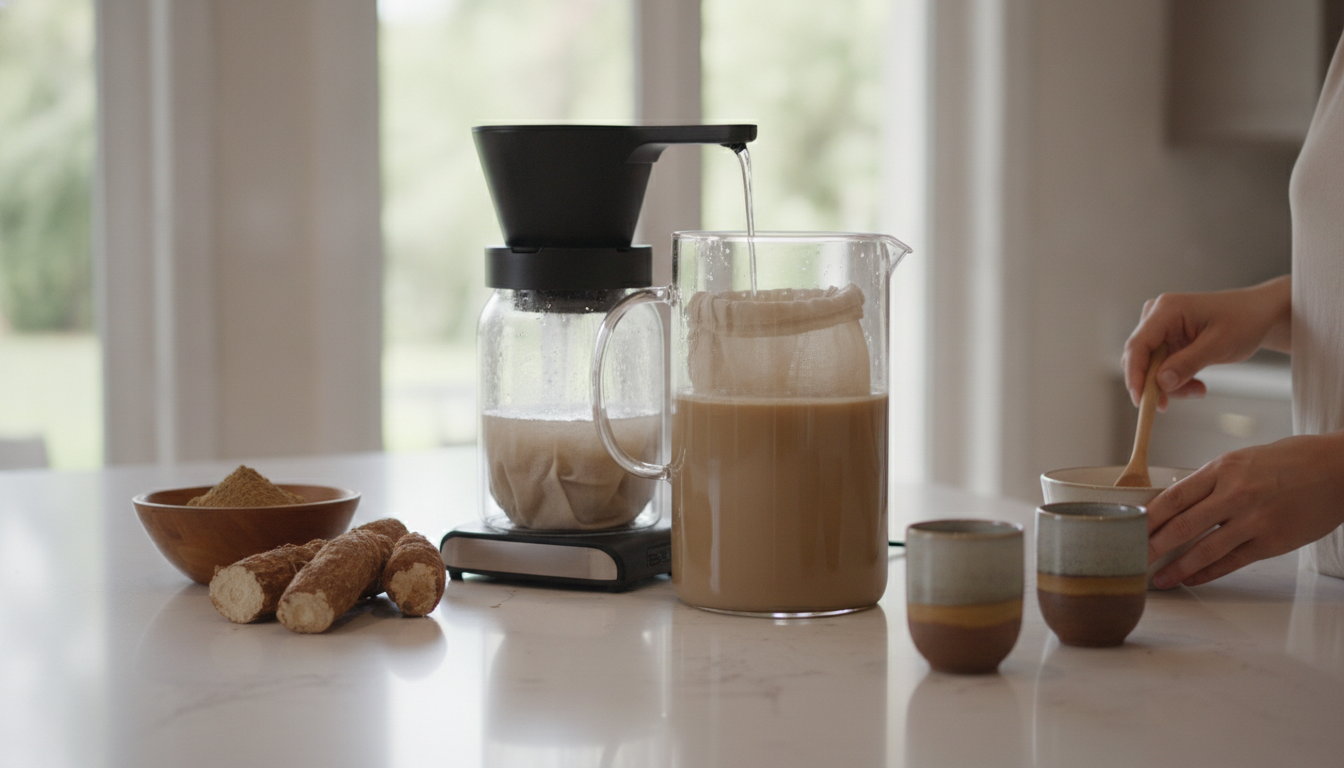
- Try Different Cloths: Muslin cloth is traditional, but some prefer nylon or fine mesh for ease of cleaning and slightly different textures.
Hand-Kneading in Today’s Kava Bars
Kava bars across the country are reviving traditional hand-kneading to provide customers with an authentic experience. Instead of relying solely on mechanical mixers or blenders, many bartenders demonstrate hand-kneading tableside. This not only enhances the ritual but also educates patrons about kava’s origins and cultural significance. The communal aspect of hand-kneading fosters conversation and a sense of belonging, mirroring Pacific Island ceremonies where kava is shared among friends and family.
Some kava bars even offer hand-kneading workshops, helping newcomers learn the basics and appreciate the difference in taste and effects. Choosing hand-kneading over quick methods is a nod to tradition and a way to support the growing movement for authentic kava culture.
Creative Variations: Balancing Tradition and Taste
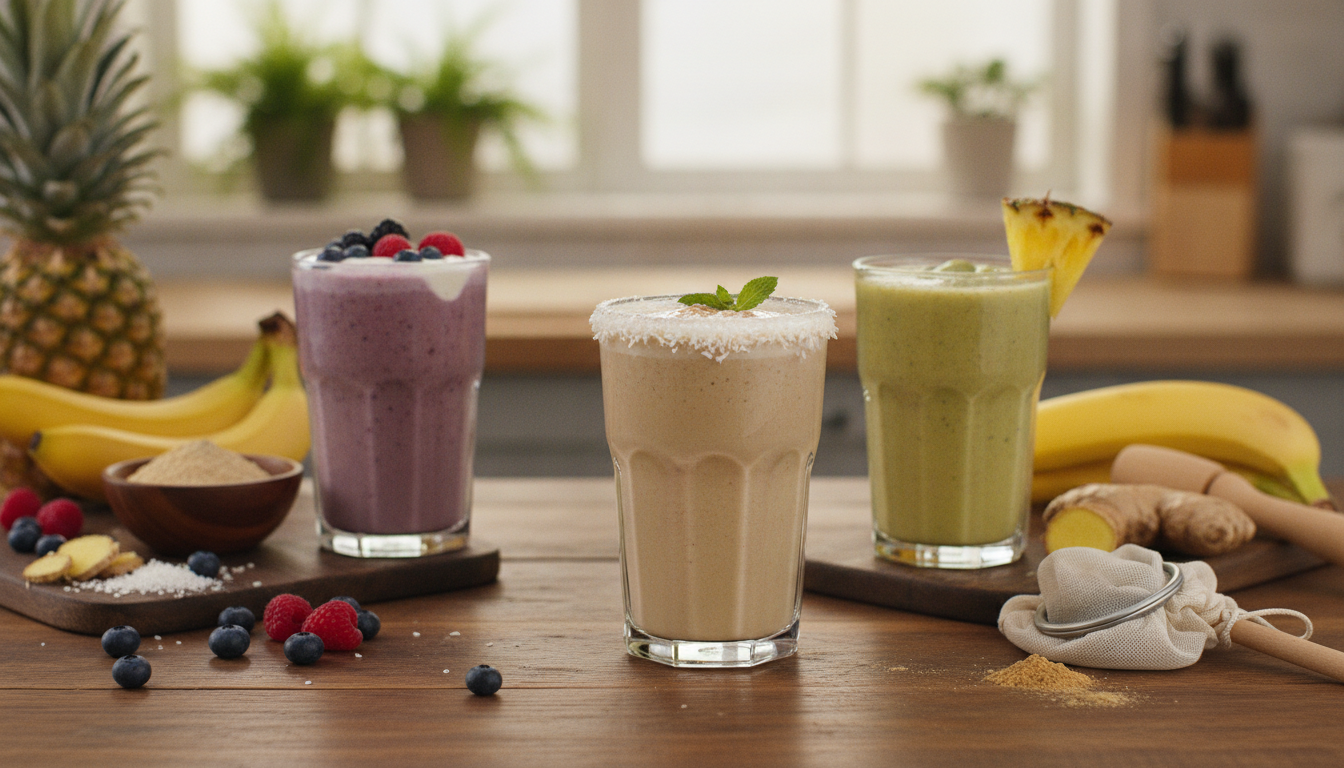
While many purists stick to basic kava and water, others add subtle flavors to enhance the experience. After kneading, some kava bars and home users mix in coconut milk, honey, or pineapple. These additions complement kava’s earthy profile without overpowering it. If you want to experiment, always add flavors after the kneading process to avoid interfering with extraction. Start small and taste as you go, keeping the original kava flavor prominent.
- For a creamy texture, add a splash of coconut milk after kneading.
- Sweeten kava with a bit of honey or agave if desired.
- Pineapple chunks or juice can brighten the flavor and add a tropical twist.
Such variations are especially popular in kava bars looking to appeal to new drinkers while respecting traditional practices.
Hand-Kneading as Modern Ritual
Hand-kneading is more than a preparation method. It’s a way to slow down, connect with kava’s roots, and bring mindfulness to the process. Whether you’re crafting kava at home or ordering it in a kava bar, embracing this technique preserves cultural heritage and boosts the beverage’s potency and flavor. Many find the act itself calming, turning kava preparation into its own form of meditation.
As kava continues to gain popularity, maintaining traditional methods like hand-kneading helps keep the drink’s identity strong. Sharing the ritual with friends or at a bar builds community and supports the authentic kava movement.
Takeaways for Enthusiasts
- Hand-kneading yields a more potent, flavorful kava with a thicker mouthfeel.
- Choosing traditional preparation honors the Pacific Island heritage and deepens the drinking experience.
- Kava bars and home drinkers alike benefit from practicing this ritual, creating authentic connections and better beverages.
- Experiment with ratios and flavors, but keep the traditional process central for best results.
Mastering hand-kneading is key for anyone serious about kava. The simple act transforms the root into a potent, flavorful drink that carries both cultural significance and relaxation. Next time you prepare kava, try hand-kneading and notice the improvement in taste, potency, and ritual.