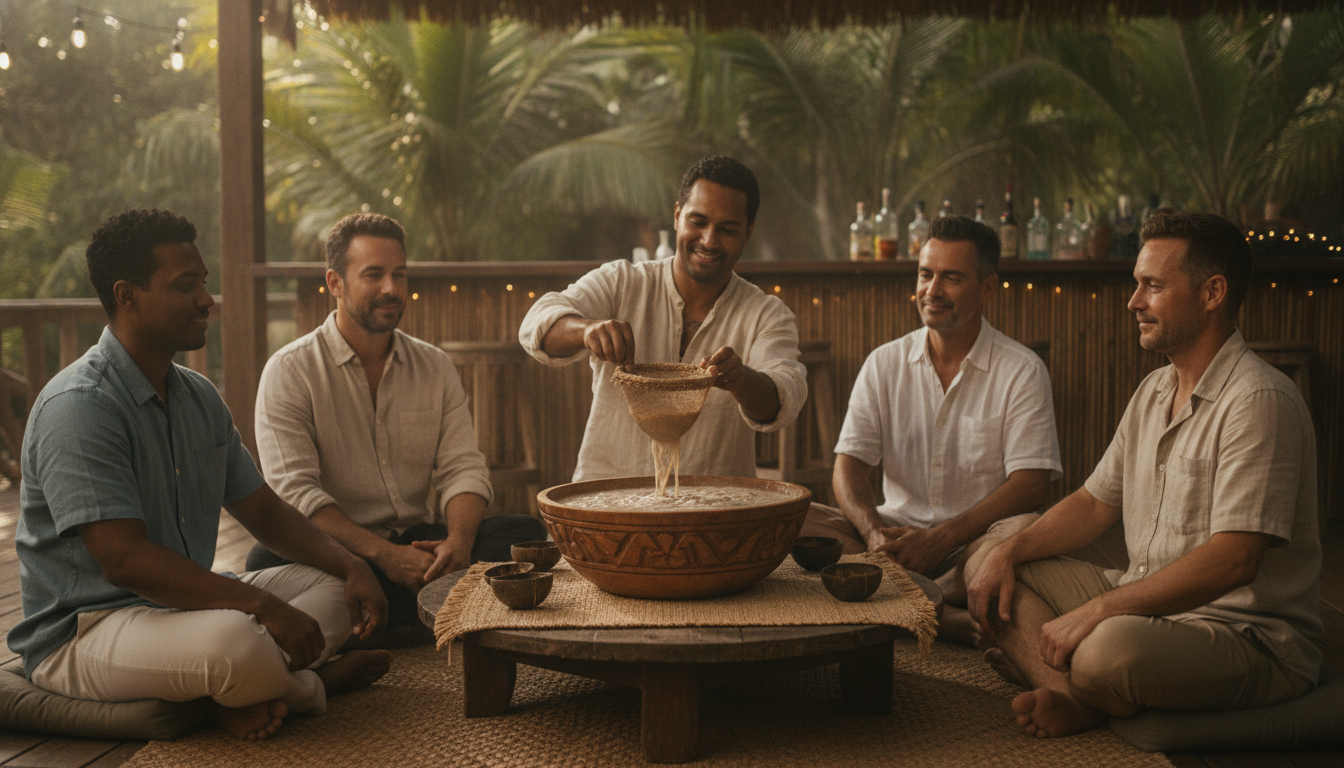
Kava has long played a central role in bringing people together, thanks to both its calming effects and the meaningful rituals surrounding its preparation. The communal kava bowl ritual stands out as a tradition that transforms root extraction into a shared experience, fostering connection and mindfulness. This article explores the step-by-step process for preparing kava in a traditional communal bowl, the cultural nuances that set it apart from individual servings, and how modern kava bars have adopted and evolved these traditions.
The Cultural Significance of Communal Kava Bowls
The communal kava bowl is much more than just a serving vessel. In the South Pacific, preparing and sharing kava from a single bowl is a symbol of unity and respect. This tradition is echoed in modern kava bars, where the communal process connects patrons to deep cultural roots. Bowls (often crafted from hardwood and decorated with intricate carvings) serve as the centerpiece for ceremonies and casual gatherings alike. Sharing kava from one bowl encourages mindful participation and reinforces the sense of community that defines kava culture.
Key Steps in Traditional Communal Kava Preparation
Preparing kava in a communal setting involves several deliberate steps. Each phase is designed to maximize both the drink’s quality and the connection between participants.
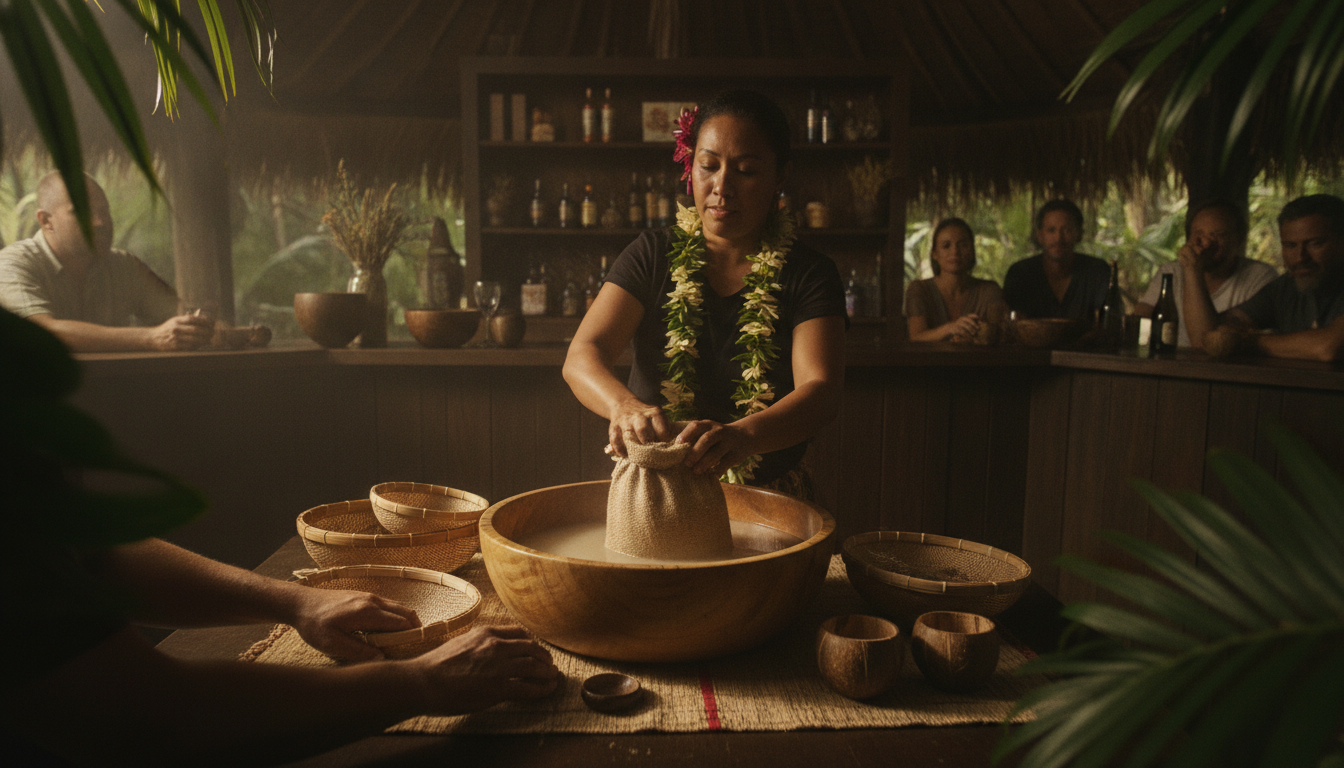
- Assemble Supplies: Gather a large communal bowl (such as a tanoa or kumete), a strainer bag (made from muslin or fine mesh), freshly ground kava root, and cool, pure water. Traditional gatherings may also include coconut shells for serving, while modern bars often use shell-shaped cups.
- Select the Kava: Noble kava varieties are favored for their balanced effects and smooth taste. Choose the strain based on the mood of the event - mellow types for intimate conversations, and more energetic strains for lively celebrations. Medium to coarse-ground kava is ideal for bowl extraction.
- Measure Ingredients: For a group of four to eight, use roughly 100 grams of kava root and about two liters of water. Adjust quantities as needed for larger gatherings, keeping ratios consistent.
- Knead and Mix: Place the kava root in the strainer bag and submerge it in the bowl. The kneading process - lasting 10 to 15 minutes - is often shared, with participants rotating turns. This collaborative effort builds anticipation and strengthens communal bonds.
- Strain and Serve: Once the mixture reaches a muddy, opaque consistency, wring out the strainer bag to extract the last drops. Pour kava into individual shells, ensuring equal portions. Often, shells are passed in order of seniority or rotated clockwise to symbolize respect and unity.
Modern Adaptations in Kava Bars
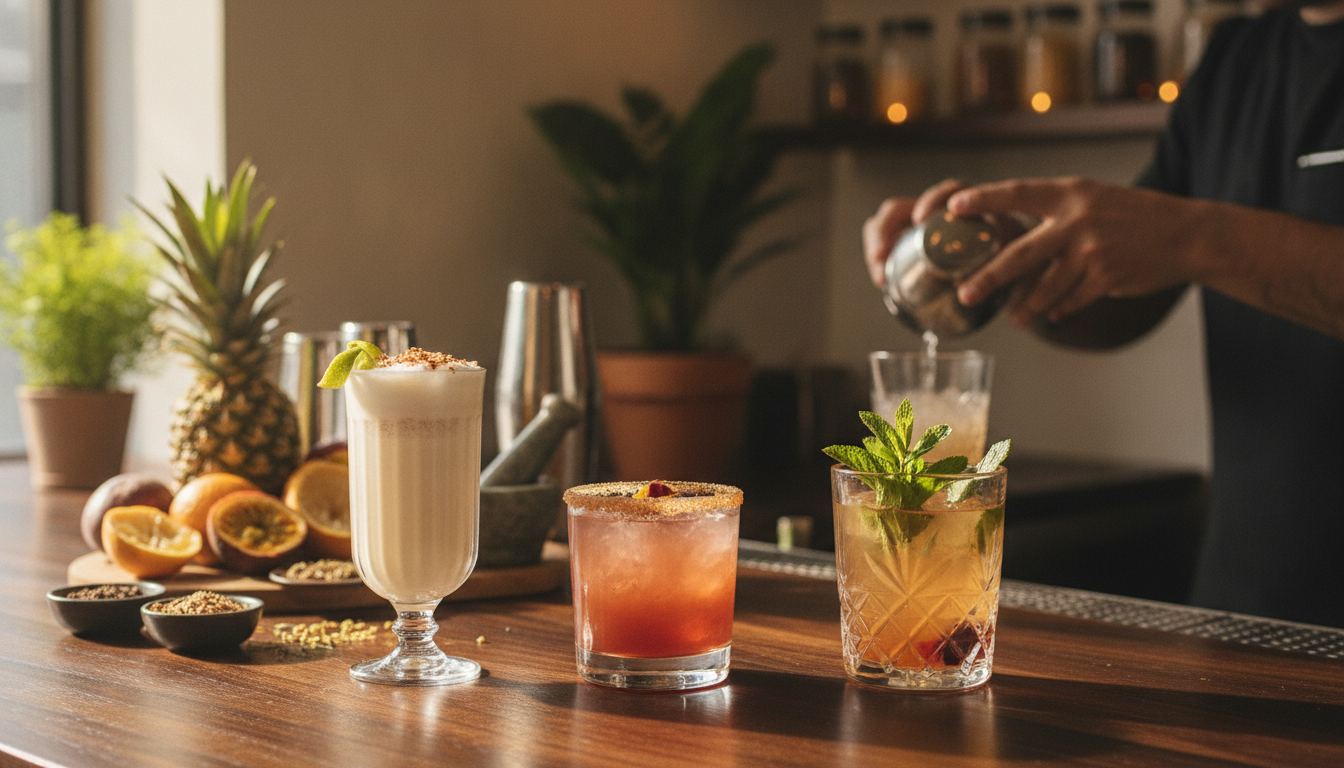
Kava bars have embraced and refined communal preparation to suit contemporary settings. Some use large decorative bowls for visual impact, while others encourage small group rituals where patrons take turns kneading and serving. Although some establishments introduce flavor infusions like citrus or ginger, the core ritual - active participation and attentive sharing - remains unchanged.
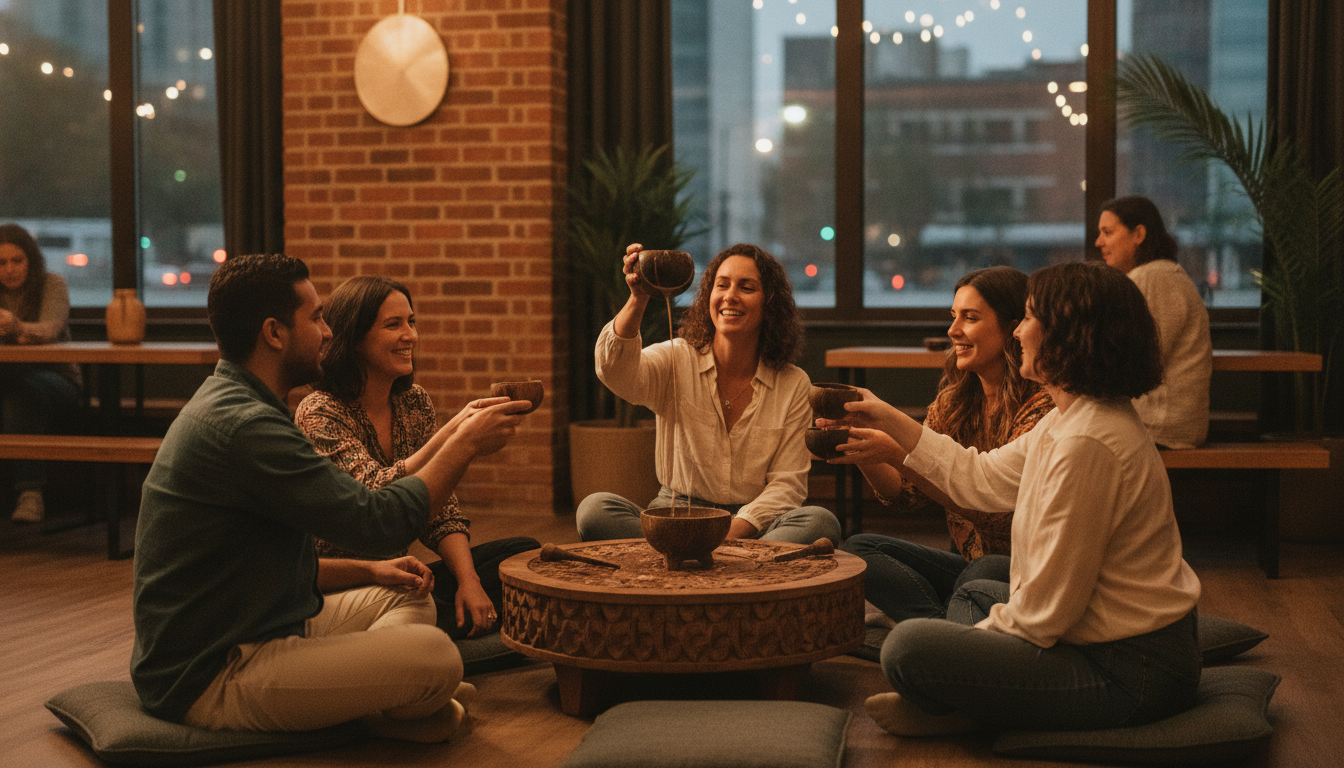
Modern kava bars often offer communal bowl preparation as a centerpiece event, giving newcomers a chance to learn about tradition while regulars enjoy a deeper sense of camaraderie. This approach helps bridge the gap between ancient practices and today’s social environments.
Etiquette and Atmosphere
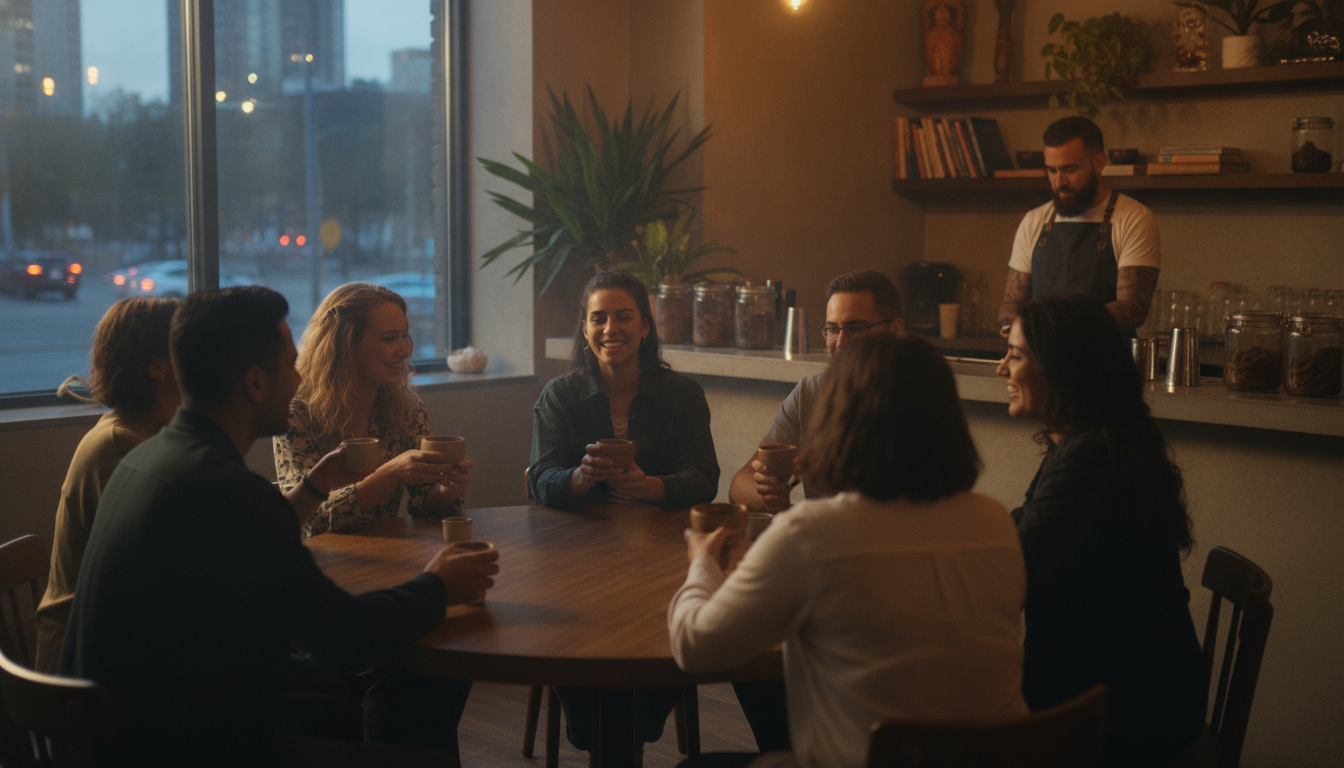
Communal kava rituals are shaped by both etiquette and atmosphere. The process usually begins with gathering in a circle around the bowl. Conversation tends to be relaxed and focused on connection. It is customary to wait until everyone has received their shell before drinking, sometimes accompanied by a toast, chant, or simple gesture of unity. The bowl itself becomes a focal point for the evening, fostering a calm and welcoming vibe that regulars and newcomers alike appreciate.
Respect is key: participants treat the bowl and the preparation process with care, recognizing the cultural significance behind each step. Observing these traditions enhances the overall experience, making each session memorable.
Troubleshooting Common Preparation Problems
While communal kava preparation is straightforward, a few issues can arise. Here are practical solutions for the most common challenges:
- Uneven Extraction: If the kava is weak or lacks flavor, increase the kneading time and ensure the root is fully saturated throughout the process.
- Excessive Bitterness: Check the grind size and water ratio. A grind that is too fine or insufficient water can intensify bitterness.
- Low Yield: Use premium kava and avoid overfilling the strainer bag. Too much root in the bag can impede proper extraction and reduce potency.
Addressing these issues can help ensure that the communal experience is enjoyable for all participants.
Benefits of the Communal Kava Bowl Ritual
Sharing kava from a communal bowl does more than just efficiently serve a group - it creates a memorable experience rooted in tradition. The ritual encourages mindful participation, supports authentic conversation, and connects newcomers to the ongoing story of kava culture. Whether at home or in a kava bar, the communal bowl transforms a simple drink into a shared event that participants remember long after the shells are empty.
Practical Tips for Hosting Your Own Communal Ritual
- Invite guests to join in the preparation, rotating kneading duties to build anticipation and engagement.
- Set up a comfortable gathering space around the bowl, encouraging relaxed conversation and presence.
- Honor tradition by following serving etiquette, celebrating unity with a toast or chant.
- Experiment with noble kava varieties to match the mood of your event.
- Keep the ritual adaptable for both intimate gatherings and larger groups.
As kava bars and enthusiasts continue to explore and share communal rituals, these practices offer a bridge between time-honored tradition and modern community. Whether you are a seasoned kava drinker or new to the scene, mastering the communal bowl ritual is an invitation to connect, relax, and enjoy the unique atmosphere that kava culture offers.