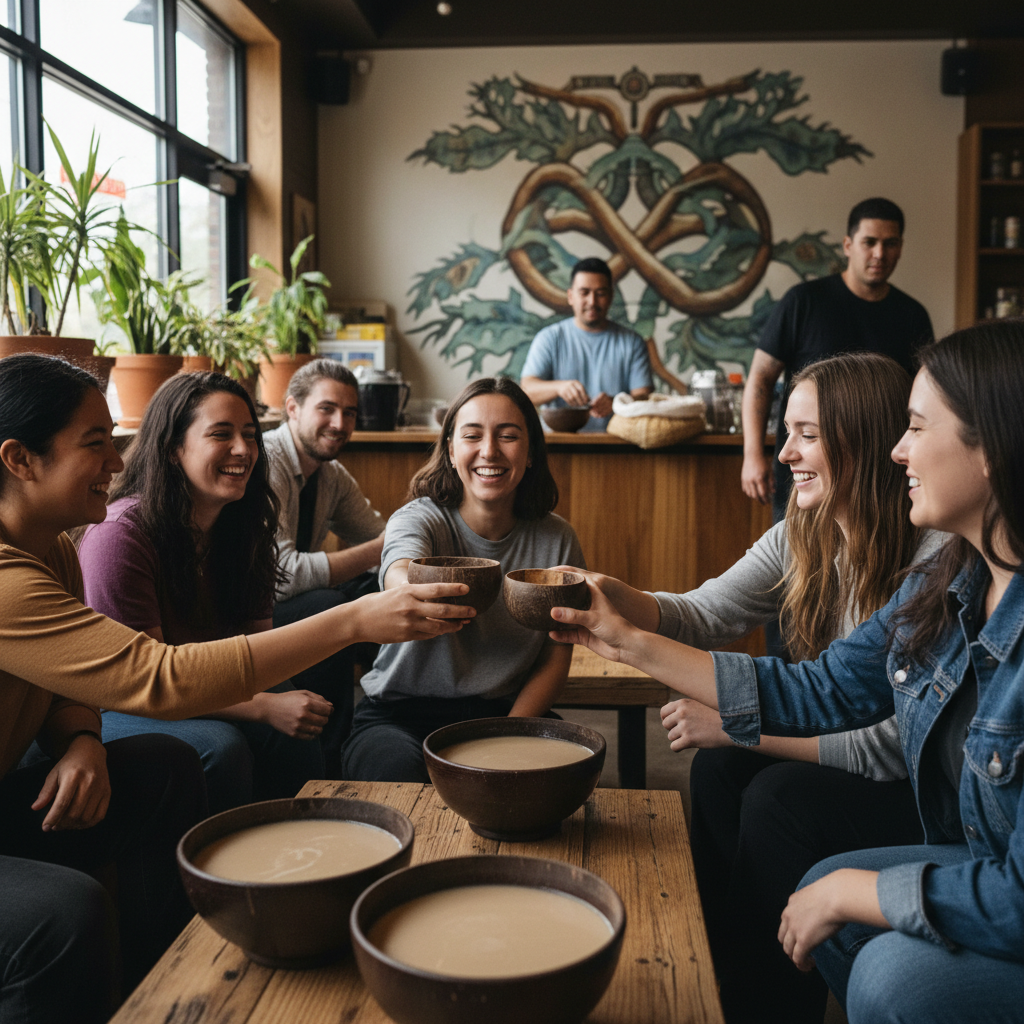
As we move deeper into 2026, kava continues to carve out a significant space in the wellness and social scenes across the globe. Known for its calming and anxiety-reducing properties, kava—a traditional Pacific Island beverage made from the root of the Piper methysticum plant—is experiencing a modern renaissance. At the heart of this resurgence are kava bars, unique social hubs that offer a non-alcoholic alternative to traditional nightlife. In this article, we dive into the latest developments in kava bar culture, explore the evolving perceptions of kava, and highlight why this ancient drink is becoming a staple for health-conscious individuals.
The Emergence of Kava Bars as Social Wellness Spaces
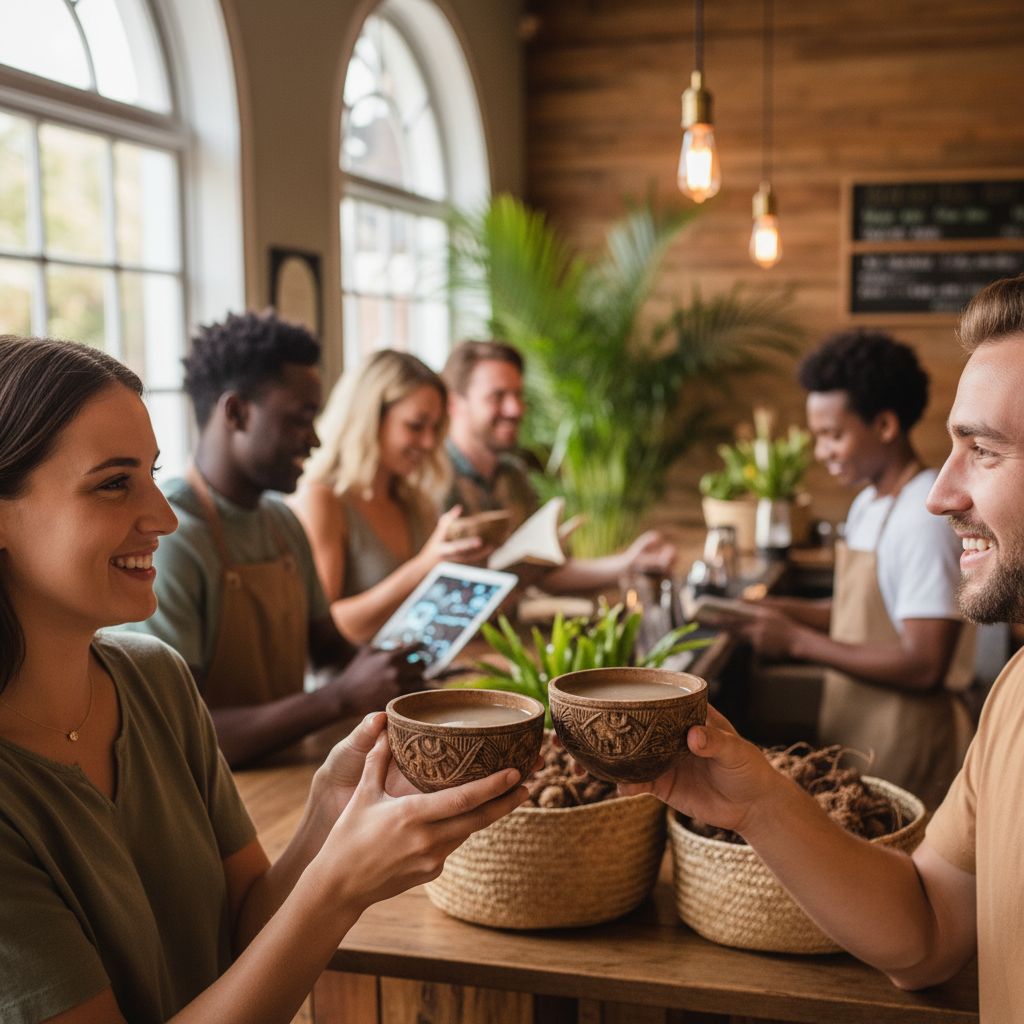
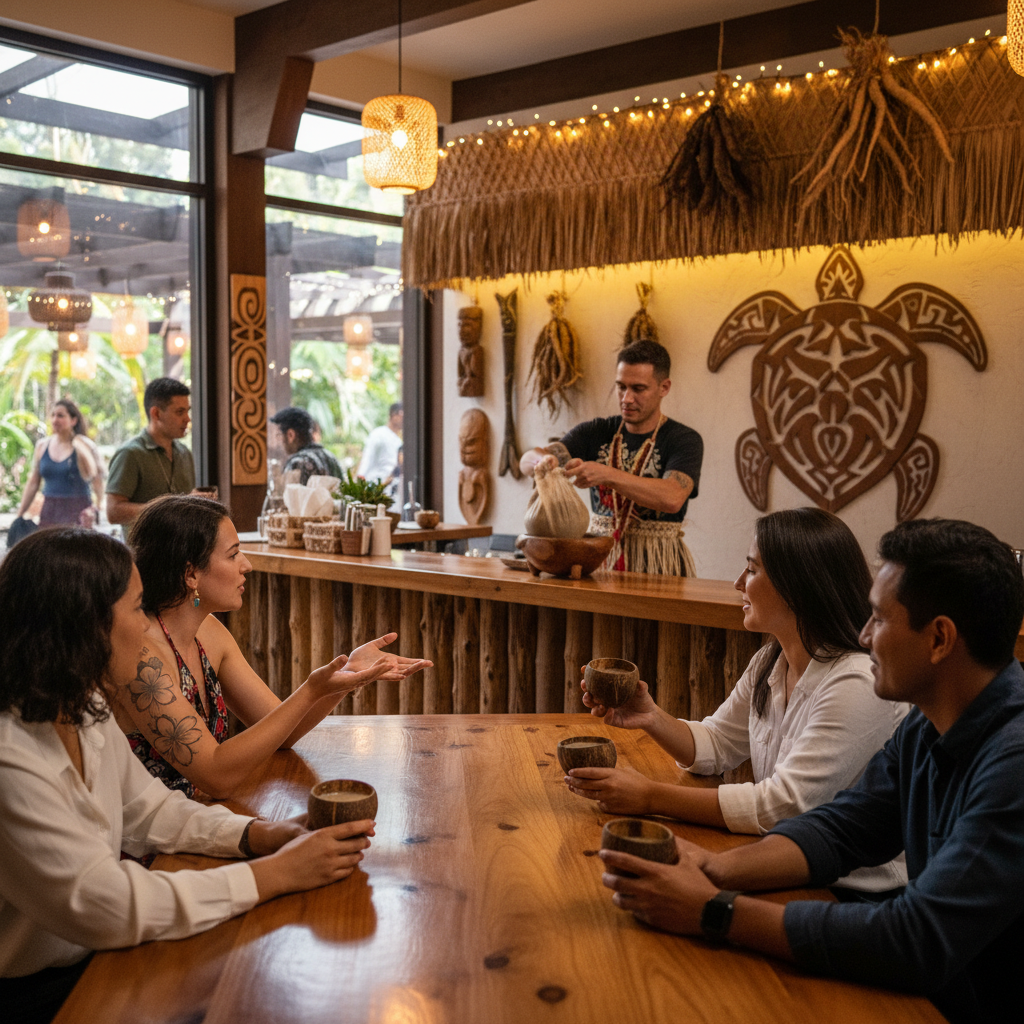
Over the past few years, kava bars have popped up in cities across the United States, Canada, and even parts of Europe, catering to a growing demographic seeking relaxation without the downsides of alcohol. Unlike typical bars, kava bars provide an environment where patrons can unwind with a shell of kava, chat with friends, or even work in a calm setting. These establishments often blend traditional Polynesian aesthetics with modern café vibes, creating a welcoming space for both kava enthusiasts and curious newcomers.
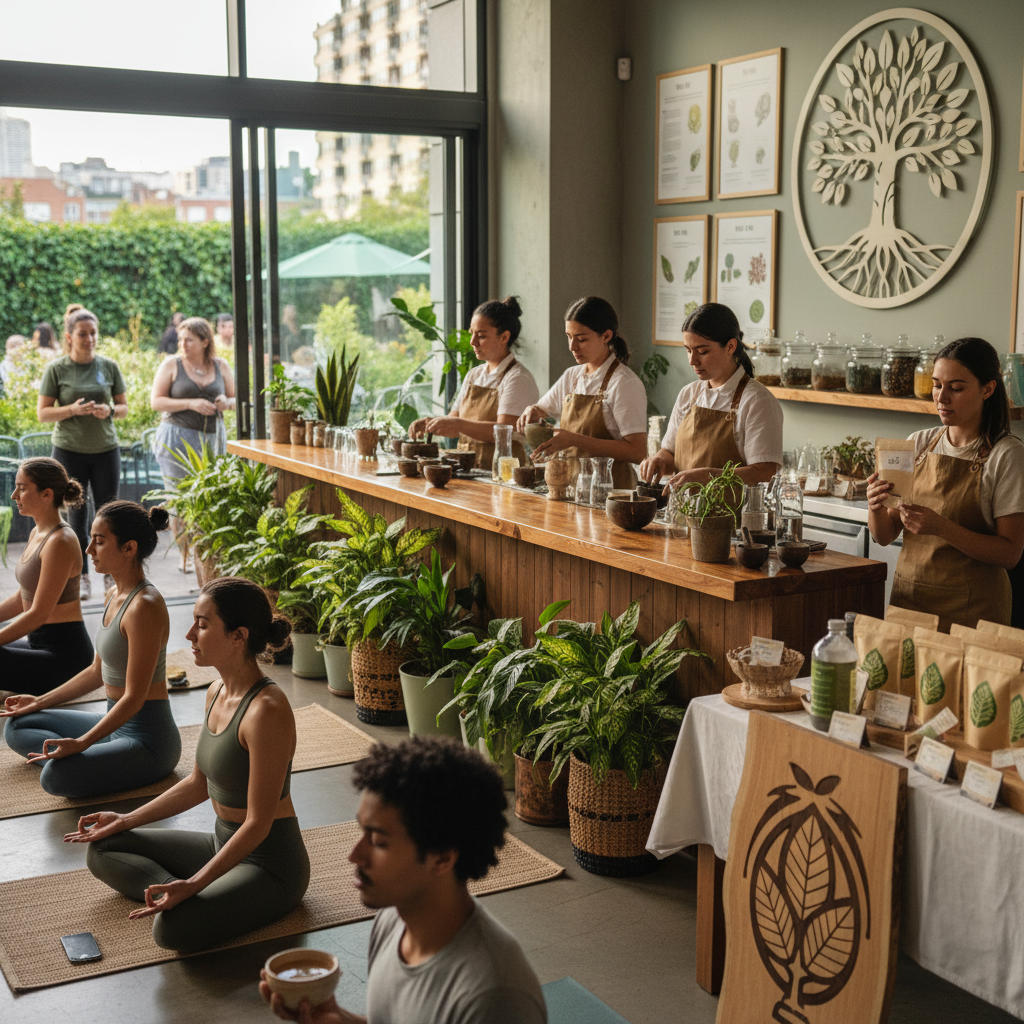
In 2026, kava bars are not just places to drink—they’re becoming community hubs. Many are hosting events like kava-tasting workshops, cultural education sessions about the drink’s Pacific Island origins, and even live acoustic music nights. For instance, a popular kava bar chain in California recently launched a 'Kava and Conversation' series, encouraging patrons to discuss mental health and wellness in a supportive environment. This innovative approach is resonating with younger generations who prioritize mindfulness and authentic social connections over conventional party scenes.
Kava’s Health Benefits: What’s Driving the Trend?
The rise of kava bars isn’t just a cultural phenomenon; it’s backed by growing awareness of kava’s potential health benefits. Traditionally used in Pacific Island ceremonies for its relaxing effects, kava contains active compounds called kavalactones, which are believed to interact with the brain’s receptors to promote calmness and reduce stress. Recent research continues to explore these effects, with preliminary studies suggesting that kava may help alleviate mild anxiety and improve sleep quality without the risk of dependency associated with some pharmaceutical alternatives.
Unlike kratom, another herbal supplement often mentioned alongside kava for its pain-relieving and mood-enhancing properties, kava is generally considered to have a milder impact on the body. This makes it an appealing choice for those looking to unwind after a long day without intense psychoactive effects. However, it’s worth noting that kava’s safety profile is still under scrutiny in some regions, with past concerns about potential liver toxicity leading to temporary bans in countries like Germany. Thankfully, improved cultivation practices and stricter quality controls in the industry are helping to address these issues, ensuring that kava served in reputable bars meets high safety standards.
For many kava bar patrons, the drink’s benefits go beyond the physical. Drinking kava is often described as a grounding experience, fostering a sense of connection and tranquility. This aligns perfectly with the broader social wellness trend of 2026, where people are increasingly seeking out experiences that support both mental and emotional well-being.
The Kava and Kratom Industry: A Balancing Act of Regulation and Growth
While kava bars are thriving, the broader kava and kratom industry faces a complex landscape of regulation and public perception. Kratom, derived from the leaves of the Mitragyna speciosa tree native to Southeast Asia, remains a controversial substance in many countries due to its opioid-like effects and potential for misuse. In contrast, kava enjoys a somewhat more favorable reputation, often viewed as a safer alternative for relaxation. However, both industries are grappling with the need for standardized regulations to ensure consumer safety and product quality.
In the U.S., the American Kratom Association and various kava advocacy groups are pushing for clearer guidelines in 2026. Their efforts focus on educating lawmakers about the cultural significance and therapeutic potential of these substances while advocating for responsible use. For kava bar owners, staying compliant with local health regulations is crucial, as is sourcing high-quality kava from trusted suppliers in places like Fiji, Vanuatu, and Tonga. This commitment to authenticity not only ensures safety but also honors the drink’s traditional roots, which is a major selling point for customers seeking an authentic experience.
Challenges and Opportunities for Kava Bars in 2026
Despite their growing popularity, kava bars face unique challenges. One major hurdle is educating the public about what kava is and how it differs from other substances like kratom or alcohol. Many first-time visitors are unfamiliar with kava’s earthy taste and mild numbing effect on the tongue, which can be off-putting without proper context. To combat this, many kava bars now offer flavored blends or mix kava with coconut water and fruit juices to make it more palatable for newcomers.
Another challenge is scalability. While some kava bars are expanding into franchises, the niche nature of the business means they must carefully balance growth with maintaining the intimate, community-focused atmosphere that defines their appeal. On the flip side, this niche status presents an opportunity for kava bars to position themselves as pioneers in the social wellness space, appealing to a demographic hungry for unique, health-conscious experiences.
What’s Next for Kava Culture?
Looking ahead, the future of kava bars and kava culture in 2026 appears bright. As more people prioritize mental health and seek alternatives to alcohol, kava’s role as a natural relaxant is likely to solidify. We can expect to see continued innovation in how kava is served—think kava-infused mocktails or even kava-based skincare products inspired by its soothing properties. Additionally, collaborations between kava bar owners and wellness influencers could further mainstream the drink, bringing it to an even wider audience.
For now, kava bars remain a testament to the power of ancient traditions in a modern world. They offer a space where people can slow down, connect, and embrace a more mindful way of socializing. Whether you’re a longtime kava enthusiast or simply curious about this Pacific Island elixir, visiting a kava bar might just be the perfect way to experience the intersection of culture, wellness, and community in 2026.