Introduction to Crypto in the Kava and Kratom World
In an era where digital innovation continues to reshape industries, kava bars across the United States are taking a bold step forward by integrating XRP Ripple into their payment systems. This move not only modernizes the customer experience but also positions kava bars at the forefront of financial technology in the wellness and relaxation sector. Meanwhile, the kratom industry is closely monitoring this trend, with stakeholders considering how cryptocurrency could streamline operations and enhance transparency. Let’s dive into how XRP Ripple is transforming kava bars and what this could mean for the broader kava and kratom industry.
Why Kava Bars Are Turning to XRP Ripple
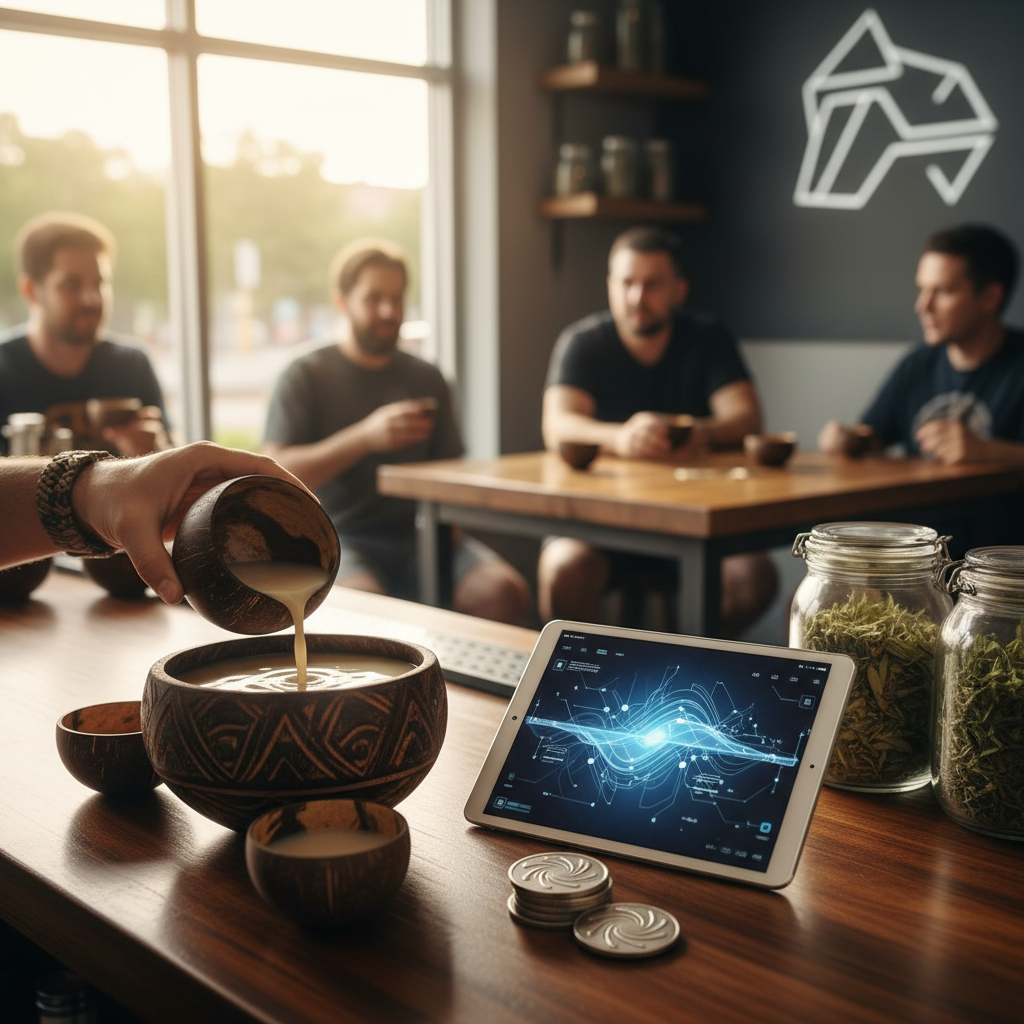
Kava bars, known for serving the traditional Pacific Island beverage made from the roots of the kava plant, have long been community hubs for relaxation and socializing. However, as these establishments grow in popularity, owners are seeking ways to improve efficiency and cater to tech-savvy customers. XRP Ripple, a cryptocurrency known for its fast transaction speeds and low fees, offers a compelling solution.
Unlike traditional payment methods that often involve processing delays and high fees, XRP transactions are completed in mere seconds, making it ideal for small businesses like kava bars. For patrons, this means quicker checkouts—whether they’re grabbing a shell of kava after work or settling a tab during a late-night gathering. Additionally, Ripple’s blockchain technology ensures secure and transparent transactions, building trust between kava bar owners and their clientele.
Some kava bars in cities like Miami and Los Angeles have already reported positive feedback from customers who appreciate the option to pay with XRP. Bar owners note that adopting this technology not only streamlines operations but also attracts a younger, tech-forward demographic eager to engage with innovative businesses.
How XRP Ripple Enhances the Kava Bar Experience
The integration of XRP Ripple goes beyond just faster payments. Kava bars are using this technology to create loyalty programs and reward systems. For instance, some bars offer discounts or free kava shells to customers who pay with XRP, incentivizing the use of cryptocurrency while fostering repeat business. Others are exploring Ripple-based apps to allow patrons to pre-order their drinks or reserve spots for kava ceremonies, enhancing convenience and personalization.
Moreover, XRP’s low transaction fees are a boon for kava bar owners who often operate on tight margins. By reducing the cost of processing payments, these businesses can reinvest savings into sourcing high-quality kava or hosting community events, further enriching the cultural experience of their establishments.
The Kratom Industry Watches with Interest
While kava bars pioneer the use of XRP Ripple, the kratom industry is taking notes. Kratom, a herbal supplement derived from the leaves of the Mitragyna speciosa tree, has seen significant growth in demand over the past decade. However, the industry faces challenges related to payment processing due to regulatory uncertainties and banking restrictions in some regions. Cryptocurrency, particularly XRP with its speed and efficiency, could provide a workaround for kratom vendors struggling with traditional financial systems.
Industry leaders are also intrigued by the potential for blockchain technology to improve supply chain transparency. With XRP Ripple, kratom companies could track payments to farmers and suppliers in real-time, ensuring fair trade practices and building consumer confidence in the ethical sourcing of their products. While widespread adoption is still on the horizon, several kratom distributors have begun pilot programs to test XRP payments with international suppliers, especially in Southeast Asia where kratom is cultivated.
Challenges and Future Outlook for Crypto in Kava and Kratom
Despite the promise of XRP Ripple, there are hurdles to overcome. Cryptocurrency is still a novel concept for many kava bar patrons and kratom consumers, requiring education on how to use digital wallets and understand exchange rates. Additionally, the volatility of cryptocurrencies can pose risks for businesses that rely on stable cash flow. Kava bar owners and kratom vendors must also navigate varying state and federal regulations regarding digital currencies, which could impact long-term adoption.
Nevertheless, the future looks promising. As more kava bars successfully implement XRP Ripple, they set a precedent for other niche industries like kratom to follow suit. Industry experts predict that within the next few years, cryptocurrency could become a standard payment option in wellness-focused businesses, aligning with the global shift toward digital finance.
Conclusion: A Digital Revolution for Kava and Kratom
The adoption of XRP Ripple by kava bars marks an exciting chapter in the evolution of the kava and kratom industry. By embracing this cutting-edge technology, kava bars are not only enhancing the customer experience but also paving the way for broader acceptance of cryptocurrency in alternative wellness spaces. As the kratom industry explores similar opportunities, we may soon see a landscape where digital payments are as commonplace as a calming shell of kava or a soothing kratom tea. For now, kava enthusiasts and kratom advocates alike can celebrate this innovative step toward a more connected and efficient future.