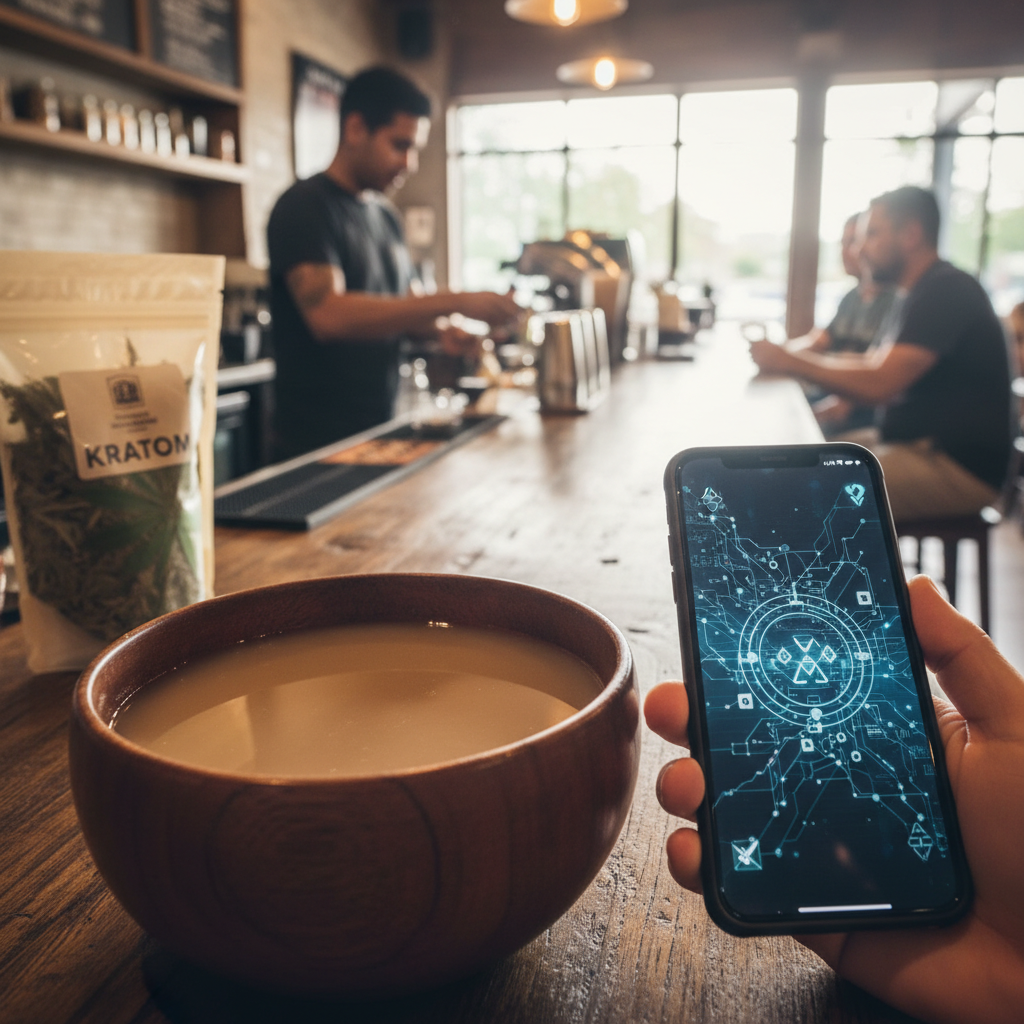
In a groundbreaking move for the kava bar scene, several establishments across the United States have started integrating XRP Ripple as a payment method, aiming to streamline transactions and attract tech-savvy customers. This innovative step not only modernizes the way patrons enjoy their kava drinks but also signals a potential shift in the broader kava and kratom industry toward embracing cutting-edge financial technologies. As kava bars pioneer this trend, the kratom industry is closely watching, with vendors and retailers considering similar digital payment solutions to enhance customer experience and operational efficiency.
Kava Bars Lead the Charge with XRP Ripple
Kava bars, known for their relaxing atmospheres and traditional Polynesian-inspired drinks, have often been at the forefront of cultural and technological trends. The adoption of XRP Ripple—a cryptocurrency known for its fast transaction speeds and low fees—marks a significant evolution for these social hubs. For instance, Kava Haven in Miami, one of the first bars to implement this system, reported a 20% increase in transaction speed during peak hours. Customers can now pay for their kava shells instantly using XRP, reducing wait times and enhancing the overall experience.
The decision to adopt XRP Ripple isn’t just about speed. Bar owners cite the cryptocurrency’s focus on cross-border payments as a major draw, especially for businesses sourcing kava directly from Pacific Island farmers. By using XRP, kava bars can pay international suppliers more efficiently, cutting down on traditional banking fees and delays. This move also aligns with the community-driven ethos of kava culture, as Ripple’s technology supports transparent and decentralized financial systems.
“We wanted to make payments as smooth as sipping kava,” says Leila Tanoa, owner of Kava Haven. “XRP Ripple allows us to connect with our suppliers in Fiji and Vanuatu faster while offering our customers a modern way to pay. It’s a win-win for everyone in the kava community.”
Benefits of Digital Payments for Kava Bars
The integration of XRP Ripple brings several advantages to kava bars, beyond just quicker transactions. Here are a few key benefits:
- Cost Efficiency: Traditional credit card processing fees can eat into small business profits. XRP transactions, with their minimal fees, help bar owners save on operational costs.
- Customer Appeal: Younger patrons and crypto enthusiasts are drawn to businesses that accept digital currencies, potentially expanding the customer base for kava bars.
- Supply Chain Transparency: Using XRP for international payments allows for better tracking and accountability when sourcing kava, ensuring ethical practices and quality control.
As more kava bars experiment with XRP Ripple, industry insiders predict that this could set a new standard for how these establishments operate, blending ancient traditions with modern financial tools.
Kratom Industry Takes Note of Digital Payment Trends
While kava bars are leading the charge, the kratom industry isn’t far behind in exploring digital payment solutions like XRP Ripple. Kratom vendors, who often face challenges with payment processing due to regulatory gray areas, see cryptocurrencies as a potential workaround. Online kratom retailers, in particular, are intrigued by the possibility of accepting XRP for purchases, as it could bypass some of the banking restrictions that have long plagued the industry.
“The kratom market has always had to adapt to unique challenges,” notes Ryan Becker, CEO of GreenLeaf Kratom Co., an online distributor based in Austin, Texas. “Digital currencies like XRP could provide a reliable alternative for transactions, especially as we expand internationally. We’re watching how kava bars implement this and learning from their success.”
Beyond online sales, kratom advocacy groups are also exploring how technologies like Ripple can support fundraising efforts for research and education. With XRP’s ability to facilitate quick, low-cost transfers, these organizations could more effectively fund studies on kratom’s benefits and safety, further legitimizing the industry in the eyes of regulators and consumers alike.
Bridging Tradition and Innovation in the Kava and Kratom World
The adoption of XRP Ripple by kava bars and its potential in the kratom industry highlights a fascinating intersection of tradition and innovation. Kava, deeply rooted in Pacific Island ceremonies, has always been about community and connection. Similarly, kratom, a Southeast Asian herb often used for its calming or energizing effects, carries a rich cultural history. By embracing modern payment systems, these industries are ensuring that their cultural significance remains relevant in a digital age.
However, this shift isn’t without challenges. Some kava bar patrons and kratom users express skepticism about cryptocurrencies, citing concerns over volatility and the learning curve associated with digital wallets. Bar owners and vendors are addressing these issues through educational initiatives, offering tutorials and incentives like discounts for first-time XRP users. Additionally, as regulatory frameworks for cryptocurrencies evolve, businesses in the kava and kratom space must stay compliant to avoid legal pitfalls.
Despite these hurdles, the potential for XRP Ripple to transform transactions in the kava and kratom industries is undeniable. As more businesses adopt this technology, it could pave the way for broader acceptance of digital currencies in niche wellness markets, further blending ancient practices with futuristic solutions.
Looking Ahead: A Digital Future for Kava and Kratom
The integration of XRP Ripple into kava bars and its growing interest within the kratom industry signal a new era for these cultural staples. As kava bars continue to set the pace with faster, more efficient transactions, they’re not only enhancing customer experiences but also strengthening ties with international suppliers. Meanwhile, kratom vendors are poised to leverage similar technologies to overcome long-standing payment challenges and fund critical advocacy efforts.
For enthusiasts of kava and kratom, this development is a reminder of the industries’ adaptability and commitment to innovation. Whether you’re sipping kava in a cozy bar or ordering kratom online, the future of these beloved botanicals is looking increasingly digital—and excitingly so. As we move forward, it will be fascinating to see how other technological advancements shape the landscape of kava culture and kratom commerce. One thing is clear: the roots of tradition are growing stronger, even as they branch into the digital realm.