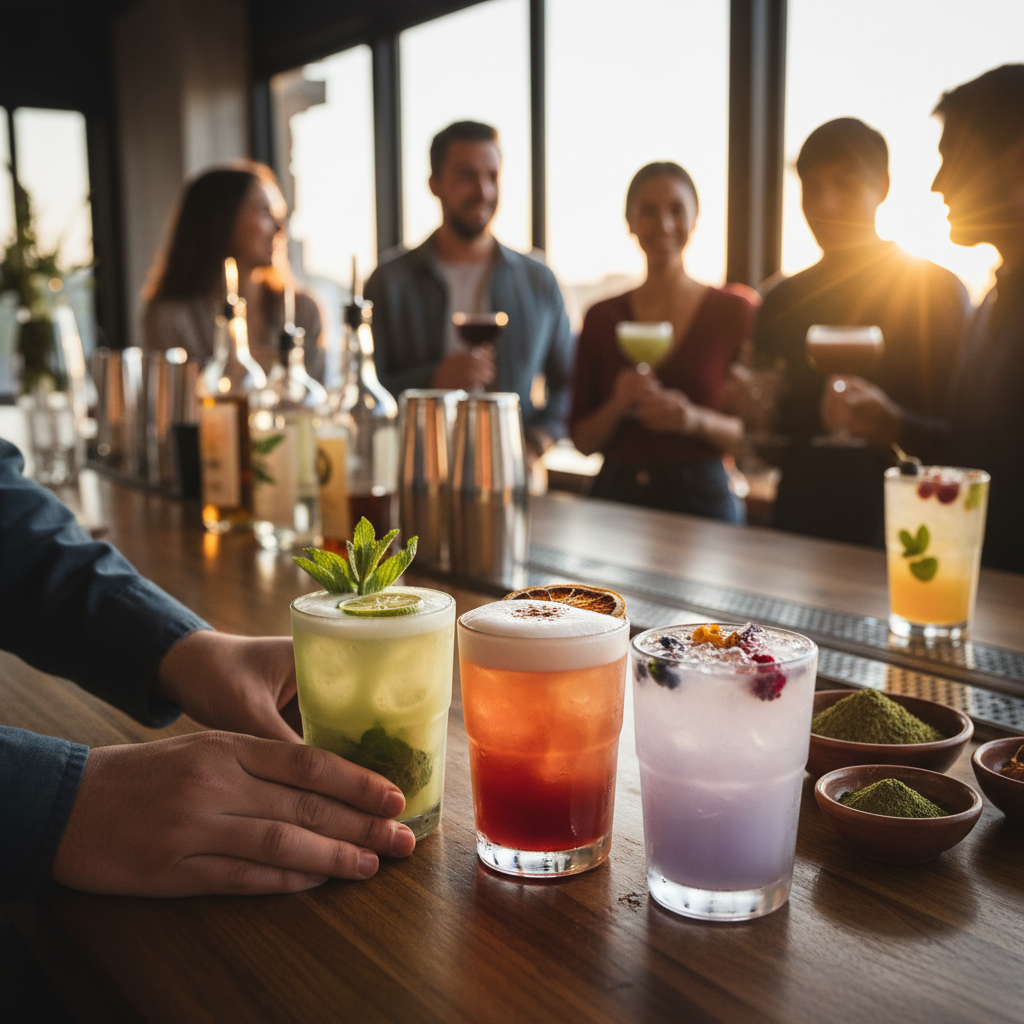
Kava Bars Redefine Social Drinking with Creative Mocktails
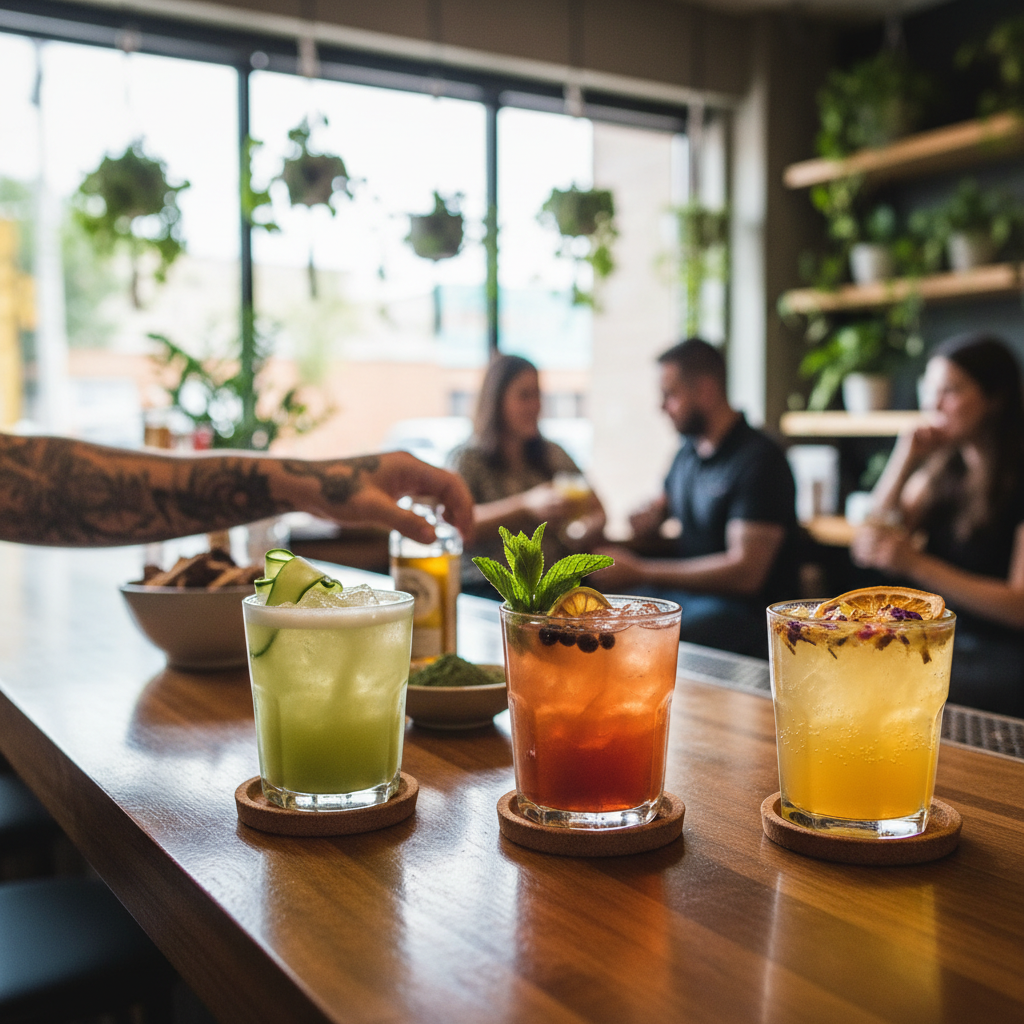
In a bold move to cater to the rising demand for non-alcoholic social experiences, kava bars across the United States are introducing innovative mocktail menus infused with kava’s calming properties. This trend, gaining momentum in 2026, reflects a broader cultural shift toward mindful consumption and wellness-focused socializing. From tropical-inspired kava coladas to earthy kava-infused iced teas, these alcohol-free beverages are redefining what it means to unwind at a kava bar.
Kava, a traditional Pacific Island root known for its relaxing effects, has long been a staple in kava bars, typically served in its pure form as a earthy-tasting drink. However, bar owners are now experimenting with flavors and formats to attract a wider audience, including those who may be hesitant to try kava due to its acquired taste. By blending kava with fruits, herbs, and natural sweeteners, these mocktails offer a palatable entry point for newcomers while maintaining the plant’s stress-relieving benefits.
“We’ve seen a huge uptick in customers looking for alcohol-free options that still feel fun and social,” says Mia Torres, owner of Pacific Waves Kava Lounge in San Diego. “Our kava mocktails—like the Pineapple Kava Splash—are a hit with everyone from wellness enthusiasts to curious first-timers. It’s about creating an inclusive vibe where people can relax without the hangover.”
Health-Conscious Consumers Drive Kava Mocktail Trend
The rise of kava mocktails aligns with a growing preference for health-conscious alternatives to traditional bar drinks. Studies continue to highlight kava’s potential benefits, including its ability to reduce anxiety and promote relaxation without the impairing effects of alcohol. A 2025 meta-analysis published in the Journal of Herbal Medicine found that kava extracts could significantly lower stress levels in adults when consumed in moderate doses, further solidifying its appeal in wellness circles.
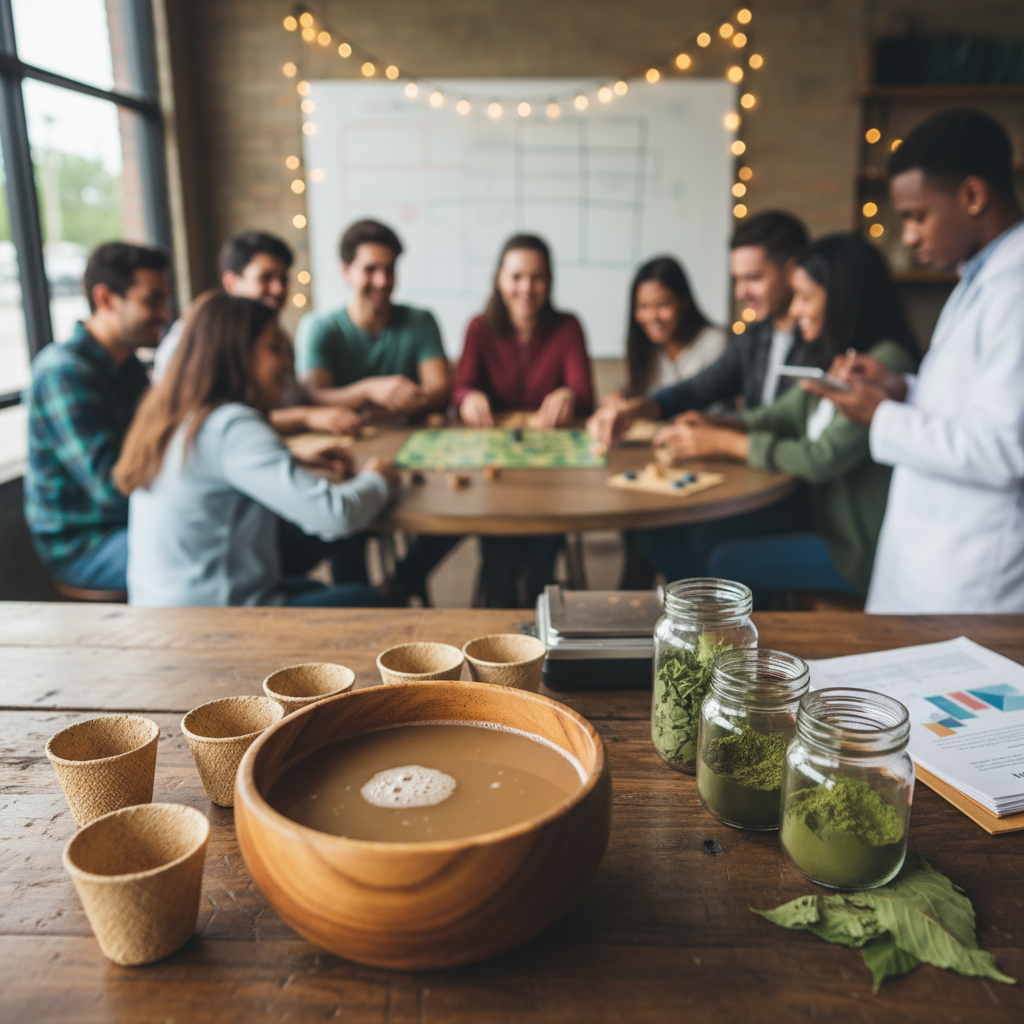
Kava bars are capitalizing on this research by marketing their mocktails as both tasty and therapeutic. Many establishments now offer detailed menus explaining kava’s effects alongside flavor profiles, educating patrons on what to expect. Some bars even host “mocktail mixology” workshops, teaching customers how to craft kava-based drinks at home using responsibly sourced powder or extracts.
However, kava bar owners emphasize the importance of moderation and transparency. “We always inform our customers about safe consumption levels and potential interactions with medications,” notes Torres. “Kava is powerful, and we want to honor its cultural roots while ensuring a safe experience for everyone.”
Kratom Industry Takes Notice of Non-Alcoholic Beverage Boom
Parallel to the kava bar mocktail movement, the kratom industry is also adapting to the demand for non-alcoholic, plant-based beverages. Kratom, a Southeast Asian herb known for its stimulating and pain-relieving properties, is increasingly being incorporated into ready-to-drink teas and tonics sold in wellness shops and online marketplaces. As of early 2026, several kratom brands have launched flavored drink mixes designed to mimic the social appeal of mocktails, positioning their products as natural alternatives to energy drinks or evening wind-down beverages.
“The overlap between kava and kratom consumers is significant,” says Ethan Lim, a market analyst for the herbal supplement sector. “Both communities are drawn to natural remedies that support mental and physical well-being. Kratom companies are watching the kava mocktail trend closely and are starting to innovate with their own non-alcoholic offerings, often blending kratom with complementary ingredients like ginger or citrus.”
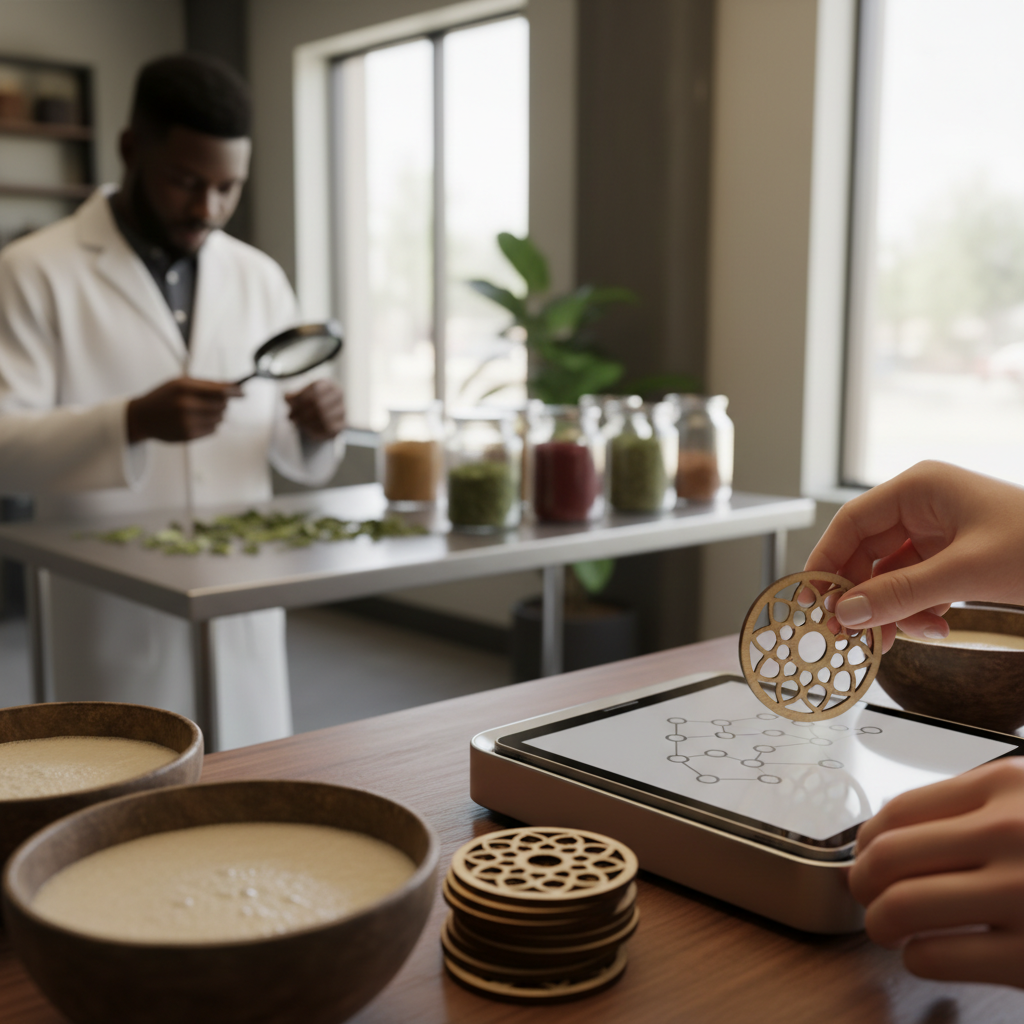
Unlike kava, which is more widely accepted in social settings due to its established presence in kava bars, kratom faces stricter regulatory scrutiny in many regions. This has led some kratom beverage producers to focus on transparency, providing detailed lab testing results and dosage guidelines on their packaging. The goal is to build trust with consumers who may be wary of trying kratom due to misinformation or legal ambiguities.
Challenges and Opportunities in the Kava and Kratom Beverage Space
While the introduction of kava mocktails and kratom drinks presents exciting opportunities, both industries face challenges in scaling these innovations. For kava bars, sourcing high-quality kava that meets safety standards remains a priority. The plant’s cultivation is labor-intensive, and supply chain disruptions can affect availability and pricing. Additionally, educating the public about kava’s cultural significance—rooted in Pacific Island traditions—requires sensitivity to avoid commercialization that feels exploitative.
For the kratom industry, regulatory hurdles pose a significant barrier. In some U.S. states, kratom is classified as a controlled substance, limiting its distribution and marketing potential. Advocacy groups like the American Kratom Association are working to standardize regulations and promote research into kratom’s safety and efficacy, but progress is slow. Until clearer guidelines are established, kratom beverage brands must navigate a patchwork of local laws while competing in a crowded wellness market.
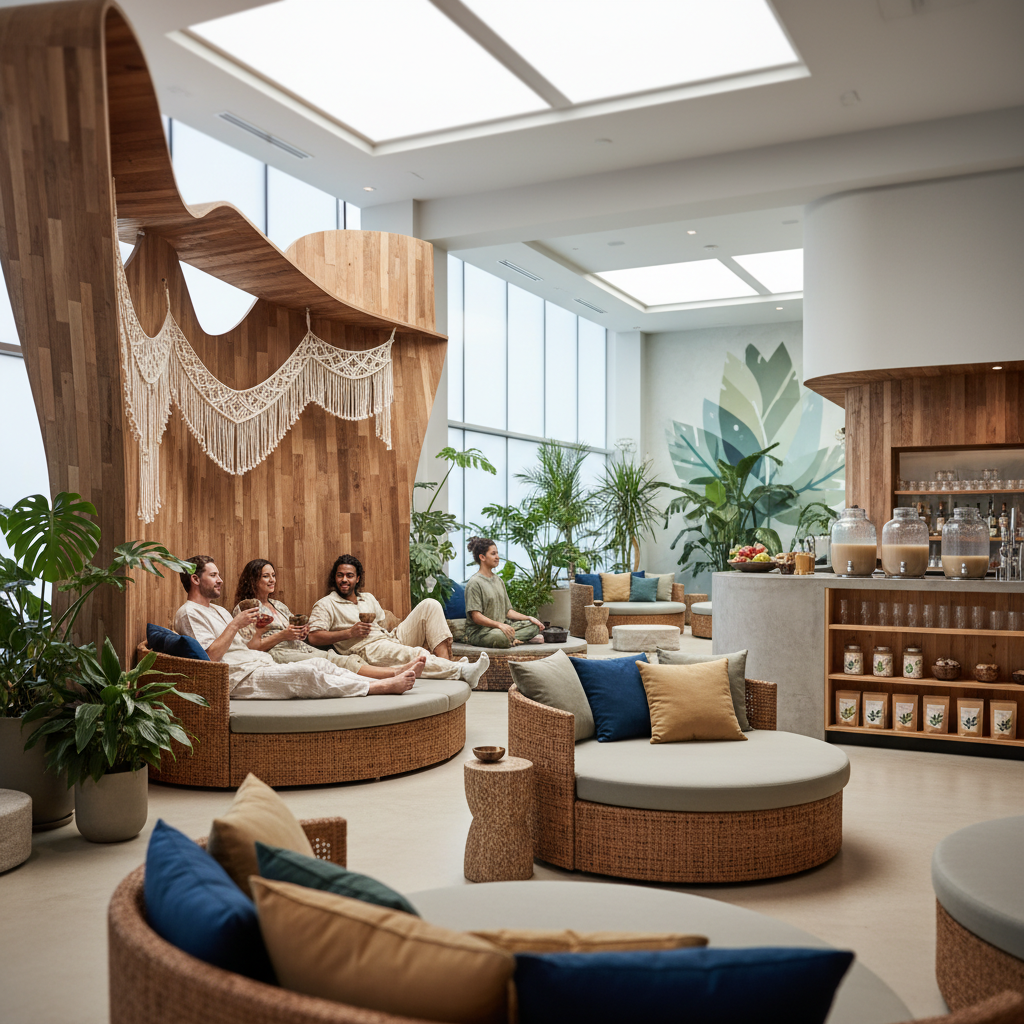
Despite these obstacles, the synergy between kava bars and the kratom industry signals a promising future for plant-based, non-alcoholic drinks. As consumers continue to prioritize health and mindfulness, both kava and kratom are well-positioned to carve out a niche in the beverage sector. Whether it’s sipping a kava mocktail at a local lounge or grabbing a kratom-infused tea on the go, these herbal alternatives are reshaping how we think about relaxation and socialization.
What’s Next for Kava Bars and Kratom Products?
Looking ahead, industry experts predict that kava bars will continue to innovate with their mocktail offerings, potentially partnering with local chefs or mixologists to create seasonal or limited-edition drinks. Some bars are even exploring pairings, combining kava mocktails with light, health-focused snacks to enhance the overall experience.
In the kratom space, expect to see more collaborations with beverage companies to develop mainstream-friendly products. As public awareness grows and regulatory landscapes evolve, kratom-infused drinks could become a staple in health food stores, much like kombucha or adaptogenic lattes today.
For now, the kava bar mocktail trend is a refreshing reminder of how traditional remedies can adapt to modern tastes. So, the next time you’re looking for a night out without the buzz of alcohol, consider swinging by a kava bar to try a creative kava concoction. Who knows? You might just find your new favorite way to unwind.