In 2026, the kava and kratom communities are witnessing exciting developments that promise to elevate the experience for enthusiasts and newcomers alike. Kava bars across the United States are rolling out innovative wellness-focused events to promote relaxation and cultural connection, while the kratom industry is making significant strides in product testing and safety standards. This dual evolution reflects a shared commitment to community well-being and responsible consumption in the kava and kratom spaces.
Kava Bars Redefine Relaxation with Wellness Events
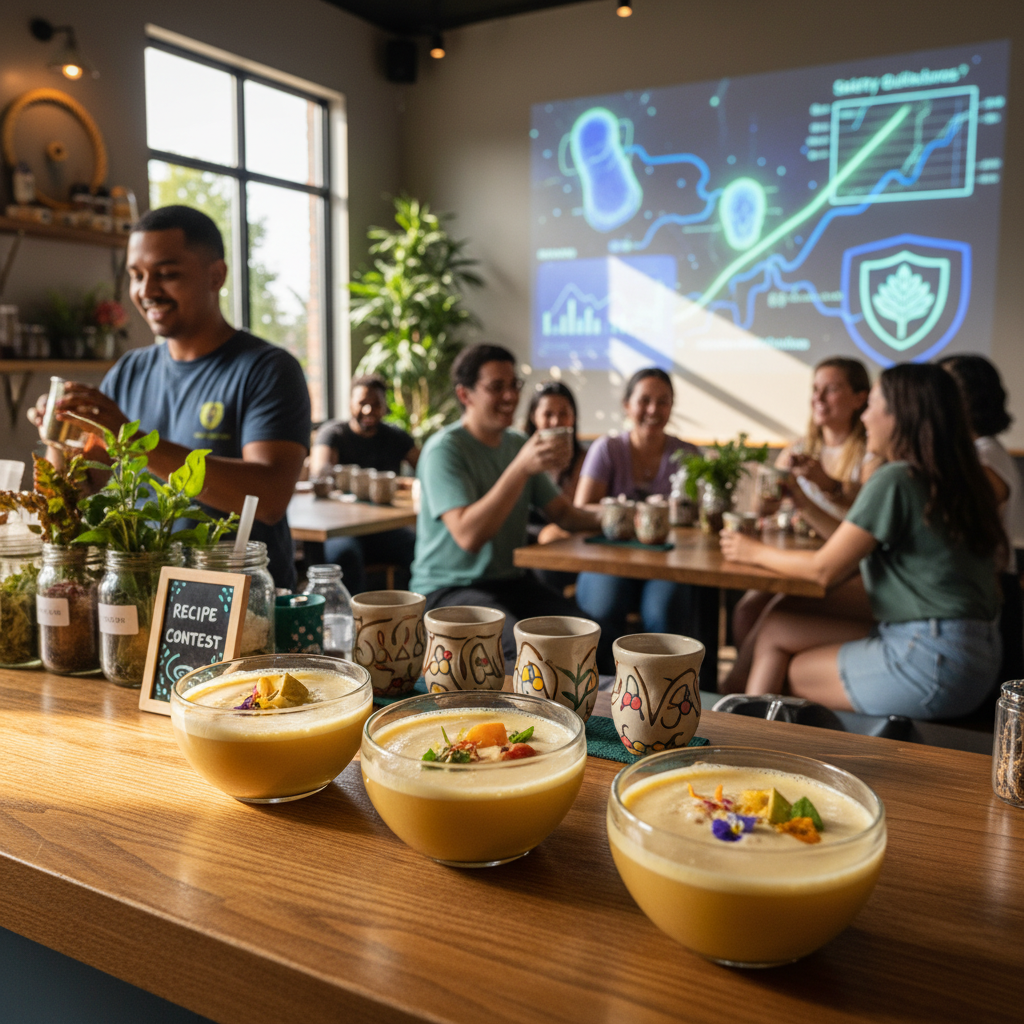
Kava bars have long been cherished as social hubs where individuals can unwind with a calming cup of kava, a traditional Pacific Island beverage known for its stress-relieving properties. This year, many kava bars are taking their mission a step further by introducing wellness-focused events designed to enhance mental and physical health. From guided meditation sessions to kava-infused yoga classes, these venues are creating spaces that go beyond simply serving drinks.
In cities like Austin, Portland, and Miami, kava bars are partnering with local wellness experts to host workshops on stress management and mindfulness. For instance, Kava Haven in Austin recently launched a weekly 'Kava & Calm' series, where participants enjoy a traditional kava shell while learning breathing techniques to reduce anxiety. 'We want our customers to experience kava not just as a drink, but as part of a holistic lifestyle,' says owner Maya Thompson. 'These events help people connect with the cultural roots of kava while prioritizing their well-being.'
Other kava bars are incorporating educational sessions about kava’s origins and benefits. In Portland, Pacific Roots Kava Bar has started monthly talks featuring Polynesian cultural ambassadors who share stories of kava’s historical significance in ceremonies and community bonding. These events are drawing diverse crowds, from curious first-timers to seasoned kava drinkers, fostering a deeper appreciation for this ancient tradition.
The rise of wellness events in kava bars also aligns with a growing demand for alcohol-free social spaces. As more people seek alternatives to traditional nightlife, kava bars are stepping up to offer environments that prioritize relaxation over intoxication. This trend is expected to continue as kava culture gains mainstream traction in 2026.
Kratom Industry Advances with Stricter Product Testing Standards
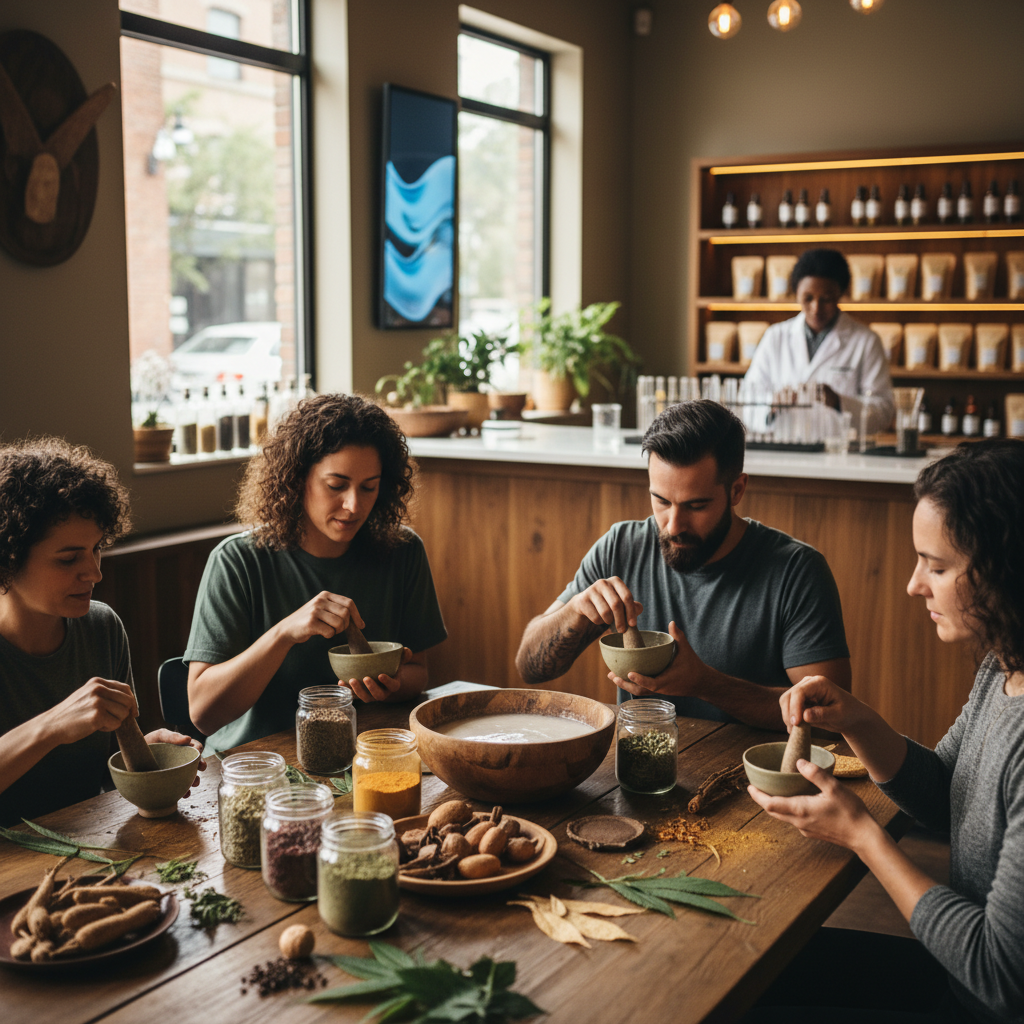
While kava bars are innovating on the cultural front, the kratom industry is focusing on safety and transparency with enhanced product testing standards. Kratom, a Southeast Asian herb known for its potential to support energy and pain relief, has faced scrutiny over inconsistent quality and contamination risks in recent years. In response, leading kratom vendors and advocacy groups are pushing for rigorous testing protocols to ensure consumer safety.
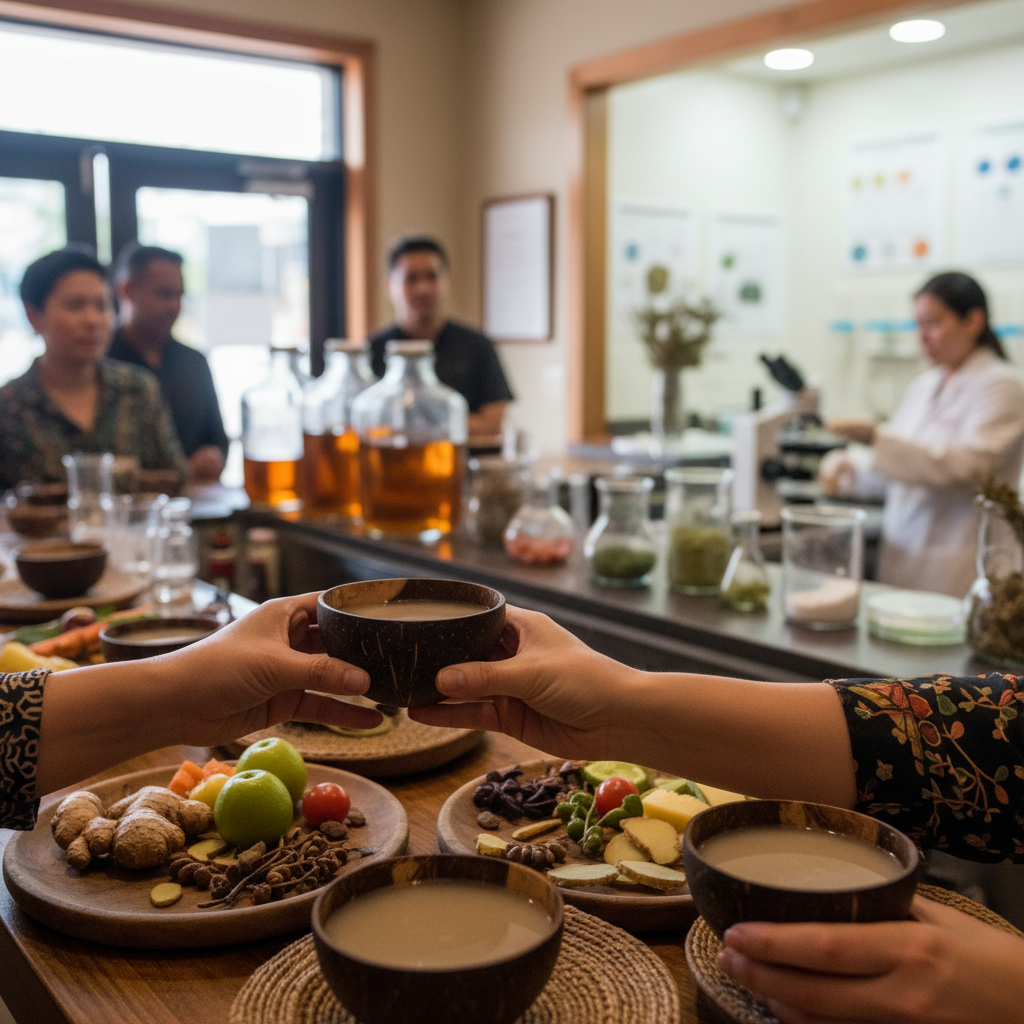
In early 2026, the American Kratom Association (AKA) announced a partnership with several major kratom suppliers to implement third-party lab testing for all products. This initiative includes screening for contaminants like heavy metals and pathogens, as well as verifying alkaloid content to guarantee potency and consistency. 'Our goal is to build trust with consumers and regulators alike,' says AKA spokesperson Daniel Rivera. 'Standardized testing is a critical step toward legitimizing kratom as a safe and reliable herbal supplement.'
Additionally, some kratom brands are voluntarily adopting Good Manufacturing Practices (GMP) certification, a standard typically seen in the pharmaceutical and food industries. Companies like Green Harmony Kratom have invested in GMP-compliant facilities, ensuring that their products meet high safety and quality benchmarks. This move not only protects consumers but also sets a precedent for smaller vendors to follow suit.
These advancements come at a pivotal time for the kratom industry, as regulatory discussions continue at both state and federal levels. By prioritizing transparency and accountability, kratom advocates hope to demonstrate the herb’s potential benefits while addressing concerns about misuse and safety. For kratom users, these changes mean greater confidence in the products they purchase, whether for personal wellness or pain management.
Bridging Kava and Kratom Communities Through Shared Values
Though kava and kratom serve different purposes—kava for relaxation and kratom for energy or pain relief—their respective industries share a common goal of promoting natural alternatives to conventional substances. Both communities are rooted in cultural traditions, with kava hailing from the Pacific Islands and kratom originating in Southeast Asia. This shared emphasis on heritage and holistic wellness is fostering collaboration between kava bars and kratom vendors.
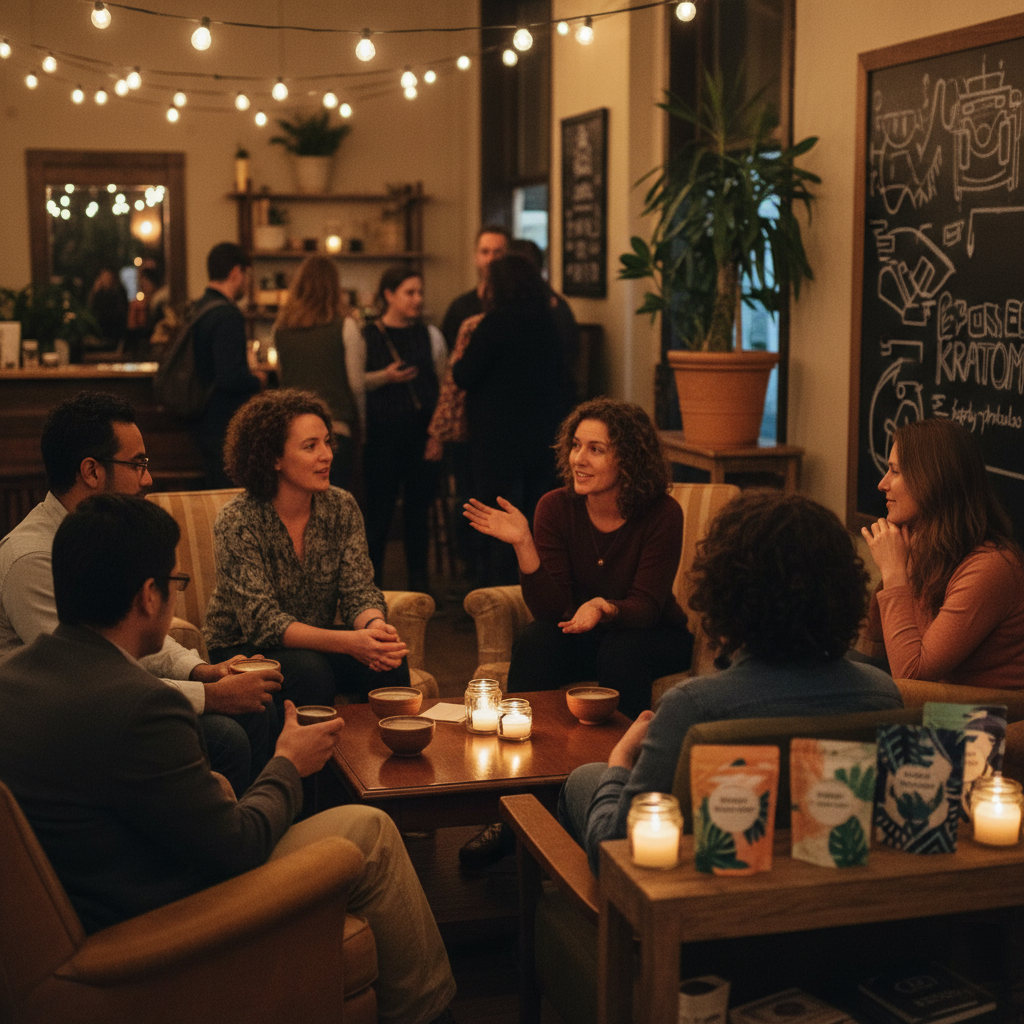
In some regions, kava bars are beginning to offer educational resources about kratom alongside their traditional kava menus. For example, Serenity Kava Lounge in Miami now hosts monthly Q&A sessions where guests can learn about both herbs from certified herbalists. These events aim to dispel myths and provide accurate information, helping consumers make informed choices about their wellness routines.
Meanwhile, kratom advocacy groups are drawing inspiration from kava’s cultural integration into social spaces. Some industry leaders are exploring the idea of kratom-focused lounges or hybrid kava-kratom bars, though regulatory hurdles remain a challenge. 'Kava bars have shown how a traditional herb can become a cornerstone of community and relaxation,' notes Rivera. 'We’re looking at how kratom can fit into similar spaces while respecting its unique properties and legal status.'
What’s Next for Kava and Kratom in 2026?
As we move through 2026, the kava and kratom industries are poised for continued growth and innovation. Kava bars are likely to expand their wellness offerings, potentially incorporating live cultural performances or kava-making workshops to further immerse patrons in Pacific Island traditions. At the same time, the kratom industry’s focus on testing and transparency could pave the way for broader acceptance and clearer regulations, benefiting both vendors and consumers.
For enthusiasts of these natural remedies, this is an exciting era. Whether you’re sipping a shell of kava at a local bar or exploring kratom’s effects for personal wellness, the commitment to quality, culture, and community is stronger than ever. Stay tuned for more updates as these industries evolve, and consider visiting a kava bar near you to experience the calming power of kava firsthand.