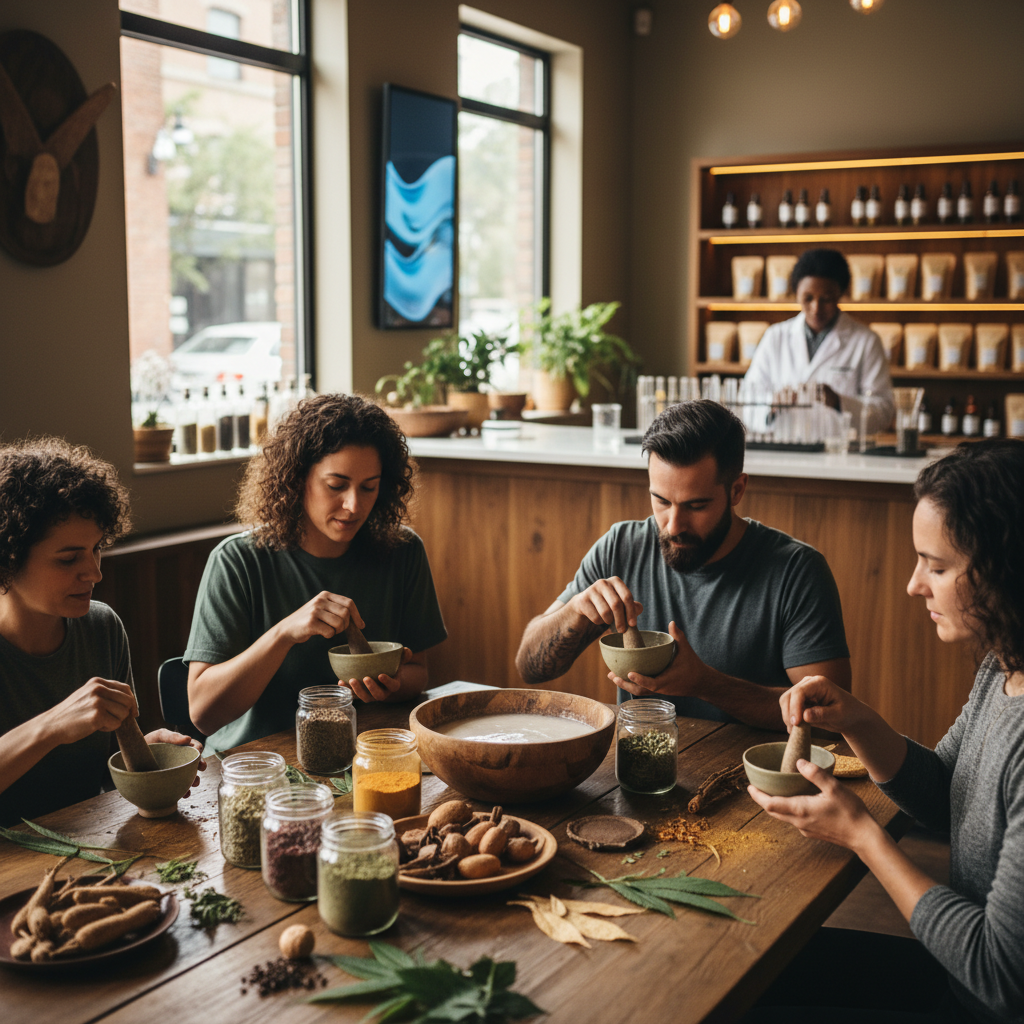
In an exciting development for kava enthusiasts, kava bars across the United States are rolling out artisanal blending classes, inviting patrons to dive deeper into the ancient art of kava preparation. Meanwhile, the kratom industry is making headlines with renewed efforts to prioritize consumer safety through updated standards and educational campaigns. These twin movements signal a dynamic evolution in the kava and kratom communities, blending tradition with modern responsibility.
Kava Bars Elevate the Experience with Artisanal Blending Classes
For those who frequent kava bars, the allure often lies in the communal vibe and the calming effects of kava, a traditional Polynesian drink made from the root of the Piper methysticum plant. Now, kava bars are taking immersion to the next level by offering hands-on artisanal blending classes. These workshops allow participants to learn the intricacies of selecting, grinding, and mixing kava varieties to create personalized blends tailored to their taste and desired effects.
From Honolulu to Miami, kava bar owners are partnering with experienced kava farmers and cultural ambassadors to teach the history and techniques behind this sacred beverage. Attendees not only gain practical skills but also develop a deeper appreciation for kava’s cultural roots. For example, at Pacific Waves Kava Lounge in San Diego, owner Leilani Moana describes the classes as a “bridge between ancient tradition and modern relaxation.” She notes, “Our customers leave with a sense of connection—not just to kava, but to the communities that have cherished it for centuries.”
These classes often include guided tastings, where participants sample different kava strains—such as the mellow Borogu or the potent Mahakea—and learn how factors like origin, processing, and preparation impact flavor and potency. Some bars even provide take-home kits, complete with kava powder, strainers, and recipe cards, encouraging enthusiasts to recreate the experience at home. This trend is quickly gaining traction, with social media buzzing with hashtags like #KavaCraft and #BlendYourCalm as attendees share their unique creations.
Kratom Industry Steps Up with Consumer Safety Initiatives
On the other side of the herbal spectrum, the kratom industry is focusing on consumer safety with a wave of new initiatives aimed at ensuring product quality and transparency. Kratom, derived from the leaves of the Mitragyna speciosa tree native to Southeast Asia, has garnered a loyal following for its potential to support relaxation and energy, depending on the strain and dosage. However, concerns over inconsistent quality and misinformation have prompted industry leaders to take action.
The American Kratom Association (AKA), a prominent advocacy group, recently announced updated Good Manufacturing Practices (GMP) guidelines for kratom vendors. These standards emphasize rigorous testing for contaminants like heavy metals and pathogens, as well as accurate labeling of alkaloid content. “Our goal is to protect consumers while preserving access to high-quality kratom,” says AKA spokesperson Daniel Rivera. “Education and accountability are key to building trust in this industry.”
In addition to stricter manufacturing protocols, several kratom suppliers are launching educational campaigns to inform users about safe consumption practices. Websites and packaging now often include QR codes linking to resources on dosage guidelines, potential interactions, and the importance of sourcing from reputable vendors. Some companies are even hosting virtual webinars with botanists and researchers to dispel myths and provide evidence-based insights into kratom’s effects.
This push for safety couldn’t come at a better time, as kratom’s popularity continues to soar. Retailers report a surge in demand for lab-tested products, with consumers increasingly prioritizing transparency over price. As one kratom user from Austin, Texas, put it, “I want to know exactly what I’m putting in my body. These new standards give me peace of mind.”
Bridging Tradition and Responsibility in the Kava and Kratom Worlds
The simultaneous rise of artisanal kava blending classes and kratom safety initiatives highlights a shared theme: a commitment to honoring tradition while adapting to contemporary needs. Kava bars are fostering a hands-on connection to cultural heritage, turning casual drinkers into passionate advocates for the plant. At the same time, the kratom industry is addressing modern challenges head-on, ensuring that growth doesn’t come at the expense of consumer well-being.
For those in the kava and kratom community, these developments offer a chance to engage more deeply with both substances. Whether you’re kneading kava root in a dimly lit bar or scanning a kratom package for a third-party testing seal, there’s a sense of empowerment in being an informed participant. Industry experts predict that these trends will only strengthen the bond between consumers and suppliers, paving the way for a more sustainable and respected market.
As kava bars continue to innovate with educational offerings, and as kratom vendors double down on safety, one thing is clear: the future of these herbal traditions is rooted in community, transparency, and respect for their origins. So, the next time you sip a shell of kava or brew a cup of kratom tea, take a moment to appreciate the journey—from ancient rituals to modern safeguards—that brought these plants to your hands.