Kava Bars: The Heart of a Growing Cultural Movement
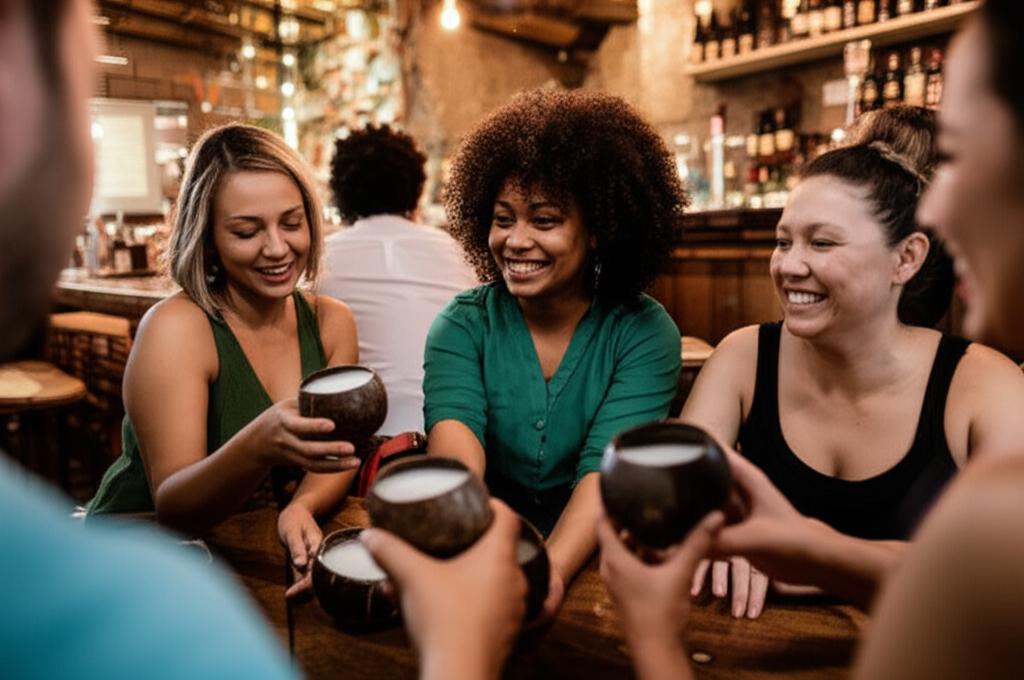
In 2026, kava bars continue to carve out a unique space in the social and wellness landscape, becoming more than just places to sip a traditional Polynesian beverage. These establishments are evolving into cultural hubs where communities gather to unwind, connect, and embrace the calming effects of kava. From urban centers to small towns, kava bars are popping up at an unprecedented rate, fueled by a growing appreciation for natural relaxation alternatives.
This year, many kava bars are introducing innovative experiences to attract a broader audience. Live music nights featuring local artists, kava-tasting events, and educational workshops on kava’s history and preparation are becoming commonplace. For instance, a popular kava bar in Seattle recently launched a 'Kava and Culture' series, inviting Pacific Islander elders to share stories about kava’s traditional role in their communities. Such initiatives not only enhance the customer experience but also honor the deep-rooted heritage of kava, fostering a sense of authenticity and respect.
Moreover, kava bars are increasingly focusing on sustainability. Many are sourcing their kava directly from small-scale farmers in Fiji, Vanuatu, and Tonga, ensuring fair trade practices and high-quality products. This farm-to-shell approach resonates with eco-conscious consumers who value transparency and ethical sourcing. As one kava bar owner in Austin put it, 'We’re not just serving a drink; we’re supporting a way of life for the farmers who grow our kava.'
New Research Reinforces Kava’s Health Benefits
Adding to the momentum of kava bars is a wave of recent studies highlighting kava’s potential health benefits. In early 2026, a comprehensive review published by a leading botanical research institute confirmed that kava’s active compounds, known as kavalactones, can significantly reduce anxiety and promote relaxation without the risk of dependency associated with pharmaceutical alternatives. The study, which analyzed data from over 1,000 participants across multiple trials, found that moderate kava consumption led to measurable improvements in stress levels and sleep quality.
These findings are a boon for the kava industry, as they provide scientific backing for what traditional users have known for centuries. Kava, often referred to as 'nature’s relaxant,' is derived from the root of the Piper methysticum plant and has been used in Pacific Island ceremonies for its calming effects. The modern validation of these effects is encouraging more people to try kava as a natural remedy for the stresses of contemporary life. However, researchers emphasize the importance of moderation and caution against overuse, as excessive consumption has been linked to rare cases of liver concerns—a topic that continues to be studied and debated.
For kava bar patrons, this research is a conversation starter. Many report feeling validated in their choice to incorporate kava into their wellness routines. 'I’ve always felt kava helps me unwind after a long day, and now there’s data to back that up,' shared a regular at a Miami kava lounge. As awareness of kava’s benefits spreads, it’s likely that kava bars will see even more foot traffic in the coming months.
Kratom Industry Faces Evolving Challenges and Opportunities
While kava bars enjoy a surge in popularity, the kratom industry is navigating a more complex path in 2026. Kratom, a tropical plant from Southeast Asia known for its stimulating and pain-relieving properties, remains a polarizing topic in the wellness and regulatory spheres. This year, several U.S. states have introduced new guidelines for kratom sales, aiming to ensure consumer safety while addressing concerns about misuse. These regulations often require vendors to provide detailed labeling, third-party testing for contaminants, and age restrictions for purchasers.
For kratom advocates, these measures are a double-edged sword. On one hand, standardized regulations can help legitimize kratom as a safe herbal supplement and protect consumers from low-quality products. On the other hand, smaller vendors worry that compliance costs could push them out of the market, consolidating power among larger players. Industry leaders are actively engaging with policymakers to strike a balance, advocating for fair rules that prioritize safety without stifling innovation.
Despite these hurdles, the kratom market continues to grow, driven by demand for natural alternatives to traditional pain management and energy boosters. Online kratom sales have spiked in 2026, with e-commerce platforms reporting a 20% increase in orders compared to the previous year. Additionally, some kava bars have begun offering kratom-infused drinks or selling powdered kratom alongside their kava menus, creating a synergy between the two botanicals. This crossover appeals to customers seeking variety in their relaxation and wellness experiences, though it also sparks debates about responsible use and education.
The Future of Kava and Kratom: A Shared Path Forward
As we move deeper into 2026, the trajectories of kava and kratom seem intertwined yet distinct. Kava bars are cementing their status as community spaces that blend tradition with modernity, while kratom’s journey is shaped by regulatory scrutiny and consumer advocacy. Both industries, however, share a common goal: to provide natural, plant-based solutions in a world increasingly hungry for holistic wellness options.
For enthusiasts and newcomers alike, staying informed is key. Whether you’re sipping kava at a local bar or exploring kratom’s effects through a trusted vendor, understanding the cultural, scientific, and legal contexts of these botanicals enhances the experience. Kava and kratom are more than just trends—they’re part of a broader movement toward mindful living, rooted in ancient practices and adapted for today’s needs.
What’s clear is that kava bars and the kratom industry are here to stay, each navigating their unique challenges and opportunities. As cultural acceptance grows and research continues to unfold, 2026 promises to be a pivotal year for these remarkable plants and the communities that embrace them.