Kava Bars Innovate with Mental Wellness Retreats
In a groundbreaking move for the kava community, several kava bars across the United States are rolling out mental wellness retreats, blending the traditional calming effects of kava with structured relaxation and mindfulness programs. This initiative, launched in early 2026, aims to position kava bars not just as social hubs but as sanctuaries for mental health and stress relief. With the hustle and bustle of modern life taking a toll on mental well-being, these retreats are a timely addition to the kava bar scene.
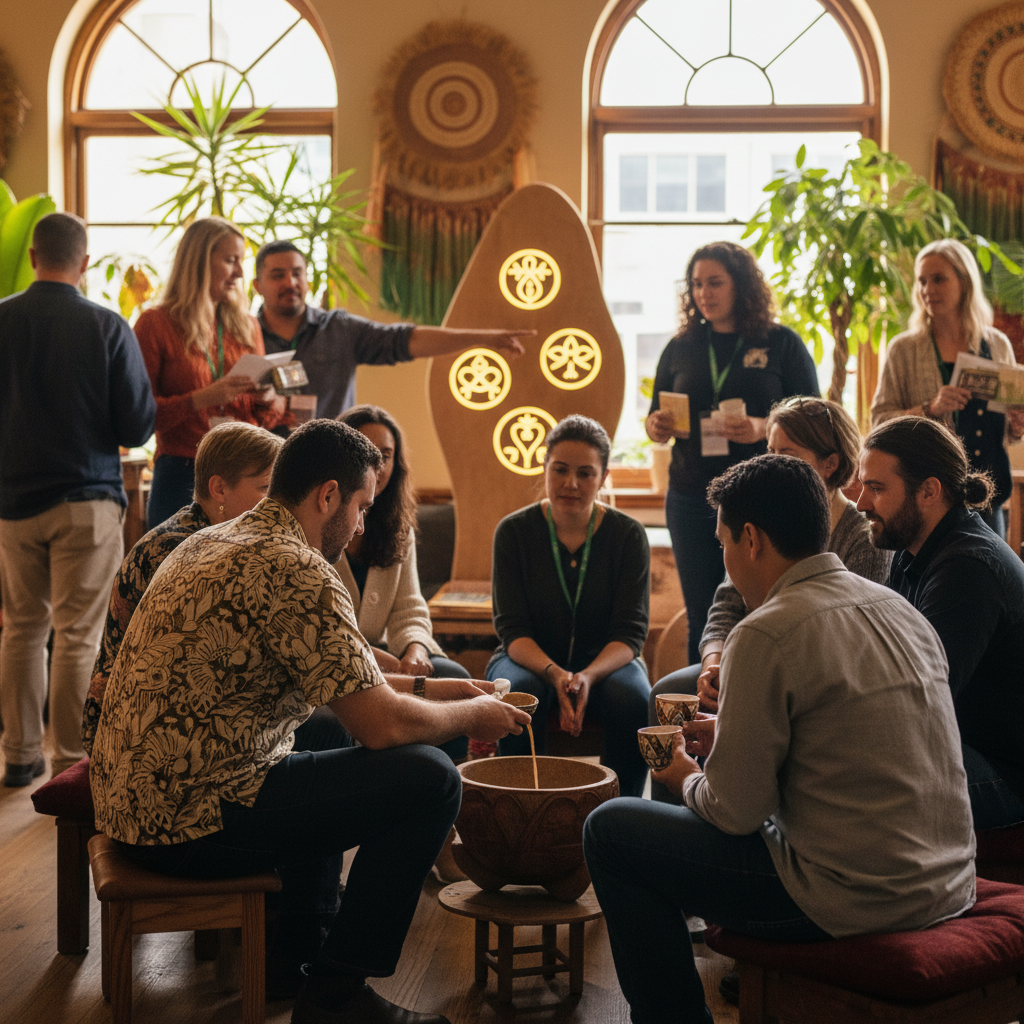
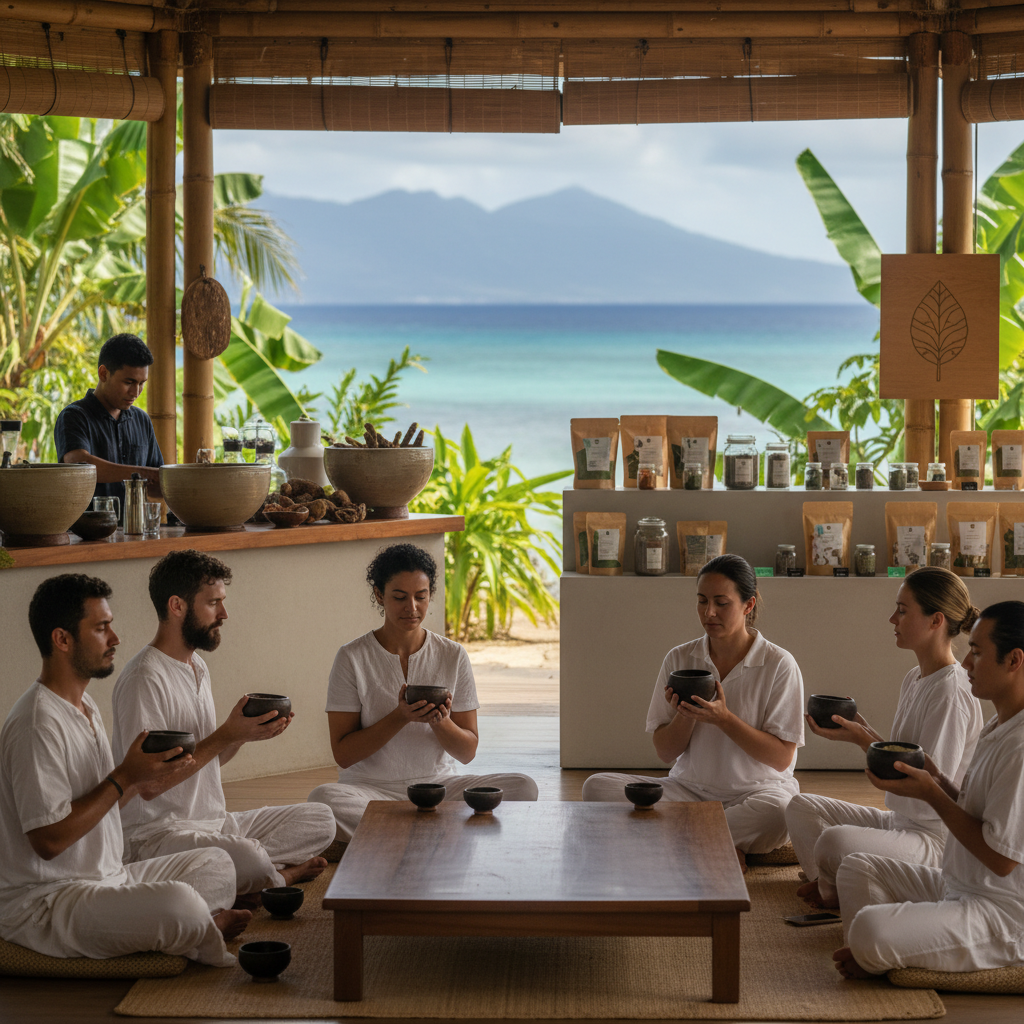
Leading the charge are kava bars in cities like Portland, Austin, and Miami, where owners have partnered with certified wellness coaches and yoga instructors to design day-long or weekend retreats. These events typically include guided meditation sessions, kava-tasting ceremonies rooted in Pacific Island traditions, and workshops on stress management. Attendees are encouraged to unplug from technology and immerse themselves in the soothing ambiance of the kava bar, enhanced by the drink’s well-known anxiolytic properties.
“We wanted to create a space where people can truly unwind and reconnect with themselves,” says Mia Torres, owner of Serenity Kava Lounge in Austin. “Kava has always been about community and relaxation in its cultural roots, so offering mental wellness retreats felt like a natural evolution for our bar.” Early feedback from participants has been overwhelmingly positive, with many reporting a renewed sense of calm and clarity after attending.
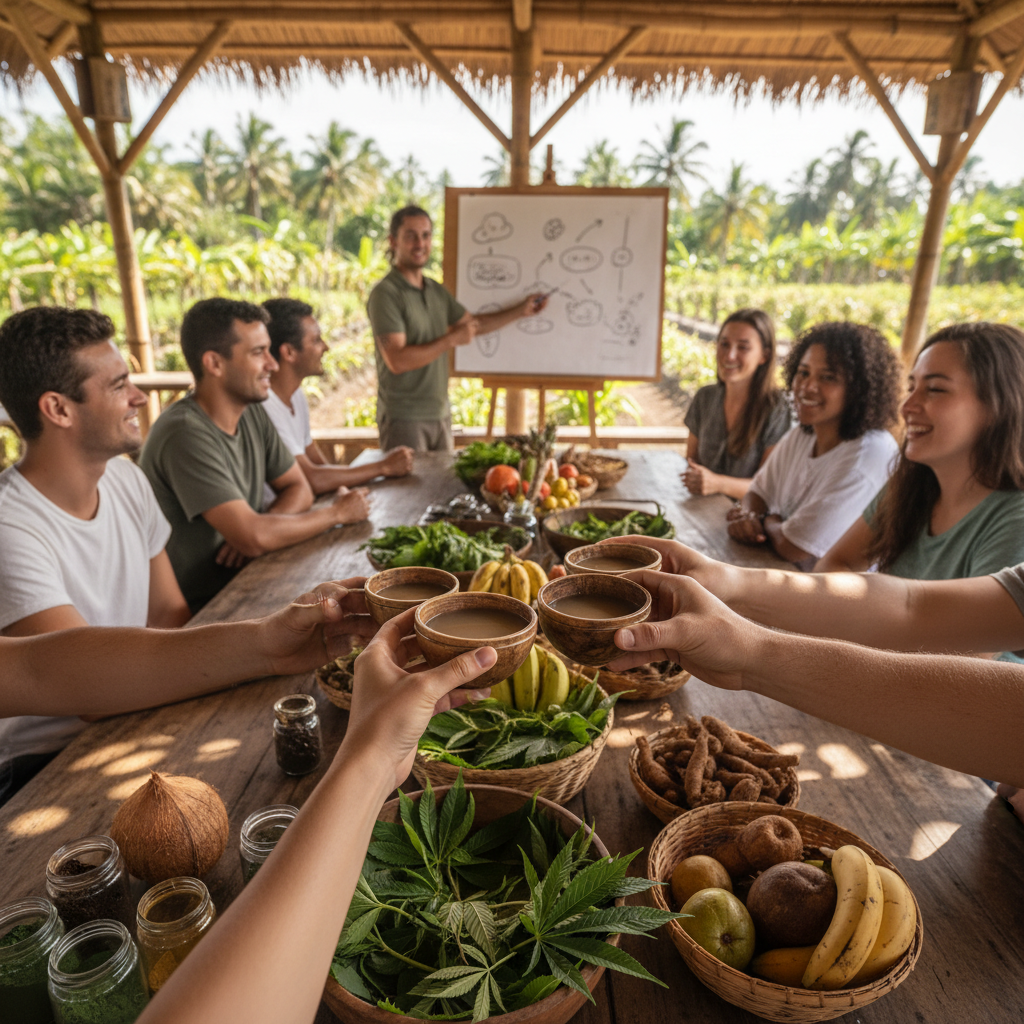
These retreats also serve as an educational platform, teaching newcomers about kava’s history and benefits. Sessions often include talks on how kava, derived from the root of the Piper methysticum plant, has been used for centuries in Polynesian cultures to promote relaxation without the intoxicating effects of alcohol. For kava bar owners, this is a chance to deepen customer engagement while reinforcing kava’s reputation as a natural aid for mental wellness.
Kratom Industry Faces New Regulatory Guidelines
Meanwhile, on the other side of the herbal spectrum, the kratom industry is grappling with a fresh wave of regulatory guidelines introduced in early 2026. The American Kratom Association (AKA) has been working closely with federal and state agencies to establish clearer standards for the sale and distribution of kratom, a Southeast Asian herb known for its stimulating and pain-relieving effects. These guidelines aim to address long-standing concerns about product safety, labeling accuracy, and consumer education.
Under the new framework, kratom vendors are required to provide detailed lab testing results for alkaloid content and contaminants, ensuring that products meet strict purity standards. Additionally, packaging must now include explicit warnings about dosage and potential risks, particularly for new users. While some industry players view these regulations as a necessary step toward legitimacy, others worry about the financial burden of compliance, especially for small-scale vendors.
“Regulation is a double-edged sword,” notes Ethan Lim, a kratom supplier based in California. “On one hand, it builds trust with consumers and could open doors to wider acceptance. On the other, the costs of testing and relabeling might push smaller businesses out of the market.” The AKA, however, remains optimistic, emphasizing that standardized guidelines could pave the way for kratom to be recognized as a safe, natural alternative to pharmaceuticals for pain management and energy enhancement.
This regulatory shift comes at a time when kratom’s popularity continues to soar, with millions of Americans using it for everything from chronic pain relief to mood elevation. Yet, the herb remains controversial, with some states imposing bans due to concerns over dependency and adverse effects. The new guidelines are seen as a critical juncture for the industry, potentially shaping its future trajectory in the U.S. market.
Bridging Kava and Kratom Communities
Interestingly, the simultaneous developments in the kava and kratom spheres are fostering a unique crossover dialogue. Many kava bars are beginning to stock kratom products or host informational sessions about both herbs, recognizing that their customer bases often overlap. Both kava and kratom appeal to individuals seeking natural alternatives to mainstream stimulants or relaxants, and this shared ethos is strengthening ties between the two communities.
For instance, some kava bars hosting mental wellness retreats have started offering optional kratom samples during breaks, allowing attendees to experience its energizing effects as a counterbalance to kava’s sedative properties. This blending of experiences is not without controversy, as purists in both camps argue for keeping the herbs distinct due to their differing cultural origins and effects. However, proponents see it as a way to educate the public on responsible use of both substances.
Looking Ahead: A Holistic Future for Kava and Kratom
As kava bars carve out a niche as wellness destinations with their mental health retreats, and the kratom industry navigates the complexities of new regulations, the future of both herbs looks promising yet challenging. For kava enthusiasts, these retreats could redefine the role of kava bars in modern society, making them pivotal players in the mental wellness movement. For kratom advocates, compliance with regulatory guidelines might be the key to shedding stigma and achieving mainstream acceptance.
One thing is clear: both kava and kratom are more than just trendy herbal drinks—they are deeply rooted in cultural traditions and offer unique benefits that resonate with today’s health-conscious consumers. Whether you’re sipping kava at a mindfulness retreat or purchasing lab-tested kratom from a trusted vendor, the evolving landscape of these industries underscores a growing demand for natural, plant-based solutions to life’s stresses and pains.
What do you think about these developments? Have you attended a kava bar retreat, or are you keeping an eye on kratom’s regulatory journey? Drop a comment below and join the conversation!