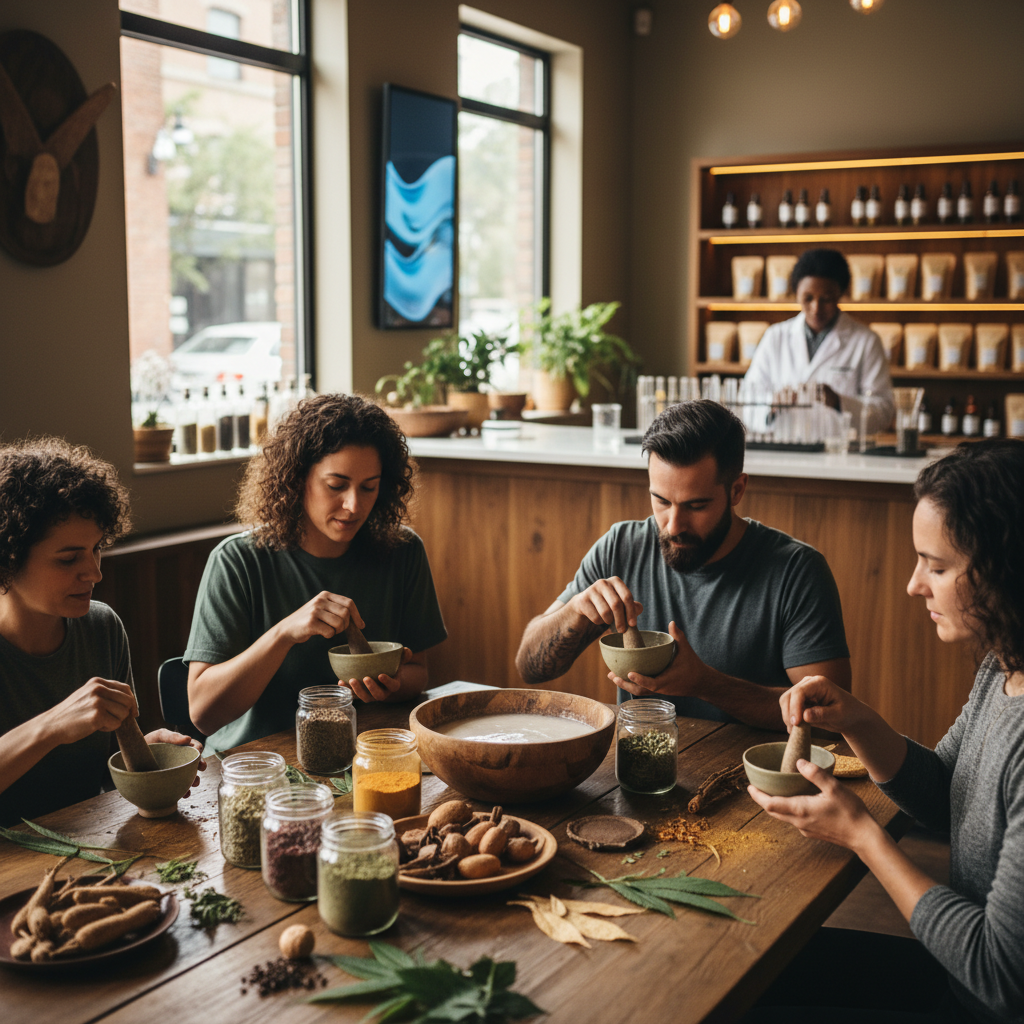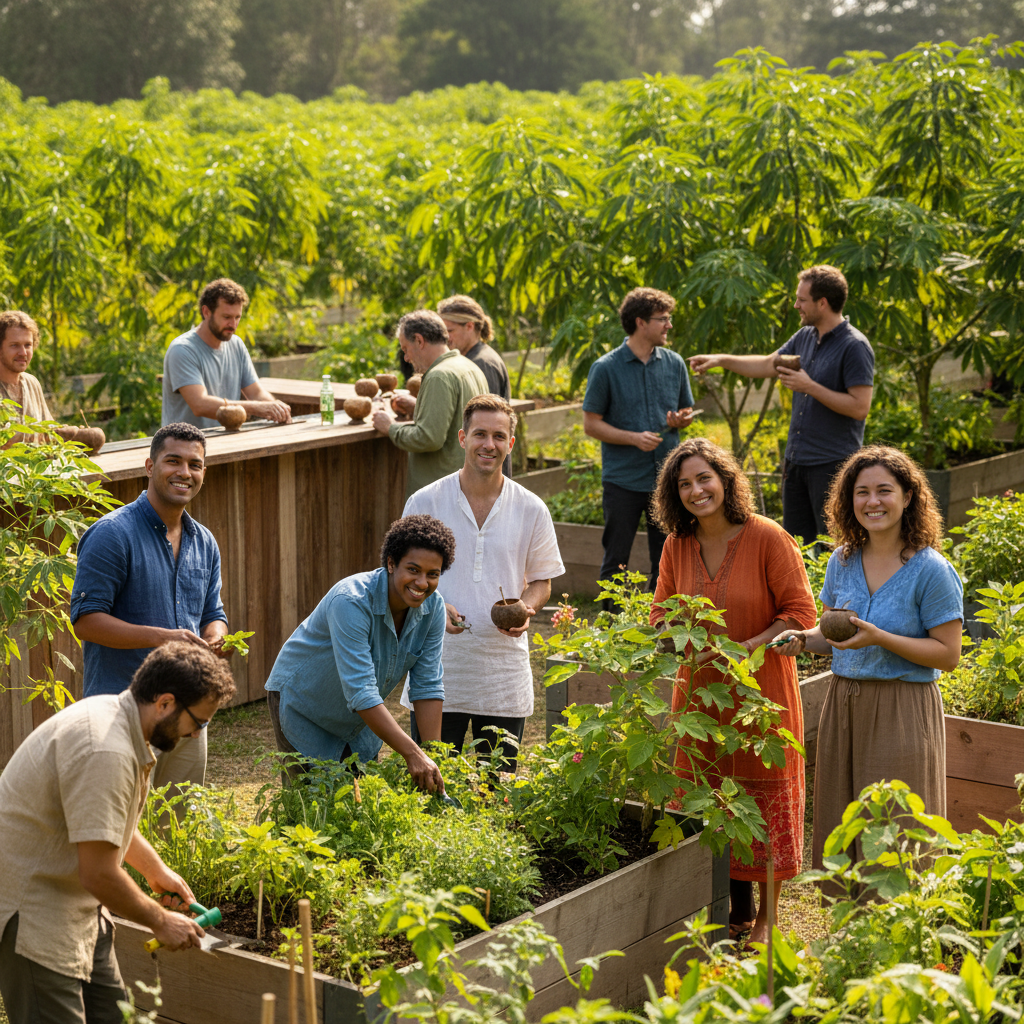
In a refreshing blend of community engagement and environmental consciousness, kava bars across the United States are rolling out innovative community gardening projects. Simultaneously, the kratom industry is making strides in advocating for sustainable farming practices. This dual movement reflects a growing commitment to sustainability and cultural roots within the kava and kratom communities. Let’s dive into these exciting developments and explore how they’re shaping the future of these beloved botanicals.
Kava Bars Cultivate Community Through Gardening Initiatives
Kava bars, long celebrated as social hubs for relaxation and cultural connection, are now becoming centers for environmental education and action. A growing number of kava bars, particularly in urban areas like Miami, Los Angeles, and Portland, have started community gardening projects aimed at teaching patrons about the origins of kava and fostering a deeper appreciation for the plant. These initiatives often include small on-site gardens where kava plants—or related tropical species—are grown, alongside workshops on sustainable cultivation.
For instance, Kava Haven in Miami recently transformed an unused lot behind their bar into a thriving community garden. Patrons are invited to participate in planting, watering, and harvesting sessions every weekend. “We want people to understand where kava comes from and the effort it takes to grow it sustainably in its native regions,” says owner Lila Matthews. “It’s about building a connection to the earth and to each other.”
These gardens also serve as educational spaces. Many bars host monthly talks with botanists and Pacific Islander cultural ambassadors who share insights into traditional kava farming methods. Some kava bars are even partnering with local schools to introduce students to the cultural significance of kava while teaching them basic gardening skills. This hands-on approach not only strengthens community ties but also promotes environmental stewardship among kava enthusiasts.
Beyond education, these gardening projects are helping kava bars reduce their carbon footprint. Some bars are composting organic waste from their kitchens to fertilize their gardens, while others are using harvested herbs to create garnishes for their kava drinks. It’s a small but meaningful step toward sustainability in an industry that often relies on imported goods from thousands of miles away.
Kratom Industry Pushes for Sustainable Farming Practices
While kava bars are getting their hands dirty in community gardens, the kratom industry is addressing sustainability on a larger scale. Kratom, derived from the Mitragyna speciosa tree native to Southeast Asia, has faced scrutiny over the environmental impact of its cultivation due to deforestation and overharvesting in countries like Indonesia and Thailand. In response, industry leaders are now advocating for sustainable farming practices to protect both the environment and the future of kratom supply.
Organizations like the American Kratom Association (AKA) are working with international farmers to implement agroforestry models, which integrate kratom trees into diverse forest ecosystems rather than clearing land for monoculture plantations. “Sustainable farming isn’t just about preserving the environment—it’s about ensuring that kratom remains available for future generations,” says AKA spokesperson Daniel Rivera. “We’re collaborating with growers to adopt methods that maintain soil health and biodiversity.”
Additionally, some kratom vendors are launching certification programs to highlight sustainably sourced products. These certifications, often verified by third-party auditors, assure consumers that their kratom is grown without harmful pesticides and in a way that supports local ecosystems. Retailers report that customers are increasingly seeking out these eco-friendly options, signaling a shift in consumer priorities within the kratom market.
Another promising development is the push for fair trade practices. Many kratom farmers in Southeast Asia operate on small, family-run plots and often receive minimal compensation for their labor. Industry advocates are working to establish fair trade agreements that ensure farmers are paid a living wage, which in turn encourages them to adopt sustainable practices rather than resorting to destructive overharvesting to make ends meet.
Bridging Kava and Kratom Through Shared Values
While kava and kratom are distinct botanicals with different cultural histories and uses, the parallel focus on sustainability in both industries highlights a shared set of values: respect for nature, community engagement, and long-term viability. Kava bars’ community gardening projects and the kratom industry’s sustainable farming advocacy are two sides of the same coin, each aiming to preserve the integrity of their respective plants while educating consumers about responsible consumption.
For kava enthusiasts, these gardening initiatives offer a tangible way to connect with the plant’s Pacific Islander heritage. For kratom users, sustainable sourcing provides reassurance that their purchases aren’t contributing to environmental harm. Together, these efforts are fostering a more conscious community of users who value not just the effects of kava and kratom, but also the cultural and ecological contexts from which they emerge.
What’s Next for Kava Bars and the Kratom Industry?
Looking ahead, the momentum behind these sustainability initiatives shows no signs of slowing. More kava bars are expected to adopt community gardening projects, with some even planning to collaborate with local farmers’ markets to distribute homegrown herbs and plants. Meanwhile, the kratom industry is lobbying for international guidelines on sustainable cultivation, hoping to set a global standard that protects both the environment and the livelihoods of farmers.
As consumers, we play a crucial role in supporting these efforts. Whether it’s by participating in a kava bar’s gardening workshop or choosing sustainably sourced kratom products, our choices can drive positive change in these industries. So, the next time you sip a shell of kava or brew a cup of kratom tea, take a moment to consider the journey of these plants—from the soil to your hands—and how we can all contribute to a greener, more connected future.
Have you visited a kava bar with a community garden, or do you seek out sustainably sourced kratom? Share your experiences in the comments below, and let’s keep this conversation growing!