In 2026, the kava and kratom communities are buzzing with fresh developments that highlight the evolving landscape of these traditional botanicals. Kava bars across the United States are stepping up their game by launching educational initiatives to inform patrons about the cultural roots and health benefits of kava, while the kratom industry pushes for greater transparency to build consumer trust. This dual focus on education and accountability signals a maturing market that prioritizes safety, authenticity, and community engagement.
Kava Bars Take a Cultural Leap with Educational Programs
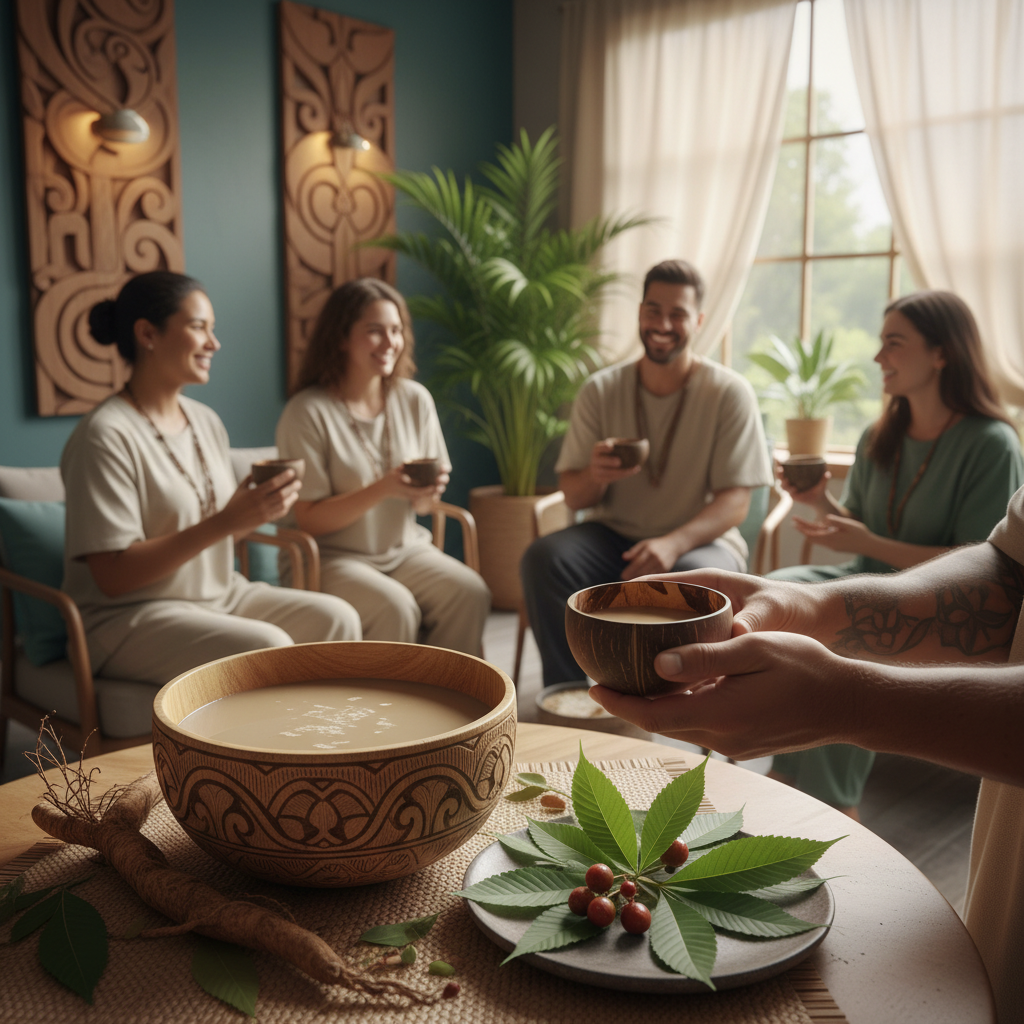
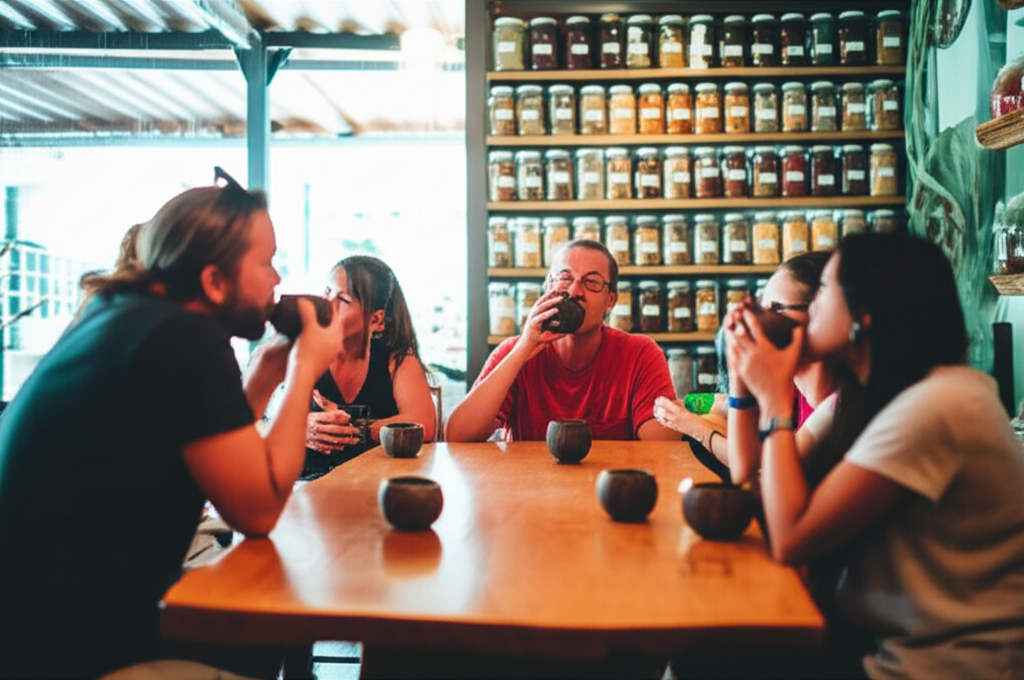
Kava bars have long been celebrated as social hubs where people gather to unwind with a calming cup of kava, a traditional Pacific Island beverage known for its relaxing effects. But in 2026, many kava bar owners are going beyond simply serving drinks—they’re transforming their spaces into cultural and educational centers. From Hawaii to Florida, kava bars are hosting workshops, talks, and even virtual seminars to teach customers about kava’s origins, preparation methods, and potential benefits.
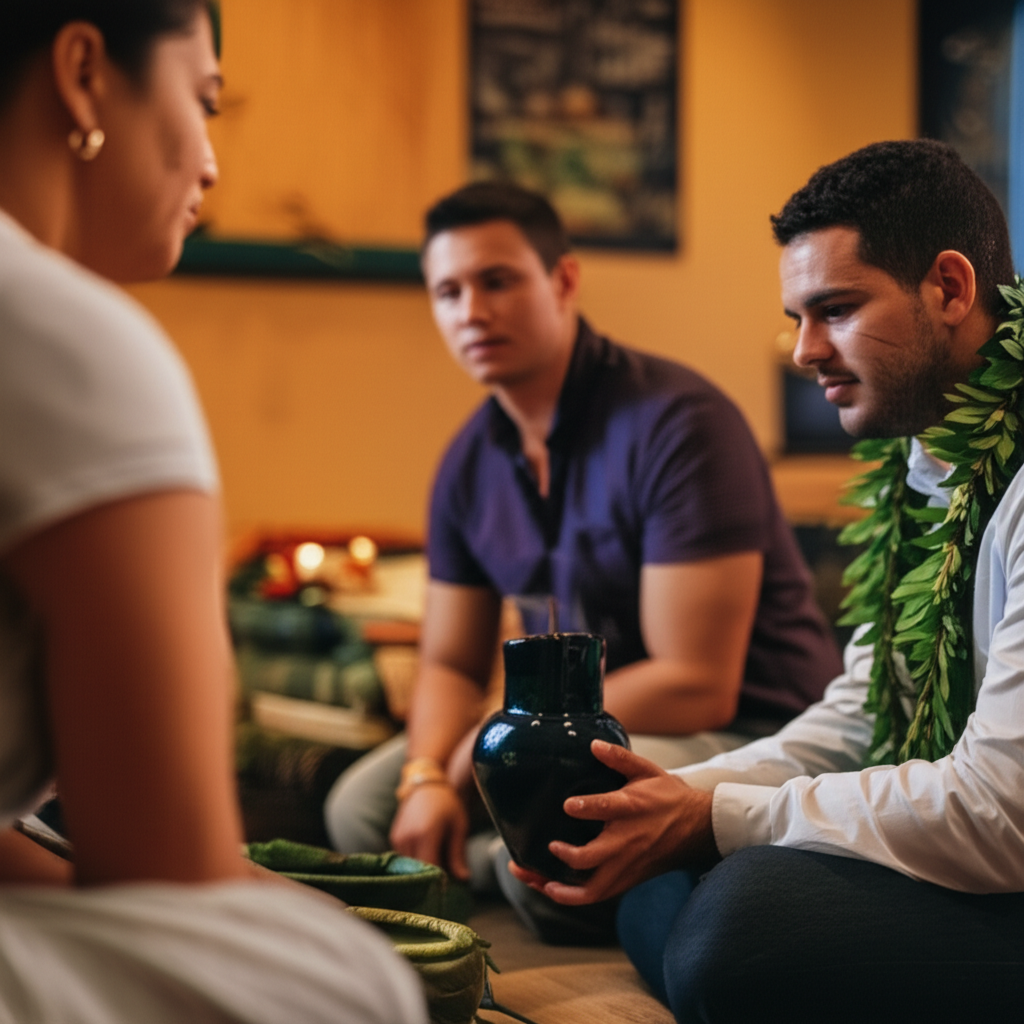
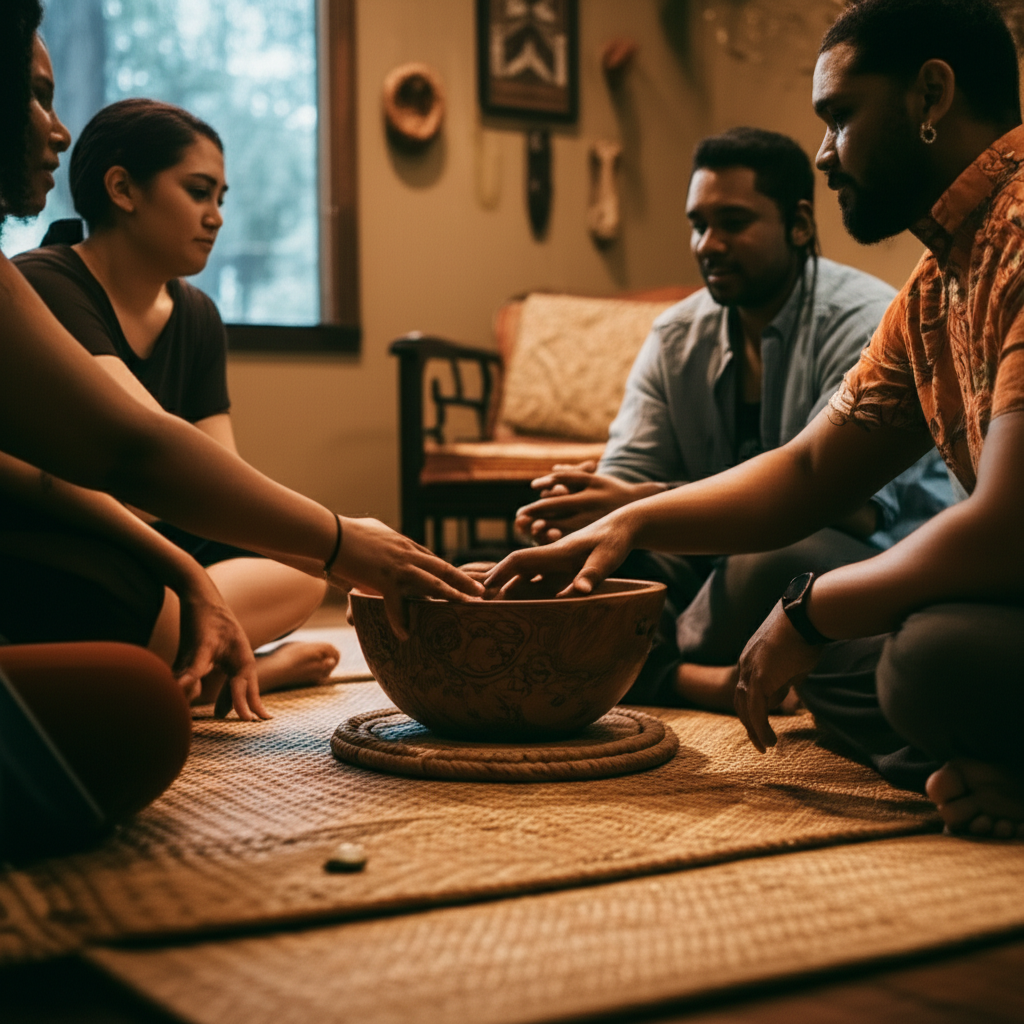
One notable example is Aloha Kava Lounge in Honolulu, which recently introduced a monthly “Kava Culture Night.” During these events, guests learn about the plant’s significance in Polynesian traditions, watch live demonstrations of traditional kava preparation, and engage in Q&A sessions with kava farmers who join via video calls from Fiji and Vanuatu. “We want people to understand that kava is more than just a drink—it’s a sacred part of our heritage,” says Malia Kekoa, owner of Aloha Kava Lounge. “By educating our customers, we’re fostering a deeper appreciation and respect for kava.”
Other kava bars are following suit by offering informational brochures, pairing kava tastings with storytelling sessions, and even collaborating with local universities to fund research on kava’s effects. These initiatives not only enhance the customer experience but also help demystify kava for newcomers who may be hesitant to try it due to misinformation or lack of familiarity.
New Studies Reinforce Kava’s Potential Health Benefits
Adding fuel to the kava bar movement is a wave of recent research underscoring kava’s potential as a natural remedy for stress and anxiety. A 2026 study published by the Pacific Herbal Research Institute found that kavalactones—the active compounds in kava—may interact with the brain’s GABA receptors to produce a calming effect without the risk of dependency associated with some pharmaceutical alternatives. While the study emphasizes that more clinical trials are needed, early results are promising for those seeking non-addictive ways to manage daily stress.
These findings have been a boon for kava bar owners, who often market their establishments as spaces for relaxation and mental clarity. “When customers hear about studies like this, they feel more confident trying kava for the first time,” says Jake Miller, owner of Serenity Kava Bar in San Diego. “It’s not just about the social vibe—it’s about offering a natural way to de-stress in a world that’s more hectic than ever.”
However, researchers caution that kava should be consumed responsibly, as excessive use or low-quality products may pose risks to liver health. Kava bars participating in educational programs are addressing these concerns by sourcing high-quality, noble kava varieties and providing clear dosage guidelines to ensure a safe experience for all patrons.
Kratom Industry Pushes for Transparency Amid Growing Scrutiny
While kava bars focus on education, the kratom industry is navigating its own set of challenges and opportunities in 2026. Kratom, a Southeast Asian herb traditionally used for energy and pain relief, has gained a loyal following in the U.S. over the past decade. However, its legal status remains a patchwork of state-by-state regulations, and concerns about product purity have prompted calls for stricter oversight.
In response, leading kratom vendors and advocacy groups, such as the American Kratom Association (AKA), are championing transparency initiatives. This year, the AKA launched a “Know Your Kratom” campaign, urging manufacturers to adopt third-party lab testing and clear labeling practices. The campaign also encourages consumers to purchase kratom only from vendors who comply with Good Manufacturing Practices (GMP).
“Transparency is the key to legitimacy,” says Sarah Lin, a spokesperson for the AKA. “We want consumers to feel confident that the kratom they’re buying is safe, pure, and accurately labeled. This benefits everyone—users, vendors, and regulators alike.” Several major kratom suppliers have already pledged to participate, displaying QR codes on packaging that link to lab results showing alkaloid content and contaminant screenings.
These efforts come at a critical time as kratom faces increased scrutiny from lawmakers. While some states have banned the herb citing potential risks, others are considering legislation to regulate rather than prohibit it. Industry advocates hope that transparency measures will pave the way for standardized regulations, ensuring kratom remains accessible to those who rely on it for wellness while addressing public safety concerns.
The Future of Kava and Kratom: Community and Accountability
As we move further into 2026, the kava and kratom industries are at a pivotal moment. Kava bars are redefining themselves as cultural ambassadors, using education to bridge the gap between ancient traditions and modern lifestyles. Meanwhile, the kratom industry is working to build trust through transparency, hoping to secure a stable future amid regulatory uncertainty.
For consumers, these developments mean greater access to safe, high-quality products and a deeper understanding of the plants they’re using. Whether you’re sipping kava at a local bar during a cultural workshop or researching kratom vendors with verified lab results, one thing is clear: the kava and kratom communities are committed to fostering informed, responsible use.
Have you visited a kava bar with an educational program, or do you support the kratom industry’s push for transparency? Share your thoughts in the comments below, and stay tuned for more updates on these fascinating botanicals!