As the cultural fascination with natural relaxants continues to grow, kava bars are becoming more than just places to unwind—they’re evolving into vibrant community hubs. Meanwhile, the kratom industry faces fresh hurdles in 2026 with shifting consumer preferences and supply chain disruptions. This article dives into the latest trends shaping kava bars and the kratom market, offering insights into how these two industries are adapting to meet modern demands.
Kava Bars: More Than a Drink, It’s a Lifestyle
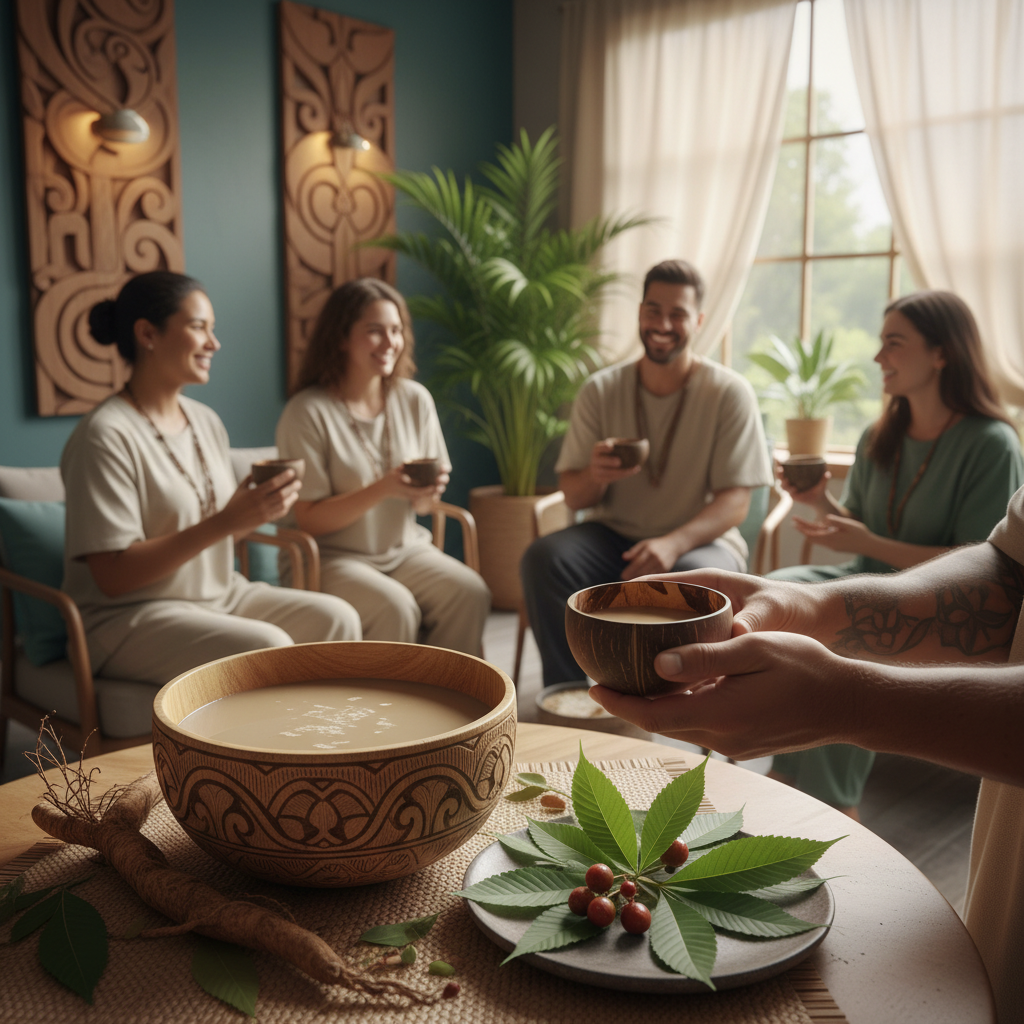
Kava bars have long been cherished for serving the traditional Polynesian beverage made from the root of the kava plant, known scientifically as Piper methysticum. Historically used in Pacific Island ceremonies for its calming effects, kava has found a new home in urban settings across the globe. In 2026, these bars are redefining themselves as cultural epicenters, fostering connection and relaxation in an increasingly fast-paced world.
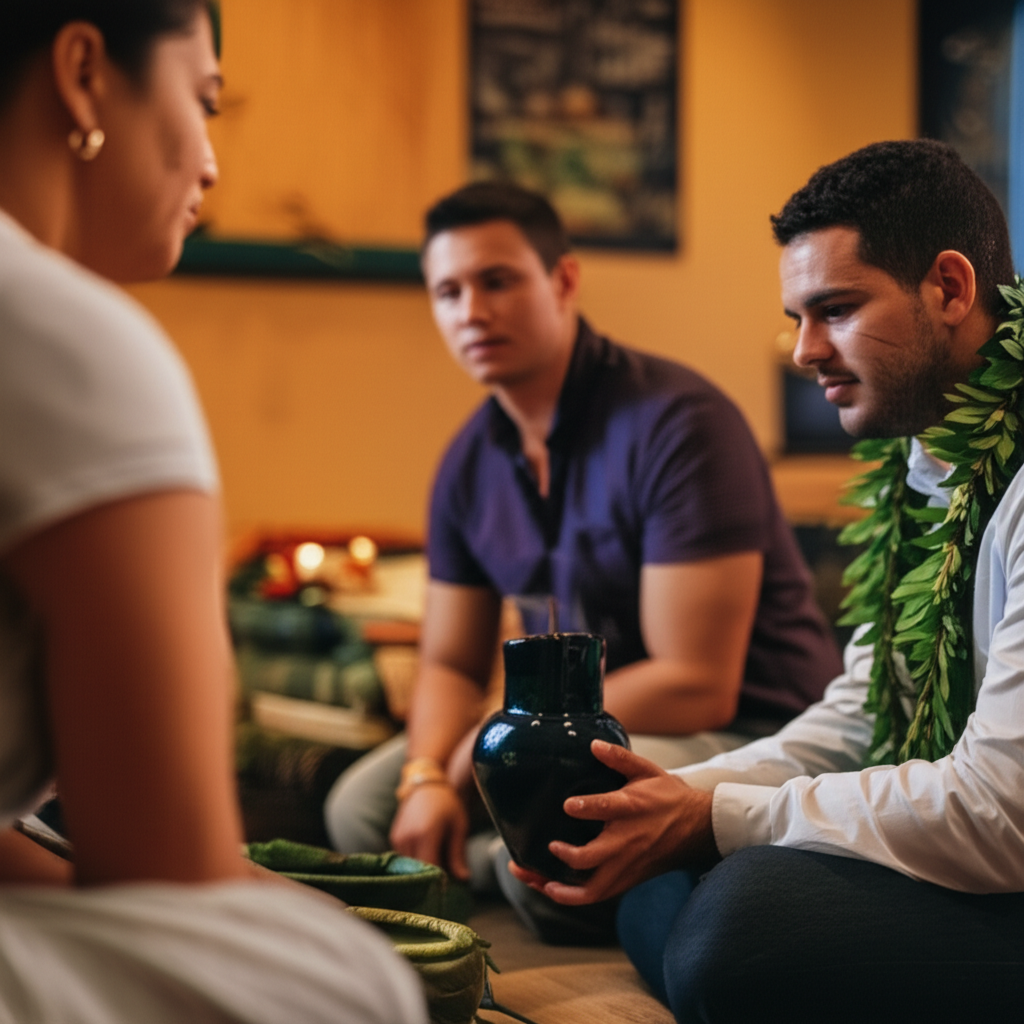
From Los Angeles to Miami, kava bars are hosting events like open mic nights, cultural workshops on kava’s origins, and even kava-tasting sessions to educate patrons on different strains and preparation methods. Take, for example, ‘Kava Konnect’ in San Diego, a bar that recently launched a monthly ‘Kava & Storytelling’ night where locals share personal tales over a shell of freshly brewed kava. Owner Leilani Moku told us, “We’re not just selling a drink; we’re building a space where people can slow down and bond. Kava has always been about community, and we’re bringing that spirit to life.”
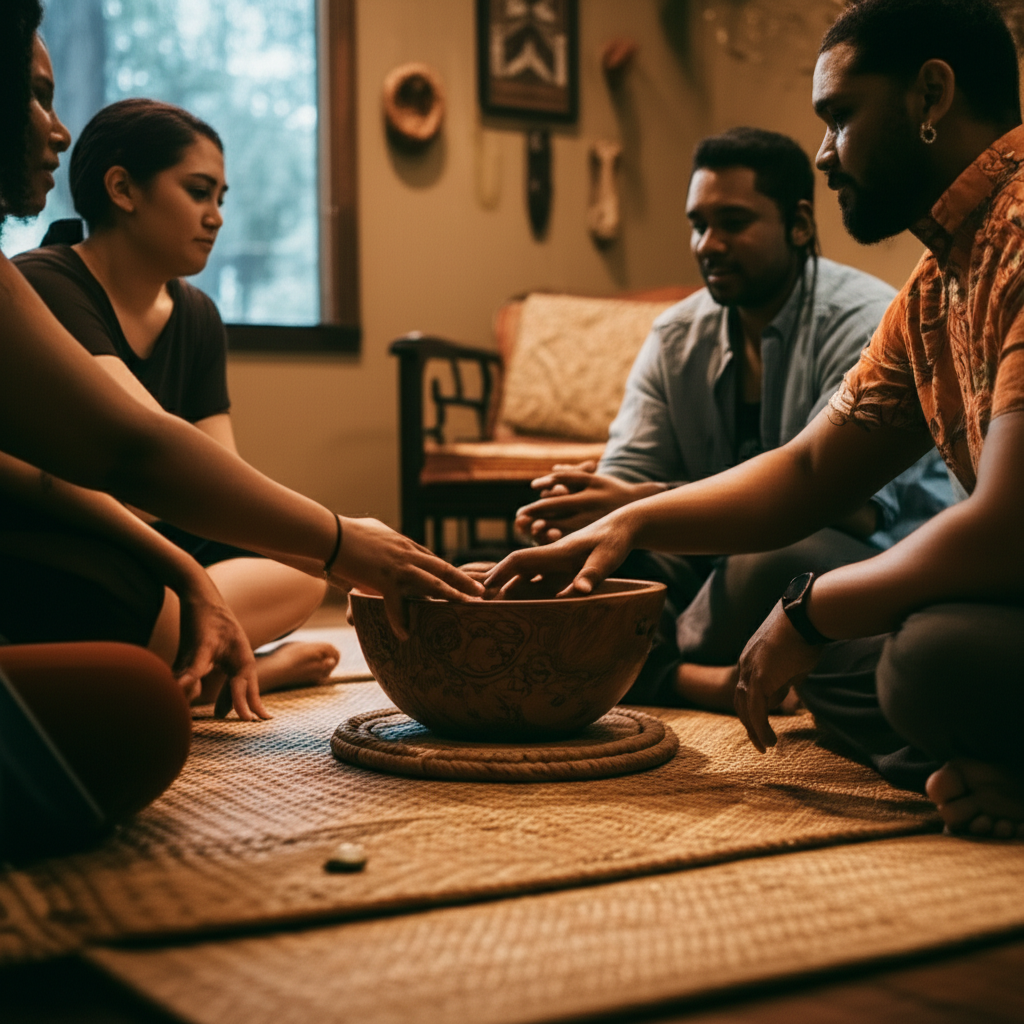
This shift toward community engagement is also a strategic move. With rising competition, kava bars are differentiating themselves by offering unique experiences. Some are incorporating live traditional music from Pacific cultures, while others partner with local artisans to sell kava-related merchandise like hand-carved tanoa bowls. This trend not only boosts customer loyalty but also educates the public on kava’s rich heritage, ensuring its cultural significance isn’t lost in commercialization.
Health Benefits of Kava: What Science Says
Beyond the social allure, kava’s health benefits remain a key draw for enthusiasts. Research into kava’s active compounds, known as kavalactones, continues to highlight its potential as a natural anxiolytic. A 2026 review published in the Journal of Herbal Medicine reaffirmed that kava can reduce symptoms of mild anxiety without the side effects often associated with pharmaceutical alternatives. The study emphasized kava’s ability to promote relaxation by interacting with GABA receptors in the brain, a mechanism that calms neural activity.
However, experts caution moderation. The review also noted that excessive consumption or poor-quality kava can pose risks to liver health, a concern that has lingered since early 2000s studies. Reputable kava bars address this by sourcing high-quality, noble kava varieties—strains traditionally deemed safe for daily use—and educating customers on responsible consumption. “We only serve kava from trusted Pacific growers and limit servings per person,” says Moku. “It’s about balance, just like in the old traditions.”
For those new to kava, the drink’s earthy taste and numbing mouthfeel can be an acquired taste, but its calming effects often win over skeptics. Regulars report feeling a gentle wave of relaxation within 20-30 minutes of sipping a shell, making kava a popular choice for stress relief without the intoxication of alcohol.
Kratom Industry: Navigating a Rocky Road in 2026
While kava bars flourish, the kratom industry is grappling with its own set of challenges this year. Kratom, derived from the leaves of the Mitragyna speciosa tree native to Southeast Asia, has been a staple in the natural wellness community for its reported pain-relieving and mood-enhancing properties. However, 2026 has brought supply chain bottlenecks and fluctuating demand that are testing the industry’s resilience.
One major issue is the disruption in kratom exports from key regions like Indonesia, where weather anomalies and labor shortages have slowed production. This has led to price spikes for consumers and shortages for vendors, particularly small businesses that lack the resources to stockpile inventory. “We’ve had to raise prices by 15% this quarter alone,” laments Jake Rinaldi, owner of an online kratom retailer based in Florida. “Customers understand the situation, but it’s still hurting sales.”
Additionally, the kratom market is seeing a shift in consumer behavior. While long-time users remain loyal, newer buyers are gravitating toward alternative botanicals, including kava, due to kratom’s controversial reputation and inconsistent legal status across regions. Advocacy groups like the American Kratom Association are pushing for standardized regulations to ensure product safety and rebuild public trust, but progress remains slow. In the meantime, vendors are diversifying their offerings, with some introducing kava-kratom hybrid products to appeal to a broader audience.
The Future of Kava and Kratom: Convergence or Divergence?
As we look ahead, the paths of kava and kratom seem both intertwined and distinct. Kava bars are carving out a niche as social sanctuaries, capitalizing on the drink’s cultural roots and proven relaxation benefits. Their focus on community and education positions them as more than just beverage spots—they’re lifestyle destinations.
On the other hand, the kratom industry must overcome logistical and perceptual challenges to maintain its foothold. Innovation, such as improved sourcing practices and transparent lab testing, could help restore confidence among consumers. There’s also potential for synergy, as seen in the growing popularity of kava-kratom blends that combine kava’s calming effects with kratom’s energizing properties.
Ultimately, both industries reflect a broader societal shift toward natural alternatives for stress and pain management. Whether you’re sipping kava in a cozy bar or brewing kratom tea at home, the appeal lies in reconnecting with ancient remedies in a modern context. As 2026 unfolds, staying informed about sourcing, safety, and community initiatives will be key for enthusiasts and business owners alike.
Have you visited a kava bar recently, or are you navigating the kratom market’s ups and downs? Share your experiences in the comments—we’d love to hear how these botanicals are shaping your life!