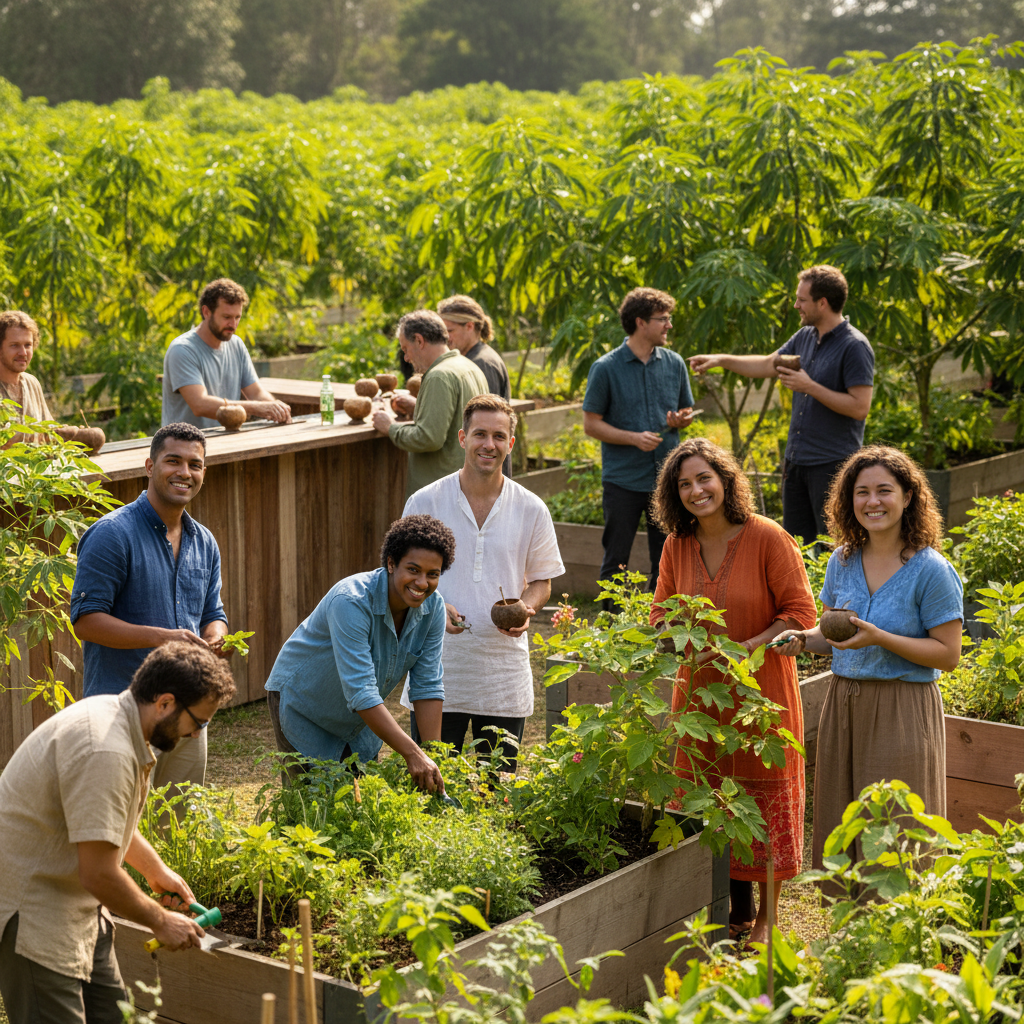
In 2026, the kava and kratom industries continue to evolve, bringing fresh innovations and a renewed focus on community and sustainability. Across the United States, kava bars are stepping up as more than just places to unwind—they’re becoming vibrant community hubs. Meanwhile, the kratom industry is making significant strides in sustainable farming practices, ensuring a brighter future for producers and consumers alike. Let’s dive into these exciting developments and explore how they’re shaping the landscape of these traditional botanicals.
Kava Bars: From Relaxation Spots to Community Centers
Kava bars have long been cherished as sanctuaries for relaxation, offering a unique alternative to alcohol-fueled nightlife. Rooted in Pacific Island traditions, kava—a beverage made from the ground roots of the Piper methysticum plant—promotes a calming effect without impairing mental clarity. In 2026, however, kava bars are redefining their role by transforming into dynamic community hubs that foster connection and cultural appreciation.
From Seattle to Miami, kava bars are hosting a range of events beyond serving traditional kava drinks. Weekly meetups for local artisans, book clubs, and even kava-inspired cooking classes are popping up on their calendars. These spaces are becoming go-to spots for people seeking meaningful social interactions in a sober-friendly environment. One notable example is a kava bar in Portland, Oregon, which recently launched a 'Kava & Conversation' series, inviting local historians to share stories about Polynesian culture and the history of kava use.
This shift reflects a growing desire for authentic, alcohol-free social experiences. Bar owners report that patrons are drawn to the inclusive atmosphere, where everyone—from kava novices to longtime enthusiasts—can learn about the drink’s cultural significance. By creating these community-focused initiatives, kava bars are not only preserving tradition but also building loyal customer bases eager to support local businesses.
Kratom Industry: A Push for Sustainable Farming
While kava bars are thriving on the cultural front, the kratom industry is making headlines with its commitment to sustainability. Kratom, derived from the leaves of the Mitragyna speciosa tree native to Southeast Asia, has gained popularity for its potential to support energy, focus, and relaxation. However, concerns about overharvesting and environmental impact have prompted industry leaders to take action in 2026.
Major kratom suppliers are partnering with farmers in countries like Indonesia and Thailand to implement sustainable farming practices. These initiatives include crop rotation, reforestation efforts, and training programs to educate farmers on preserving soil health. One prominent kratom distributor recently announced a multi-year plan to fund organic certification for small-scale growers, ensuring that production meets high environmental and ethical standards.
This focus on sustainability isn’t just about protecting the planet—it’s also a response to consumer demand. Kratom users are increasingly seeking transparency about where their products come from and how they’re produced. Industry advocates believe that these efforts will help legitimize kratom in the eyes of regulators and skeptics, paving the way for broader acceptance and research into its potential benefits.
The Intersection of Kava and Kratom Culture
Interestingly, the growth of kava bars and the kratom industry’s sustainability push are not happening in isolation. Many kava bars are beginning to offer kratom-infused beverages or educational sessions about both botanicals, recognizing the overlap in their customer bases. While kava is celebrated for its calming properties, kratom’s diverse effects—ranging from stimulating to soothing, depending on the strain—appeal to a similar demographic seeking natural alternatives to pharmaceuticals or caffeine.
However, this intersection comes with challenges. Both industries face scrutiny over safety and legality, with ongoing debates about regulation. Kava bars and kratom vendors are countering these concerns by prioritizing education, offering detailed information about proper dosing, sourcing, and potential effects. In 2026, we’re seeing a collaborative spirit emerge, with joint efforts to promote responsible use and advocate for fair policies.
Why These Trends Matter for Kava and Kratom Enthusiasts
For fans of kava and kratom, these developments signal a promising future. Kava bars evolving into community hubs means more opportunities to connect with like-minded individuals and learn about the rich traditions behind the drink. Whether you’re a regular at your local kava spot or a curious newcomer, these spaces are becoming invaluable resources for cultural exchange and relaxation.
On the kratom side, the industry’s investment in sustainable farming ensures that high-quality products remain available without harming the environments where the plant is grown. This is especially important as demand continues to rise, with more people exploring kratom for its potential to support wellness goals.
What’s Next for Kava and Kratom?
Looking ahead, the trajectory for both kava and kratom appears bright. Kava bars are likely to continue innovating, perhaps by partnering with wellness influencers or hosting virtual events for global audiences. Meanwhile, the kratom industry’s focus on sustainability could inspire similar efforts in other herbal sectors, setting a new standard for ethical production.
As these industries grow, consumer education will remain key. Both kava and kratom have deep cultural roots and complex effects that deserve respect and understanding. By supporting businesses that prioritize transparency and community, enthusiasts can play a role in shaping a responsible and inclusive future for these beloved botanicals.
Whether you’re sipping kava at a local bar or exploring kratom’s potential at home, 2026 is proving to be a year of meaningful progress. Stay tuned for more updates as we continue to cover the latest in kava culture and kratom innovation.