In the ever-changing world of natural wellness, kava and k ratom have built loyal followings over the years, with users drawn to their cultural roots and potential health effects. A new study released in early 2026 has pushed both industries into the spotlight again, affecting everything from how k ratom products are made to what's on the menu at kava bars.
The 2026 Study on Kava's Anti-Inflammatory Benefits
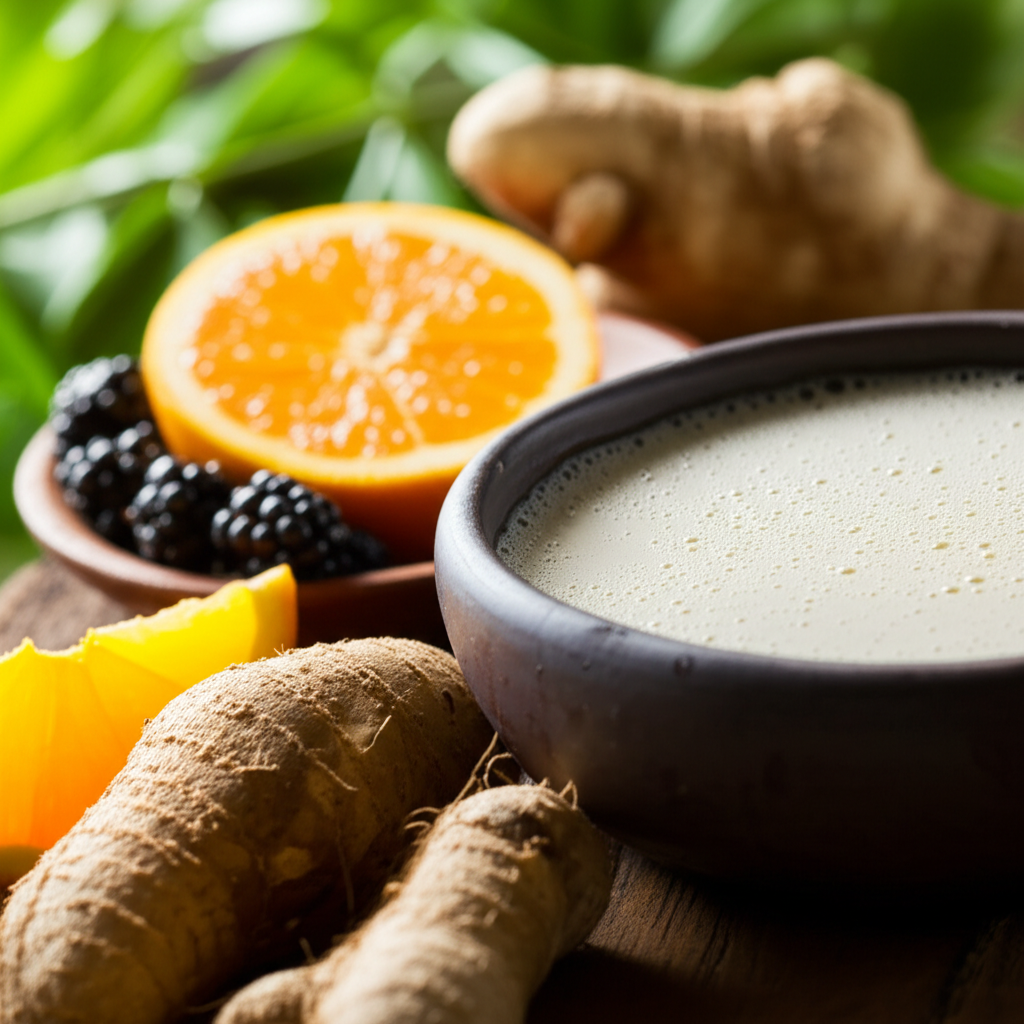
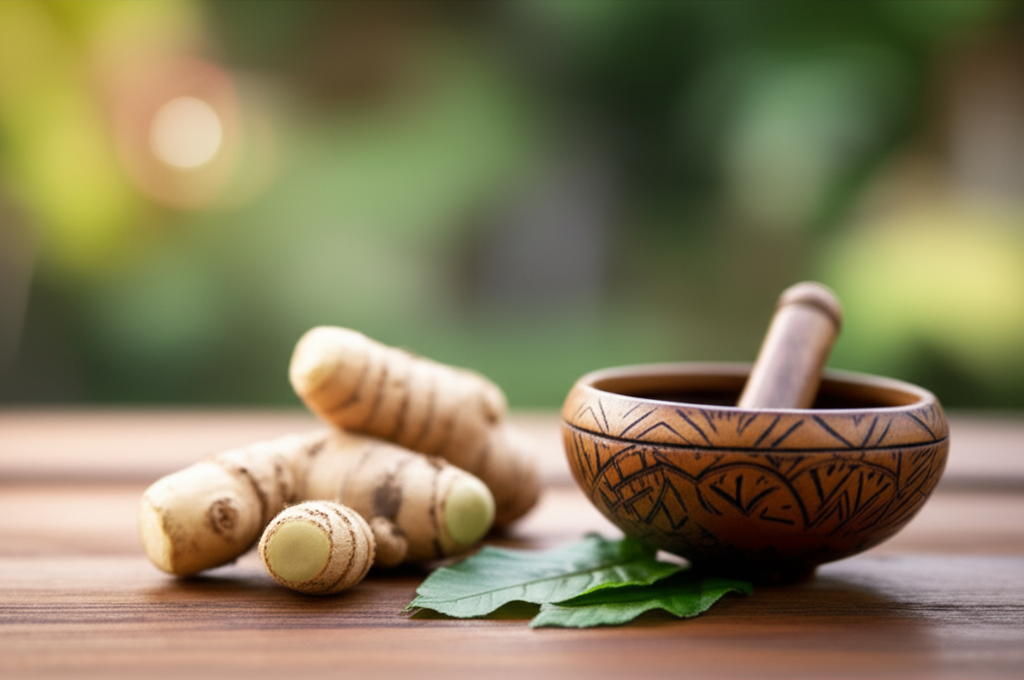
On February 15, 2026, researchers at the University of Hawaii published a study that adds to what we know about kava's effects on inflammation. The research appeared in the Journal of Ethnopharmacology and examined how kavalactones—the active compounds in kava root—affect inflammation markers in people. Participants who took standardized kava extracts showed measurable drops in inflammatory cytokines, which points to possible uses for arthritis and muscle recovery.
What's interesting about this research is how it stacks up against other natural remedies, including k ratom. K ratom contains alkaloids that help with pain and mood, but the study noted that kava might offer similar benefits without the stimulation. Some in the industry see this as a reason to create products that use both plants together.
How the K ratom Industry Is Responding
The k ratom business is now worth more than $1.5 billion, and it's changing fast because of this kava research. Companies are testing hybrid products that mix k ratom's energizing mitragynine with kava's calming kavalactones. A few major vendors have already launched "Kava-K ratom Blend Capsules" aimed at people dealing with chronic pain and inflammation.
Regulators are paying attention too. In the Pacific Northwest, where k ratom sales have climbed sharply, officials are discussing quality standards for these new blends. This could mean stricter rules about what's in products and how they're made. The market is already moving toward more research-backed options—sales of enhanced blends could jump 25% in the next year.
K ratom farmers in Southeast Asia are also taking notes. They're adopting growing methods from kava farms, like crop rotation, to improve soil health and crop quality. The environment benefits, and the final product may end up stronger.
What's New at Kava Bars
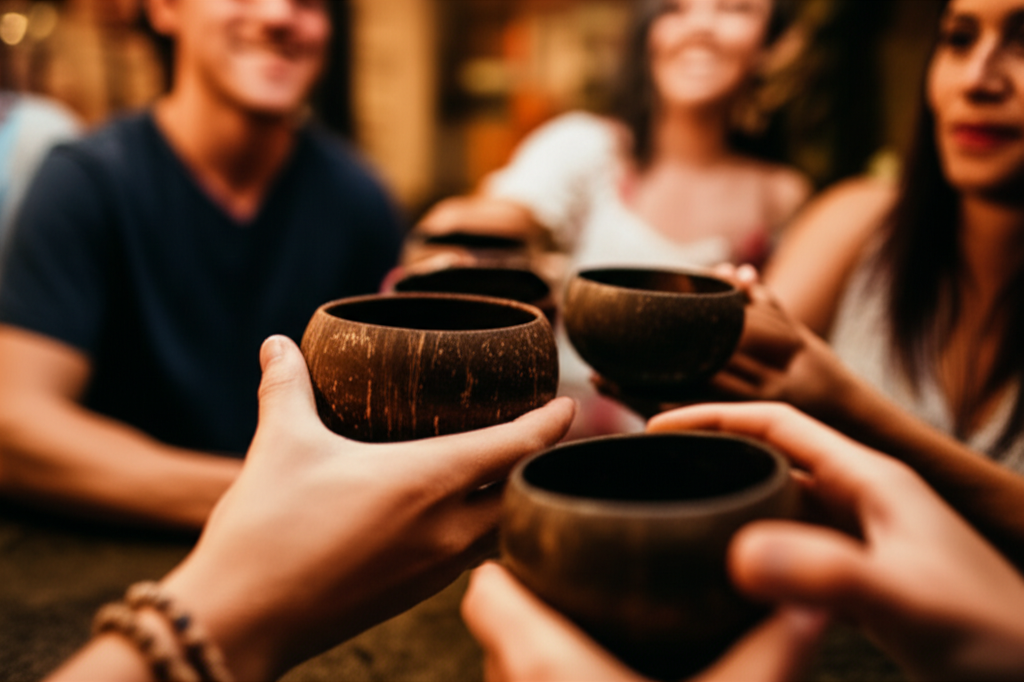
Kava bars—casual spots where people gather to relax—are changing with the times. Since the 2026 study came out, many bars have added drinks that mix kava with k ratom. A bar in Portland, Oregon recently started serving an "Inflammation Buster" cocktail that combines traditional kava brew with a small amount of k ratom extract.
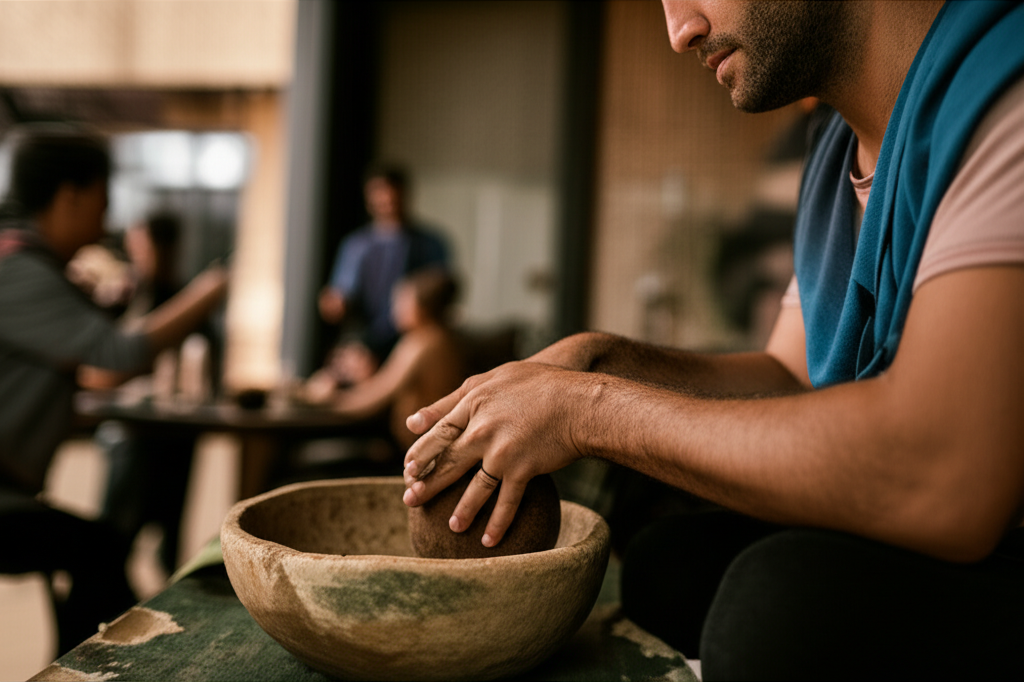
It's not just about new drinks. Some bars now hold educational nights where guests learn about the study and what it means. People also hear about kava's history in Pacific Island ceremonies, connecting old traditions to what modern science is finding.
- Bars now offer personalized sessions, with staff recommending specific blends based on what customers tell them about their health.
- Pop-up kava bars are showing up at wellness festivals, letting people try the new drinks in a social setting.
- Many bars are partnering with local k ratom suppliers who can verify where their product comes from and how it's made.
These changes are drawing new crowds—fitness buffs and office workers looking for natural ways to unwind. Kava bar visits are up about 15% so far in 2026.
What Users Are Saying
Beyond inflammation, the study notes that kava may help with sleep and anxiety, which pairs well with k ratom's energy effects. People who use both in moderation say they feel relaxed but still focused—useful for busy schedules.
In online communities, users share their experiences openly. One person wrote: "After trying a kava-k ratom mix at my local bar, my joint pain eased up, and I feel steadier during the day."
But these substances aren't for everyone. The study stresses proper dosing and buying from trusted sources. Talking to a doctor first is smart. Most kava bars now train their staff to explain safe use to customers.
Where This Industry Is Going
The 2026 kava study is just the start of a shift toward herbal remedies backed by real research. As more studies come out, expect to see more k ratom-kava combos, new products, and bigger kava bar menus. The combination could attract even more people looking for natural options.
Industry predictions estimate around 30% growth in kava-related products by 2027. If companies keep innovating and teaching consumers, both kava and k ratom markets seem likely to expand.
2026 Update
Just months after the University of Hawaii study dropped, several major k ratom distributors have already reformulated their top-selling products to include kava extracts. The FDA has also scheduled a public hearing for late 2026 to discuss labeling standards for kava-k ratom blends, which could reshape how these products are marketed nationwide.
The kava research is already pushing positive changes through the k ratom world and kava bars. As we learn more about these plants, things look promising for anyone interested in natural wellness.