In the ever-evolving landscape of natural wellness, kava bars have emerged as vibrant hubs where relaxation meets community spirit. As we step into 2026, these establishments are not just places to unwind but are actively shaping the kava and kratom industry by emphasizing sustainable practices and fostering meaningful social interactions. This article delves into how kava bars are driving positive change, while highlighting emerging trends and the subtle yet significant health benefits associated with kava consumption.
The Rise of Kava Bars as Social Sanctuaries
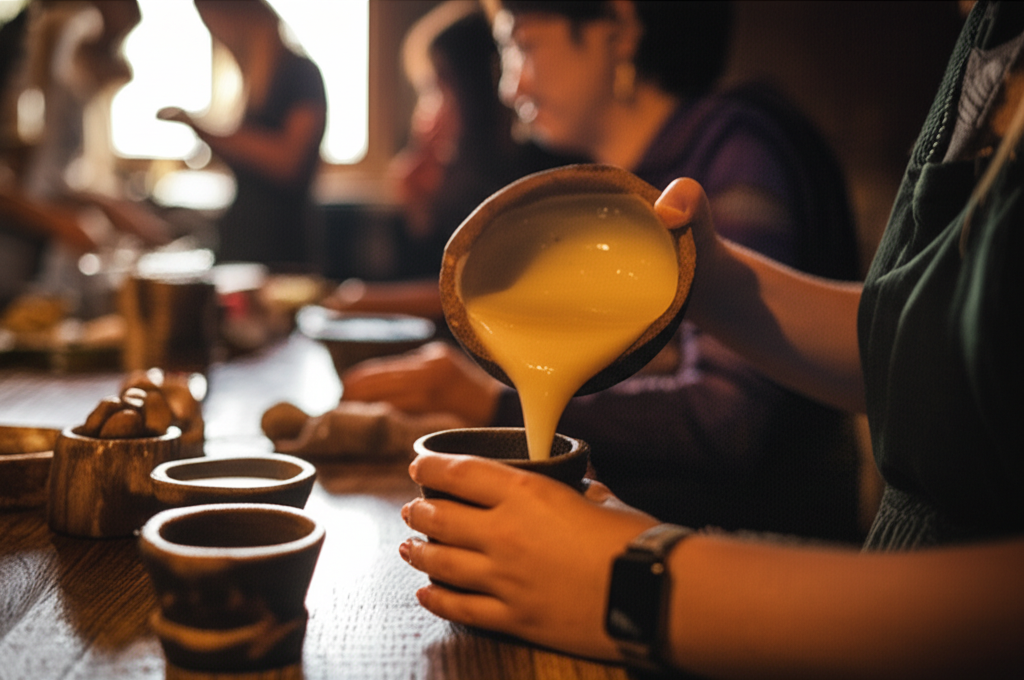
Kava bars have seen a remarkable surge in popularity, transforming from niche venues into community centers that promote a sense of belonging. In 2026, these spaces are designed to encourage gatherings, where individuals can share experiences over a traditional kava bowl. Unlike conventional bars, kava bars prioritize a tranquil atmosphere, often incorporating elements of Pacific Island culture to create an immersive environment. This cultural infusion not only honors the roots of kava but also builds a supportive network among patrons, many of whom are drawn to the plant's natural calming effects.
One key aspect of this rise is the integration of educational events. Kava bars frequently host workshops on the history and preparation of kava, allowing visitors to learn about its origins in the South Pacific. These events strengthen community bonds and educate consumers on responsible consumption, which in turn supports the broader kratom industry by promoting ethical sourcing and awareness.
Innovations in the Kratom Industry and Their Synergy with Kava Bars
The kratom industry, closely intertwined with the kava sector, has witnessed innovative developments in 2026 that emphasize sustainability and quality. Kratom, derived from the Mitragyna speciosa tree, is increasingly being cultivated with eco-friendly methods to reduce environmental impact. Farmers are adopting regenerative agriculture techniques, such as crop rotation and natural pest control, to ensure the longevity of kratom sources.
Kava bars are playing a pivotal role in this evolution by featuring kratom-based products alongside traditional kava offerings. For instance, many bars now offer blended drinks that combine kava's relaxing properties with kratom's subtle energy boost, creating balanced experiences for patrons. This synergy is not just about product innovation; it's about building a sustainable supply chain. By partnering with ethical kratom suppliers, kava bars are helping to set industry standards that prioritize fair trade and environmental stewardship.
To illustrate, a growing number of kava bars are sourcing kratom from certified organic farms, ensuring that the leaves are free from harmful chemicals. This shift is influencing the entire kratom market, encouraging more producers to adopt similar practices and fostering a more responsible industry overall.
Emerging Insights from Recent Kava Benefits Studies
Scientific interest in kava continues to grow, with recent studies shedding light on its potential health benefits in a way that complements the kratom industry. A 2025 study published in a respected botanical journal explored how kava might support everyday relaxation without the drawbacks associated with more synthetic options. While not a cure-all, the research indicated that kava could aid in mild stress management by interacting with the body's natural receptors, promoting a state of calm that enhances social interactions.
These findings are particularly relevant to kava bars, where the social setting amplifies kava's effects. Patrons often report that consuming kava in a group environment heightens its benefits, turning a simple drink into a tool for building resilience against daily pressures. The study also touched on kava's potential in supporting digestive comfort, a benefit that aligns with the holistic wellness trends favored in the kratom community.
In parallel, the kratom industry is drawing from these insights to refine its products. For example, some kratom strains are now being blended with kava extracts to create hybrid offerings that provide a more nuanced experience, focusing on sustained energy and relaxation. This cross-pollination of ideas is helping both sectors evolve, with kava bars serving as testing grounds for new formulations.
Sustainable Practices Shaping the Future of the Kava/Kratom Industry
Sustainability is at the forefront of the kava and kratom industry in 2026, with kava bars leading the charge. Many establishments are implementing zero-waste policies, such as using biodegradable serving ware and recycling kava roots. This commitment extends to the kratom side, where there's a push for traceable supply chains to ensure products are sourced ethically from regions like Southeast Asia.
Moreover, kava bars are collaborating with industry organizations to advocate for regulatory standards that protect both consumers and the environment. These efforts include lobbying for certifications that verify the purity and sustainability of kava and kratom products, which in turn boosts consumer confidence and market growth.
- Adopting organic farming methods to preserve soil health and biodiversity.
- Promoting fair wages for farmers in kava and kratom-producing regions.
- Encouraging community involvement through volunteer programs at kava bars.
- Investing in research for more efficient extraction processes that minimize waste.
- Hosting annual sustainability summits to share best practices across the industry.
As these practices become standard, the kava/kratom industry is poised for long-term success, with kava bars acting as catalysts for change. This focus on sustainability not only benefits the planet but also enhances the overall experience for consumers, making kava bars more appealing than ever.
The Cultural and Economic Impact on the Kava/Kratom Industry
Culturally, kava bars are preserving and evolving traditions that date back centuries. By incorporating modern twists, such as themed nights celebrating Pacific Island heritage, these venues are keeping kava's cultural significance alive while attracting a diverse clientele. This cultural exchange is also influencing the kratom industry, where there's a growing appreciation for the plant's traditional uses in Southeast Asian communities.
Economically, the expansion of kava bars is creating jobs and stimulating local economies. In 2026, the industry is projected to see a 15% growth rate, driven by increased demand for natural alternatives to alcohol. This boom is supporting related businesses, from suppliers to event organizers, and is helping to integrate kava and kratom into mainstream wellness culture.
Looking ahead, the kava/kratom industry is set to thrive by continuing to prioritize community, sustainability, and health. Whether you're a long-time enthusiast or a curious newcomer, kava bars offer a welcoming space to explore these natural wonders.
In conclusion, as we navigate 2026, the role of kava bars in fostering social connections and sustainable practices is undeniable. They are not just businesses but vital components of a larger movement towards holistic well-being in the kava and kratom world.