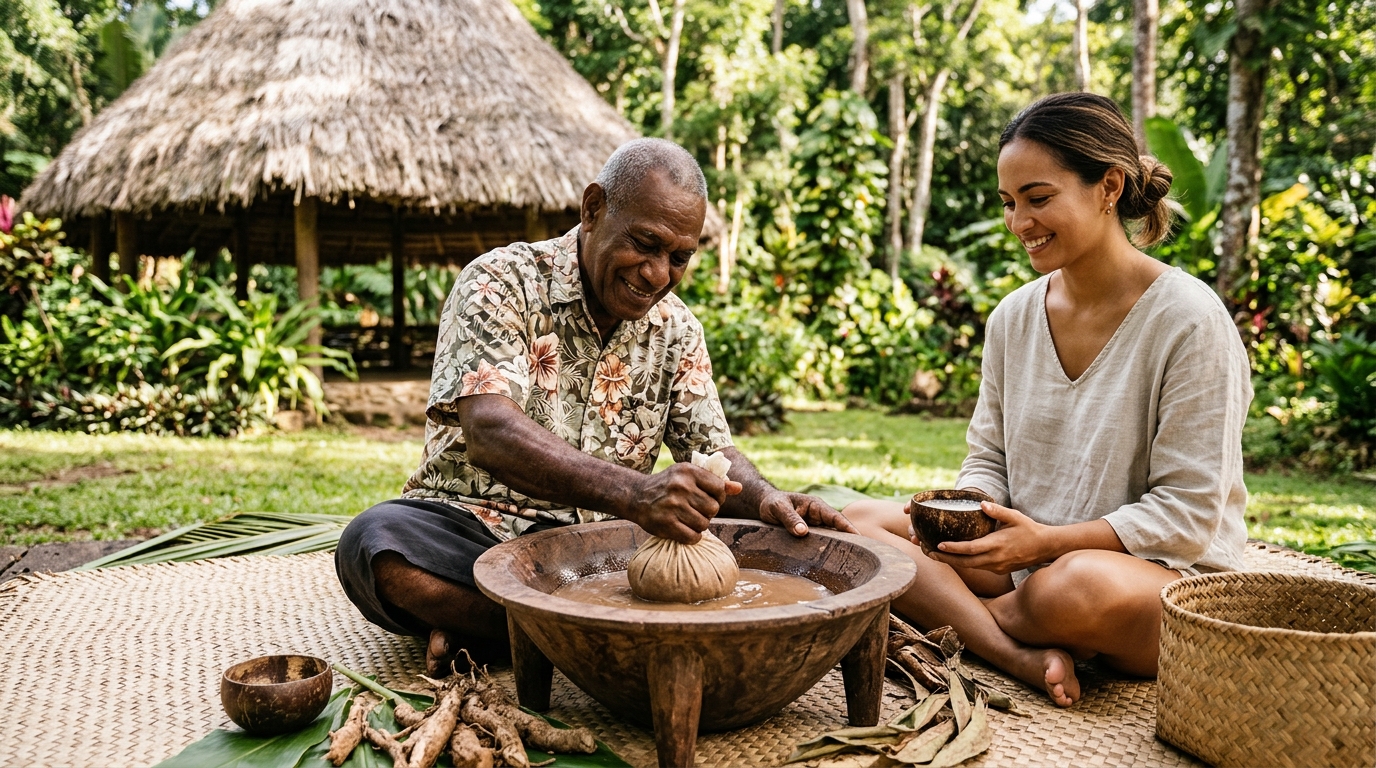
Kava's Three-Millennia Story: A Pacific Legacy
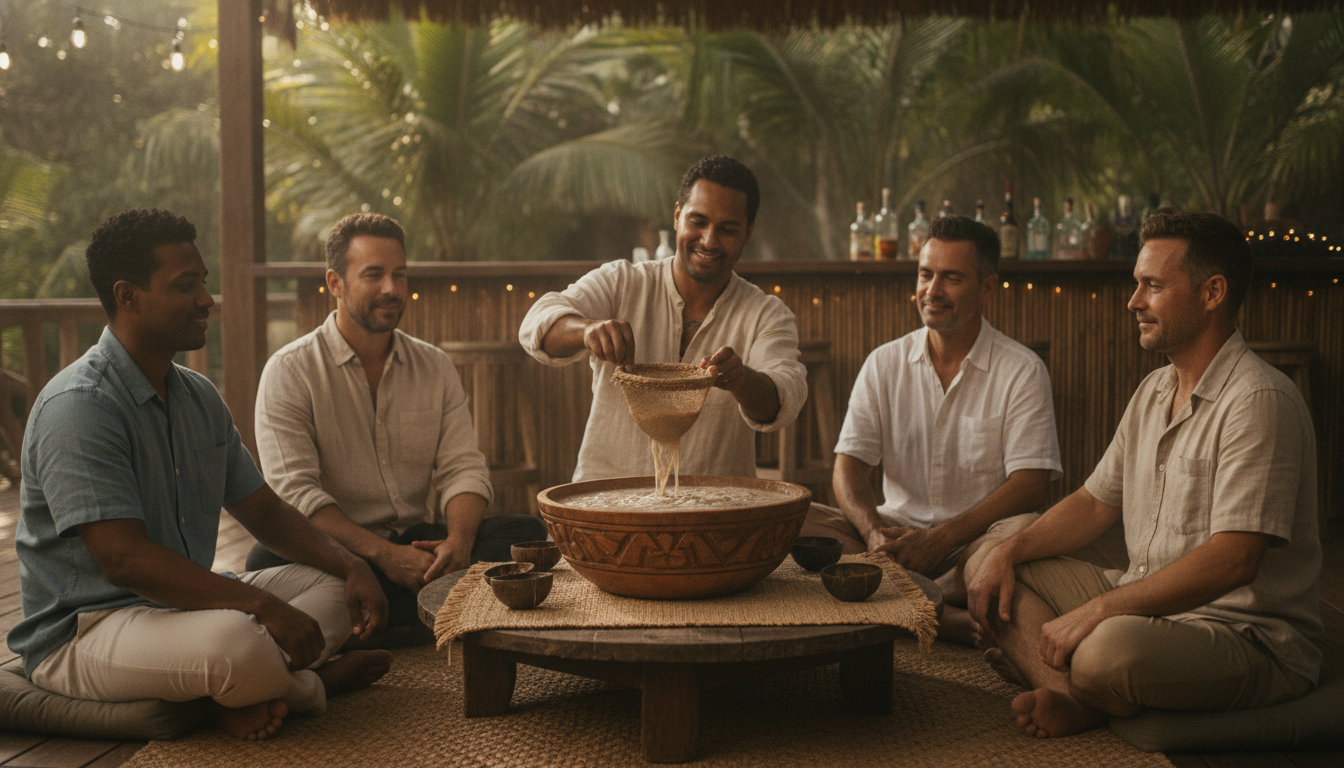
The story of kava, derived from the root of the Piper methysticum plant, is a narrative spanning over 3,000 years, deeply interwoven with the cultural fabric of the Pacific Islands. Its historical migration routes, such as the Kahiki-Tahiti connection, illustrate how kava traveled across vast ocean expanses, evolving in practice while retaining its fundamental significance. Vanuatu, recognized as a leading kava-producing nation, has been instrumental in shaping and spreading kava culture throughout the region. The traditional kava-drinking house, known as the nakamal in Vanuatu and similar establishments across other Pacific Islands, served as a vital community hub. These spaces were more than just venues for consuming a beverage; they were central to social cohesion, dispute resolution, and the intergenerational transfer of cultural knowledge.
The profound respect for kava in these societies extends beyond its physiological effects to its role in fostering community bonds and spiritual connection. The preparation and consumption of kava were, and in many areas continue to be, governed by specific rituals and protocols that emphasize respect, gratitude, and collective intention. This deep-seated tradition forms the foundational bedrock upon which contemporary kava culture is built, offering a unique synthesis of ancient wisdom and modern wellness pursuits. A comprehensive understanding of this historical context is essential for appreciating kava's enduring appeal and significance in the present day.
The Purity of Noble Kava: A Commitment to Quality
Central to an authentic and beneficial kava experience is the distinction of noble kava. Reputable kava bars and discerning enthusiasts prioritize noble varieties, which are specific cultivars of the kava plant renowned for their desirable kavalactone profiles and generally milder, more pleasant effects. These noble strains have been meticulously cultivated and selected over centuries by Pacific Island communities for their consistent quality and safety. In contrast, certain non-noble or "tudei" kava varieties can produce harsher effects and are not traditionally consumed as a regular beverage.
The importance of sourcing noble, origin-named root cannot be overstated. When acquiring kava, actively seeking out sellers who clearly identify the cultivar and demonstrate support for Pacific growers is a tangible way to honor the tradition and ensure a superior product. This practice not only guarantees a more satisfying kava experience but also contributes directly to the sustainable livelihoods of the communities that have safeguarded these plants for millennia. The unique kavalactone profiles inherent to each region and cultivar subtly influence the experienced effects, ranging from deep relaxation to an uplifted mood. When traditional preparation methods are applied to high-quality, noble root, individuals can partake in an experience closely mirroring what Pacific Island communities have shared for generations.
Traditional Preparation: An Art of Connection
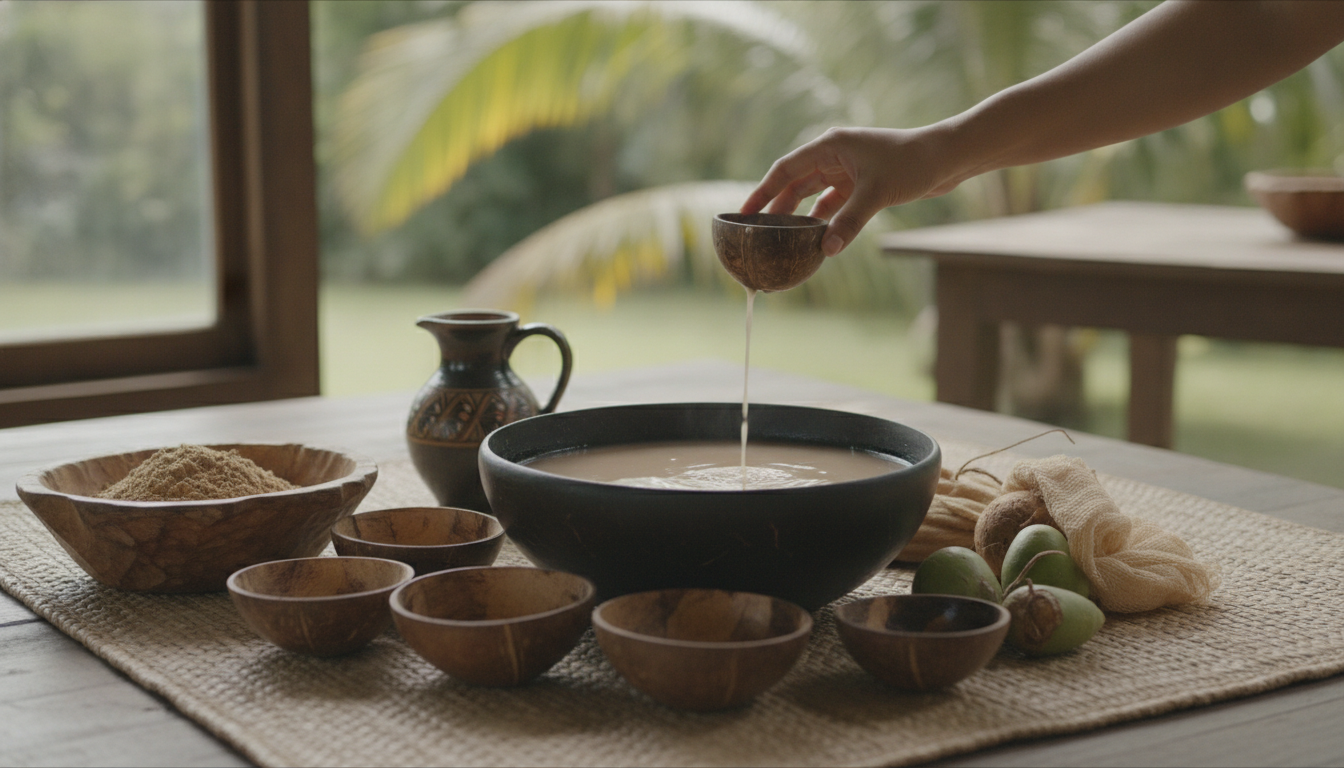
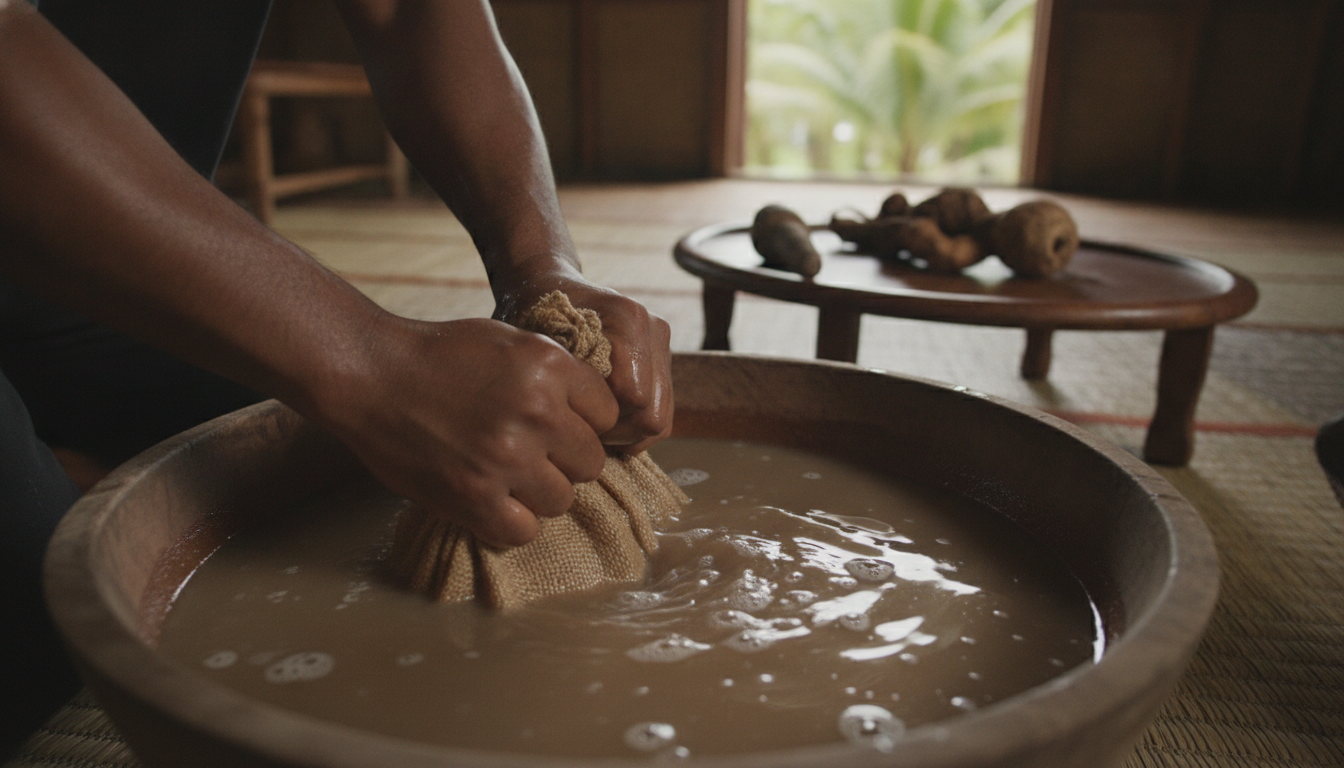
The preparation of kava is as fundamental to the overall experience as the beverage itself, embodying a ritualistic act of respect and deliberate intention. Traditional kava preparation involves a precise process that begins with the noble kava root. The root is typically ground or pounded into a fine powder, which is then placed into a porous cloth or strainer bag. Water is added, and the mixture is kneaded and squeezed repeatedly, facilitating the extraction of kavalactones into the water to form the characteristic milky, earthy beverage. This manual kneading process transcends mere practicality; it is a meditative engagement that connects the preparer to the plant and the ancient tradition.
The communal aspect of kava preparation and consumption is a defining characteristic of Pacific culture. In traditional settings, kava is frequently served from a shared bowl, with participants taking turns to drink from a common shell. This practice cultivates a profound sense of unity and shared experience, echoing the atmosphere of the nakamal. Modern kava bars draw inspiration from these time-honored traditions, striving to recreate a relaxed, communal ambiance. While contemporary methods may incorporate adaptations for efficiency, the core principles of meticulous preparation and reverence for the plant remain paramount. A deeper understanding of the neurological pathways through which kava exerts its effects, as detailed in guides explaining how kava works in the brain, further enriches appreciation for this ancient beverage.
Kava Bars: Revitalizing Ancient Social Rituals
Today, kava bars in the United States and globally serve as contemporary interpretations of the traditional nakamal, functioning as unique social venues dedicated to serving kava beverages. These establishments offer an alternative social environment, emphasizing holistic wellness approaches. They provide spaces where individuals can gather, unwind, and connect in an alcohol-free setting, fostering a sense of community that directly reflects ancient Pacific traditions. This resurgence aligns with a broader trend towards natural remedies and mindful wellness practices.
The growing popularity of kava bars signifies an increasing interest in natural alternatives for relaxation and social engagement. While many venues now feature innovative mocktail menus, blending the traditional kava experience with modern culinary creativity, their foundational commitment remains to serving noble kava, prepared with care and respect for its origins. These bars play an important role in educating patrons about kava's rich history, its cultural significance, and appropriate kava etiquette, ensuring that the experience is both enjoyable and culturally informed. The Fijian greeting often displayed in kava bars, for instance, serves as a tangible link to kava's profound cultural heritage. By upholding the standards of noble kava, traditional preparation, and communal intention, modern kava bars are not merely serving a drink; they are actively preserving a vital legacy and offering a pathway to wellness deeply rooted in millennia of Pacific wisdom.
The atmosphere within a kava bar is intentionally designed to promote calm, clarity, and a gentle uplift in mood - effects that Pacific cultures have valued for centuries. This distinctive fusion of tradition and modern accessibility positions kava bars as increasingly sought-after destinations for those seeking meaningful social interaction and a natural approach to well-being. As kava culture continues its dynamic evolution, it stands as a powerful testament to the enduring capacity of ancient rituals to provide relevant and valuable experiences in our contemporary world.