As Kai Thompson, a passionate kava enthusiast and writer at KavaAtlas based in the sunny shores of Hawaii, I've always believed that the world of herbal remedies like kava and kratom brings people together in meaningful ways. From cozy kava bars where friends gather to share stories over a shell of grog, to the quiet moments of relaxation these plants provide, they're more than just trends - they're cultural staples. But lately, I've been keeping a close eye on the brewing storm in Florida, where lawmakers are pushing for stringent kratom regulations that could ripple through the entire herbal community.
What's Happening in Florida
Kratom, derived from the leaves of a Southeast Asian tree (Mitragyna speciosa), has surged in popularity for its reported benefits, like easing pain, boosting energy, and helping with opioid withdrawal. In Florida, however, state legislators are eyeing bills that would treat kratom like a pharmaceutical drug, mandating rigorous FDA-style standards. This includes requirements for Good Manufacturing Practices (GMP), such as controlled production environments, precise labeling, third-party testing for contaminants, and possibly even dosage limits.
Why Kava Bars Should Care
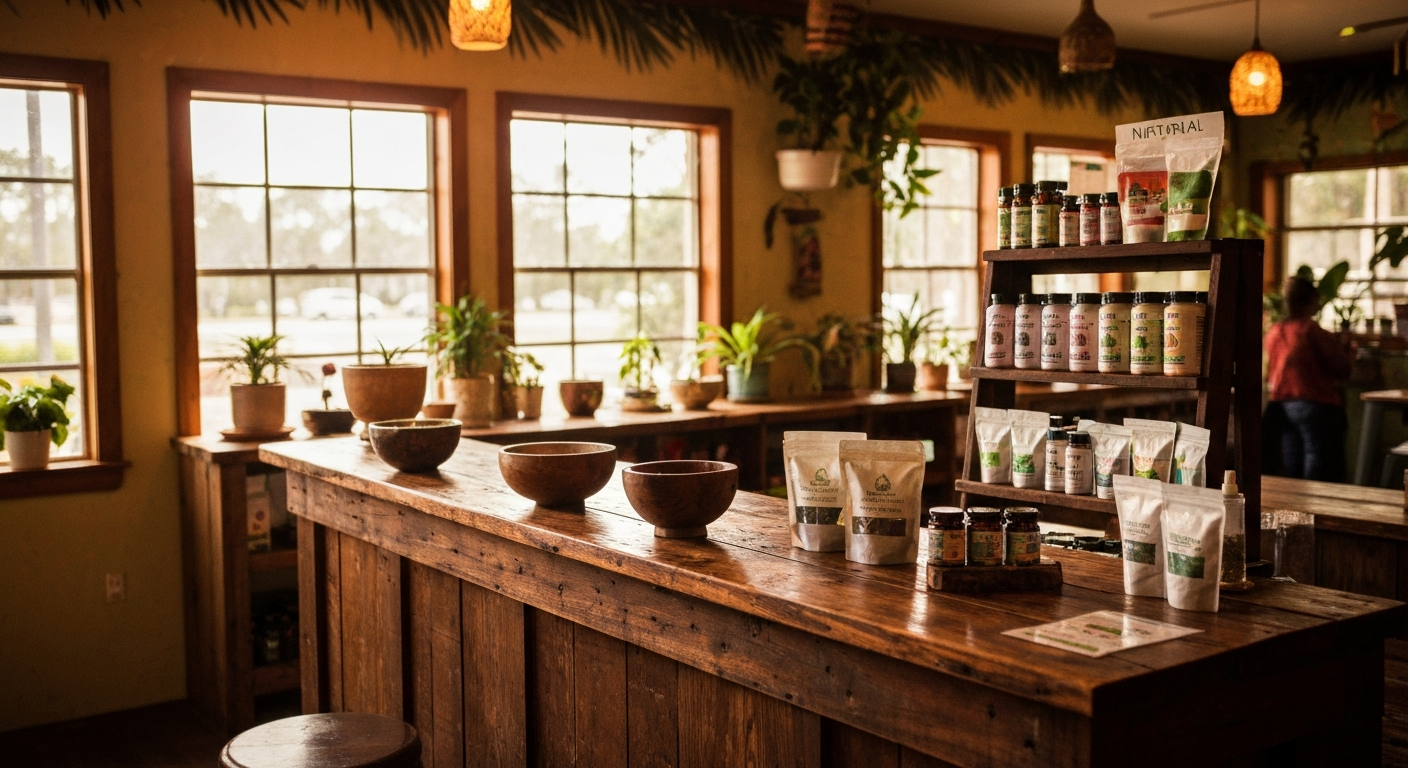
Many kava bars across the U.S., including those in Florida, have diversified their offerings by selling kratom alongside traditional kava drinks. This isn't just a business strategy - it's a natural fit. Both plants hail from similar tropical regions and appeal to folks seeking natural alternatives to alcohol or pharmaceuticals for relaxation and mood enhancement.
Imagine a kava bar owner suddenly facing the need to overhaul their supply chain. Under FDA guidelines, kratom vendors would have to ensure their products meet pharmaceutical-grade standards, which could skyrocket costs. Small-scale suppliers might not have the resources to comply, leading to potential shortages or even shutdowns. For kava bars, this could mean higher prices for customers - think a $5 kratom shot turning into $10 or more - or the outright removal of kratom from menus.
The Debate: Advocates vs. Legislators
On one side, kratom supporters argue that these regulations are an overreach that could criminalize a plant with genuine therapeutic value. Organizations like the American Kratom Association emphasize that kratom has helped thousands manage chronic pain, anxiety, and addiction without the harsh side effects of opioids.
Conversely, legislators in Florida are driven by legitimate concerns about public health. High-profile cases of kratom-related illnesses and deaths - often linked to contaminated products or excessive use - have fueled calls for action. A 2018 FDA warning highlighted risks like liver damage and addiction.
What the Kava Community Should Know
First, stay informed and engaged. Track Florida's legislative progress through sources like the state's official website or advocacy groups, as this could set a precedent for other states. If you're a kava bar owner or enthusiast in Florida, consider joining forces with organizations like the Kava Coalition to voice your concerns.
Second, prioritize quality in your own practices. Whether you're brewing kava at home or visiting a bar, opt for products from reputable sources that already adhere to high standards. This not only ensures safety but also strengthens the argument that the herbal community can self-regulate effectively.
In the end, the kratom debate in Florida is more than policy; it's about preserving the essence of our herbal communities. Stay vigilant, stay connected, and let's keep the conversation going.