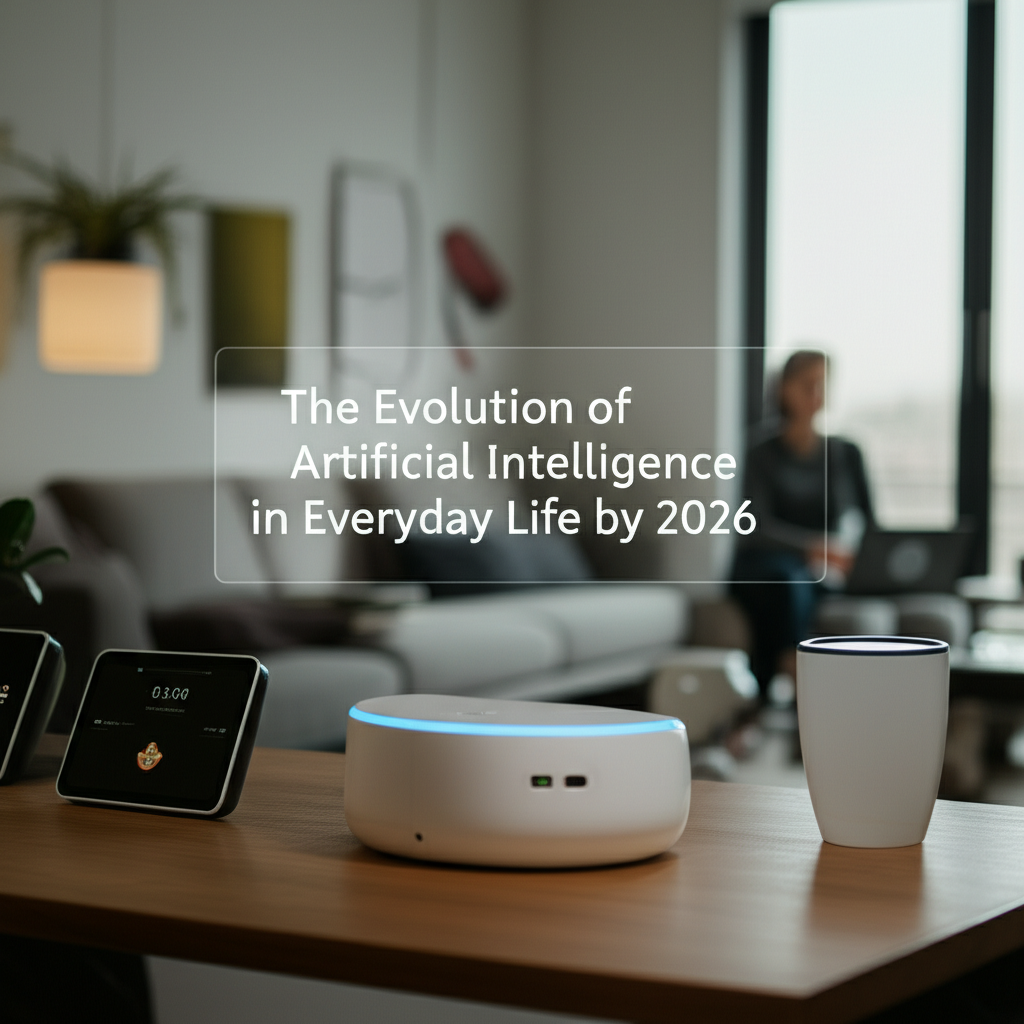
In the fast-paced world of technology, artificial intelligence (AI) has transitioned from a futuristic concept to an integral part of daily life. As we step into 2026, AI's influence spans across various sectors, enhancing efficiency, personalization, and innovation. This article explores how AI has evolved and its profound impact on everyday routines, from smart homes to healthcare, while addressing ethical considerations and future prospects.
The Rise of AI in Smart Homes
One of the most noticeable changes in 2026 is the ubiquity of AI in smart homes. Devices like AI-powered assistants have become smarter, learning from user habits to optimize energy use and security. For instance, a typical home now features integrated systems that adjust lighting, temperature, and even appliance schedules based on real-time data and predictive analytics.
According to recent reports, AI algorithms can now predict household needs with up to 95% accuracy, reducing energy consumption by 30%. This not only promotes sustainability but also saves families significant costs. Imagine waking up to a house that has already brewed your coffee, adjusted the thermostat for your comfort, and scheduled your day's errands—all thanks to AI's seamless integration.
AI's Transformation of Healthcare
The healthcare sector has witnessed a revolutionary overhaul thanks to AI advancements. By 2026, AI-driven diagnostics and personalized medicine are standard. Machine learning models analyze vast datasets from wearable devices to detect early signs of diseases like diabetes or heart conditions, often before symptoms appear.
For example, AI-powered apps on smartphones can now monitor vital signs in real-time, providing alerts and recommendations. This proactive approach has led to a 20% decrease in hospital readmissions globally. Moreover, AI assists surgeons with precision tools, reducing errors in operations and improving patient outcomes. As AI continues to evolve, it's not just about treatment; it's about prevention and personalized wellness plans tailored to individual genetics and lifestyles.
Enhancing Education Through AI
Education has been redefined by AI, making learning more accessible and adaptive. In 2026, AI tutors and virtual classrooms are commonplace, offering customized lesson plans that adapt to a student's pace and learning style. This shift has bridged educational gaps, especially in underprivileged areas.
Platforms using AI can analyze a student's performance and suggest resources, such as interactive simulations or supplementary readings, to reinforce concepts. A study from 2025 showed that students using AI-enhanced learning tools improved their grades by an average of 15%. Beyond academics, AI is fostering skills for the future job market, like coding and data analysis, through gamified experiences that make education engaging and fun.
AI in Transportation and Mobility
Transportation is another domain where AI has made strides. Autonomous vehicles, once a novelty, are now a standard mode of transport in many cities by 2026. These vehicles use AI to navigate traffic, avoid accidents, and optimize routes, significantly reducing commute times and emissions.
With AI managing traffic flow through smart city infrastructures, congestion has decreased by 25% in major urban areas. Ride-sharing services powered by AI algorithms ensure efficient matching of riders and drivers, while electric vehicles integrated with AI promote eco-friendly travel. This evolution not only enhances safety but also contributes to global efforts in combating climate change.
The Role of AI in Entertainment and Media
Entertainment has become more immersive and personalized with AI at the helm. Streaming services now use sophisticated AI to curate content based on viewing history, preferences, and even mood detection from device interactions. In 2026, this means movies, music, and games that evolve in real-time to suit the user's emotions.
AI-generated content, such as custom storylines in video games or personalized news feeds, keeps users engaged. However, this rise also sparks discussions on creativity and originality. While AI enhances user experiences, it raises questions about the human element in art and media production.
Ethical Considerations and Challenges
Despite the benefits, AI's rapid evolution brings ethical dilemmas. Privacy concerns are paramount as AI systems collect vast amounts of personal data. In 2026, regulations like the Global AI Ethics Framework ensure data protection and transparency in AI operations.
Bias in AI algorithms remains a challenge, with ongoing efforts to develop fairer models. Job displacement due to automation is another issue, prompting reskilling programs to help workers adapt. Balancing innovation with responsibility is key to harnessing AI's full potential without widening societal divides.
Future Prospects: AI's Next Frontier
Looking ahead, AI is poised to explore new frontiers, such as advanced robotics in manufacturing and AI in environmental conservation. By 2030, we might see AI playing a crucial role in predicting natural disasters or accelerating renewable energy solutions.
The integration of AI with emerging technologies like quantum computing could unlock unprecedented capabilities. As we navigate this era, fostering collaboration between technologists, policymakers, and the public will be essential to ensure AI serves humanity positively.
Conclusion: Embracing AI Responsibly
In conclusion, the evolution of AI by 2026 has woven it deeply into the fabric of everyday life, offering convenience, efficiency, and new opportunities. From smart homes to healthcare, education, and beyond, AI's benefits are undeniable. Yet, as we embrace these advancements, we must address the ethical challenges to create a balanced, inclusive future.
- AI in smart homes saves energy and enhances convenience.
- Healthcare improvements lead to better patient outcomes.
- Education becomes more personalized and accessible.
- Transportation is safer and more efficient.
- Ethical considerations are vital for sustainable progress.
As we move forward, the key is to harness AI's power thoughtfully, ensuring it enriches lives while preserving human values.