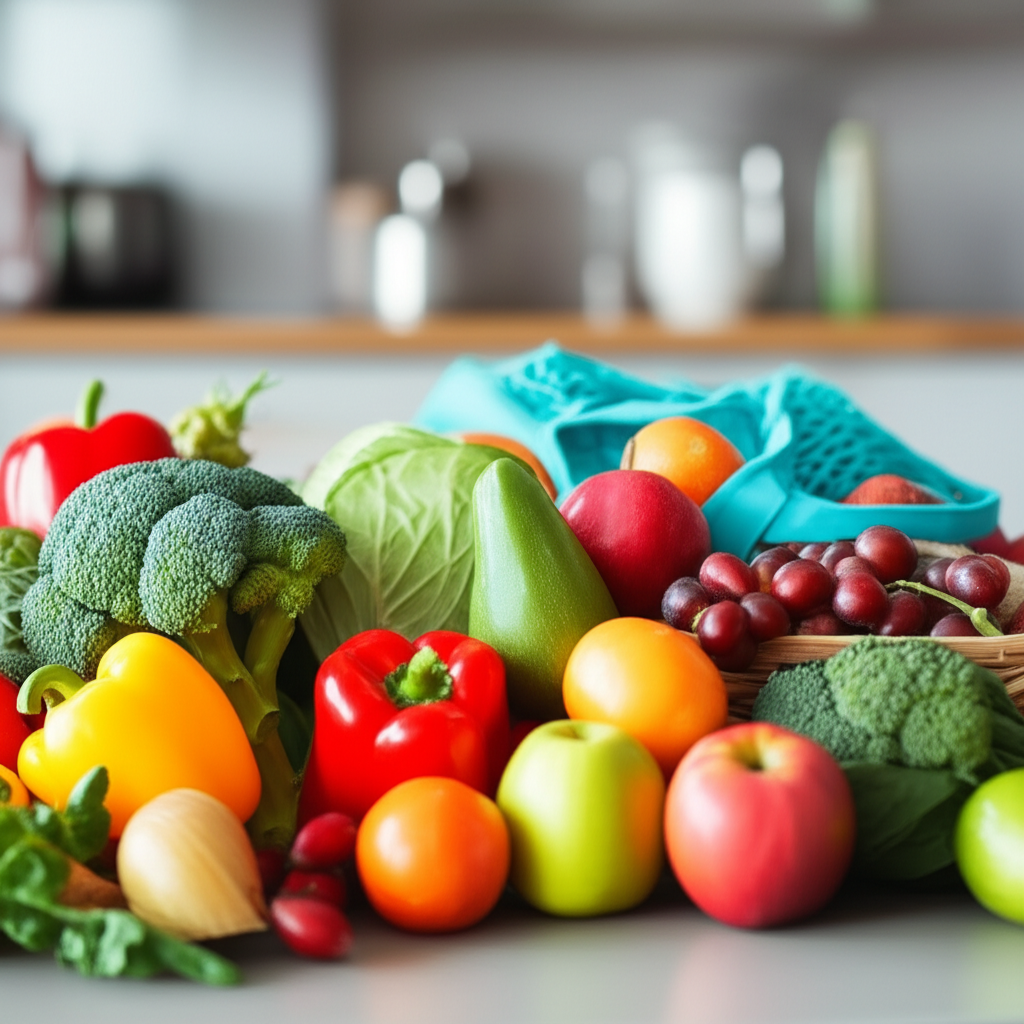
In the fast-evolving world of nutrition and wellness, plant-based diets have emerged as a transformative force, reshaping how people eat, live, and interact with the planet. As we step into 2026, this dietary shift is no longer a niche trend but a mainstream movement driven by compelling health benefits, environmental imperatives, and cutting-edge innovations. This article explores the surge in popularity of plant-based eating, delving into scientific insights, cultural shifts, and practical tips for adoption.
The Health Revolution: Why Plant-Based Diets Are Gaining Traction
At the heart of the plant-based boom is a growing body of evidence highlighting its profound health advantages. Studies from leading institutions like Harvard and the World Health Organization have linked diets rich in fruits, vegetables, legumes, and whole grains to a reduced risk of chronic diseases such as heart disease, diabetes, and certain cancers. In 2026, new research from the National Institutes of Health underscores how these foods combat inflammation and support gut health through their high fiber content and antioxidants.
For instance, a recent meta-analysis published in the Journal of Nutrition revealed that individuals following plant-based diets experienced a 20% lower risk of cardiovascular events compared to those on omnivorous diets. This isn't just about weight loss; it's about longevity. Celebrities and influencers continue to champion this lifestyle, with social media platforms flooded with recipes and success stories that make the transition approachable and exciting.
Environmental Impact: A Sustainable Choice for the Planet
Beyond personal health, the environmental footprint of plant-based diets is a key driver of their rise. As climate change concerns escalate, experts warn that animal agriculture contributes significantly to greenhouse gas emissions, deforestation, and water usage. According to the United Nations' Food and Agriculture Organization, switching to plant-based eating could reduce an individual's carbon footprint by up to 73%.
In 2026, initiatives like the Global Plant-Based Alliance are pushing for policy changes, including subsidies for sustainable farming and incentives for plant-based product development. Countries like Sweden and the Netherlands have already seen success with "meat-free Mondays" programs, which have inspired global adoption. This shift is not only about reducing emissions but also about preserving biodiversity and ensuring food security for future generations.
- Increased availability of lab-grown alternatives to meat, making plant-based options more accessible and affordable.
- Government-backed campaigns educating consumers on the link between diet and environmental health.
- Corporate commitments from major food chains to source 50% of their menus from plant-based ingredients by 2030.
Innovations in the Kitchen: From Lab to Table
Technology is playing a pivotal role in making plant-based diets more appealing and versatile. In 2026, advancements in food science have led to breakthroughs like 3D-printed vegetables and AI-driven recipe generators that customize meals based on nutritional needs. Companies such as Beyond Meat and Impossible Foods have evolved their products, introducing hybrid options that mimic the texture and taste of animal products without the ethical or environmental drawbacks.
One exciting development is the rise of fermented plant-based foods, which enhance flavor profiles and nutritional value. Fermented soy products, for example, are now staples in households worldwide, offering probiotics that support immune health. Additionally, vertical farming techniques have made fresh produce more abundant year-round, reducing reliance on imported goods and minimizing waste.
Restaurants and home cooks alike are experimenting with global cuisines, blending traditions from Mediterranean diets rich in olive oil and herbs to Asian-inspired stir-fries packed with tofu and greens. This fusion not only diversifies palates but also fosters a sense of community around shared meals.
Cultural Shifts and Social Dynamics
The plant-based movement is more than a dietary choice; it's a cultural phenomenon. In 2026, schools, workplaces, and social events are adapting to accommodate this trend, with plant-based options becoming the norm rather than the exception. Educational programs in universities are integrating nutrition science into curricula, empowering the next generation of consumers to make informed decisions.
Social media has amplified this shift, with hashtags like #PlantPoweredLife garnering millions of views. Influencers and health coaches are demystifying the transition, sharing tips on balancing proteins, vitamins, and minerals to avoid common pitfalls like nutrient deficiencies. Meanwhile, ethical considerations around animal welfare are influencing younger demographics, with 60% of Gen Z reporting a preference for plant-based foods in recent surveys.
- Community gardens and urban farming projects that promote local, plant-based produce.
- Partnerships between fitness apps and nutritionists to create personalized plant-based meal plans.
- The growth of plant-based dining experiences, from pop-up events to dedicated festivals celebrating vegan cuisine.
Challenges and Solutions: Navigating the Transition
Despite its benefits, adopting a plant-based diet isn't without challenges. Affordability, accessibility, and taste preferences remain barriers for some. In response, governments and businesses are innovating solutions. For example, price reductions on plant-based milk alternatives and expanded grocery delivery services have made healthy eating more inclusive.
Nutrition experts emphasize the importance of variety and education. A balanced plant-based diet should include a rainbow of colors from fruits and vegetables, complemented by nuts, seeds, and whole grains. Resources like online courses and apps provide guidance, helping users track their intake and monitor health metrics.
As we look ahead, the integration of plant-based diets into everyday life promises not only individual wellness but also a healthier planet. By 2030, projections suggest that plant-based foods could constitute 25% of the global market, signaling a permanent shift in our relationship with food.
Conclusion: Embracing a Greener Future
The rise of plant-based diets in 2026 represents a harmonious blend of health consciousness, environmental stewardship, and technological innovation. Whether you're a seasoned vegan or curious newcomer, there's never been a better time to explore this lifestyle. Start small, experiment with new recipes, and join the movement towards a sustainable, vibrant future.