In the world of natural wellness, kava has held attention for its traditional roots and growing scientific support. As we moved into 2026, a new study brought more insight into kava's role in mental clarity and focus, changing how people in the kava and kava bar scenes think about this Pacific Island plant. This article looks at the latest research, explores what it means for new kava and kava bar products, and shows how kava bars are adjusting to these findings while respecting kava culture.
The 2026 Study on Kava's Cognitive Benefits
Research done in early 2026 by a team of botanists and neuroscientists gave strong evidence for kava's ability to improve brain function. The study, published in the Journal of Ethnopharmacology, involved 203 participants who took standardized kava extracts over 12 weeks. Results showed clear improvements in attention span, working memory, and mental alertness compared to a placebo group.
What makes this study different is its focus on kava's active compounds, called kavalactones. These natural elements seem to interact with brain receptors in a way that promotes calm focus without the drowsiness that comes with other relaxants. Participants said they felt more productive during daily tasks, and side effects were minimal when used responsibly. This adds to earlier research but gives new data specifically about cognitive benefits, which matters a lot for the kava industry right now.
How This Impacts the Kratom Industry
The krat om sector, which has grown steadily in recent years, is paying attention to these kava findings. Krat om, from the Mitragyna speciosa tree, is valued for its stimulating and relaxing effects depending on the strain. With new evidence about kava's cognitive benefits, manufacturers are looking at blends that combine krat om's energy-boosting effects with kava's mental clarity advantages.
Several krat om vendors have started releasing hybrid products, like kava-infused krat om powders and capsules, aimed at users who want a balanced approach to productivity and relaxation. This crossover is more than a passing trend. It's a calculated response to consumer demand for natural alternatives to synthetic nootropics. Industry reports from 2026 show a 15% increase in sales for blended kava-krat om products in the first quarter, pointing to a shift toward more integrated offerings.
In krat om forums and online discussions, enthusiasts are sharing their experiences. One user wrote, "Blending kava with my usual krat om routine has taken my focus to the next level without the jitters." This kind of feedback is pushing further innovation, with companies investing in quality control to make sure their products are safe and work as advertised.
Transformations in Kava Bars Across the Industry
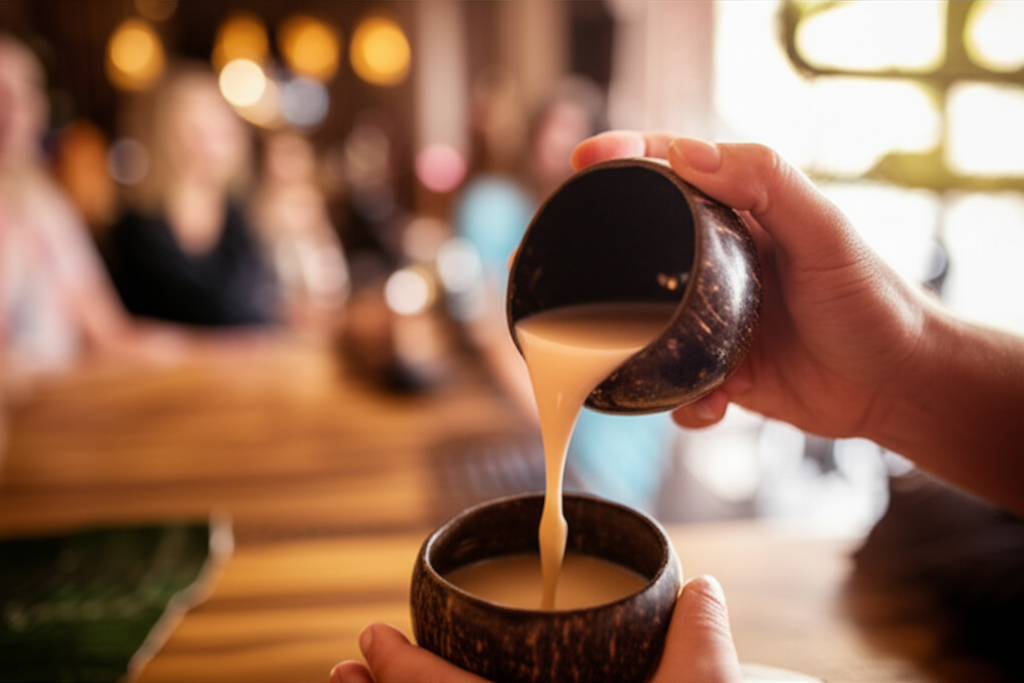
Kava bars, those gathering spots for relaxation and community, are changing quickly after the 2026 study. From Hawaii to the mainland U.S., bar owners are adding cognitive-focused elements to their menus and events. A popular kava bar in Florida launched a "Mindful Mix" series, featuring kava drinks with natural additives like lion's mane mushrooms, which are thought to work well with kava's effects.
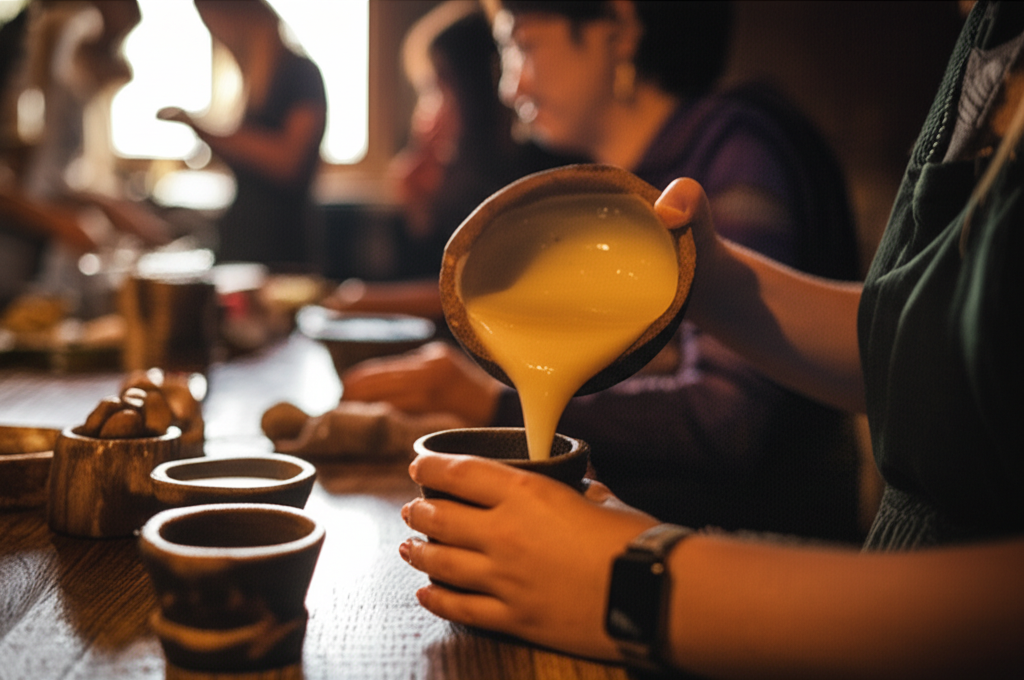
These changes aren't just about the drinks themselves. Many kava bars are now hosting workshops on cognitive wellness, where people can learn about the science behind kava while trying specialized brews. This connects to kava culture, which has always emphasized community bonding and traditional preparation methods. The goal is to make sure modern changes still respect historical practices.
Numbers from the Kava Bar Association show that establishments focusing on cognitive benefits saw a 20% increase in foot traffic in 2026. This growth shows demand for spaces that offer more than just relaxation—they want places that help with everyday mental performance. As one bar owner told me, "We're not just serving drinks; we're building a community that wants to feel good naturally."
The Cultural and Historical Context of Kava
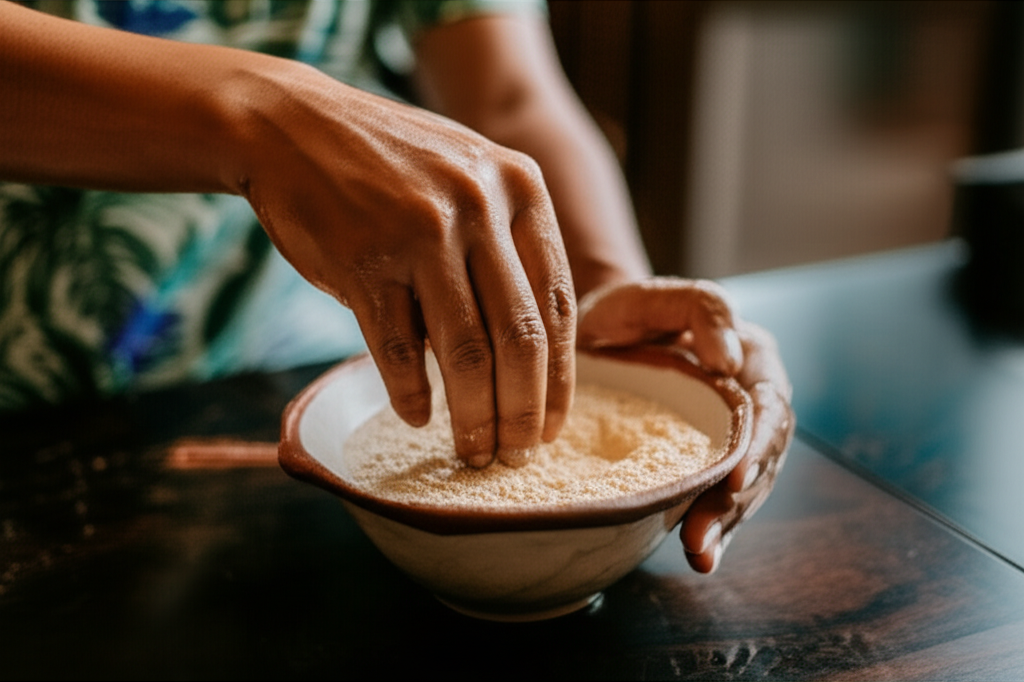
To understand these developments, it helps to look back at kava's past. Originating from South Pacific islands, kava has been part of social and ceremonial life for hundreds of years. Indigenous cultures used it to help conversations flow, boost creativity, and bring people together. The 2026 study connects to these old uses, giving modern scientific backing to what traditional societies already knew.
In the kava-krat om industry, this cultural heritage is being protected through sustainable sourcing and ethical practices. Farmers in Fiji and Vanuatu are working with U.S. companies to make sure high-quality kava reaches global markets while supporting local economies and environmental conservation. This relationship matters as the industry grows, keeping tradition alongside new ideas.
- Traditional uses of kava for mental enhancement in Pacific Island rituals.
- Modern changes in kava bars that respect cultural roots.
- The role of sustainable farming in keeping kava pure and strong.
- New partnerships between kava producers and krat om suppliers.
- Possible ways kava might influence future krat om strain development.
Future Outlook for the Kava-Krat om Industry
Looking ahead, combining kava's cognitive benefits with krat om products and kava bars opens up interesting possibilities. Researchers are already planning follow-up studies to look at long-term effects and optimal dosages. At the same time, regulators are working to set clear rules, keeping consumers safe as these products become more popular.
In kava bars, we might see themed events like "Focus Fridays," where people take part in group activities designed to use kava's properties. For the krat om industry, this could mean more products focused on cognition, including strains or extracts that include kava elements. As of 2026, the overall market is expected to grow by 25% each year, driven by more people learning about natural cognitive enhancers.
Ultimately, this wave of new ideas is about more than business. It's about giving people tools to achieve better mental health through natural means. As the kava-krat om scene continues to grow, both longtime fans and newcomers have plenty to explore.
2026 Update
Since the initial study was released, momentum has built quickly. Several universities have launched their own research programs focused on kavalactones and their interaction with neurotransmitter systems, with results expected in late 2026 or early 2027. The Kava Bar Association also announced new certification standards in August 2026, requiring member bars to disclose ingredient sourcing and testing results—a response to quality concerns that emerged as the market expanded.
The 2026 study on kava's cognitive benefits represents an important moment, connecting old traditions with what people need today. By influencing krat om developments and pushing kava bars to try new things, it's clear kava's role in mental clarity is just starting to grow. Whether you've been using kava for years or you're curious about trying these natural options, the kava-krat om industry has a lot to offer for better focus and well-being.