The kava industry is moving toward professionalism with its first training and certification program for kava bar operators. The Kava Industry Standards Council (KISC) announced the initiative this week, aiming to improve quality at North American kava shops while teaching new owners what they need to run compliant businesses.
Kava Bars Go Mainstream
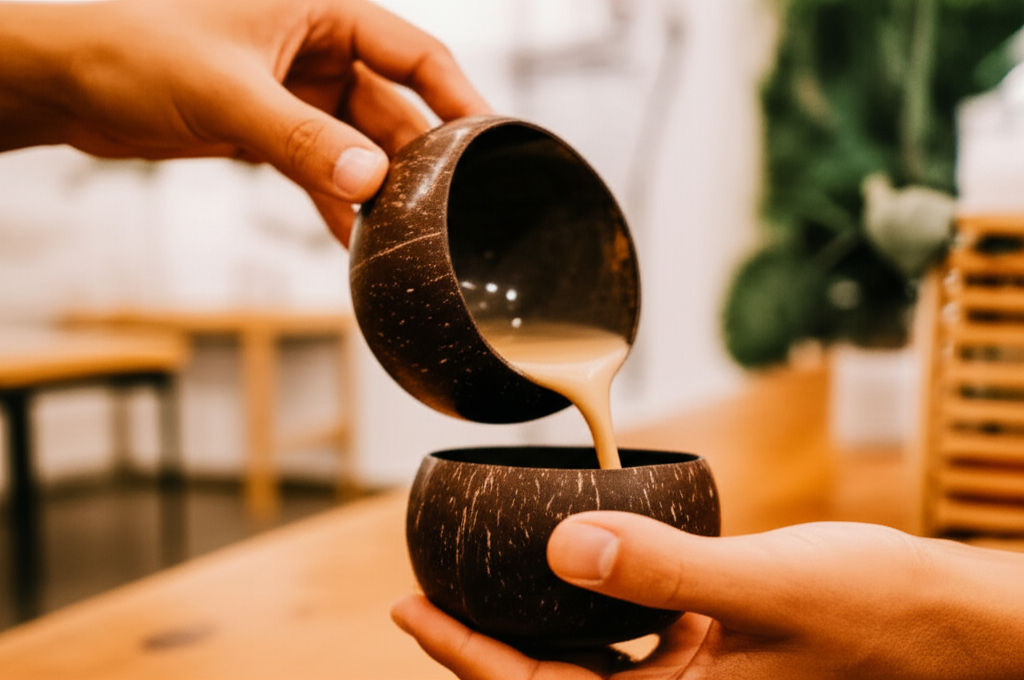
Kava bars have spread quickly across the United States, Canada, and other countries. What started as a niche business serving Pacific Island communities has become a popular spot for people looking to relax and connect with others.
"We've seen huge growth, but that growth means we need to raise our game," said Tevita Naioba, KISC executive director and longtime kava advocate. "Too many people open kava bars without knowing the basics—the plant, the culture, the business. This program fixes that."
The certification covers five main areas: kava botany and chemistry, preparation and safety, business operations and compliance, customer service, and cultural understanding. Participants complete 40 hours of coursework and pass written and practical tests to become Certified Kava Professionals (CKP).
What Operators Will Learn
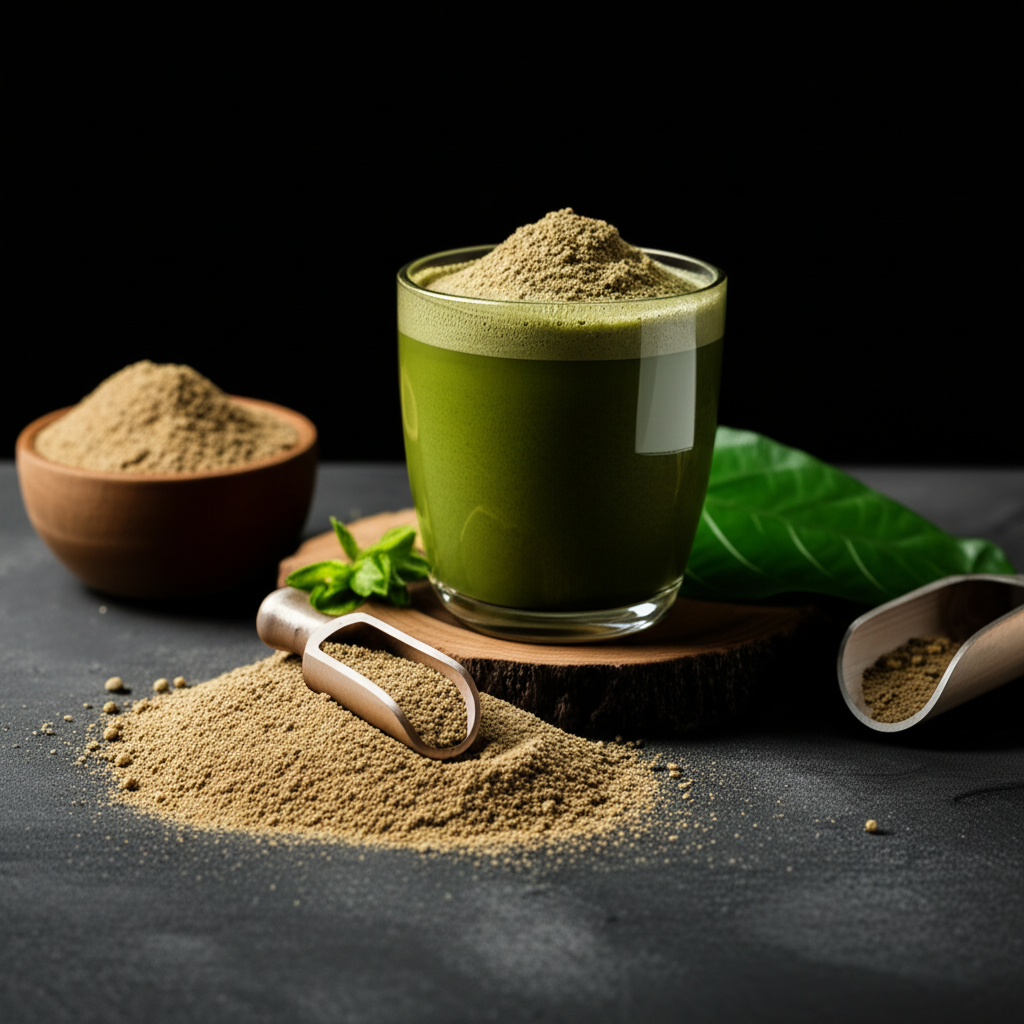
This isn't casual barista training. Participants must show they can identify quality kava root, understand kavalactone levels, and prepare both traditional grog and modern drinks like kava lattes and cocktails.
"Quality control matters most," said Dr. Leka Ratu, a pharmaceutical researcher who helped build the curriculum. "Customers should know what they're drinking. We teach operators how to buy from good suppliers, test products, and explain serving sizes to customers."
The business section helps owners deal with regulations, which differ by state. Some places treat kava as a dietary supplement under FDA rules, others like a food product. The training gives operators what they need to stay legal.
Early Interest From Owners
Kava bar owners have responded enthusiastically. Mana Kava Bar in Portland became the first shop to get its whole staff certified. Owner Jasmine Kaleo said customers immediately noticed the difference.
"When your team can explain the difference between noble and tuvera kava varieties, customers trust you more. They come back because they know you're knowledgeable," Kaleo said.
Kava farms in Fiji and Vanuatu have shown interest too, since certified operators create better demand for quality products. KISC plans to open training facilities in the Pacific Islands within two years.
Safety and Sourcing Issues
The program launches while safety debates continue. Research shows properly prepared noble kava is safe for most adults, but problems arise when shops use the wrong plant parts or add synthetic ingredients.
"The industry has a transparency issue," Naioba admitted. "Some sellers move inferior products that hurt everyone. By teaching operators to source carefully and test what they sell, we protect customers and honest vendors."
KISC partnered with independent testing labs to offer members discounted quality checks, including kavalactone profiling and heavy metal screening.
New Career Paths
The certification opens career doors. Beyond running bars, certified professionals can work as quality control specialists, wholesale account managers, or trainers for KISC.
The program also connects with wellness businesses. Several spas, yoga studios, and health clinics now offer kava services, creating demand for staff who understand the product.
2026 Update
KISC exceeded its first-year goal, certifying over 600 operators across North America. The program expanded to three Pacific Island training facilities in 2025, and several major health insurance providers now recognize CKP credentials for workplace wellness partnerships.
What's Next
KISC aims to certify 500 operators in year one and make CKP the industry standard. They picture a future where customers walking into any certified kava bar can expect good quality, knowledgeable staff, and ethical business practices.
As kava continues growing, programs like this show the industry is maturing from a counterculture trend into a real wellness business. For operators willing to learn and prioritize quality, the opportunity is huge.