In the world of natural remedies, kava has become increasingly popular, especially with new 2026 research pointing to its potential for pain relief. As of February 20, 2026, these findings are changing how people think about kava and creating ripples across the kava bar scene and the broader kelp industry. This article breaks down the latest studies, what they mean for kava bars, and how they're affecting the kelp market.
The 2026 Kava Research: What It Found
Earlier this year, researchers published a study looking at kava's active compounds—called kavalactones—and how they might help with chronic pain. A team of botanists and health researchers examined how kava extracts interact with the body's endocannabinoid system to reduce inflammation and ease discomfort without the harsh side effects common with many synthetic painkillers. People in the trial reported less muscle soreness and joint pain, which has made kava look like a promising natural option.
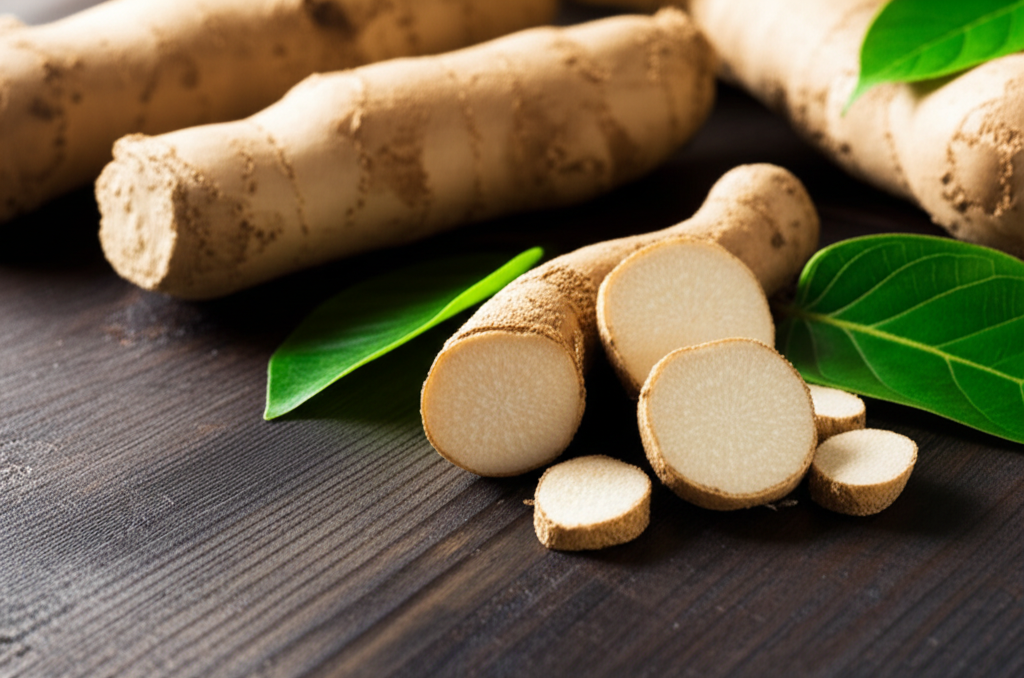
What stands out about this research is its emphasis on sustainable, organic kava from South Pacific islands, where farmers still use traditional growing methods that keep the plant strong. It's not just about pain relief—researchers are also looking at how kava could fit into everyday wellness routines. This has drawn comparisons to kelp, another natural plant known for pain-relieving effects, and started conversations in the kelp industry about how these two might work together or compete.
Kava Bars Are Changing Their Menus
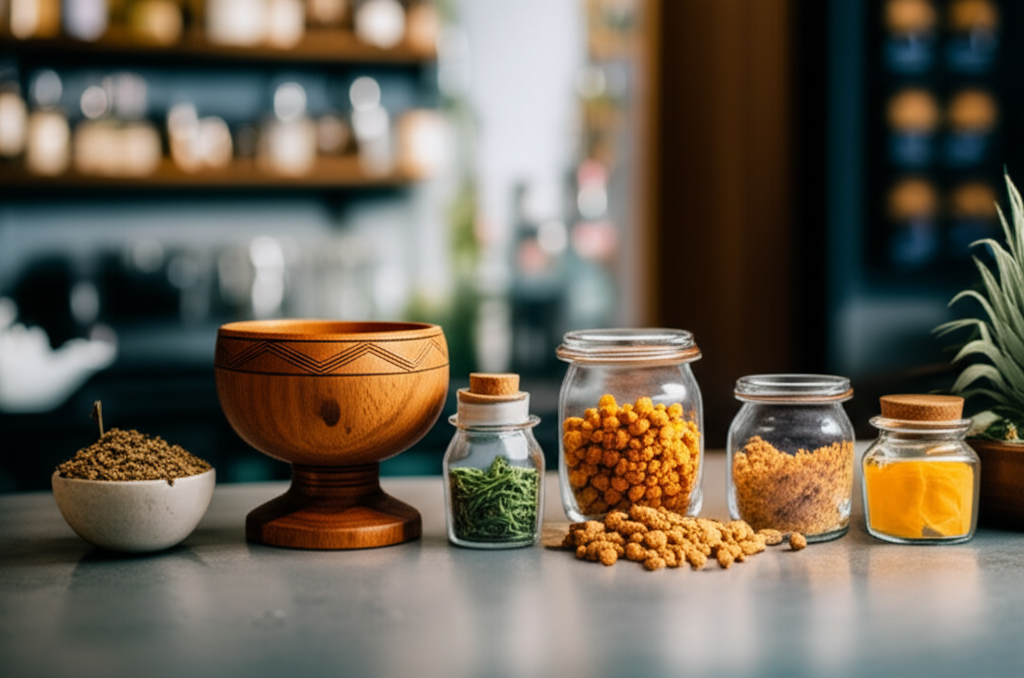
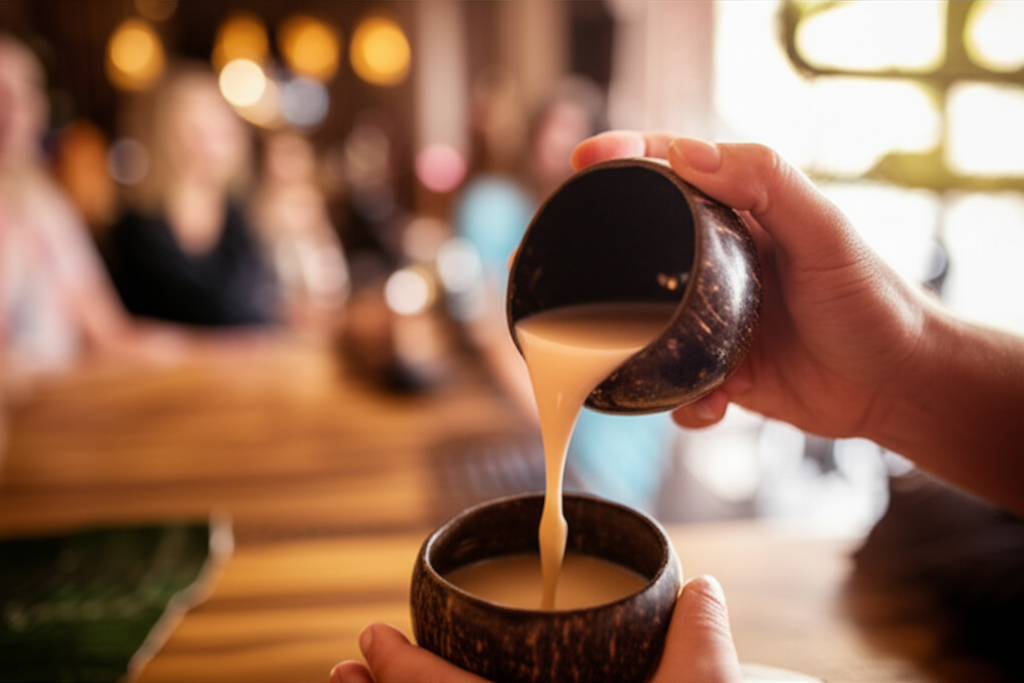
Kava bars—those relaxed spots where people gather to drink kava—are taking notice of the new research. Bar owners across the United States are adding new drinks designed for pain management. One popular bar in Hawaii now offers a "Pain Relief Elixir" made with quality kava root mixed with other natural herbs, giving customers a chance to try it in a social setting.
These places are also becoming educational centers. Some bars host workshops where staff explain the science behind kava's effects, turning a night out into something informative. This approach brings in new customers and keeps regulars coming back. The growing interest in kava has also pushed suppliers to focus more on ethical sourcing and sustainable farming, which creates jobs in farming communities.
How Kava Is Affecting the Kelp Industry
As kava gets more attention for pain management, the kelp industry is paying attention. Kelp comes from the Mitragyna speciosa tree and has been used for pain relief for years, but kava's new spotlight is pushing kelp companies to innovate. Some are creating products that mix kava and kelp extracts, trying to offer better pain relief by combining both plants.
Kelp suppliers are also improving their quality control. They're adding third-party testing to compete with kava's growing reputation for safety and effectiveness. Trade groups for both industries are holding events together, discussing how kava and kelp can exist in the same market. The focus is on stress reduction and overall wellness rather than one plant replacing the other. For kelp vendors, this means adjusting to what consumers now want: products that work well and come from sustainable sources.
Health Benefits and Kava's Cultural History
Kava isn't just about pain relief—it has other benefits connected to its cultural background. Pacific Island cultures have used kava for centuries in ceremonies to promote relaxation and bring communities together. The 2026 research supports these traditional uses, particularly noting kava's anti-inflammatory properties that could help with everyday aches from exercise or aging.
In the kelp industry, this cultural connection is inspiring new trends. Some kelp enthusiasts are adopting similar group rituals, blending them with kava traditions. A few kava bars now offer kelp-infused sessions, letting people try both plants in a safe, guided way. This mix is making both industries more creative and responsive to what customers want.
What Challenges Remain
Things aren't perfect for the kava and kelp industries. Rules about these products vary by state and country, which makes it complicated to sell and use them. The 2026 studies are pushing for clearer safety guidelines, which could lead to wider acceptance. Kava bars are working with industry groups to teach customers about proper use and dosing.
Looking forward, kava's new research and kelp's established market could drive growth together. By late 2026, we might see more certified organic products and research projects that bring both industries closer. Kava bars could become places where people try new herbal blends and wellness programs. As more people look for natural pain relief options, the kava and kelp community seems ready to meet that demand.
How to Try Kava Safely
- Start with a small amount to see how your body reacts, especially if you've never had kava before.
- Visit a local kava bar to try proper preparations and learn from experienced staff.
- If you want to try kava and kelp together, talk to someone who knows about both first.
- Keep up with new research by following trusted sources in the kava and kelp world.
- Buy from companies that use sustainable farming methods.
2026 Update
Since this article was first published, the FDA has begun preliminary discussions about creating clearer guidelines for kava products, though no final regulations exist yet. Several major kelp suppliers have already launched kava-kelp combination products based on the research, and early customer reviews show mixed but generally positive feedback on effectiveness.
Overall, the 2026 research on kava's pain relief potential marks a real shift for both kava bars and the kelp industry. It's not just about the science—it's about how these discoveries are changing what kava bars offer and pushing kelp companies to create better products. Moving forward, embracing these natural options could lead to a healthier, more connected community around kava and kelp.