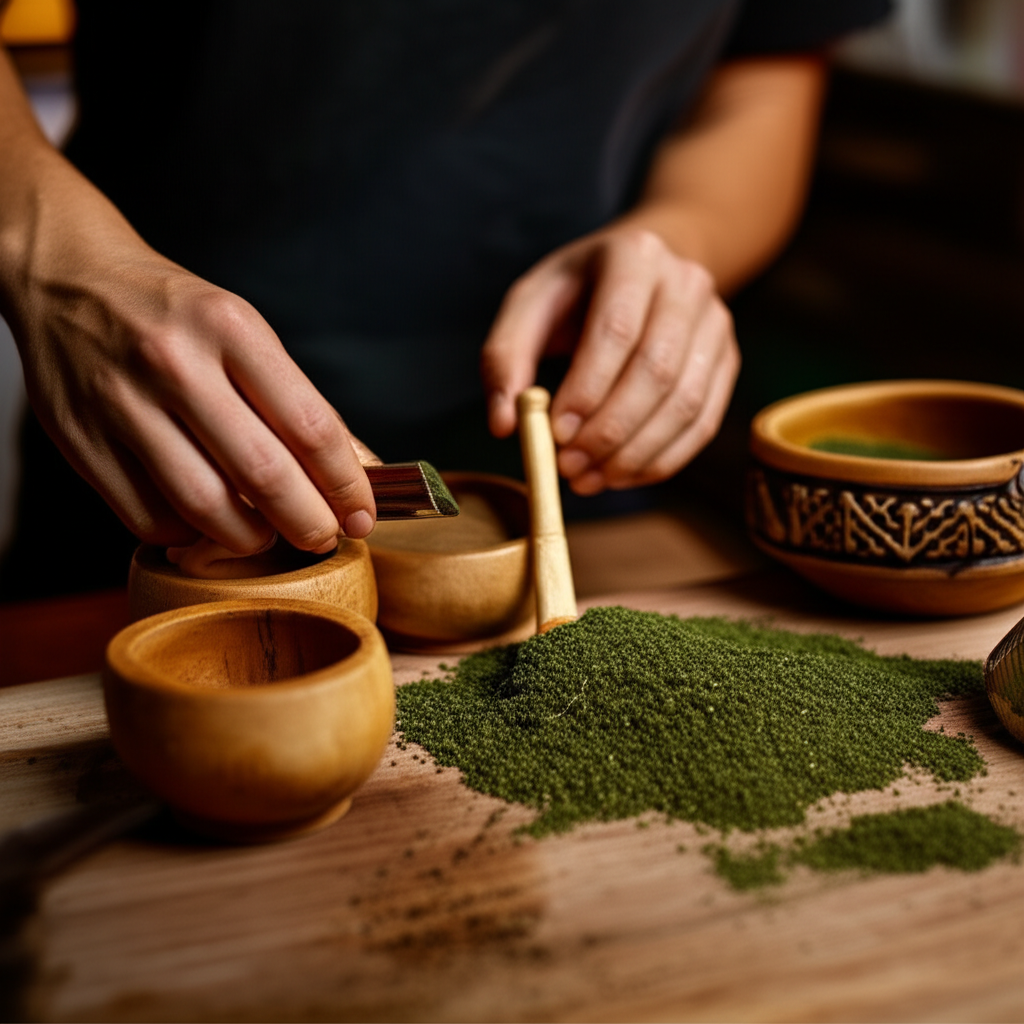
Kava bars have become gathering spots where people explore traditional Pacific Island drinks alongside newer options like-kratom. In 2026, researchers published a study looking at how kava affects daily balance, and this has sparked fresh conversations in bars across the country. Here's what's happening in these spaces and what it means for the industry.
The Roots of Kava Culture and Its Modern Revival
Kava comes from the roots of the Piper methysticum plant that grows throughout the South Pacific. Island communities have used it in ceremonies for centuries, passing cups around to mark special occasions and bring people together. Those same traditions are showing up in American kava bars, though with some modern tweaks.
More kava bars opened in the past two years than in the previous decade combined. Many of these new spots go beyond simply serving drinks. They hang maps of the Pacific Islands on walls, print information about how farmers harvest kava roots, and sometimes bring in people who grew up with kava ceremonies to share stories with customers. It's a way to connect the drink to where it actually comes from.
Insights from a New Study on Kava's Wellness Benefits
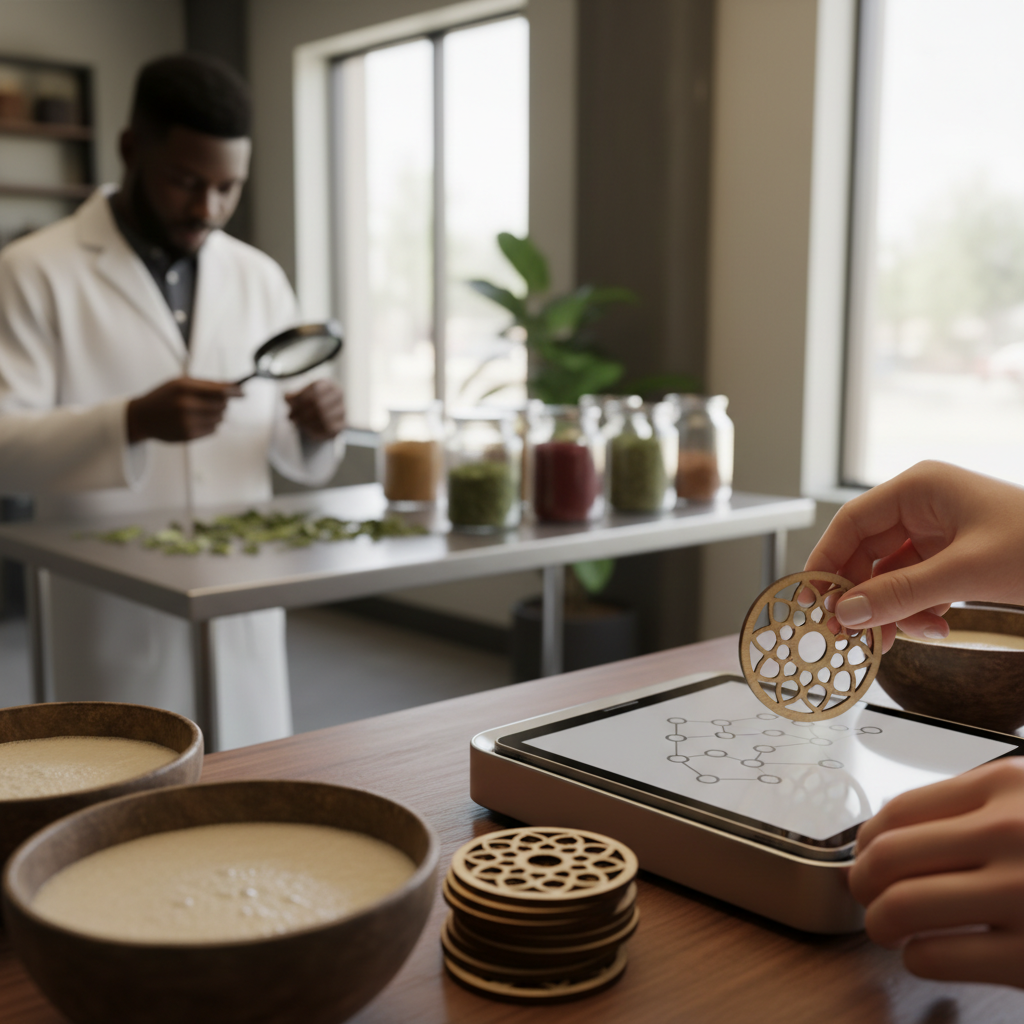
Researchers at the Journal of Ethnopharmacology released findings in early 2026 examining kava's interaction with the body's stress-response systems. The study focused on specific compounds in kava roots and how they might help people maintain composure during tense moments. The researchers themselves noted they need to do more work before drawing firm conclusions, but the preliminary results got attention.
Kava bar owners jumped on this quickly. A bar in Portland now offers a "study blend" that uses the same kava varieties the researchers examined. Some bars have started posting the study's findings on their menus or discussing them during slow evenings. Whether this actually changes anything about how kava works is still unclear, but customers seem interested in hearing about it.
The Kratom Industry's Role in Kava Bar Evolution
Kratom comes from a different plant entirely—the Mitragyna speciosa tree native to Southeast Asia—but it has found a home in many kava bars. The substance has been around for years, but 2026 brought more state-level rules about how it can be sold. This actually helped legitimate businesses, since customers now have better guarantees about what they're purchasing.
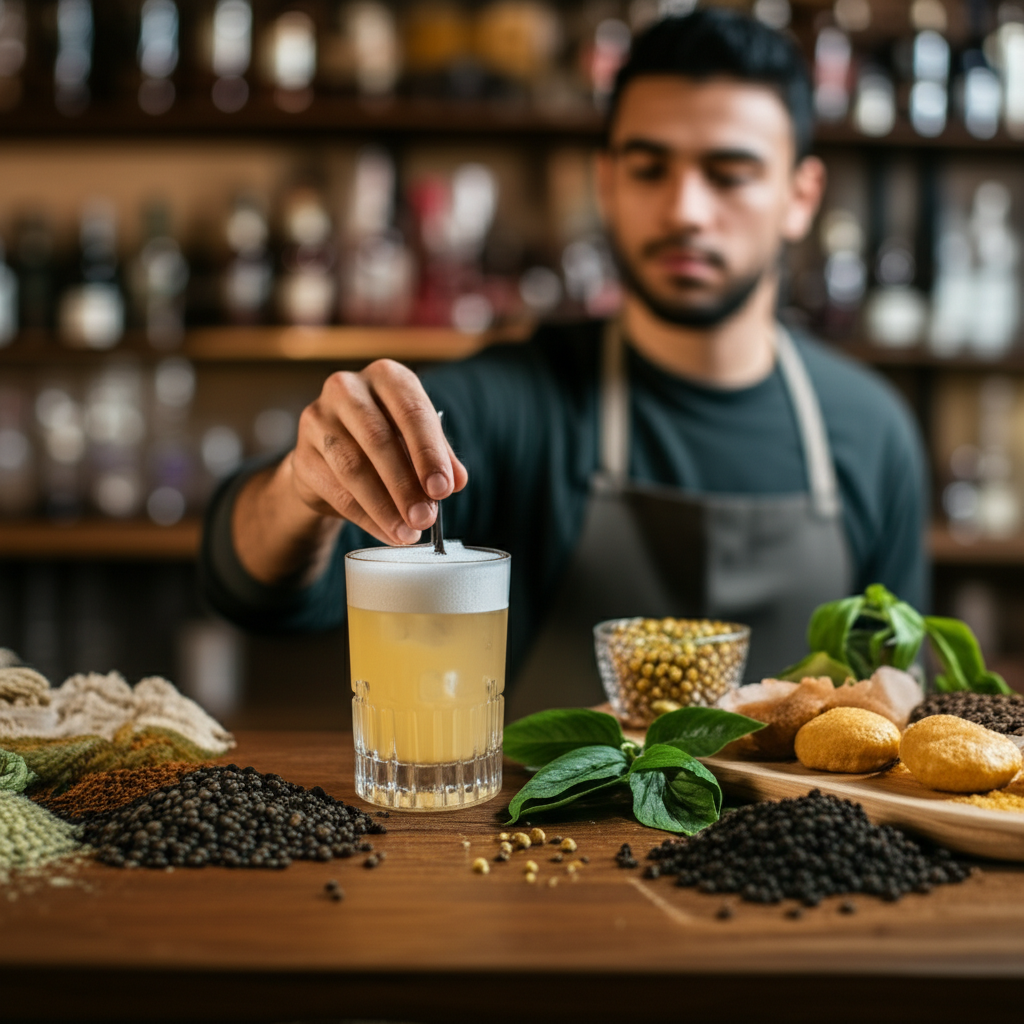
Several kava bars now serve drinks that mix kava with small amounts of-kratom extract. The idea is to give customers options beyond just kava alone. Bar owners tell me they've been working directly with suppliers to get consistent blends rather than experimenting randomly. These partnerships have become more common as both industries look for ways to work together.
Spotlight on Key Kava Bar Trends in 2026
Kava bars look different depending on which city you visit. The ones in big coastal cities tend to experiment more with unusual recipes, while smaller town bars often focus on keeping things simple. Here's what's showing up most often:
- Custom Blends: Customers can pick from different kava strains and add small quantities of-kratom if they want. It's like ordering a coffee with specific milk options, but for kava.
- Educational Workshops: Some bars hold monthly sessions where someone explains where kava grows, how it's harvested, and what the research says. These draw crowds of people who are curious but not regular customers.
- Sustainable Sourcing: A growing number of bars now advertise where their kava comes from and whether farmers were paid fairly. This matters to younger customers who ask about this kind of thing.
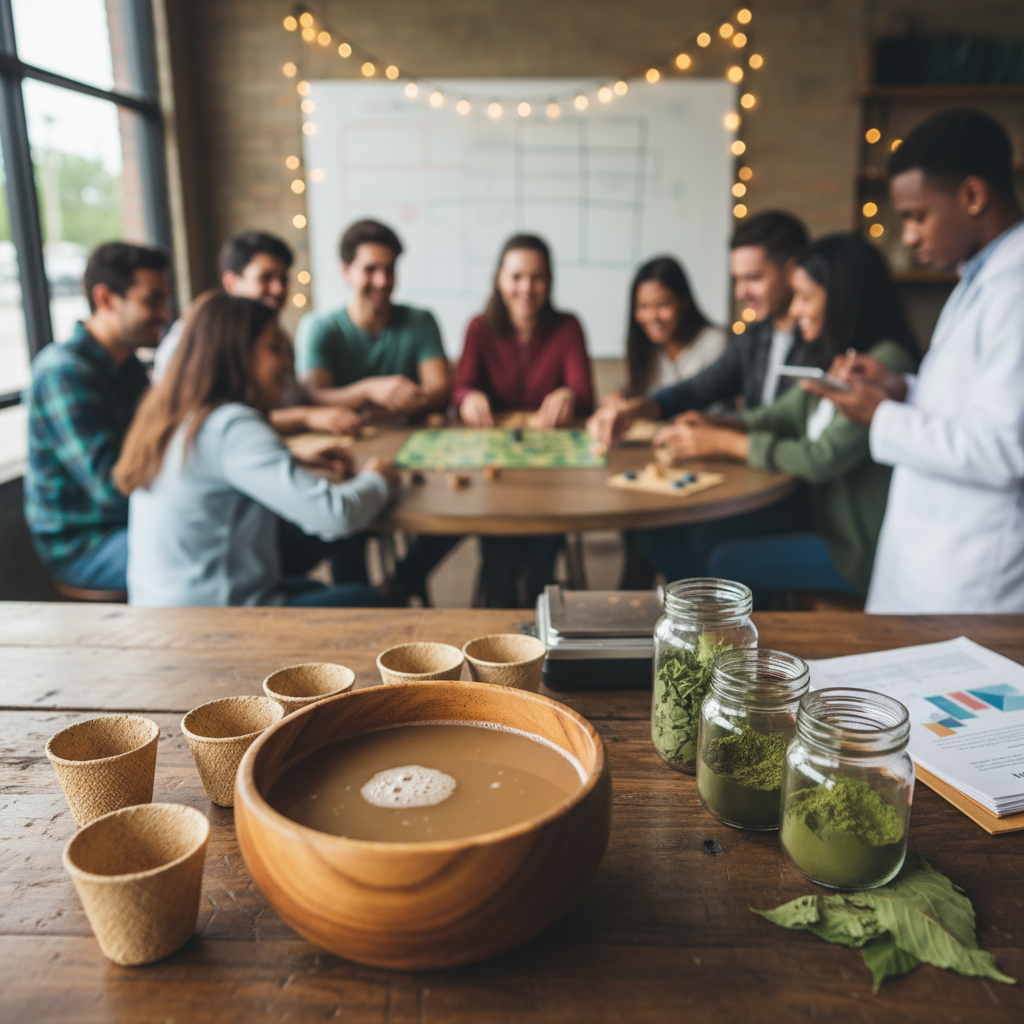
- Social Events: Trivia nights, live music, and cultural celebration evenings keep people coming back beyond just the drinks.
These changes are吸引new people through the door, but they also give existing customers more reasons to stay.
Challenges and Opportunities in the Kava/Kratom Industry
It's not all smooth sailing. State laws about kava and-kratom vary widely, and what perfectly legal in one city might get someone shut down in another. Bars have to stay on top of changing rules, which takes time and money. Product quality also remains inconsistent—some bars serve excellent kava while others clearly don't know what they're doing.
But there's real opportunity too. The 2026 study opened doors for researchers who want to study kava more seriously. If more studies come out with similar findings, bars could position themselves as wellness spaces rather than just places to hang out. Some entrepreneurs are already building apps that would let customers describe what they need and get a personalized recommendation—basically a Tinder for kava blends.
The Future of Kava Bars and Industry Integration
Technology will shape what happens next. Several startups are building platforms that track kava shipments from farm to bar, which could help prove authenticity and quality. Others are working on the recommendation apps I mentioned. Whether any of this takes off remains to be seen, but the pieces are falling into place.
What stands out is how these bars have managed to bring old traditions into spaces that feel new. People who never heard of kava five years ago are now regulars. That's not because of marketing campaigns or viral videos—it's because kava bars figured out how to make something unfamiliar feel worth trying.
2026 Update
Since this article was first written, a second study has emerged from researchers in Hawaii examining kava's effects over longer periods of use. Early results suggest moderate, occasional consumption didn't show the concerns that have historically surrounded kava, though researchers emphasized this needs peer review. Several kava bars have already begun referencing these new findings in their marketing materials, though the science remains preliminary.