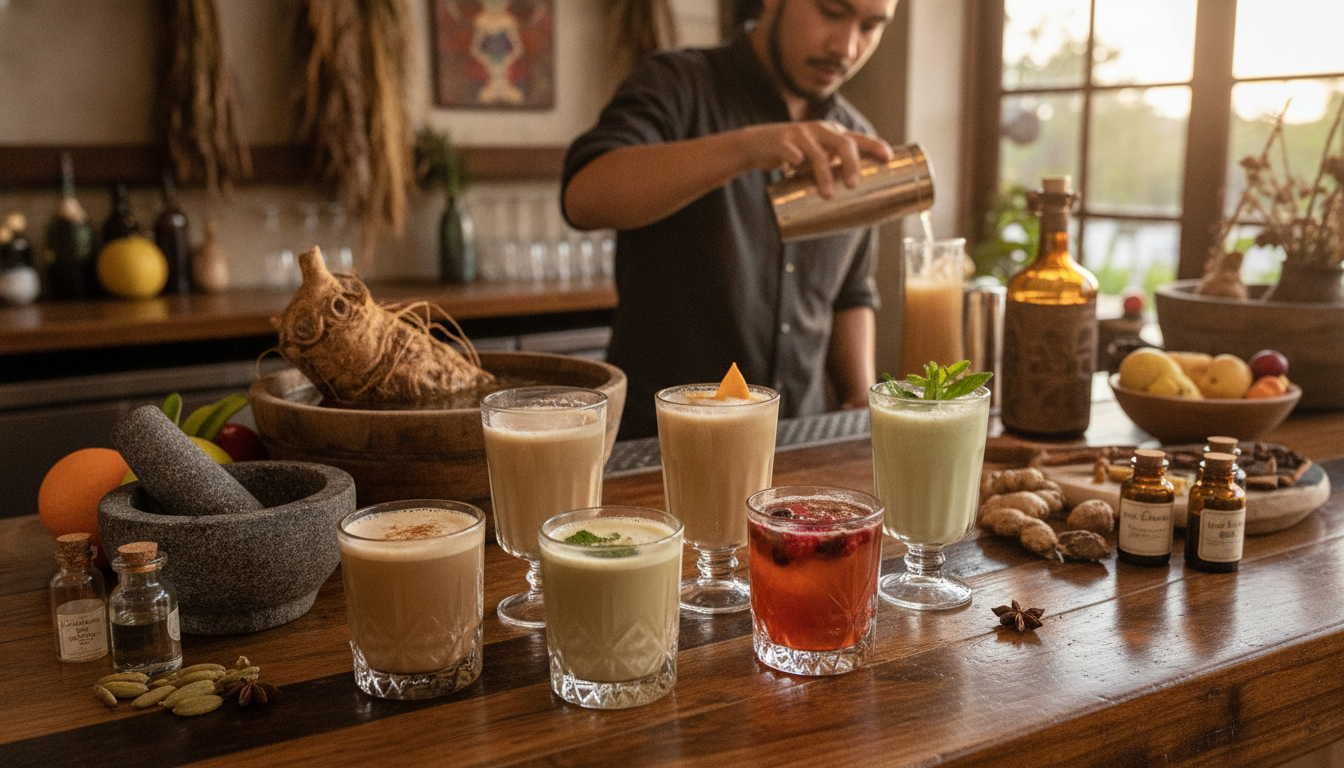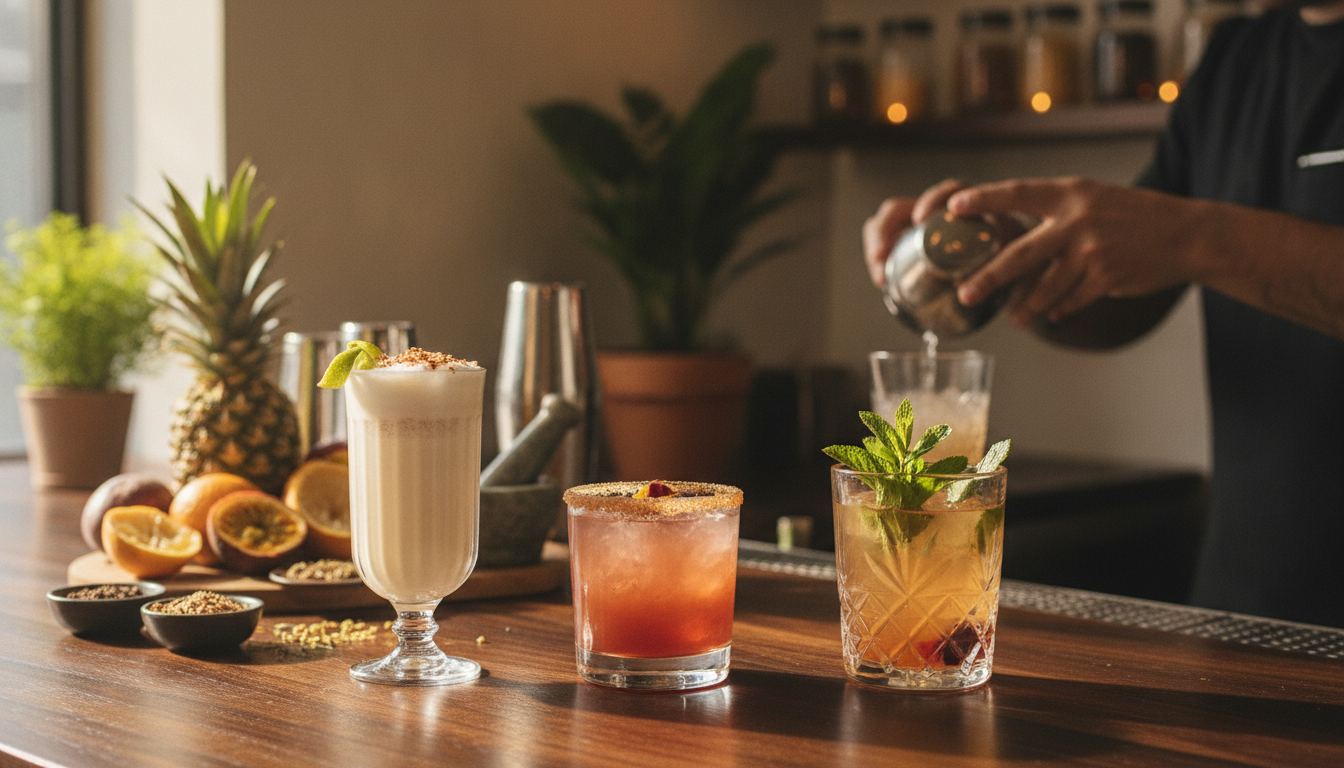
Cold Brew Kava: A Modern Classic in Kava Bars
Kava, a traditional beverage from the South Pacific, has found a new audience in modern kava bars across the world. While the classic method of kneading kava root powder in water remains popular, many kava bars are now offering cold brew kava as a refreshing, smooth alternative. This preparation method appeals to both seasoned kava drinkers and newcomers, providing a milder flavor and convenient serving options.
Why Kava Bars Are Turning to Cold Brew
- Milder Flavor: Cold water extraction draws out kavalactones while reducing bitterness and astringency, resulting in a less gritty, more approachable drink.
- Quick Service: Cold brew kava can be prepared in advance and served directly from the fridge, reducing wait times during busy hours.
- Menu Flexibility: The neutral base of cold brew kava mixes well with fruits, herbs, and natural sweeteners, letting kava bars develop unique seasonal recipes.
- Gentler on the Stomach: Some customers find cold brew kava easier to digest, as it contains fewer tannins and less particulate matter than traditional hot kava.
How to Prepare Cold Brew Kava: Step-by-Step Guide for Bars and Home Use
If your kava bar wants to add cold brew kava to the menu, or you want to make a smooth batch at home, this guide breaks down the essentials. The following method prioritizes quality, taste, and efficiency for high-volume service but works just as well in a home kitchen.
Essential Ingredients and Tools
- 2 cups noble kava root powder (opt for noble varieties for the best flavor and customer experience)
- 8 cups cold, filtered water
- Large pitcher, jar, or food-grade bucket with a lid
- Nut milk bag, cheesecloth, or fine mesh strainer
- Optional: sliced lime, lemon, fresh mint, or honey for garnish
Cold Brew Kava Directions
- Combine Ingredients: Add the kava powder to your pitcher or jar. Pour in the cold water and stir vigorously to distribute the powder evenly.
- Soak and Refrigerate: Cover the container and let the mixture steep in the refrigerator for 4 to 6 hours. This extended soaking period allows for gentle extraction of the desirable compounds.
- Gently Agitate: Every 60 to 90 minutes, give the mixture a gentle shake or stir to maximize extraction without aerating or oxidizing the kava.
- Strain Thoroughly: Once steeped, pour the mixture through your nut milk bag, cheesecloth, or fine mesh strainer set over a clean pitcher. Squeeze or press gently to extract as much liquid as possible, leaving the fibrous solids behind.
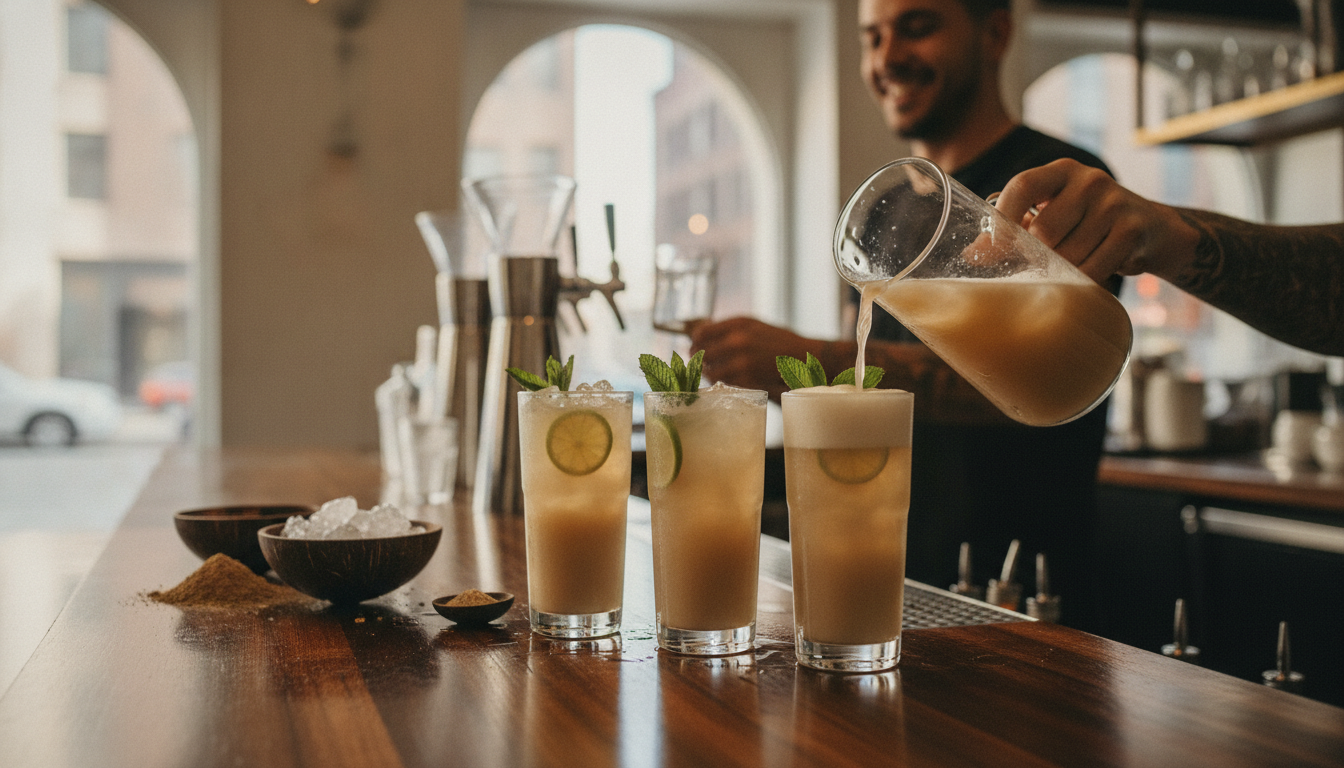
- Serve Cold: Pour the finished cold brew kava into glasses. Serve straight, over ice, or with optional garnishes like citrus, mint, or honey. Refrigerate any leftovers and use within 48 hours for best flavor and potency.
Flavor Variations for Kava Bar Menus
Cold brew kava's clean profile is a perfect base for creative recipes. Consider offering seasonal or signature drinks to set your kava bar apart.
- Citrus Kava Cooler: Add slices of orange and lemon to the soaking kava for a bright, refreshing twist. Remove before straining.
- Herbal Infusion: Steep a few sprigs of fresh mint or basil along with the kava powder for extra aroma and cooling sensation.
- Ginger Honey Blend: After straining, stir in thinly sliced ginger and a spoonful of honey. Allow it to infuse for 15 minutes before serving for a gentle warmth and sweetness.
These variations can be rotated as specials, giving customers new reasons to visit and try something different each time.
Practical Advantages for Kava Bar Owners
- Batch Production: Cold brew kava can be prepared in large quantities, improving workflow and ensuring consistent quality during busy shifts.
- Attractive Presentation: Use clear glass dispensers or pitchers to entice customers with the visual clarity and color of the drink, especially when garnished.
- Menu Education: Consider printing a brief explanation of cold brew kava’s benefits and flavor notes on your menu. Customers unfamiliar with kava will appreciate the guidance.
- Seasonal Rotation: Offer limited-time cold brew recipes featuring local or seasonal ingredients to encourage repeat visits and test new ideas.
Comparing Cold Brew and Traditional Kava Preparation
The classic method involves kneading kava root powder in water by hand for 5 to 10 minutes, often resulting in a dense, earthy, and sometimes gritty beverage. Cold brew, by contrast, uses time to gently extract the active kavalactones, resulting in a drink that is milder and often silkier in texture. Both methods preserve kava’s signature calming effects, but cold brew is often preferred by new kava bar patrons or those who want a less traditional taste experience.
Choosing the Right Kava and Storage Tips
The quality of the starting kava root powder is essential, especially for cold brew. Always use noble kava varieties, which have a cleaner taste and are generally regarded as safer and more enjoyable for social consumption. Avoid tudei kava, which can result in a harsher flavor and is less suitable for this preparation.
Store both your dry kava powder and finished cold brew in airtight containers, away from heat and light. Freshness affects not just taste but also the potency of the kavalactones that give kava its effects. When prepared and stored properly, cold brew kava will remain enjoyable for up to two days in the refrigerator.
Cold Brew Kava: A New Staple in Bar Culture
Cold brew kava is more than just a trend. Its smooth flavor, flexible serving options, and efficient preparation have made it a staple in the menus of modern kava bars. Whether serving longtime devotees or curious first-timers, cold brew gives kava bars a way to highlight kava’s relaxing qualities in a format that feels modern and accessible. For kava enthusiasts, mastering the cold brew method opens up a world of creative recipes and refreshing new experiences.