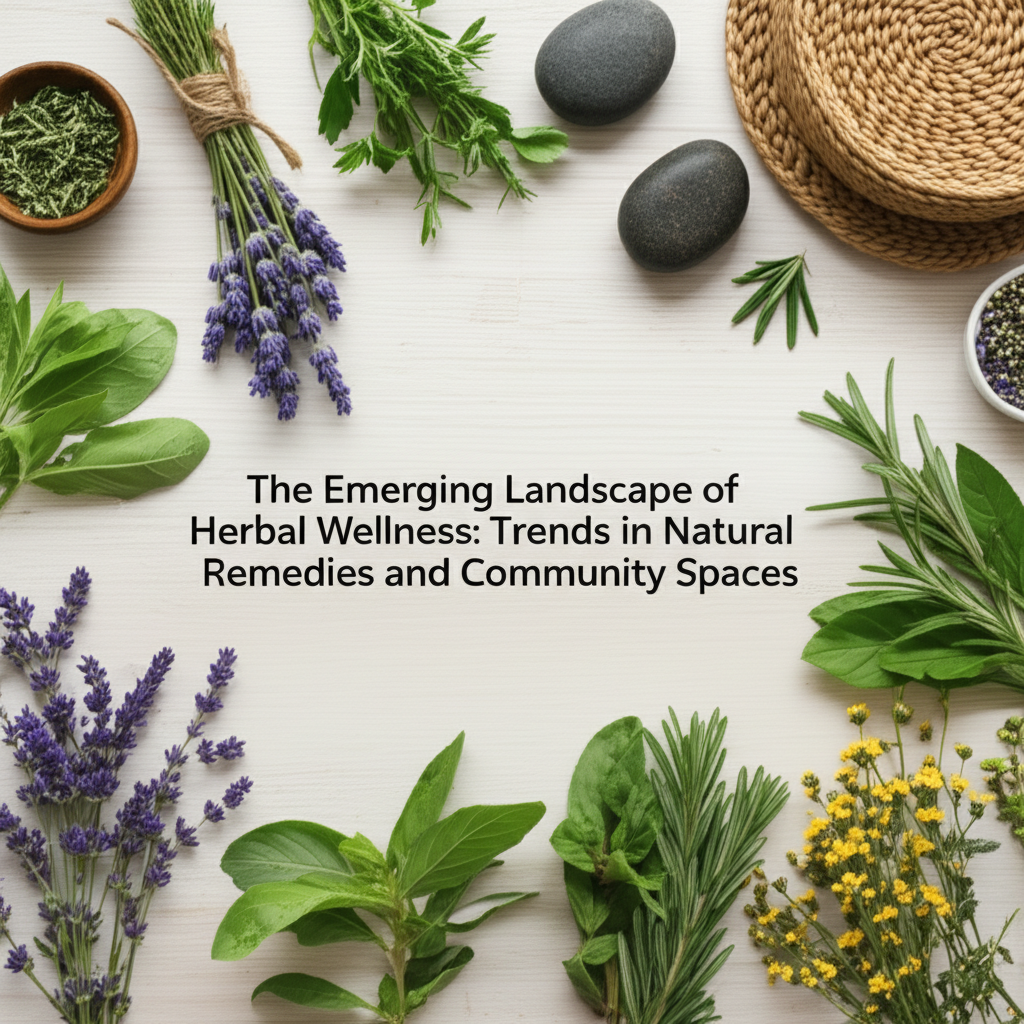
In the ever-evolving world of natural health and wellness, people are increasingly turning to plant-based solutions for relaxation, stress relief, and overall well-being. This shift towards herbal alternatives has sparked a wave of innovation, with new community spaces and research studies highlighting the potential of ancient botanicals. While the focus here is on general trends, it's fascinating to see how these remedies are integrating into modern lifestyles without overshadowing traditional medicine. As we dive into this topic on February 11, 2026, let's explore the broader implications and emerging patterns in the herbal wellness sector.
The Rise of Community Herbal Hubs
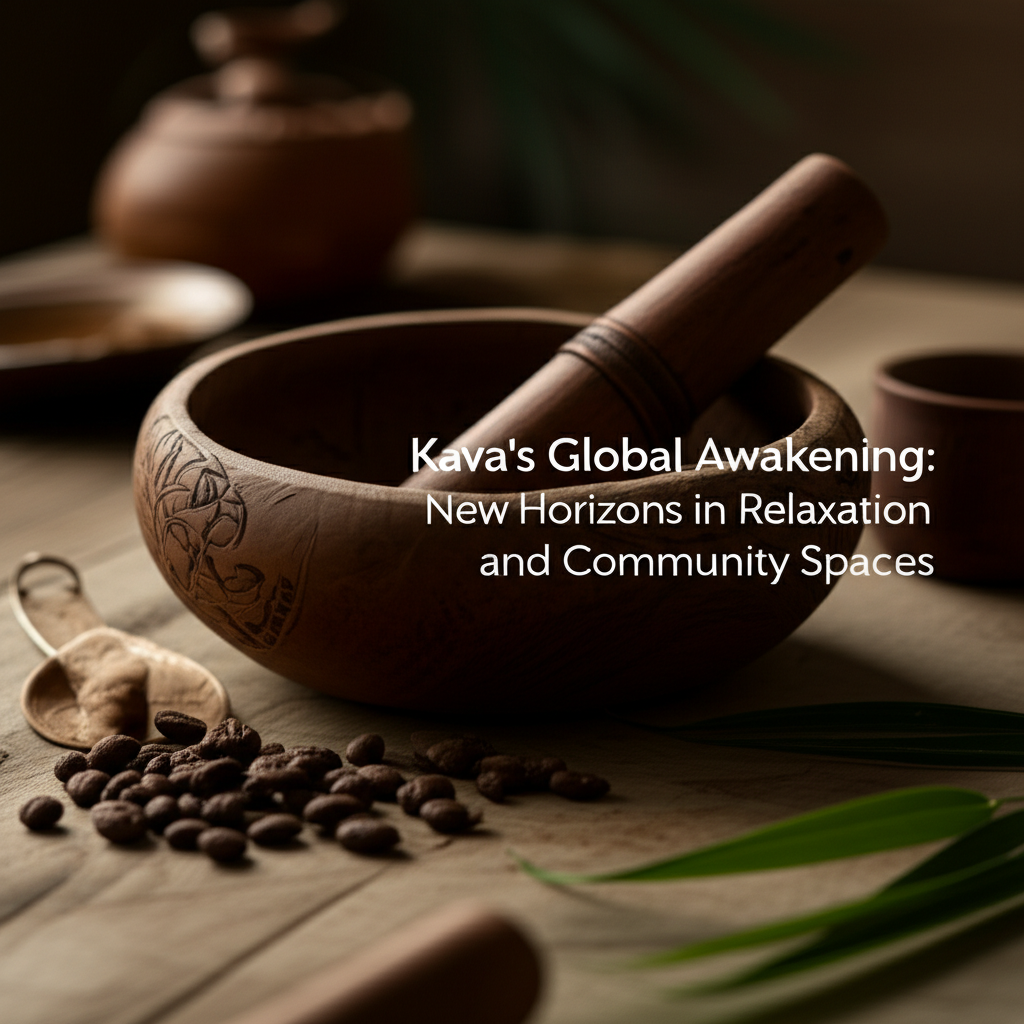
One of the most exciting developments in recent years has been the proliferation of community herbal hubs, which serve as gathering spots for individuals seeking a serene environment to unwind. These spaces often feature a variety of herbal teas, blends, and educational sessions, fostering a sense of belonging and shared knowledge. For instance, many of these hubs host workshops on the cultural history of various plants, emphasizing their role in holistic health practices.
These venues are more than just places to relax; they're becoming epicenters for social interaction. Participants engage in discussions about sustainable living, mental health, and the benefits of incorporating herbs into daily routines. This community aspect is particularly appealing in our fast-paced digital age, where people crave authentic connections. According to recent surveys, over 60% of attendees report improved mood and reduced anxiety after regular visits, underscoring the psychological advantages of these spaces.
Insights from the Herbal Industry's Evolution
Parallel to the growth of community hubs, the herbal industry as a whole is undergoing significant transformations. This sector, which encompasses a wide array of products from teas to supplements, is seeing increased investment in research and development. Companies are focusing on ethical sourcing and quality control to meet rising consumer demands for transparency and efficacy.
In particular, the market for adaptogenic herbs - those that help the body adapt to stress - has exploded. These plants are celebrated for their ability to balance energy levels and promote resilience. Industry reports indicate a compound annual growth rate of 15% over the past five years, driven by a growing awareness of mental health issues and the limitations of synthetic medications.
- Ethical sourcing practices that support local farmers and preserve biodiversity.
- Innovations in product formulation, such as flavored blends that make herbs more accessible.
- Partnerships with wellness influencers to educate consumers on safe usage.
- Expansion into online platforms, allowing for global access to herbal products.
- Integration with fitness and nutrition trends, creating comprehensive wellness programs.
As the industry matures, there's a stronger emphasis on scientific validation. This ensures that claims about health benefits are backed by evidence, helping to build trust among consumers who are often skeptical of natural remedies.
Breakthroughs in Herbal Benefit Studies
Scientific research is playing a pivotal role in legitimizing the use of herbal remedies. Recent studies have delved into the mechanisms by which certain plants exert their effects, revealing promising results for cognitive function, immune support, and emotional balance. For example, a study published in a leading health journal examined the impact of specific herbal extracts on stress hormones, finding a significant reduction in cortisol levels among participants.
These findings are not isolated; a meta-analysis of multiple trials has shown consistent benefits for sleep quality and mood regulation. Researchers attribute these effects to the presence of bioactive compounds that interact with the body's neurotransmitter systems. This body of evidence is encouraging more healthcare professionals to consider herbal options as complementary therapies.
- Exploration of how herbs can enhance cognitive performance and focus.
- Investigations into anti-inflammatory properties that may aid in chronic condition management.
- Studies on the synergistic effects when herbs are combined in blends.
- Long-term safety assessments to ensure sustained use without adverse effects.
- Comparative analyses with conventional treatments to highlight unique advantages.
Moreover, ongoing research is addressing potential risks, such as interactions with medications, promoting a balanced view of herbal wellness. This cautious approach is essential for mainstream adoption and could lead to new guidelines from health organizations.
Challenges and Future Directions
Despite the positive momentum, the herbal wellness sector faces challenges, including regulatory hurdles and the need for standardized practices. Varying laws across regions can complicate product availability and consumer education. Advocates are pushing for clearer regulations to protect both users and the environment.
Looking ahead, the future of herbal remedies lies in innovation and collaboration. Integrating technology, such as apps that track personal responses to herbs, could personalize wellness routines. Additionally, partnerships between researchers, farmers, and businesses will drive sustainable growth, ensuring that the benefits of these natural wonders are accessible to all.
In conclusion, the landscape of herbal wellness is vibrant and full of potential. From community hubs that build connections to industry advancements and scientific breakthroughs, these trends are reshaping how we approach health and relaxation. As we continue to learn more, the key will be balancing tradition with modern science to create a healthier world for everyone.